The Halo and Aureole: Visualizing Holiness Across Cultures
A halo (from Ancient Greek ἅλως, hálōs, 'threshing floor, disk'), also called a nimbus, aureole, glory or gloriole (Latin: gloriola, lit. 'little glory'), is a crown of light rays, circle or disk of light that surrounds a person in works of art. Th...
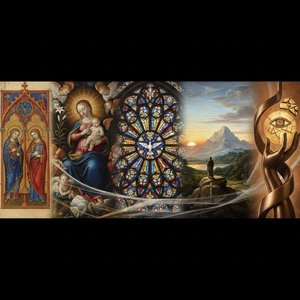
From the earliest depictions of divinity to the soaring religious art of the Renaissance, humanity has sought visual means to represent the sacred. Perhaps one of the most enduring symbols of holiness is the halo – that radiant circle or disk of light surrounding a figure’s head. Originating in ancient Greece as a symbol of honor and kingship (ἅλως, meaning “threshing floor” or “disk”), the halo evolved through Roman art to become increasingly associated with deities and emperors. However, it was within the context of Christianity, Buddhism, and Hinduism that the halo truly blossomed into a powerful emblem of spiritual grace. Early Christian artists adopted the halo not as an indicator of earthly power, but as a manifestation of divine light – a visual shorthand for sanctity and proximity to God. The form itself varied; sometimes a simple circle, at others a complex aureole radiating beams of golden brilliance. Gandharan Buddhist art provides striking examples of halos framing the Buddha, reflecting both Greek artistic influence and the profound spiritual beliefs of the region. The halo wasn’t merely decorative; it was a theological statement, signifying the presence of the divine within the mortal realm.
Renaissance Piety: Humanism, Devotion, and Artistic Innovation
Renaissance art (1350 – 1620) is the painting, sculpture, and decorative arts of the period of European history known as the Renaissance, which emerged as a distinct style in Italy in about AD 1400, in parallel with developments which occurred in phi...
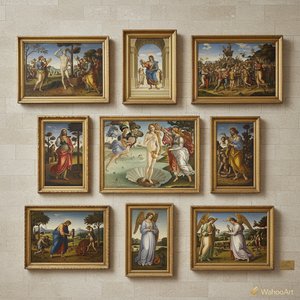
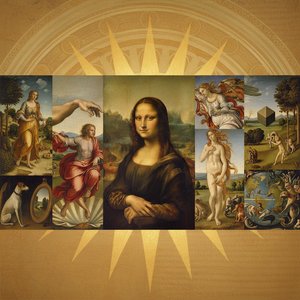
The Renaissance witnessed a fascinating interplay between burgeoning humanism and deeply held religious faith. While scholars rediscovered classical ideals of beauty and proportion, artists didn’t abandon devotional subjects; rather, they infused them with newfound realism and emotional depth. Renaissance piety wasn't about rejecting the spiritual world but about experiencing it more intimately through art. Artists like Lucas Cranach the Elder, in his tender depictions of the Virgin and Child, captured a sense of serene divinity within domestic settings, emphasizing maternal love and human connection alongside sacred symbolism. Sandro Botticelli’s versions of the same subject demonstrate a similar focus on grace and emotional resonance, utilizing warm tones and realistic detail to draw viewers into the scene. This period saw a shift from stylized representations towards more naturalistic portrayals, yet the halo remained a crucial element – often rendered with meticulous precision to highlight the figures' holiness. The use of perspective, pioneered by artists like Piero della Francesca in his “Baptism of Christ,” further enhanced the sense of realism and spiritual weight.
Saints and Their Stories: Narrative Painting as Religious Instruction
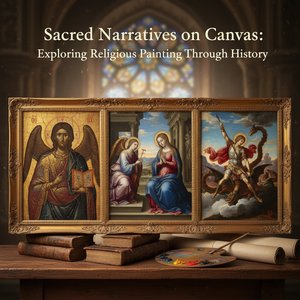
Before widespread literacy, religious art served a vital didactic purpose – to educate the faithful about the lives of saints and biblical narratives. Artists became visual storytellers, employing symbolism and dramatic composition to convey complex theological concepts. Giotto di Bondone’s “Saint Stephen,” for example, isn't simply a portrait; it’s a moment frozen in time, depicting the saint’s martyrdom with striking emotional intensity. The lifelike figures and innovative use of perspective were groundbreaking for their era, drawing viewers into the scene and fostering empathy with the subject. The depiction of saints wasn’t limited to isolated portraits; entire altarpieces and fresco cycles narrated their lives, miracles, and ultimate sacrifice. These narratives weren't merely historical accounts but served as moral lessons, inspiring devotion and reinforcing religious doctrine. The careful attention to detail – from the folds of drapery to the expressions on faces – underscored the importance of these figures within the Christian faith.
Color and Light as Divine Manifestation in Baroque Art
The Baroque period embraced drama, emotion, and a heightened sense of spirituality. Artists utilized rich colors, dynamic compositions, and dramatic chiaroscuro (the contrast between light and dark) to evoke powerful religious experiences. Color wasn’t merely decorative; it was imbued with symbolic meaning. Gold represented divinity, red symbolized passion and sacrifice, and blue evoked the heavens. The manipulation of light became particularly crucial – often used to spotlight key figures or create a sense of divine intervention. Artists sought to overwhelm the senses, drawing viewers into the scene and fostering a feeling of awe and reverence. This emphasis on emotional impact extended to depictions of saints and biblical scenes, transforming them into theatrical spectacles designed to inspire faith.
El Greco's Spiritual Intensity: A Unique Expression of Faith
While rooted in Renaissance traditions, El Greco developed a highly distinctive style characterized by elongated figures, dramatic lighting, and intense emotional expression. His paintings weren’t concerned with classical ideals of beauty or naturalism; instead, they prioritized spiritual fervor and mystical experience. The artist's unique approach to color – often employing vibrant, otherworldly hues – further enhanced the sense of otherworldliness. El Greco’s depictions of saints are particularly striking, conveying a profound sense of inner turmoil and divine ecstasy. His work, though initially misunderstood by some contemporaries, foreshadowed later movements like Expressionism and Cubism, demonstrating his pioneering spirit and unwavering commitment to expressing spiritual truth. The elongated forms and swirling compositions weren't stylistic quirks but rather attempts to capture the intangible essence of faith.
From Oratories to Cathedrals: Spaces Dedicated to Piety and Artistic Display
The creation of art wasn’t isolated from its architectural context; churches, oratories, and cathedrals were designed as immersive environments dedicated to worship and contemplation. Spaces like the Oratorio di San Giorgio in Padua showcase stunning frescoes by Altichiero da Zevio, transforming the chapel into a visual narrative of religious devotion. Similarly, Toledo Cathedral stands as a testament to Gothic architecture and houses masterpieces by El Greco, including “El Expolio,” creating a powerful synergy between art and faith. The Museum of Fine Arts of Córdoba preserves Baroque treasures by artists like Bermejo, Murillo, and Zurbarán, offering insights into the artistic traditions of Spain. These spaces weren’t merely repositories for artworks; they were active sites of religious practice, designed to inspire awe, reverence, and a deeper connection with the divine. The careful placement of paintings, sculptures, and architectural elements created a holistic experience that engaged all the senses.
At OriginalUniqueArt.com, we believe in making these masterpieces accessible to everyone. Explore our collection of handmade oil paintings and museum-quality prints, allowing you to bring the beauty and spiritual power of art into your own home. From custom reproductions to free art consultations, we are dedicated to providing a personalized experience for collectors and enthusiasts alike.