The Dawn of Devotion: Early Christian Iconography & Its Byzantine Roots
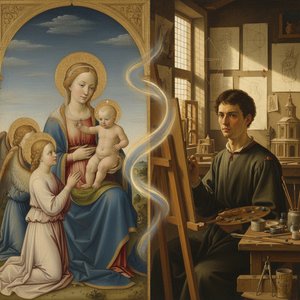
 Cimabue
Cimabue (c. 1240-1302): Pioneer of Italian painting! Explore his Byzantine & Renaissance blend, realistic figures, and influence on Giotto. Discover masterpieces now!
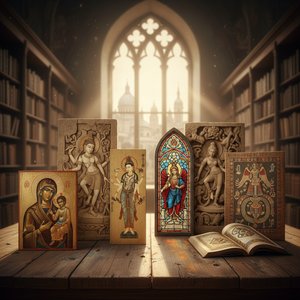
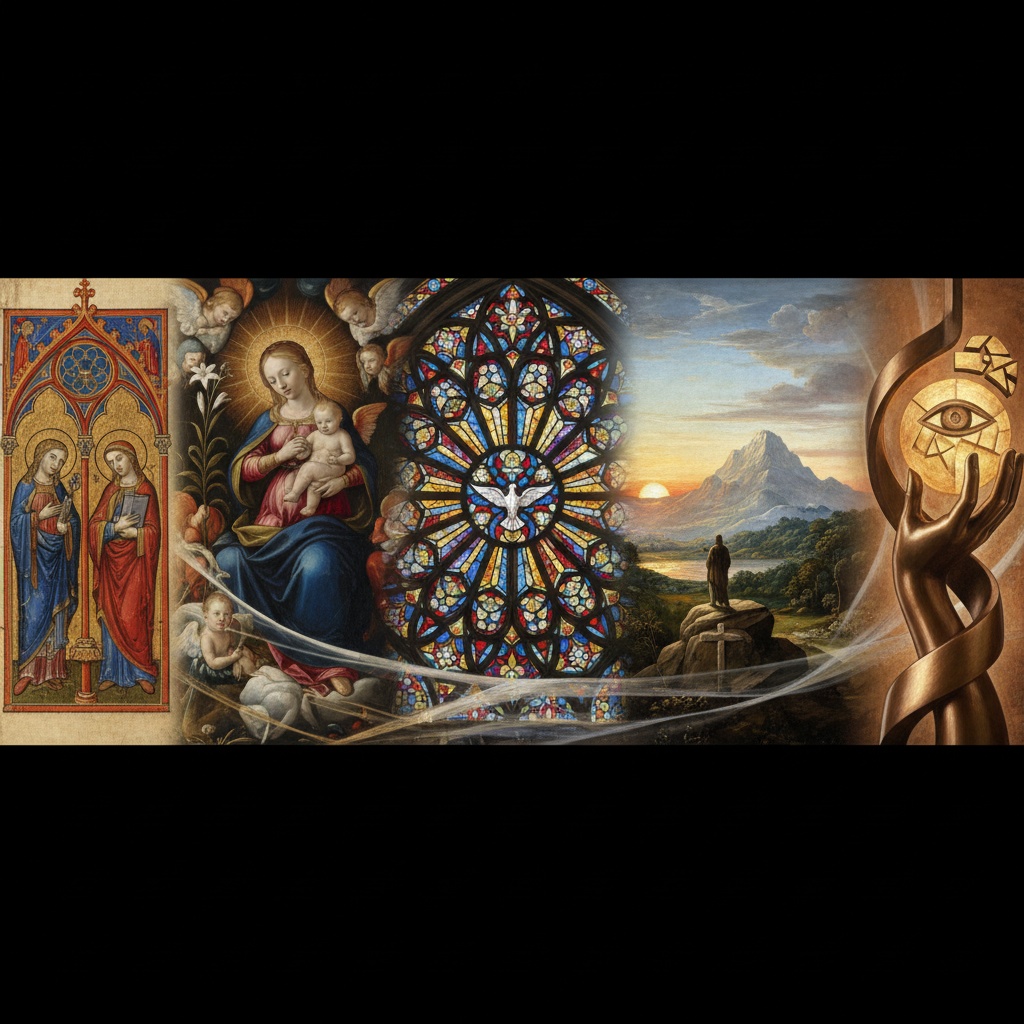
The earliest expressions of Christian faith in art were born not from grand commissions, but from a need—a profound desire to visualize the intangible and communicate belief in a world often hostile to its nascent tenets. Before the sweeping frescoes and opulent altarpieces of the Renaissance, the visual language of Christianity was forged in the catacombs and the mosaics of the Byzantine Empire. This initial period, spanning roughly from the 2nd to the 5th centuries CE, wasn’t about realistic representation; it was about conveying essential truths through symbolism. The limitations imposed by persecution fostered a highly coded aesthetic. Images weren't meant to be passively observed but actively *read*, each element holding layers of theological meaning. Consider the frequent depiction of the Good Shepherd—a direct echo of Old Testament imagery, yet imbued with new significance as Christ, the protector and guide of his flock. The fish, or ichthys, became a secret sign among believers, an acrostic for “Jesus Christ Son of God Savior.” These weren’t merely artistic choices; they were acts of coded communication, safeguarding faith in a dangerous world.
The influence of Byzantine art is paramount. As Christianity gained acceptance within the Roman Empire, particularly after Constantine's Edict of Milan in 313 CE, it inherited and adapted the established visual traditions of the East. Mosaics, shimmering with gold leaf, became a dominant form—a deliberate attempt to evoke the heavenly realm. Figures were stylized, elongated, and often depicted frontally, emphasizing their spiritual authority rather than physical realism. This aesthetic wasn’t a lack of artistic skill; it was a conscious rejection of earthly concerns in favor of transcendent representation. The focus shifted from narrative detail to conveying divine presence through color, light, and symbolic gesture. These early mosaics weren't simply decorations; they were theological statements rendered in stone and glass.
Renaissance Reverie: Humanism, Symbolism, and Divine Representation
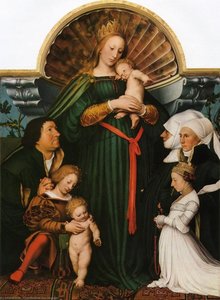 Meyer Madonna (also known as Darmstadt Madonna)
Discover the Meyer Madonna (Darmstadt Madonna) by Hans Holbein the Younger, a masterful 1526 Renaissance religious painting. Rich in symbolism, realism, and divine beauty, perfect for art collectors and enthusiasts.
The Renaissance witnessed a profound shift in artistic priorities—a rediscovery of classical ideals coupled with a burgeoning humanist philosophy. While religious themes remained central, the approach to their depiction underwent a dramatic transformation. Artists no longer sought merely to represent theological truths; they aimed to portray them with newfound realism, emotional depth, and psychological complexity. This period saw a fascinating interplay between traditional Christian iconography and the emerging emphasis on human experience. Figures like Lorenzo di Bicci in Florence exemplified this transition, creating devotional works commissioned by guilds and clergy that were characterized by bright colors, precise execution, and an increasing attention to anatomical accuracy.
However, even as artists embraced classical techniques, symbolism remained crucial. Hans Holbein the Younger’s “Meyer Madonna” (1526) is a compelling example. At first glance, it appears as a remarkably realistic portrait of a woman holding the Christ Child. Yet, beneath the surface lies a wealth of symbolic detail—the intricate jewelry, the carefully chosen fabrics, and the subtle gestures all contribute to a deeper theological message. The painting isn’t simply a beautiful image; it's a complex meditation on faith, motherhood, and divine grace. Similarly, Lucas Cranach the Elder’s “Virgin and Child” (1520) showcases a serene depiction of the holy family, rich in color and spiritual symbolism. These artists weren’t abandoning tradition; they were enriching it with new techniques and perspectives.
Color & Emotion in Religious Art: A Chromatic Language of Faith
 The Chromatic Spectrum of Feeling: Exploring Color & Emotion in Art History
Explore the fascinating relationship between color and emotion in art history. Discover how master artists used color to evoke feelings & cultural meanings, plus the psychology behind it all.
Throughout art history, color has been far more than a decorative element—it's a powerful tool for evoking emotion, conveying meaning, and establishing theological hierarchies. In religious art, the use of specific colors was often governed by established conventions. Gold, as seen in Byzantine mosaics, represented divine light and eternity. Blue, particularly ultramarine derived from lapis lazuli, became associated with the Virgin Mary—a symbol of her purity and heavenly status. Red signified Christ’s sacrifice and passion, while green evoked hope and renewal.
The psychological impact of color was also keenly understood. Artists carefully manipulated palettes to create specific moods and atmospheres. A somber palette might be used to depict scenes of mourning or suffering, while vibrant colors could convey joy and celebration. The chromatic spectrum wasn’t arbitrary; it was a deliberate language designed to engage the viewer on an emotional level. This understanding extended beyond individual colors—artists also considered the interplay between different hues, creating harmonies and contrasts that reinforced their theological message. Exploring these color choices reveals a profound sensitivity to the power of visual perception.
Northern Visions: Dieric Bouts the Younger & Flemish Realism's Spiritual Depth
 Dieric Bouts the Younger
Discover Dieric Bouts the Younger (1415-1475), an Early Netherlandish painter influenced by Van Eyck & Weyden. Known for innovative perspective in 'The Last Supper,' expressive figures, and rich color.
While Italy spearheaded many of the Renaissance’s most iconic artistic innovations, the Northern European tradition developed its own distinct approach. Dieric Bouts the Younger (1415-1475), a Flemish painter influenced by Jan van Eyck and Rogier van der Weyden, exemplified this unique style. His work is characterized by meticulous detail, innovative perspective, and an intense focus on realism—a stark contrast to the stylized forms of Byzantine art. However, this wasn’t simply about technical virtuosity; it was a means of conveying spiritual depth.
The Last Supper, one of Bouts's most celebrated works, demonstrates his mastery of perspective and detail. The scene is rendered with remarkable accuracy—the textures of the fabrics, the expressions on the faces of the apostles, and the play of light all contribute to a sense of immediacy and realism. Yet, beneath the surface lies a profound theological message. Bouts’s attention to detail wasn't merely decorative; it was a way of emphasizing the humanity of Christ and his disciples, making their story more relatable and emotionally resonant. This emphasis on realism didn’t diminish the spiritual power of the artwork; it enhanced it.
Decoding Religious Symbols: Common Motifs & Their Enduring Meanings
Religious art is replete with symbols—visual shorthand for complex theological concepts. Understanding these motifs is essential to fully appreciating the depth and richness of these artworks. The lamb, for example, frequently represents Jesus as the sacrificial “Lamb of God.” Doves symbolize the Holy Spirit and peace, while lilies signify purity and innocence, often appearing in depictions of the Annunciation. Geometric shapes also carry symbolic weight—circles represent eternity, triangles evoke the Christian Trinity, and squares signify earthly existence.
The iconography extends beyond individual symbols to encompass broader themes and narratives. The enclosed garden (hortus conclusus) often represents Mary’s virginity, while specific fruits and flowers can symbolize virtues or vices. Recognizing these recurring motifs allows viewers to decipher the hidden layers of meaning embedded within religious artworks. This isn't about uncovering a secret code; it's about understanding the visual language that artists used to communicate their faith.
From Guild Commissions to Personal Piety: The Role of Patrons in Shaping Religious Art
The creation of religious art wasn’t solely the domain of individual artists—it was often driven by the patronage of wealthy individuals, guilds, and churches. These patrons played a crucial role in shaping the subject matter, style, and function of these artworks. Guild commissions, for example, frequently depicted their patron saints, serving as both devotional objects and symbols of civic pride. Churches commissioned altarpieces and frescoes to adorn their sanctuaries, reinforcing theological doctrines and inspiring piety among worshippers.
The motivations of patrons varied—some sought to express their personal faith, while others aimed to enhance their social status or secure divine favor. Regardless of their intentions, their influence was undeniable. They dictated the scale, materials, and overall aesthetic of these artworks, shaping the visual landscape of religious belief. Understanding the role of patronage provides valuable insight into the cultural context in which these masterpieces were created—a reminder that art is rarely produced in a vacuum.
At OriginalUniqueArt.com, we are dedicated to making the world’s great artworks accessible to all. Explore our collection of handmade oil paintings and museum-quality prints, and discover the enduring beauty and profound symbolism of religious art for yourself. From early Christian mosaics to Renaissance masterpieces, we offer a curated selection that celebrates the rich history of faith and artistic expression.