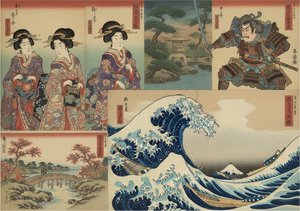
The Genesis of the Block: Understanding the Woodblock Printing Technique
To understand the woodblock print is to appreciate a profound dialogue between resistance and release. Unlike the fluid, spontaneous stroke of a brush on silk, the woodblock demands a disciplined negotiation with the grain of the wood itself. This medium, rooted in the ancient traditions of East Asia, relies on the relief printing method, where the artist carves away the negative space, leaving only the intended design raised upon the surface. It is a subtractive dance of precision; every incision made by the chisel is a permanent decision that shapes the final impression.
The soul of the print lies in the preparation of the matrix. Traditionally, cherry wood is favored for its density and fine grain, allowing for the incredibly delicate lines required to depict a single strand of hair or the subtle ripple of water. Once the design is transferred to the block, the carver meticulously removes the non-image areas, creating a topographical map of light and shadow. This physical depth ensures that when the paper meets the inked surface, the transfer is not merely a coating of pigment, but an intimate imprint of the wood's very essence.
Ultimately, this technique transforms a two-dimensional concept into a tactile reality. The tension held within the carved wood is released only when the pressure of the baren—a hand-held tool used to rub the paper against the block—brings the ink to life. It is a process that requires patience, a mastery of tools, and an intimate understanding of how organic materials respond to human touch.
Ukiyo-e and the Floating World: A Journey Through Japanese Art History
During the Edo period in Japan, a cultural phenomenon emerged that would forever alter the trajectory of global art: Ukiyo-e. Translating literally to "pictures of the floating world," this genre captured the ephemeral delights of urban life—the transient beauty of theater, the allure of the pleasure districts, and the seasonal shifts of the natural landscape. It was an art form born of a burgeoning merchant class, celebrating the hedonistic, fleeting moments that define human existence.
The concept of the "floating world" is deeply philosophical, rooted in Buddhist thought regarding the impermanence of all things. Yet, in the hands of Ukiyo-e masters, this transience was captured with a vibrant, almost defiant energy. The prints served as both news and high art, documenting the fashion, legends, and landscapes of a society in flux. Through these works, the mundane became monumental, and the everyday became eternal.
As these prints traveled across borders, they ignited the Japonisme movement in Europe, profoundly influencing Impressionist and Post-Impressionist masters. The bold outlines, asymmetrical compositions, and flat planes of color found in Ukiyo-e challenged Western notions of perspective, offering a new way to perceive space and light. To study Ukiyo-e is to witness the moment when the ephemeral was captured through the enduring strength of the woodblock.
Mastering the Layers: The Intricate Process of Carving and Inking
The true complexity of a multi-colored woodblock print lies in the concept of registration—the perfect alignment of multiple blocks. A single masterpiece is rarely the result of one block, but rather a symphony of many. Each color requires its own dedicated carving, a separate layer of the visual narrative. The artist must ensure that the kento, or registration marks, are carved with absolute precision into every block in the series to prevent any misalignment that would shatter the illusion of a seamless image.
The inking process is equally nuanced, involving a delicate balance of water-based pigments and rice paste. Unlike the heavy, oily textures of Western oil painting, woodblock inks possess a translucent, luminous quality. The printer applies the pigment to the block and uses a brush to spread it evenly, often blending colors directly on the wood to create bokashi—the soft, atmospheric gradients that suggest a setting sun or a misty morning. This technique allows for a depth of tone that feels as though it is emanating from within the paper itself.
Layering these colors requires an extraordinary level of foresight. The printer must work in a specific order, typically starting with the lighter tones and building toward the darker, more structural elements. Each pass of the paper over the inked block adds a new dimension to the composition, building a visual richness that is both structurally sound and aesthetically ethereal. It is a rhythmic, repetitive labor of love that demands total concentration.
Iconic Masters: Analyzing the Works of Kuniyoshi and Obata
Within the vast canon of printmaking, certain names resonate with a particular dramatic intensity. Utagawa Kuniyoshi stands as a titan of the Ukiyo-e tradition, particularly renowned for his dynamic compositions and mastery of the supernatural. His works often feature legendary warriors, mythical beasts, and hauntingly beautiful ghosts. In pieces such as his triptychs depicting samurai battles, one can sense the kinetic energy of the movement; the lines are sharp, the action is visceral, and the storytelling is deeply rooted in Japanese folklore.
Kuniyoshi’s ability to manipulate the medium to evoke terror and awe is unparalleled. He utilized the woodblock's capacity for bold, graphic shapes to create scenes that feel almost cinematic. His compositions often utilize a dramatic use of negative space, allowing the central figures to emerge from a void, heightening the sense of tension and drama. To view a Kuniyoshi print is to be transported into a realm where history and myth collide.
In a different vein, we find the exquisite delicacy of artists like Chiura Obata. While his work may lean toward a more modern sensibility, his "Untitled Print Sleeve" exemplifies the enduring power of the woodblock to convey serene beauty and intricate detail. His use of vibrant motifs, such as the peacock, demonstrates how the medium can be used to celebrate nature's splendor with a refined, almost poetic grace. Where Kuniyoshi offers drama, Obata offers a meditative stillness, proving that the woodblock is capable of expressing the full spectrum of human emotion.
Preserving the Impression: Modern Techniques in Reproducing Classic Prints
In our contemporary era, the challenge lies in how we honor and preserve these fragile historical treasures. The original woodblock prints, often printed on organic mulberry paper, are susceptible to light, humidity, and the passage of time. As collectors and enthusiasts, the quest for high-quality reproductions becomes a matter of both aesthetic appreciation and cultural stewardship. Modern technology has provided us with incredible tools to bridge the gap between the past and the present.
The rise of Giclée printing and advanced archival inks allows for the reproduction of the subtle color gradations and fine line work found in original Ukiyo-e prints with unprecedented accuracy. These modern methods ensure that the pigments remain vibrant for decades, resisting the fading that plagued earlier reproductions. Furthermore, the ability to print on acid-free, museum-grade papers ensures that the structural integrity of the image is maintained, providing a way for the public to experience these masterpieces without risking the originals.
However, true preservation also involves the art of the "re-imagining." At OriginalUniqueArt.com, we believe in the continuity of this artistic spirit. By employing skilled artists who understand the historical nuances of brushwork and color, we can create reproductions that do not merely copy a print, but capture its very soul. Whether through hand-painted oil interpretations or high-fidelity digital prints, the goal remains the same: to ensure that the beauty of the floating world continues to inspire generations to come.
The Collector's Eye: Evaluating Authenticity and Artistic Legacy
For the discerning collector, entering the world of woodblock prints requires a trained eye and a deep respect for provenance. Evaluating a print involves more than just admiring its beauty; it requires an investigation into the edition, the state of the block, and the quality of the printing. An early "state" of a print—produced when the woodblock was still sharp and crisp—is often far more valuable than later impressions made after the lines had begun to wear down.
Authenticity is found in the details: the way the ink sits on the paper, the presence of subtle registration marks, and the characteristic texture of the wood grain. A true masterwork will possess a certain "presence"—a tactile depth that mass-produced posters simply cannot replicate. Collectors must also consider the historical context, understanding how a particular artist's work fits into the broader narrative of their era and how it has influenced subsequent movements.
Ultimately, collecting art is an act of connection. It is about finding pieces that resonate with one's own aesthetic values and contributing to the ongoing legacy of human creativity. Whether you are drawn to the heroic battles of Kuniyoshi or the serene landscapes of the masters, each acquisition is a way of preserving a fragment of history, ensuring that the vibrant, floating world remains an indelible part of our collective cultural memory.