

 Preview
 Send
Send Share
Share
 Details
 Guide
Guide

 Download
 Similars
 X-Ray
X-Ray Diaporama
 Stats
StatsMarion Crossing the Peedee
 Oil On Canvas
- WallArt
- American Genre Painting
 1850
1850- 19th Century
 188.0 x 127.0 cm
 Amon Carter Museum of American Art
 Read More
Hand Made Oil Reproduction
Hand-painted oil on canvas in your size and frame, made to order by our artists. ( Switch to Print Switch to Digital Image)




P118B $10

P118H $10

P118W $10

P438Z $10

P508JH $12

P508YH $12

P805H $10

P805Z $10

P919BZ $10

P919G $10

P919XJ $10

P959ZH $10

P968JZ $12

W106C $8

W218G $10

W218JH $8

W218Y $10

W307PJ $10

W316G $10

W316PJ $8

W316Y $10

W398PJ $8

W4111J $10

W500HY $15

W500JH $15

W692G $12

W849H $8

W940BG $15

W953PJ $8




Pick from our preset sizes that match the artwork's original proportions.

Type the width and the height you need, to fit your frame or your wall. This is hand-painted, so for a size with a different shape the artist can paint a bit more around the picture, or cut a bit — you choose. We send you a digital mockup to approve before the painting starts. The picture shown on this page does not show the real result — only the mockup does.
After order, OriginalUniqueArt.com team will email client for instructions and provide a mockup preview
Worldwide Delivery () in 3/4 weeks instead of standard 5 weeks. (24 October). No compromise on quality.

Free Worldwide Express Shipping

High-Quality Linen Canvas

Full Shipping Insurance

Customs Tax Refund Guarantee

True Color Matching Guarantee

100-Day Return Policy (Defects Only)

100% Money-Back Guarantee

Bulk Discount Offer
 Glass option is only available in size under 110 CM

Marion Crossing the Peedee
Reproduction Medium
Reproduction Size
-


Total Price
$ 475
A Journey Through Time: The Spirit of the American Frontier
In the sweeping expanse of William Tylee Ranney’s Marion Crossing the Peedee, we are not merely observers of a landscape, but witnesses to a pivotal moment in the American narrative. Painted in 1850, this masterful oil on canvas captures a scene of profound movement and historical weight. The composition centers on a bustling river crossing, where figures, horses, and even a faithful dog navigate the unpredictable waters of the Peedee River. There is an undeniable sense of drama unfolding within the frame; the way the boat is laden with life suggests a community in transition, embodying the very essence of westward expansion and the rugged resilience required to tame a new frontier. For the collector, this piece offers more than just a visual feast; it provides a window into the soul of 19th-century America, evoking themes of exploration, interdependence, and the shared struggle of pioneer life.
The technical prowess displayed in this work is nothing short of extraordinary, making it a centerpiece worthy of any sophisticated interior. Ranney employs a traditional 19th-century realist style, utilizing layered oil techniques to build a world of immense depth and tactile reality. One can almost feel the rough texture of the riverbank’s bark and the heavy folds of the travelers' clothing through his deliberate, visible brushstrokes. The artist masterfully balances organic shapes with a dynamic use of diagonal lines—the angle of the boat and the curve of the shoreline guide the eye through the chaos of the crossing, creating a sense of rhythmic motion. This interplay of light and shadow, particularly under the diffused glow of an overcast sky, lends a cinematic quality to the scene, casting soft highlights on the water and deep, mysterious shadows within the dense foliage.
A Symphony of Earthy Tones and Atmospheric Depth
Color plays a vital role in establishing the emotional temperature of this masterpiece. Ranney avoids garish hues, opting instead for a sophisticated palette dominated by earthy browns, deep forest greens, and muted grays. These tones ground the painting in realism, suggesting the grit and dust of travel. However, these somber shades are punctuated by subtle glints of white and blue in the sky and water, providing much-needed breath and light to the composition. This careful color management creates an atmospheric perspective where distant elements soften into a hazy, ethereal background, pulling the viewer deeper into the vastness of the American landscape.
For interior designers and art enthusiasts alike, Marion Crossing the Peedee serves as a profound emotional anchor. The painting does not just depict a historical event; it evokes a feeling of uncertainty and courage. The dramatic sky, heavy with the promise of change, mirrors the internal state of those navigating the river—a metaphor for the unpredictability of life itself. Whether placed in a grand library, a traditional study, or as a conversation starter in a contemporary living space, this reproduction brings with it an aura of historical prestige and a timeless, adventurous spirit that continues to captivate the modern imagination.
Questions & Answers
Where can I find a guide to "Marion Crossing the Peedee"?
A Guide page is available for "Marion Crossing the Peedee" by William Tylee Ranney: a printable factsheet about the artwork, designed for students and classroom use.
Where is "Marion Crossing the Peedee" by William Tylee Ranney on display today?
You can see the original "Marion Crossing the Peedee" at the Amon Carter Museum of American Art, Fort Worth, United States of America.
What is a reproduction of "Marion Crossing the Peedee" by William Tylee Ranney recommended for?
The recommended use of a print of "Marion Crossing the Peedee" is focal.
Artist Biography
A Pioneer of American Genre: The Life and Art of William Tylee Ranney
William Tylee Ranney, born in Middletown, Connecticut, on May 9, 1813, occupies a pivotal yet often understated position in the narrative of 19th-century American art. He wasn’t a product of European academies or established artistic circles; instead, his journey was one of self-discovery and immersion in the burgeoning spirit of a nation rapidly expanding westward. His early life, marked by a move to Fayetteville, North Carolina, at age thirteen to live with an uncle, saw him apprenticed as a tinsmith – a practical trade that likely honed his observational skills and meticulous attention to detail, qualities that would later define his artistic style. This period of apprenticeship, though seemingly distant from the world of painting, instilled in Ranney a grounded sensibility and a keen eye for the textures and forms of everyday life. The call of artistry eventually proved too strong, leading him to Brooklyn in 1833 to pursue his passion, largely self-taught, yet driven by an innate talent and relentless dedication.From Texas Fields to Canvas: Shaping a Unique Artistic Vision
A defining chapter in Ranney’s life unfolded with his unexpected enlistment in the Texas Army in 1836, following the tragic fall of the Alamo. This wasn't merely a patriotic impulse; it was an immersion into a world vastly different from the quiet landscapes of Connecticut and North Carolina. For nine months, he experienced the raw realities of frontier life, serving under General Sam Houston and even reportedly guarding Santa Anna after the Battle of San Jacinto. These experiences were not simply biographical details but became the very bedrock of his artistic vision. Returning to Brooklyn in 1837, Ranney didn’t paint grand historical narratives of battles or heroes; instead, he focused on the lives of those who inhabited these spaces – the hunters, trappers, pioneers, and ordinary individuals forging a new existence on the American frontier. His early success with “A Courting Scene” at the National Academy of Design in 1838 signaled his arrival as a promising talent, but it was his ability to translate the visceral experiences of Texas into compelling visual stories that truly set him apart. He wasn’t simply *depicting* the West; he was conveying its atmosphere, its challenges, and its inherent drama with an authenticity rarely seen at the time.Master of Genre and Sporting Scenes: A Detailed World
Ranney's artistic style is characterized by a remarkable realism and attention to detail. He wasn’t interested in idealized representations or romanticized visions; he sought to capture life as it was, with all its complexities and nuances. His paintings are populated with figures rendered with sculptural solidity, their clothing and equipment meticulously researched and depicted. This dedication extended to the landscapes themselves, which were not merely backdrops but integral components of the narrative. “On the Wing,” perhaps his most celebrated work – existing in multiple versions – exemplifies this approach. The painting captures a fleeting moment of sporting success with an almost photographic clarity, showcasing Ranney’s mastery of light, texture, and composition. Similarly, works like "Prairie Burial" and "Scouting Party" are imbued with a sense of quiet drama and psychological depth, revealing the hardships and resilience of those who ventured into the unknown. Beyond Western scenes, Ranney also excelled in sporting art, particularly depictions of duck hunting and equestrian subjects, and historical genre paintings focusing on everyday life during the American Revolution.Legacy and Significance: A Voice of Pre-Civil War America
By the early 1850s, Ranney had established himself as a leading figure in American art, contributing regularly to exhibitions at the National Academy of Design and the American Art Union. His move to West Hoboken, New Jersey, in 1853 provided him with both a studio overlooking the Manhattan skyline and access to the natural landscapes that continued to inspire his work. He was considered the first major genre painter to truly establish himself in New Jersey, and his influence extended far beyond the state’s borders. Tragically, Ranney's career was cut short by illness; he died on November 18, 1857, likely from tuberculosis, at the age of forty-four. Despite his relatively brief life, his impact on American art is undeniable. He helped to popularize depictions of the American West and contributed significantly to the development of genre painting, focusing on the lives of ordinary people rather than grand historical events or aristocratic portraits. His contemporaries recognized his importance; one observer noted that “a specimen of Ranney is indispensable wherever a collection of American art exists.” Today, William Tylee Ranney stands as a vital link between the early traditions of American landscape and genre painting and the more complex artistic movements that would emerge in the aftermath of the Civil War. His work remains a powerful testament to the spirit of exploration, resilience, and the enduring beauty of everyday life in 19th-century America.Notable Works
- "On the Wing"
- "Prairie Burial"
- "Scouting Party"
- "Hunting Wild Horses"
- "Trapper's Last Shot"
- "The Match Boy"
- "Old Oaken Bucket"
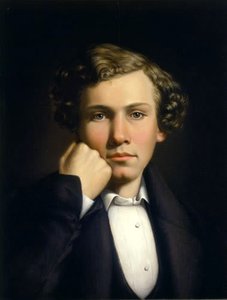
William Tylee Ranney
1813 - 1857 , United States of America
Quick Facts
- Full Name: William Tylee Ranney
- Nationality: American
- Date Of Birth: 1813
- Date Of Death: 1857
- Place Of Birth: Middletown, United States of America
- Notable Artworks:
- On the Wing
- Prairie Burial
- Scouting Party
- The Retrieve
- Marion Crossing the Peedee
- Artistic Movement Or Style: Genre painting, Romanticism
- Artists Or Movements Influenced By This Artist: American genre painters
Related Articles
Earthy Tones & Emotional Resonance: Exploring the Vibe of Grounded Artworks
Explore the emotional power of earthy tones in art history! Discover how artists use color to evoke feelings & create grounded spaces. Expert advice on selecting artwork for your home – plus custom reproductions at OriginalUniqueArt.
Sandstone & Sunlight: 10 Masterpieces of Earth-Toned Art |
Journey through 10 iconic paintings bathed in 'sand' tones – from Van Gogh to Monet. Explore the stories, techniques & warm palettes of these timeless masterpieces. Find museum-quality art reproductions at and bring classic beauty home.
Earthy Hues & Masterpieces: Top 10 Paintings with 'Mushroom' Tones |
Explore 10 iconic paintings with captivating 'mushroom' tones! Discover Van Gogh, Monet & Rembrandt’s masterpieces—earthy palettes, rich history & artistic techniques. Find museum-quality art reproductions and curated decor ideas at
19th Century Masterpieces: 10 Paintings That Defined an Era | OriginalUniqueArt
Journey through 19th century art with OriginalUniqueArt! Explore 10 iconic paintings – from Monet & Renoir to Courbet – and discover the stories behind Romanticism, Realism & Impressionism. Find museum-quality reproductions for your home decor. Explore the full collection online!
Earthy Hues & Masterpieces: Top 10 Paintings Dominated by Clay Tones |
Explore 10 iconic paintings dominated by rich clay tones – from Rembrandt's warmth to Van Gogh’s earthy landscapes. Discover art history, techniques & find museum-quality reproductions at . Explore the full collection online!


