- Home

- Oil Painting Reproduction
- William-Adolphe Bouguereau
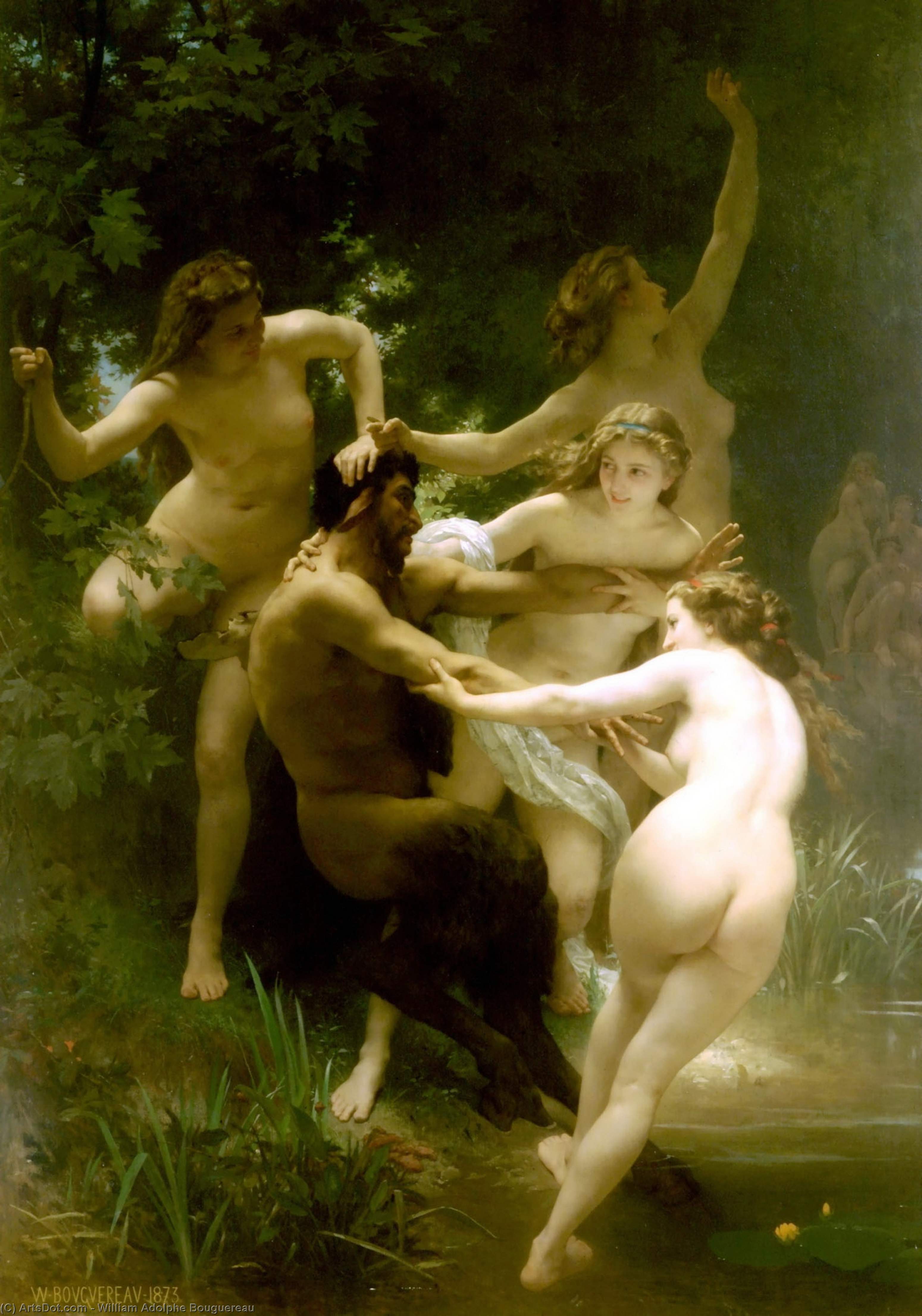
- Nymphes et satyre (also known as Nymphs and Saytr)
 Buy print
 Send
Send Share
Share
 Details

 Download
 Similars
 X-Ray
X-Ray Diaporama
Nymphes et satyre (also known as Nymphs and Saytr)


 Read More
Hand Made Oil Reproduction
Hand-painted oil on canvas in your size and frame, made to order by our artists.




P118B $10

P118H $10

P118W $10

P438Z $10

P508JH $12

P508YH $12

P805H $10

P805Z $10

P919BZ $10

P919G $10

P919XJ $10

P959ZH $10

P968JZ $12

W106C $8

W218G $10

W218JH $8

W218Y $10

W307PJ $10

W316G $10

W316PJ $8

W316Y $10

W398PJ $8

W4111J $10

W500HY $15

W500JH $15

W692G $12

W849H $8

W940BG $15

W953PJ $8




Pick from our preset sizes that match the artwork's original proportions.

You may enter your own dimensions to fit a specific frame or space. If your selected size does not match the original image's proportions, we will either crop the artwork or extend the painting with additional hand-painted elements. A digital mockup will be sent for your approval before production begins.
Please note that the on-screen preview does not reflect the actual cropping or extension. Only the mockup will accurately show the final composition.
While custom sizes are available, we recommend selecting a dimension from the predefined list to preserve the original proportions.
After order, OriginalUniqueArt.com team will email client for instructions and provide a mockup preview
Worldwide Delivery () in 3/4 weeks instead of standard 5 weeks. (16 July). No compromise on quality.

Free Worldwide Express Shipping

High-Quality Linen Canvas

Full Shipping Insurance

Customs Tax Refund Guarantee

True Color Matching Guarantee

60-Day Return Policy (Defects Only)

100% Money-Back Guarantee

Bulk Discount Offer
 Glass option is only available in size under 110 CM

Nymphes et satyre (also known as Nymphs and Saytr)
Reproduction Medium
Reproduction Size
-


Total Price
-
Artwork Description
Nymphs et Satyre: A Celebration of Classical Beauty
William-Adolphe Bouguereau’s “Nymphs et Satyre,” painted in 1873, is more than just a depiction of mythological figures; it's an embodiment of the artist’s unwavering dedication to classical ideals and his profound belief in the inherent beauty of the human form. This captivating scene unfolds within a lush, idealized forest setting, transporting the viewer to a realm where nature and mythology intertwine with remarkable grace. The painting immediately draws the eye to the group of women – nymphs – who occupy the central space, their postures ranging from relaxed repose to graceful interaction. Their presence evokes a sense of serenity and connection with the natural world, a theme deeply rooted in classical art and literature.
Style and Technique: Bouguereau’s Masterful Approach
- Realism Elevated: Bouguereau was renowned for his meticulous realism, but he didn't simply replicate reality. Instead, he meticulously sculpted light and shadow to enhance the beauty of his subjects, creating an almost ethereal quality.
- Color Palette: The artist’s masterful use of color is particularly striking – soft pinks, creams, and greens dominate, contributing to the painting’s luminous effect. These colors were carefully chosen to evoke a sense of tranquility and harmony.
- Detailed Rendering: Every detail, from the delicate folds of the nymphs' garments to the textures of the foliage, is rendered with astonishing precision. This level of detail was characteristic of Bouguereau’s approach, reflecting his commitment to capturing the essence of beauty in its most refined form.
Symbolism and Mythological Context
“Nymphs et Satyre” draws upon classical mythology, specifically referencing scenes from Ovid's *Metamorphoses*. The nymphs represent youthful goddesses associated with nature, fertility, and purity, while the satyrs – depicted in the background – embody wildness, sensuality, and earthly pleasures. This juxtaposition creates a dynamic tension within the composition, reflecting the complex interplay between order and chaos, civilization and instinct. Bouguereau’s interpretation leans heavily into the idealized representations of classical mythology, prioritizing beauty and harmony over narrative complexity.
Historical Significance and Emotional Impact
Painted in 1873, “Nymphs et Satyre” reflects the broader artistic trends of the late 19th century – a renewed interest in classical antiquity and a desire to create works that celebrated beauty and harmony. Bouguereau’s work was hugely influential, shaping the course of academic art for decades to come. The painting's enduring appeal lies not only in its technical brilliance but also in its ability to evoke a sense of wonder and tranquility. It invites viewers to contemplate the timeless themes of beauty, nature, and human connection, offering a moment of respite from the complexities of modern life. Its serene atmosphere and idealized figures continue to resonate with audiences today.
Artist Biography
A Life Immersed in Beauty: The World of William-Adolphe Bouguereau
Born in 1825, amidst the vineyards and olive groves of La Rochelle, France, William-Adolphe Bouguereau’s life was destined to be a celebration of classical ideals and breathtaking realism. From an early age, his artistic inclinations were nurtured, leading him to Paris and the prestigious École des Beaux-Arts. There, under the guidance of François-Edouard Picquenot, he honed his skills, absorbing the lessons of the Old Masters – Raphael and Titian foremost among them. These influences weren’t mere imitation; they became the bedrock upon which Bouguereau built a unique artistic vision, one characterized by meticulous detail, luminous color palettes, and an unwavering commitment to portraying beauty in its most idealized form. He wasn't simply painting what he *saw*, but rather what he believed to be inherently beautiful, striving for a perfection that resonated with the aesthetic sensibilities of his time.The Architect of Academic Perfection
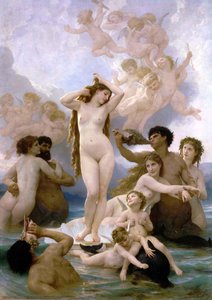
Bouguereau’s artistic style is often described as academic realism, and rightly so. He possessed an unparalleled mastery of anatomy, light, and composition. His canvases are populated by figures rendered with astonishing precision – the delicate curve of a shoulder, the subtle flush of skin, the expressive depth of an eye. But his work transcends mere technical skill; it’s infused with emotion and narrative power. He frequently depicted mythological scenes, transforming ancient tales into vibrant, emotionally resonant moments. *The Birth of Venus*, for example, isn't just a depiction of a goddess emerging from the sea; it’s a celebration of feminine grace and ethereal beauty. Similarly, works like *Zenobia Found by Shepherds on the Banks of the Araxes* capture vulnerability and pathos with remarkable sensitivity. Beyond mythology, Bouguereau found inspiration in everyday life – shepherdesses tending their flocks, young girls at play, mothers cradling their children. These genre scenes, while seemingly simple, are imbued with a sense of dignity and tenderness that elevates them to the realm of art. *Faneuse (1869)* exemplifies this approach, portraying a young woman in a tranquil landscape with an exquisite attention to detail and atmosphere. His dedication to capturing innocence is particularly evident in paintings like *Child at Bath*, where the delicate rendering of skin and light creates a truly captivating image.A Legacy Challenged and Rediscovered
During his lifetime, Bouguereau enjoyed immense popularity and critical acclaim. He was a favorite of the Salon, receiving numerous awards and commissions. His paintings were sought after by collectors and museums alike. However, with the advent of modernism in the early 20th century, his work fell out of favor. The abstract forms and radical experimentation of artists like Picasso and Matisse stood in stark contrast to Bouguereau’s traditional style, and he was often dismissed as a sentimental academician. For decades, his name languished in obscurity, overshadowed by the avant-garde movements that dominated the art world. Yet, the story doesn't end there. In recent years, there has been a significant revival of interest in Bouguereau’s work. Art historians and collectors have begun to recognize his technical brilliance and artistic integrity. His paintings are now celebrated for their beauty, skill, and emotional depth. This rediscovery is not merely a nostalgic yearning for the past; it's a recognition that Bouguereau was a master craftsman who deserves a place among the great artists of all time. His influence can be seen in contemporary figurative painting, where artists continue to draw inspiration from his mastery of form and light.Beyond the Canvas: Influence and Enduring Appeal
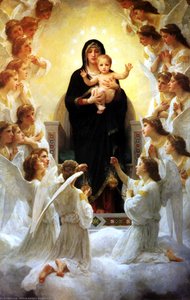
Bouguereau’s impact extended beyond his own paintings. He was a highly respected teacher, and his studio attracted students from around the world. He championed the cause of women artists, actively advocating for their admission to the Académie Julian at a time when opportunities for female painters were limited. Elizabeth Jane Gardner Bouguereau, his wife and fellow artist, stands as a testament to his support and belief in her talent. His dedication to traditional artistic values – meticulous draftsmanship, anatomical accuracy, and emotional expression – continues to inspire artists today. His works are now housed in prestigious museums worldwide, including the Musée d’Orsay in Paris, the Carnegie Museum, and The J. Paul Getty Museum, ensuring that his legacy will endure for generations to come. Song of the Angels (1881), with its ethereal beauty and serene composition, remains a particularly celebrated masterpiece, embodying the artist's ability to evoke a sense of wonder and spiritual transcendence. Bouguereau’s art is more than just beautiful images; it’s a testament to the power of skill, dedication, and an unwavering belief in the enduring appeal of classical ideals. He remains a pivotal figure in 19th-century French painting, representing the pinnacle of academic artistry and offering a timeless vision of beauty that continues to captivate audiences today.
William-Adolphe Bouguereau
1825 - 1905 , France
Quick Facts
- Artistic Movement Or Style: Academic Realism
- Artists Who Influenced This Artist:
- Raphael
- Titian
- Date Of Birth: 1825
- Date Of Death: 1905
- Full Name: William-Adolphe Bouguereau
- Nationality: French
- Notable Artworks:
- The Nymphaeum
- Bergère 1886
- Child at Bath
- Song of the Angels
- Birth of Venus
- Faneuse (1869)
- Place Of Birth: La Rochelle, France
Related Articles

Academic Classicism: A Revival of Form & Narrative in 19th-Century Art
Explore the revival of Academic Classicism in 19th-century art. Discover key artists like David & Duplessis, the influence of the French Académie, and its lasting legacy. Expert insights for collectors & enthusiasts.
Nicolas Poussin: Classicism, Allegory & Order in 17th-Century French Painting
Explore the life & work of Nicolas Poussin, a master of French Classicism. Discover his allegorical paintings, Roman influences, and enduring impact on art history. Expert analysis & insights.

Bridging Centuries: Digital Visualization & Classical Oil Painting Techniques in Contemporary Art Commissioning
Discover the art of commissioning bespoke oil paintings blending classical techniques with modern digital precision. Expert artists, personalized service & museum-quality results. Invest in a timeless masterpiece today.
Alte Pinakothek's Masterpieces: 25 Iconic Paintings for Art Lovers | OriginalUniqueArt
Journey through Alte Pinakothek's 25 most iconic paintings! Explore masterpieces by Dürer, Rembrandt & Rubens. Discover art history, techniques & find museum-quality reproductions for your home at OriginalUniqueArt.com.

Academic Art: Tradition, Technique & the Pursuit of Ideal Form in the 19th Century
Explore the world of Academic Art! Discover its history, key artists like Ingres & Bouguereau, defining techniques, and lasting influence on 19th-century painting. Learn about the Salon system and its legacy.