() ·

A painting made for you, by hand

Olive Trees

Hand Made Oil Reproduction

Hand-painted oil on canvas in your size and frame, made to order by our artists. ( Switch to Print Switch to Digital Image)

Collectible Description

Experience Van Gogh's 'Olive Trees,' a poignant exploration of nature and faith through vibrant colors and expressive brushstrokes. A masterpiece capturing Provence’s essence.

Artist Biography

Post-Impressionist master behind Starry Night. Discover his vibrant colors and emotional brushwork today.

from ·

Chapter 1

How large should it be?

Slide to change the size; the picture on the left shows the frame at its real width. The proportions of the original are kept.

Standard
custom
CM
INCH

Pick from our preset sizes that match the artwork's original proportions.

width
height

Type the width and the height you need, to fit your frame or your wall. This is hand-painted, so for a size with a different shape the artist can paint a bit more around the picture, or cut a bit — you choose. We send you a digital mockup to approve before the painting starts. The picture shown on this page does not show the real result — only the mockup does.

Chapter 2

How should it arrive?

Choose the edges of the stretched canvas

Choose your frame

Corner sample of the WhiteWrap canvas edge finish, stretched on solid wood bars
White $1
Corner sample of the BlurSideWrap canvas edge finish, stretched on solid wood bars
Blurside $1
Corner sample of the ExtendedWrap canvas edge finish, stretched on solid wood bars
Extended $1
Corner sample of the P118B picture frame: moulded polystyrene, 5 cm wide and 3 cm thick
P118B $10
Corner sample of the P118H picture frame: moulded polystyrene, 5 cm wide and 3 cm thick
P118H $10
Corner sample of the P118W picture frame: moulded polystyrene, 5 cm wide and 3 cm thick
P118W $10
Corner sample of the P438Z picture frame: moulded polystyrene, 5.5 cm wide and 3.5 cm thick
P438Z $10
Corner sample of the P508JH picture frame: moulded polystyrene, 7 cm wide and 3.5 cm thick
P508JH $12
Corner sample of the P508YH picture frame: moulded polystyrene, 7 cm wide and 3.5 cm thick
P508YH $12
Corner sample of the P805H picture frame: moulded polystyrene, 5 cm wide and 3.5 cm thick
P805H $10
Corner sample of the P805Z picture frame: moulded polystyrene, 5 cm wide and 3.5 cm thick
P805Z $10
Corner sample of the P919BZ picture frame: moulded polystyrene, 7 cm wide and 3.5 cm thick
P919BZ $10
Corner sample of the P919G picture frame: moulded polystyrene, 7 cm wide and 3.5 cm thick
P919G $10
Corner sample of the P919XJ picture frame: moulded polystyrene, 7 cm wide and 3.5 cm thick
P919XJ $10
Corner sample of the P959ZH picture frame: moulded polystyrene, 5 cm wide and 3 cm thick
P959ZH $10
Corner sample of the P968JZ picture frame: moulded polystyrene, 6 cm wide and 4 cm thick
P968JZ $12
Corner sample of the W106C picture frame: solid wood, 5 cm wide and 3 cm thick
W106C $8
Corner sample of the W218G picture frame: solid wood, 5 cm wide and 3 cm thick
W218G $10
Corner sample of the W218JH picture frame: solid wood, 5 cm wide and 3 cm thick
W218JH $8
Corner sample of the W218Y picture frame: solid wood, 5 cm wide and 3 cm thick
W218Y $10
Corner sample of the W307PJ picture frame: solid wood, 6 cm wide and 3 cm thick
W307PJ $10
Corner sample of the W316G picture frame: solid wood, 6 cm wide and 3 cm thick
W316G $10
Corner sample of the W316PJ picture frame: solid wood, 6 cm wide and 3 cm thick
W316PJ $8
Corner sample of the W316Y picture frame: solid wood, 6 cm wide and 3 cm thick
W316Y $10
Corner sample of the W398PJ picture frame: solid wood, 5 cm wide and 3 cm thick
W398PJ $8
Corner sample of the W4111J picture frame: solid wood, 6.5 cm wide and 3.5 cm thick
W4111J $10
Corner sample of the W500HY picture frame: solid wood, 7 cm wide and 5 cm thick
W500HY $15
Corner sample of the W500JH picture frame: solid wood, 7 cm wide and 5 cm thick
W500JH $15
Corner sample of the W692G picture frame: solid wood, 8 cm wide and 4 cm thick
W692G $12
Corner sample of the W849H picture frame: solid wood, 5 cm wide and 3 cm thick
W849H $8
Corner sample of the W940BG picture frame: solid wood, 7.5 cm wide and 4.5 cm thick
W940BG $15
Corner sample of the W953PJ picture frame: solid wood, 6 cm wide and 3.5 cm thick
W953PJ $8
Corner sample of the H24-GOLD picture frame: carved wood with gesso, 10 cm wide and 6 cm thick
H24-GOLD $30
Corner sample of the H24-SILVER picture frame: carved wood with gesso, 10 cm wide and 6 cm thick
H24-SILVER $30
Corner sample of the H36-GOLD picture frame: carved wood with gesso, 15 cm wide and 6.5 cm thick
H36-GOLD $45
Corner sample of the H36-SILVER picture frame: carved wood with gesso, 15 cm wide and 6.5 cm thick
H36-SILVER $45
Frame preview
Framed

Moulding: . Overall size with the frame: .

Chapter 3

Who paints it, and should anything change?

Examples of what can be changed: Replace face with customer photo; Add pet (e.g., replace cat with dog); Include hidden message in background; Change background landscape or elements.
After order, OriginalUniqueArt.com team will email client for instructions and provide a mockup preview

Worldwide Delivery () in 3/4 weeks instead of standard 5 weeks. (3 November). No compromise on quality.

Chapter 4

The finishing touches

A nameplate, as in a museum?

Engraved Bronze Plaque Details

This elegant plaque features the artist's name and the title of the artwork, finely engraved for a timeless presentation.

It is made from bronze with a refined, elegant finish. The text is precisely laser-engraved for a sharp and permanent result. Measuring 9x2 cm, the plaque is compact yet easy to read. It's built to be durable and scratch-resistant, offering a professional, museum-quality look. Mounting is simple thanks to the included adhesive backing.

Transparent Acrylic Plaque Details

The plaque includes essential engraved details such as the artist's name, the title of the artwork, the date it was created, the type of media used-like oil on canvas or watercolor-a brief description of the piece, and a QR code that links to the complete artwork information.

It is crafted from clear acrylic, offering a sleek, modern appearance. The text is UV-engraved in black to ensure strong visual contrast. With a size of 10x15 cm, it ensures optimal readability. It comes equipped with two metal hooks for secure wall mounting. The plaque is designed to be weather-resistant, making it suitable for various environments, and it includes interactive features that work seamlessly with smartphone scanning.

Black Acrylic Plaque Details

This elegant plaque includes engraved information such as the artist's name, the title of the artwork, the date it was created, the type of media used (like oil on canvas or watercolor), a short description of the artwork, and a QR code for quick access to more information.

The plaque itself is made from refined black acrylic with a premium finish. The text is laser-engraved in white for high contrast and readability. Its size is 10x15 cm, designed to be easy to read. It comes with two metal hooks for professional mounting. The design is sleek and fits any interior style. It is also weather-resistant and durable, with built-in digital integration for mobile compatibility.

A protective varnish?

When do you need it?

Chapter 5

Your painting, as you ordered it

Olive Trees

Reproduction Medium

Reproduction Size

-

Elite Senior Artist

More detail, finesse, and extra production time

-

Reproduction Frame

-

-

For artworks or reproductions larger than 105 cm (approximately 41 inches) on any side, the frame will be shipped as a kit, disassembled. This method ensures safe delivery and prevents damage during transport.

Professional assembly required - this is not a DIY product.
The kit must be assembled and the canvas stretched by an experienced professional framer, using wood glue (not supplied), a canvas stretching plier and clamps to hold the bars square while the glue dries. Incorrect assembly or uneven canvas tension can permanently damage the artwork and is not covered by our warranty.

  • All solid wood bars are included, precisely cut to size.

  • Assembled with the screws provided, plus wood glue for the corner joints, which is not supplied and must be sourced by your framer.

  • Professional tools are required and not included: a canvas stretching plier (tensioner) and clamps to hold the bars square while the glue dries.

Important:
The corner joints require wood glue, the bars must be held with clamps until the glue is fully dry, and tightening the canvas on the assembled frame requires a canvas stretching plier. None of these are included in the kit. Please arrange an experienced professional framer before ordering this size.

Nameplate

-

-

Protective Varnish

Glossy Varnish (enhances colors, protects against light/moisture)

-

Customize My Artwork

Examples of what can be changed: Replace face with customer photo; Add pet (e.g., replace cat with dog); Include hidden message in background; Change background landscape or elements.

-

Urgent

Worldwide Delivery () in 3/4 weeks instead of standard 5 weeks. (3 November). No compromise on quality.

-

Express Shipping

Worldwide Delivery () in 5 weeks. (10 November).

Included

Total Price

$ 300

Total Price $ 300

Glass option is only available in size under 110 CM

Included with every order

  • Free Worldwide Express Shipping
  • High-Quality Linen Canvas
  • Full Shipping Insurance
  • Customs Tax Refund Guarantee
  • True Color Matching Guarantee
  • 100-Day Return Policy (Defects Only)
  • 100% Money-Back Guarantee
  • Bulk Discount Offer

The Essence of Provence: Van Gogh's Olive Tree Series

Vincent van Gogh’s olive tree paintings, created during his time at the Saint-Rémy asylum in 1889, represent far more than simple depictions of a rural landscape. They are profound expressions of the artist’s inner world—a yearning for connection with nature, a meditation on life and death, and a poignant exploration of faith and spirituality. These works, painted amidst his struggles with mental illness, reveal an astonishing ability to transform personal turmoil into breathtaking beauty. The series, numbering at least fifteen canvases, captures the essence of Provence – its sun-drenched fields, rolling hills, and the iconic silhouette of the olive groves that define the region’s identity. Van Gogh wasn't merely observing; he was actively engaging with the subject, seeking to understand its symbolic weight and translate it onto canvas.

The paintings themselves are characterized by a distinctive style—a blend of Post-Impressionism and elements of Japanese woodblock prints (Ukiyo-e), particularly in their flattened perspectives and bold use of color. Van Gogh’s innovative technique involved raising the horizon line, creating an almost theatrical effect that draws the viewer into the scene. He employed a vibrant palette—deep greens, rich blues, and warm yellows—to capture the changing light and atmosphere of Provence throughout the day. The brushstrokes are energetic and expressive, conveying both the solidity of the trees and the fleeting quality of sunlight.

Symbolism Rooted in Faith and Mortality

For Van Gogh, the olive tree held a deeply personal significance, extending far beyond its aesthetic qualities. He viewed it as a symbol of life, the divine, and the cycle of existence—a potent metaphor for Christ’s suffering and resurrection at Gethsemane. The series created in May 1889, painted during his confinement, reflected this symbolic intent, representing life itself, while those from November 1889 were born out of his attempt to capture the emotional weight of Christ's sacrifice. The irregular shapes and varied colors of the olive trees mirrored the complexities of human experience—the beauty intertwined with sorrow, hope alongside despair.

Furthermore, Van Gogh’s fascination with the olive tree was deeply rooted in his religious beliefs. He saw parallels between the tree’s resilience – its ability to thrive even in harsh conditions – and the enduring nature of faith. The drooping branches could be interpreted as a representation of suffering, while the vibrant green leaves symbolized renewal and rebirth. The presence of figures within some of the paintings—often shepherds or laborers tending to the trees—added another layer of meaning, suggesting humanity’s connection to both the natural world and the divine.

Technique and Inspiration: Echoes of Hiroshige

Van Gogh's masterful use of oil on canvas allowed him to achieve remarkable textural depth and luminosity. He experimented with layering colors and applying thick impasto strokes, creating a tactile surface that invites close examination. A particularly striking element of his technique is the depiction of rain—rendered as dark, diagonal lines inspired by Japanese woodcuts, specifically those of Hiroshige. This deliberate influence demonstrates Van Gogh’s openness to diverse artistic traditions and his willingness to borrow techniques from other cultures to enhance his own vision.

The composition of these paintings is equally noteworthy. Van Gogh often employed a dynamic sense of perspective, using converging lines to draw the viewer's eye into the scene. He paid meticulous attention to detail, capturing the nuances of light and shadow on the leaves and branches. The interplay between color, texture, and form creates a powerful emotional impact—a feeling of both serenity and intensity.

A Legacy Preserved: Reproductions at OriginalUniqueArt.com

Today, Van Gogh’s olive tree paintings are among his most celebrated works, housed in prestigious museums worldwide, including the Museum of Modern Art in New York City. OriginalUniqueArt.com offers meticulously crafted oil painting reproductions that faithfully capture the essence and detail of these iconic masterpieces. Each reproduction is created by skilled artists who have dedicated themselves to replicating Van Gogh’s unique style and emotional intensity.

Whether you are an art enthusiast, a collector seeking to expand your collection, or simply someone drawn to the beauty and symbolism of Van Gogh's work, OriginalUniqueArt.com provides a remarkable opportunity to own a piece of this artistic history. Our reproductions not only serve as stunning decorative objects but also as reminders of Van Gogh’s profound connection with nature and his enduring legacy as one of art’s greatest masters. Explore our selection of Olive Trees and Olive Grove - Bright Blue Sky reproductions today.

Questions & Answers

What is "Olive Trees" made with?

The medium of "Olive Trees" by Vincent Willem Van Gogh is oil. Reproductions aim to render the appearance of this technique.

What other names is Vincent Willem Van Gogh known by?

Vincent Willem Van Gogh appears under the alternate names Van Gogh, Vincent Van Gogh.

Is "Olive Trees" by Vincent Willem Van Gogh in the public domain?

"Olive Trees" by Vincent Willem Van Gogh is in the public domain - its copyright has expired. This status governs how the image of the work may be reproduced.

More about this painting

Preview AR preview Switch to Print Switch to Digital Image Send
Details Guide Add to favorites Download Similars X-Ray Diaporama Q&A Stats

In numbers

  • 1889the year it was painted
  • 29frames to choose from
  • standard sizes, in its own proportions
  • 5weeks to paint and deliver it
Vincent Willem Van Gogh

Vincent Willem Van Gogh

1853 - 1890, Netherlands

Artist Biography

A Life Painted in Passion: Vincent van Gogh

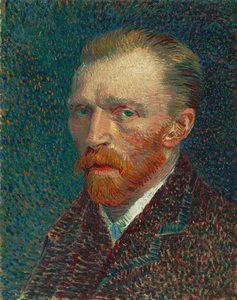
Vincent Willem van Gogh, a name synonymous with vibrant color and raw emotion, remains one of the most recognizable and beloved figures in art history. Born on March 30, 1853, in Zundert, Netherlands, his journey from a troubled young man seeking purpose to an artistic visionary is a poignant tale of dedication, struggle, and ultimately, enduring legacy. While he achieved little commercial success during his lifetime – selling only one painting, *The Red Vineyard*, before his death – Van Gogh’s impact on modern art is immeasurable, paving the way for Expressionism and influencing countless artists who followed. His story isn't just about brushstrokes and canvases; it's a testament to the power of human expression in the face of adversity.

Early Years and Artistic Awakening

Van Gogh’s early life was marked by a series of unfulfilled aspirations. He tried his hand at various professions – an art dealer, a teacher, and even a missionary – before finally dedicating himself to painting at the relatively late age of 27. These earlier experiences profoundly shaped his worldview and found their way into his art. His initial works, depicting scenes of peasant life in rural Belgium, reflect a deep empathy for the working class and a somber palette reflecting their hardships. Influenced by artists like Jean-François Millet, Van Gogh sought to capture the dignity and resilience of these individuals through stark realism. However, it was his move to Paris in 1886 that proved transformative. There, he encountered Impressionism and Post-Impressionism, absorbing the techniques of masters like Monet, Renoir, and Pissarro. This exposure broadened his artistic horizons, leading him to experiment with brighter colors and looser brushwork, though retaining a distinct emotional intensity absent in many of his contemporaries. His brother Theo, an art dealer, played a crucial role during this period, providing financial support and acting as a vital link to the Parisian art world. Their extensive correspondence offers invaluable insights into Van Gogh’s artistic development and personal struggles.

The Southern Light and Explosive Creativity

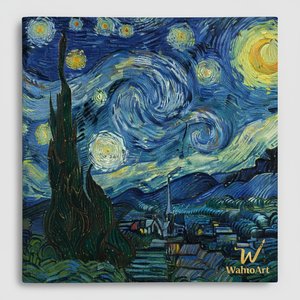
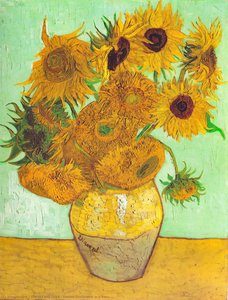
Seeking a more vibrant landscape and a sense of renewal, Van Gogh relocated to Arles in southern France in 1888. This move marked a period of intense creative output, characterized by an explosion of color and a distinctive impasto technique – applying paint thickly onto the canvas, creating a textured surface that seems to pulsate with energy. It was here that he produced some of his most iconic works: *Sunflowers*, *The Night Cafe*, and *Starry Night*. The intense sunlight of Provence seemed to ignite his imagination, leading him to depict landscapes and still lifes with an unprecedented vibrancy. His desire for artistic collaboration led him to invite Paul Gauguin to join him in Arles, hoping to establish a utopian artists' colony. However, their relationship proved volatile, culminating in a dramatic confrontation that resulted in Van Gogh mutilating his own ear. This event underscored the fragility of his mental state and marked the beginning of a period of institutionalization and increasing psychological distress.

Later Years and Enduring Legacy

Following his breakdown, Van Gogh voluntarily entered an asylum at Saint-Rémy, where he continued to paint prolifically, capturing the surrounding landscapes with both beauty and turmoil. Works like *The Starry Night*, painted during this time, are imbued with a sense of cosmic wonder and profound emotional depth. He later moved to Auvers-sur-Oise under the care of Dr. Paul Gachet, but his struggles persisted. On July 29, 1890, at the age of 37, Van Gogh tragically died from a self-inflicted gunshot wound. Despite achieving little recognition during his lifetime, his work began to gain posthumous acclaim thanks largely to the tireless efforts of his sister-in-law, Johanna van Gogh-Bonger, who inherited his estate and dedicated herself to promoting his art. Today, Van Gogh’s paintings are celebrated worldwide for their emotional intensity, innovative techniques, and enduring beauty. His legacy extends far beyond the canvas; he has become a symbol of artistic passion, perseverance in the face of adversity, and the power of art to express the deepest human emotions.

Key Influences and Artistic Development

  • Early Realism: Jean-François Millet’s depictions of peasant life influenced Van Gogh's early works.
  • Impressionism & Post-Impressionism: Exposure to Monet, Renoir, Pissarro and others in Paris broadened his palette and technique.
  • Japanese Prints: Van Gogh was deeply influenced by Japanese woodblock prints, which he collected avidly. Their bold compositions and flat planes of color impacted his own style.
    • Emotional Expression: Above all, Van Gogh sought to convey emotion through his art, prioritizing subjective experience over objective representation. This focus on emotional intensity became a defining characteristic of his work and paved the way for Expressionism.

Quick Facts

  • Movement: Post-Impressionism
  • Notable elements: Raised horizon, brushstrokes
  • Location: MoMA, New York City
  • Artist: Vincent van Gogh
  • Subject or theme: Nature, cycle of life
  • Medium: Oil on canvas

Art Quiz

There is only one correct answer for each question.

Question 1:
What is the primary subject of Vincent van Gogh’s ‘Olive Trees’?
Question 2:
In what year were the ‘Olive Trees’ paintings created?
Question 3:
Which artistic movement is ‘Olive Trees’ most closely associated with?
Question 4:
What inspired Van Gogh's use of diagonal lines to depict rain in the ‘Olive Trees’?
Question 5:
Where is one of the ‘Olive Trees’ paintings currently housed?