Preview
 Send
Send Share
Share
 Details
 Guide
Guide

 Download
 Similars
 X-Ray
X-Ray Diaporama
 Q&A
Q&A Stats
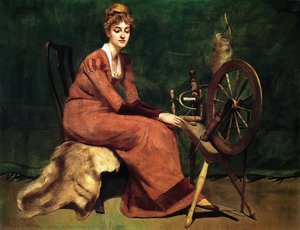
StatsStanding Figure with Outstretched Arm


 Read More
Giclée / Art Print
Museum-quality giclée or canvas print with fast production and flexible finish options. ( Buy Hand Made Painting Switch to Digital Image)




P118B $10

P118H $10

P118W $10

P438Z $10

P508JH $12

P508YH $12

P805H $10

P805Z $10

P919BZ $10

P919G $10

P919XJ $10

P959ZH $10

P968JZ $12

W106C $8

W218G $10

W218JH $8

W218Y $10

W307PJ $10

W316G $10

W316PJ $8

W316Y $10

W398PJ $8

W4111J $10

W500HY $15

W500JH $15

W692G $12

W849H $8

W940BG $15

W953PJ $8




Pick from our preset sizes that match the artwork's original proportions.

Type the width and the height you need, to fit your frame or your wall. A print can only be cut, never made bigger than the picture, so a size with a different shape loses a part of the image. We send you a digital mockup to approve before we print anything. The picture shown on this page does not show the real cut — only the mockup does.
Worldwide Delivery () in 2 weeks instead of standard 4/5 weeks. (7 November)

Free Worldwide Express Shipping

High-Quality Linen Canvas

Full Shipping Insurance

Customs Tax Refund Guarantee

True Color Matching Guarantee

100-Day Return Policy (Defects Only)

100% Money-Back Guarantee

Bulk Discount Offer
 Glass option is only available in size under 110 CM

Standing Figure with Outstretched Arm
Giclée / Art Print
Reproduction Size
-


Total Price
$ 81
Standing Figure with Outstretched Arm - A Study in Quiet Elegance
Thomas Wilmer Dewing’s “Standing Figure with Outstretched Arm” embodies the spirit of American Aestheticism—a movement that championed beauty, imagination, and refined sensibilities. Painted around 1909, this pastel on toned paper captures a woman draped in white linen, her posture conveying both serenity and subtle yearning. The artist meticulously rendered the figure’s form using tonalist techniques, prioritizing atmospheric light and subdued color palettes to evoke an emotional resonance far surpassing mere representation.The Artist's Vision: Dewing and Tonalism
Thomas Wilmer Dewing (1851-1938) emerged as a pivotal voice in the burgeoning American art scene during the late nineteenth century. Influenced by Impressionist ideals yet firmly rooted in English Romantic tradition, Dewing developed his distinctive tonalist style—characterized by hazy backgrounds and muted hues—to depict idealized subjects with profound psychological depth. He sought to capture not just outward appearance but also inner emotion, mirroring a broader cultural preoccupation with introspection and spiritual contemplation. His meticulous attention to detail and masterful manipulation of light solidified his reputation as one of the foremost portraitists of his era.Composition and Technique: Embracing Atmospheric Illusion
Dewing’s compositional choices are deliberately understated. The woman occupies the central space of the canvas, positioned in profile—a pose favored by Dewing—suggesting a contemplative gaze directed off to the left. Her body is rendered with delicate gradations of color, creating an illusion of volume and texture that subtly emphasizes her form without resorting to harsh outlines. The pastel medium itself lends itself beautifully to capturing ethereal effects, allowing for nuanced tonal variations that imbue the image with a palpable sense of atmosphere. Notably, Dewing’s use of muted sepia tones contributes to the painting's timeless quality, transporting viewers back to an era defined by refined taste and artistic idealism.Symbolism: Beyond Mere Appearance
The outstretched arm—a gesture simultaneously vulnerable and assertive—holds significant symbolic weight. It speaks to a desire for connection, perhaps representing longing or reaching out towards something unseen. Coupled with the woman’s serene expression and draped attire, the image evokes themes of grace, purity, and inner peace – values central to Aesthetic ideals. The pale luminescence surrounding her figure reinforces this impression, suggesting an otherworldly beauty that transcends the physical realm. Dewing skillfully conveys these concepts through visual cues alone, elevating the portrait beyond a simple likeness into a meditation on human emotion and spiritual aspiration.Legacy and Influence: An Impressionist Echo
“Standing Figure with Outstretched Arm” stands as a testament to Dewing’s mastery of tonalist painting and his unwavering commitment to capturing the essence of his subjects. Its quiet elegance and evocative atmosphere continue to inspire artists and collectors alike, demonstrating the enduring power of Impressionistic principles applied to portraiture. The painting resides at Huntington Museum of Art (Accession Number: 1967.1.170), where it remains a treasured exemplar of American artistic heritage—a poignant reminder of a bygone era’s pursuit of beauty and contemplative reflection.Questions & Answers
What space is suggested for "Standing Figure with Outstretched Arm" by Thomas Wilmer Dewing?
The recommended space for "Standing Figure with Outstretched Arm" by Thomas Wilmer Dewing is a living room. The suggestion can of course be adapted to your interior.
What color intensity does "Standing Figure with Outstretched Arm" by Thomas Wilmer Dewing have?
The color intensity of "Standing Figure with Outstretched Arm" is balanced. Intensity describes how strong the colors appear.
Is there a guide for "Standing Figure with Outstretched Arm" by Thomas Wilmer Dewing?
A Guide page is available for "Standing Figure with Outstretched Arm" by Thomas Wilmer Dewing: a printable factsheet about the artwork, designed for students and classroom use.
Artist Biography
**early life and training**
thomas wilmer dewing, an american painter, was born on may 4, 1851, in boston, massachusetts. his artistic journey began with a lithographic apprenticeship, which later led him to the prestigious académie julian in paris, where he studied under gustave boulanger and jules lefebvre starting from 1887.**artistic style and notable works**
dewing's artistic style is characterized by his tonalist paintings, a genre deeply rooted in english aestheticism. his preferred subjects were aristocratic women, often depicted in moody, dreamlike surroundings, playing instruments or engaging in introspective activities. * **woman in black: portrait of maria oakey dewing** (1887), a poignant oil on panel, showcases his wife, an accomplished painter with extensive formal art training. * **lady in gold** (1912), now at the brooklyn museum, exemplifies his mastery of capturing the essence of his subjects.**teaching and associations**
dewing was a founding member of the ten american painters in 1898 and taught at the art students league of new york. his association with the society of landscape painters, founded in 1899, further solidified his position within the tonalist movement.**legacy and collections**
* the freer gallery of art at the smithsonian institution has a dedicated room for dewing's works. * notable collectors include john gellatly and charles lang freer.- view thomas wilmer dewing's collection on OriginalUniqueArt
- more on thomas dewing at wikipedia
- explore the freer gallery of art at the smithsonian institution for more tonalist masterpieces.
**later life and death**
dewing's artistic output declined after 1920. he passed away in new york on november 5, 1938, leaving behind a legacy of captivating, ethereal portraits that continue to intrigue art enthusiasts. **key works and collections available for reproduction at OriginalUniqueArt:** * the white dress * woman in black: portrait of maria oakey dewing * lady in gold discover the world's most famous paintings with OriginalUniqueArt's extensive collection
Thomas Wilmer Dewing
1851 - 1938 , United States of America
Quick Facts
- Artistic Movement Or Style: Tonalism
- Artists Who Influenced This Artist:
- Gustave Boulanger
- Jules Lefebvre
- Full Name: Thomas Wilmer Dewing
- Nationality: American
- Notable Artworks:
- Woman in Black: Portrait of Maria Oakey Dewing
- Lady in Gold
- The White Dress
- Spring
- In the Garden
- Place Of Birth: Boston, United States of America
- Date Of Birth: 1851
- Date Of Death: 1938
Related Articles

The Subtleties of Pastel: A Comprehensive Exploration of Technique, History & Emotional Resonance
Explore the captivating world of pastel art! Discover its rich history, Impressionistic masters like Degas, emotional power & unique techniques. Find museum-quality reproductions at OriginalUniqueArt.

Grant Wood & American Regionalism: Identity, Myth & the Rural Landscape
Explore the world of Grant Wood & American Regionalism with OriginalUniqueArt. Discover the symbolism behind 'American Gothic', recurring themes, and the movement's lasting impact on art history. High-quality reproductions available.

American Regionalism: A Crucible of Identity – Exploring Themes of Place, Labor & Social Commentary
Explore American Regionalism's powerful depiction of the American heartland during the Great Depression. Discover Grant Wood, Thomas Hart Benton & more. Expert analysis & high-quality art reproductions at OriginalUniqueArt.

Thomas Wilmer Dewing: Atmospheric Landscapes & the American Tonalist Vision
Explore the captivating world of Thomas Wilmer Dewing, a leading figure in American Tonalism. Discover his evocative paintings, artistic influences, and legacy with OriginalUniqueArt.

American Realism's Defining Works: 10 Masterpieces for Your Home
Explore 10 defining American Realism masterpieces – Hopper, Homer & more. Discover the stories behind these iconic paintings and bring timeless art to your home with OriginalUniqueArt's museum-quality reproductions. Explore the full collection online.