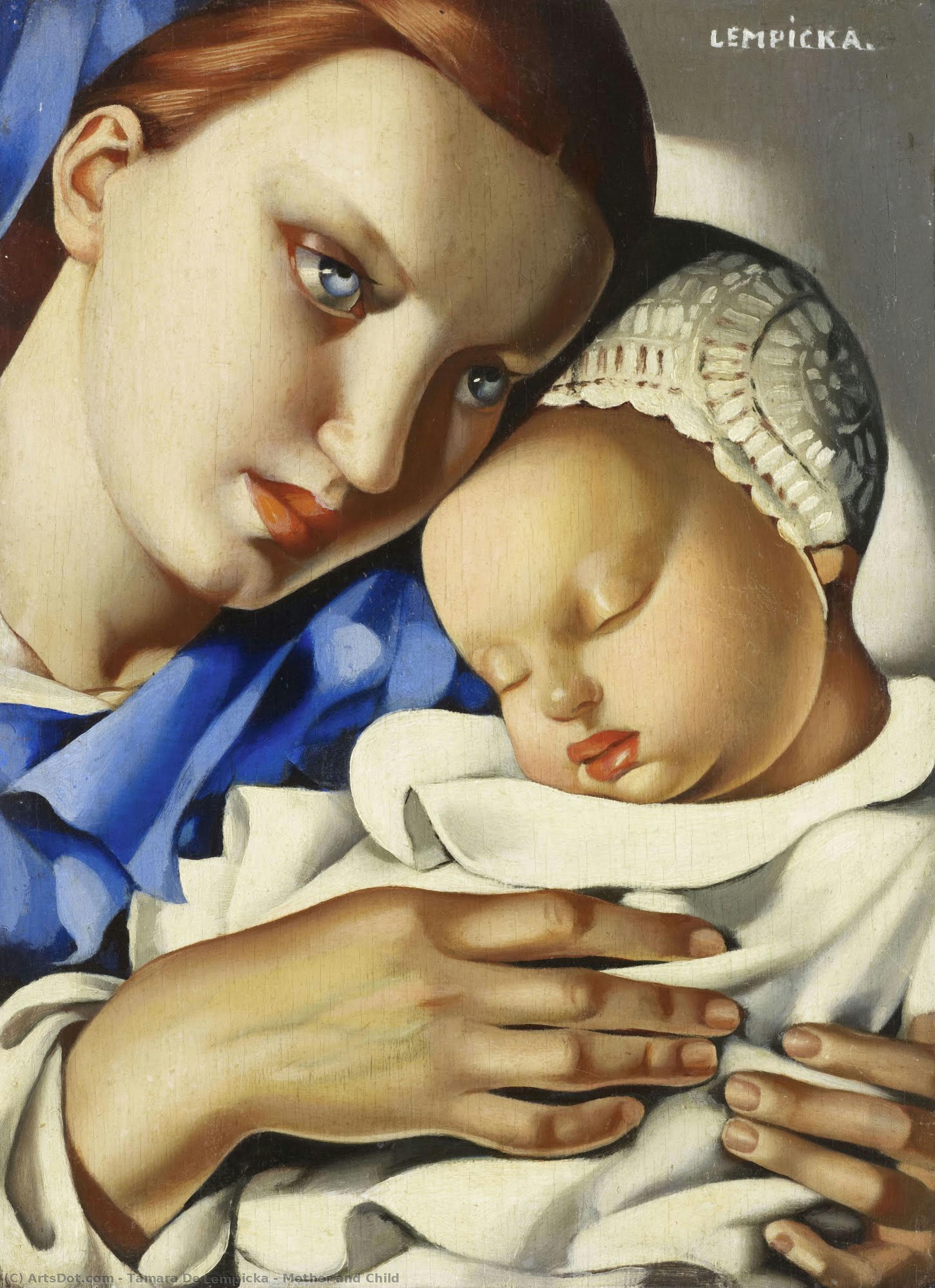
Mother and Child
Oil On Canvas
WallArt
Cubist Abstract
33.0 x 24.0 cm
Grand Palais
Hand Made Oil Reproduction
Hand-painted oil on canvas in your size and frame, made to order by our artists. ( Buy Print
Buy Image)
P118B $10
P118H $10
P118W $10
P438Z $10
P508JH $12
P508YH $12
P805H $10
P805Z $10
P919BZ $10
P919G $10
P919XJ $10
P959ZH $10
P968JZ $12
W106C $8
W218G $10
W218JH $8
W218Y $10
W307PJ $10
W316G $10
W316PJ $8
W316Y $10
W398PJ $8
W4111J $10
W500HY $15
W500JH $15
W692G $12
W849H $8
W940BG $15
W953PJ $8
Pick from our preset sizes that match the artwork's original proportions.
You may enter your own dimensions to fit a specific frame or space. If your selected size does not match the original image's proportions, we will either crop the artwork or extend the painting with additional hand-painted elements. A digital mockup will be sent for your approval before production begins.

Please note that the on-screen preview does not reflect the actual cropping or extension. Only the mockup will accurately show the final composition.
While custom sizes are available, we recommend selecting a dimension from the predefined list to preserve the original proportions.
After order, OriginalUniqueArt.com team will email client for instructions and provide a mockup preview
Worldwide Delivery () in 3/4 weeks instead of standard 5 weeks. (12 August). No compromise on quality.
Free Worldwide Express Shipping
High-Quality Linen Canvas
Full Shipping Insurance
Customs Tax Refund Guarantee
True Color Matching Guarantee
60-Day Return Policy (Defects Only)
100% Money-Back Guarantee
Bulk Discount Offer
Mother and Child
Reproduction Medium
Reproduction Size
-
Total Price
$ 300
Artwork Description
A Portrait of Intimate Strength: Deconstructing Tamara de Lempicka's 'Mother and Child'
Tamara de Lempicka’s “Mother and Child,” painted in 1953, is more than just a depiction of familial love; it’s a carefully constructed tableau of aristocratic poise, quiet resilience, and the enduring power of maternal connection. Born Maria Teresa Górska in Warsaw in 1898, de Lempicka’s life was one of dramatic shifts – from a privileged Polish upbringing to a whirlwind romance with Tadeusz Łempicki, a tumultuous period during the Russian Revolution, and ultimately, a successful career as a celebrated Art Deco painter. This particular work, created later in her life, offers a poignant glimpse into her artistic evolution and her deeply personal understanding of motherhood.
The painting immediately draws the eye to the central figures: a woman, presumably Tamara herself, cradling a small child within her arms. The composition is strikingly formal, reminiscent of classical portraiture yet imbued with the sharp angles and geometric precision characteristic of de Lempicka’s signature style. She eschews loose brushstrokes or expressive gestures in favor of clean lines, precise modeling, and a deliberate flattening of perspective – techniques borrowed from Cubism but filtered through her own unique vision. The palette is restrained: muted browns, creams, and ochres dominate, creating a sense of understated elegance and timelessness. This careful control over color and form reflects de Lempicka’s meticulous approach to art, mirroring the precision she applied to her portraits.
Art Deco Elegance and Polish Roots
“Mother and Child” is firmly rooted in the Art Deco movement, a style that flourished in the 1920s and 30s, characterized by its geometric forms, luxurious materials, and celebration of modernity. De Lempicka embraced this aesthetic wholeheartedly, incorporating it into her portraits of wealthy patrons – industrialists, financiers, and socialites – who sought to project an image of sophistication and success. However, the painting also subtly hints at de Lempicka’s Polish heritage. The woman's posture, the rich fabrics of her clothing, and the overall sense of dignified reserve evoke a distinctly Eastern European sensibility—a quiet strength born from a history shaped by both privilege and upheaval.
The historical context is crucial to understanding the painting’s deeper meaning. De Lempicka had experienced significant personal turmoil – a divorce, the loss of her husband, and the challenges posed by World War II. “Mother and Child” can be interpreted as a reflection on these experiences, a yearning for stability and connection amidst a world in constant flux. The act of cradling the child represents not just maternal love but also a desire to nurture and protect—a powerful antidote to the anxieties and uncertainties of her life.
Symbolism of Protection and Legacy
The pose itself is laden with symbolism. The woman’s hand gently supporting the child conveys a sense of protection, security, and unwavering devotion. Her gaze is direct and confident, suggesting an inner strength that transcends mere motherhood. The child, nestled securely in her arms, embodies the future—a continuation of lineage, a promise of hope. It's not a sentimental depiction of blissful domesticity; rather, it’s a portrait of resilience and quiet determination.
Furthermore, the painting subtly references the concept of legacy. De Lempicka herself was a prolific artist who left behind a significant body of work—a testament to her enduring talent and artistic vision. “Mother and Child” can be seen as an extension of this legacy, a visual representation of the values she held dear: family, beauty, and the pursuit of excellence. It’s a poignant reminder that even in moments of personal struggle, the bonds of love and the desire to create something lasting can provide solace and purpose.
A Timeless Masterpiece for the Home
Reproductions of “Mother and Child” offer a beautiful addition to any interior space. The painting’s elegant composition and restrained palette complement a wide range of design styles, from classic to contemporary. Its powerful symbolism resonates with viewers on an emotional level, evoking feelings of warmth, security, and enduring love. Whether displayed in a formal living room or a more relaxed setting, this timeless masterpiece will undoubtedly serve as a focal point—a reminder of the beauty and strength found within the bonds of family.
Artist Biography
A Polish Aristocrat of Art Deco
Tamara de Lempicka, born Maria Teresa Górska in 1898 Warsaw, was a figure as captivating and complex as the portraits she immortalized. Her life story reads like a novel—a whirlwind of aristocratic upbringing, revolutionary upheaval, artistic awakening, and enduring glamour. Born into a wealthy Polish-Jewish family, her early years were steeped in European culture, marked by travels to spas and exposure to a sophisticated social milieu. This privileged background instilled within her an appreciation for beauty and elegance that would profoundly shape her aesthetic vision. However, the idyllic world of her youth was shattered by the Russian Revolution. Fleeing political turmoil with her husband, Tadeusz Łempicki, she embarked on a new chapter in Paris, a city poised to become the epicenter of artistic innovation. It was here, amidst the burgeoning Art Deco movement, that Tamara truly found her voice.
Forging a Unique Aesthetic
Lempicka’s artistic journey wasn't born from formal academic training but rather from passionate self-discovery and mentorship. She studied briefly with Maurice Denis and André Lhote, absorbing their techniques while simultaneously forging her own distinctive style. The influence of Jean-Dominique Ingres is palpable in her neoclassical precision and emphasis on form, yet she deftly integrated the fragmented perspectives and geometric abstraction of Cubism—a daring fusion that defined her signature aesthetic. Her paintings are characterized by polished surfaces, sleek lines, and a deliberate stylization of figures, all hallmarks of Art Deco’s embrace of modernity and luxury. She didn't merely paint portraits; she constructed icons. Her subjects – often members of the aristocracy or wealthy elite – were depicted with an air of cool sophistication, embodying the liberated spirit of the Jazz Age. Self-Portrait in the Green Bugatti, perhaps her most iconic work, exemplifies this perfectly—a striking image of self-assured independence and automotive speed, capturing a moment of modern life with unparalleled elegance.
Triumph and Recognition
The 1925 Exposition Internationale des Arts Décoratifs et Industriels Modernes in Paris proved to be a pivotal moment for Lempicka. Her participation helped propel Art Deco into the mainstream, solidifying her reputation as a leading artist of the era. This success was further cemented in 1927 when she won first prize at the Bordeaux Exposition for Kizette on the Balcony, a portrait that perfectly encapsulates her signature style—a blend of classical composure and modern sensuality. Throughout the late 1920s and 1930s, Lempicka became highly sought after by wealthy patrons eager to commission portraits that would immortalize their status and allure. Works like Portrait of Marjorie Ferry demonstrate her ability to capture not just a likeness but also the inner essence of her subjects—their ambition, confidence, and refined taste. Beyond portraiture, she explored mythological themes, as seen in Adam and Eve, showcasing her versatility and intellectual curiosity.
Legacy and Rediscovery
The outbreak of World War II forced Lempicka to relocate to the United States in 1939, where she continued to paint but found herself somewhat out of step with the evolving artistic landscape. Her style, so closely associated with the glamour of pre-war Europe, felt less relevant in a world grappling with conflict and uncertainty. However, her work experienced a remarkable resurgence in popularity during the Art Deco revival of the 1960s and 70s. A new generation discovered her paintings, captivated by their timeless elegance and bold aesthetic vision. Tamara de Lempicka died in Mexico City in 1980, choosing to have her ashes scattered over the Popocatépetl volcano—a final act of defiance and independence befitting a woman who lived life on her own terms. Today, she is celebrated as one of the most important figures in Art Deco art, an artist whose paintings continue to inspire awe and admiration for their beauty, sophistication, and embodiment of a bygone era. Her legacy extends beyond aesthetics; she remains an iconic figure representing female empowerment and artistic innovation within a historically male-dominated field.
Notable Works
- Self-Portrait in the Green Bugatti: A defining image of Art Deco, showcasing independence and modernity.
- Portrait of Marjorie Ferry: An exquisite example of her portraiture skills, capturing elegance and enigma.
- Adam and Eve: Demonstrating her exploration of mythological themes with a distinctive style.
- The Two Friends: Reflecting her early Cubist influences and experimentation.
- Printemps: A vibrant depiction of spring, showcasing her mastery of color and form.
- Spring: Another beautiful example of Lempicka's ability to capture the essence of a season with grace and style.
Tamara de Lempicka
1898 - 1980 , Poland
Quick Facts
- Artistic Movement Or Style: Art Deco, Cubism
- Artists Or Movements Influenced By This Artist: ['Art Deco movement']
- Artists Who Influenced This Artist: ['Jean-Dominique Ingres']
- Date Of Birth: May 16, 1898
- Date Of Death: March 18, 1980
- Full Name: Tamara de Lempicka
- Nationality: Polish
- Notable Artworks:
- Self-Portrait in the Green Bugatti
- Portrait of Marjorie Ferry
- Adam and Eve
- The Two Friends
- Printemps
- Spring
- Place Of Birth: Warsaw, Poland

Glass option is only available in size under 110 CM