

 Preview
 Send
Send Share
Share
 Details
 Guide
Guide

 Download
 Similars
 X-Ray
X-Ray Diaporama
 Q&A
Q&A Stats
StatsPrison
 Oil On Canvas
- WallArt
- Contemporary Realism
 1982
1982- Contemporary
 71.0 x 60.0 cm
 Contemporary Art Platform
 Read More
The artwork displayed on this page is protected by copyright law, which means we cannot legally create or sell an identical reproduction. This protection is enforced under international agreements such as the Berne Convention and by national laws, including those outlined by the U.S. Copyright Law - Title 17.
This method fully complies with copyright regulations because it does not involve copying or duplicating the protected artwork. Instead, it is a creative reinterpretation - a new painting that is influenced by the original but not identical to it.
Giclée / Art Print
Museum-quality giclée or canvas print with fast production and flexible finish options. ( Buy Hand Made Painting Switch to Digital Image)




P118B $10

P118H $10

P118W $10

P438Z $10

P508JH $12

P508YH $12

P805H $10

P805Z $10

P919BZ $10

P919G $10

P919XJ $10

P959ZH $10

P968JZ $12

W106C $8

W218G $10

W218JH $8

W218Y $10

W307PJ $10

W316G $10

W316PJ $8

W316Y $10

W398PJ $8

W4111J $10

W500HY $15

W500JH $15

W692G $12

W849H $8

W940BG $15

W953PJ $8




Pick from our preset sizes that match the artwork's original proportions.

Type the width and the height you need, to fit your frame or your wall. A print can only be cut, never made bigger than the picture, so a size with a different shape loses a part of the image. We send you a digital mockup to approve before we print anything. The picture shown on this page does not show the real cut — only the mockup does.
Worldwide Delivery () in 2 weeks instead of standard 4/5 weeks. (29 October)

Free Worldwide Express Shipping

High-Quality Linen Canvas

Full Shipping Insurance

Customs Tax Refund Guarantee

True Color Matching Guarantee

100-Day Return Policy (Defects Only)

100% Money-Back Guarantee

Bulk Discount Offer
 Glass option is only available in size under 110 CM

Prison
Giclée / Art Print
Reproduction Size
-


Total Price
$ 81
The Weight of Silence: An Encounter with Suleiman Mansour’s Prison
In the somber, monochromatic expanse of "Prison," created in 1982, the viewer is immediately confronted by a profound sense of stillness and confinement. The artist, Suleiman Mansour, masterfully employs a limited palette of blacks, whites, and varying shades of gray to construct a world that feels both physically claustrophobic and emotionally heavy. This is not merely a depiction of a physical cell, but a haunting meditation on the loss of identity and the crushing weight of systemic oppression. The composition is anchored by five figures arranged in a stark, linear formation, their backs turned toward the observer. By obscuring their faces with cloth, Mansour strips them of their individuality, transforming them into symbols of a collective, anonymous struggle. This deliberate choice forces the eye to focus on the rhythm of their forms and the rigid architecture that surrounds them, creating an atmosphere where every shadow feels thick with unspoken history.
The technical execution of this oil on canvas piece reveals a sophisticated command over texture and light. While the overall mood is bleak, there is a subtle, tactile richness found in the way Mansour renders the different surfaces. The soft, heavy drapes of the cloths covering the figures' heads contrast sharply with the cold, unyielding verticality of the walls. These strong architectural lines act as a visual cage, reinforcing the theme of entrapment. Through delicate variations in tone and masterful shading, the artist suggests a diffused, even light that offers no warmth or escape, contributing to the painting’s characteristic sense of flatness and inescapable reality. The brushwork, though controlled, retains an expressive quality that breathes life into the inanimate stone, making the very walls feel as though they are pressing inward upon the subjects.
A Legacy of Resilience and Sumud
To understand "Prison," one must look toward the heart of Mansour’s artistic mission: the concept of sumud, or steadfastness. Born in Birzeit, Palestine, Mansour has spent his career acting as a visual chronicler of his people's endurance. In this particular work, the symbolism of the covered heads and the uniform movement of the figures speaks directly to the suppression of the Palestinian identity under occupation. The painting captures a moment of shared fate, where the individual is subsumed by a larger, more painful narrative of resistance and survival. For the collector or the lover of fine art, this piece offers much more than aesthetic value; it serves as a powerful historical document that captures the emotional landscape of a nation's struggle.
For interior designers and curators seeking to introduce a piece with profound intellectual and emotional depth, "Prison" stands as a monumental choice. Its monochromatic elegance allows it to integrate seamlessly into modern, minimalist, or contemporary settings, where its starkness can serve as a focal point of contemplation. As a high-quality reproduction, this artwork brings the gravity of Mansour’s vision into any space, inviting viewers to reflect on themes of justice, memory, and the indomitable human spirit that persists even in the darkest of enclosures.
Questions & Answers
Do the colors of "Prison" appear strong or soft?
The colors in "Prison" by Suleiman Mansour have a monochromatic intensity.
How can I get a digital file of "Prison" by Suleiman Mansour?
To get a digital file of "Prison" by Suleiman Mansour, order a high-resolution digital image download on its Digital Image page.
What technique was used for "Prison" by Suleiman Mansour?
The medium of "Prison" by Suleiman Mansour is oil on canvas. Reproductions aim to render the appearance of this technique.
Artist Biography
Suleiman Mansour: A Chronicle of Resilience and Palestinian Identity
Born in 1947 in Birzeit, Palestine – a year before the devastating Nakba – Suleiman Mansour’s life has been inextricably linked to the ongoing narrative of his homeland. More than just an artist, he is a cultural chronicler, a visual storyteller deeply rooted in the concept of “sumud” – Arabic for steadfastness or resilience – which permeates every aspect of his work. His paintings and sculptures aren't merely depictions of landscapes; they are profound meditations on survival, memory, and the enduring spirit of the Palestinian people.
Mansour’s early artistic education at the Bezalel Academy of Arts and Design in Jerusalem initially steered him towards a realist style, a deliberate rejection of the prevailing abstract expressionism. He sought to capture the tangible realities of daily life within Palestine – the faces of its inhabitants, the textures of its environment, and the echoes of its history. This commitment to portraying authentic experience would become a defining characteristic of his oeuvre. However, it was his experiences during the First Intifada in 1987 that truly ignited his artistic purpose. Witnessing the struggles and resistance firsthand fueled a desire to use art as a tool for cultural preservation and political commentary.
The Birth of “New Visions” and the Politics of Materials
In 1987, Mansour co-founded the influential collective “New Visions,” alongside artists like Vera Tamari, Tayseer Barakat, and Nabil Anani. This group represented a radical shift in Palestinian art, moving away from traditional gallery spaces and embracing a deeply political stance. Recognizing the limitations imposed by Israeli occupation – particularly the reliance on imported art supplies – they devised a brilliant strategy: to create their own materials using resources found within Palestine itself. Mud became a central element of their work, drawing inspiration from Mansour’s childhood memories of his grandmother crafting beehives and ovens with this humble yet versatile substance.
This deliberate choice of material was profoundly symbolic. The cracks and imperfections inherent in mud mirrored the fissures of Palestinian society, the scars of displacement, and the fragility of existence under occupation. It represented a rejection of external influences and an assertion of self-sufficiency – a powerful visual statement against the imposed limitations of the conflict. As Mansour himself eloquently stated, “After a while, once I started making figures, I realized that the mud also reflects the human fate with the cracks, people waiting to disappear, fall down and go away.”
Landscapes of Loss and Remembrance
Mansour’s most iconic works often depict destroyed Palestinian villages – Yibna, Yalo, Imwas, and Bayt Dajan – rendered in a hauntingly beautiful series created in 1988. These paintings are not celebratory monuments; rather, they serve as poignant memorials to lost communities and the displacement inflicted by conflict. The stark landscapes, often dominated by barren earth and crumbling ruins, evoke a sense of profound loss and enduring sorrow. Yet, within these scenes of devastation, there’s also an undeniable strength – a testament to the spirit of those who remain and their determination to preserve their heritage.
Beyond these monumental works, Mansour's paintings frequently feature women in traditional Palestinian clothing, capturing the dignity and resilience of Palestinian femininity. He also masterfully portrays the Levantine landscape—olive groves, terraced hillsides, and ancient trees—creating a visual tapestry that celebrates the beauty and enduring connection to the land. His work is deeply informed by his cultural heritage and reflects the complexities of life in Palestine.
Legacy and Recognition
Suleiman Mansour’s impact extends far beyond the canvas. He has been a dedicated educator, teaching at numerous institutions including Al-Quds University, shaping generations of Palestinian artists. He served as the head of the League of Palestinian Artists from 1986 to 1990 and played a crucial role in establishing an infrastructure for fine arts within Palestine. His contributions were recognized internationally, with exhibitions held at prestigious venues like the Tel Aviv Museum of Art.
His work has been documented extensively, including co-authoring “Both Sides of Peace: Israeli and Palestinian Political Poster Art,” showcasing his engagement with political discourse through art. Mansour’s legacy is one of unwavering commitment to documenting the Palestinian experience, using his artistic voice to bear witness to a complex and often painful history. He remains an active artist today, continuing to explore themes of sumud and cultural identity.
Further Exploration
- Key Works: “Destroyed Palestinian Villages” series, “Jamal Al Mahamel III (The Camel/Carrier of Hardships)”
- Notable Collective: New Visions
- Themes: Sumud, Resilience, Displacement, Cultural Heritage, Palestinian Identity
To delve deeper into Suleiman Mansour’s work and artistic journey, explore the resources available on OriginalUniqueArt.com: Jamal Al Mahamel III and Suleiman Mansour’s Artist Page.

Suleiman Mansour
1947 - , Palestine
Quick Facts
- Full Name: Suleiman Mansour
- Nationality: Palestinian
- Date Of Birth: 1947
- Place Of Birth: Birzeit, Palestine
- Notable Artworks:
- Destroyed villages (1988)
- Traditional clothing
- Both Sides Peace
- Artistic Movement Or Style: Realism, Sumud art
Related Articles

Dark Masterpieces: 10 Iconic Paintings Dominated by Black Tones |
Explore 10 iconic paintings dominated by black tones, from Rembrandt’s chiaroscuro to Goya's dark expressions. Discover the stories behind these masterpieces & find museum-quality art reproductions for your home at .

Monochrome Visions: Exploring the Aesthetic & Historical Significance of Black & White Photography
Explore the rich history & artistic power of black and white photography. From early techniques to iconic masters like Ansel Adams, discover why monochrome continues to captivate art lovers today. Expert insights for collectors.
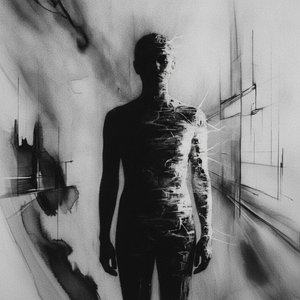
Shadow & Soul: Why Black & White Photography Remains the Ultimate Power Move in Modern Art
Discover why black & white photography remains a powerful force in contemporary art. Explore the impact of light, shadow, and texture through a visual journey of monochrome mastery and learn how to elevate your space with timeless grayscale aesthetics.

White on Canvas: 10 Masterpieces & Timeless Elegance for Your Home Decor
Explore 10 iconic white paintings by Monet, Whistler & Rothko! Discover the stories behind these serene masterpieces and their impact on art history. Find museum-quality reproductions for your home decor at .

The Art of Monochrome: Transforming Personal Memories into Timeless Black & White Fine Art Masterpieces
Elevate your most cherished memories with OriginalUniqueArt’s bespoke service. We transform your personal photos into breathtaking, hand-painted black & white oil masterpieces. Experience museum-quality craftsmanship and timeless elegance for your private collection. Discover the art of legacy.


