Preview
 Send
Send Share
Share
 Details
 Guide
Guide

 Download
 Similars
 X-Ray
X-Ray Diaporama
 Stats
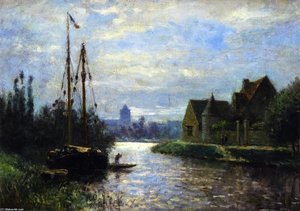
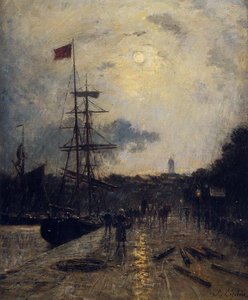
StatsLE PORT DE CAEN

 Read More
Giclée / Art Print
Museum-quality giclée or canvas print with fast production and flexible finish options. ( Buy Hand Made Painting Switch to Digital Image)




P118B $10

P118H $10

P118W $10

P438Z $10

P508JH $12

P508YH $12

P805H $10

P805Z $10

P919BZ $10

P919G $10

P919XJ $10

P959ZH $10

P968JZ $12

W106C $8

W218G $10

W218JH $8

W218Y $10

W307PJ $10

W316G $10

W316PJ $8

W316Y $10

W398PJ $8

W4111J $10

W500HY $15

W500JH $15

W692G $12

W849H $8

W940BG $15

W953PJ $8




Pick from our preset sizes that match the artwork's original proportions.

You may enter your own dimensions to fit a specific frame or space. If your selected size does not match the original image's proportions, we will either crop the artwork or extend the image with a mirrored or solid-fill edge. A digital mockup will be sent for your approval before production begins.
Please note that the on-screen preview does not reflect the actual cropping or extension. Only the mockup will accurately show the final composition.
While custom sizes are available, we recommend selecting a dimension from the predefined list to preserve the original proportions.
Worldwide Delivery () in 2 weeks instead of standard 4/5 weeks. (11 October)

Free Worldwide Express Shipping

High-Quality Linen Canvas

Full Shipping Insurance

Customs Tax Refund Guarantee

True Color Matching Guarantee

100-Day Return Policy (Defects Only)

100% Money-Back Guarantee

Bulk Discount Offer
 Glass option is only available in size under 110 CM

LE PORT DE CAEN
Giclée / Art Print
Reproduction Size
-


Total Price
$ 81
Artist Biography
A Quiet Observer of the Seine: The Life and Art of Stanislas Lépine
Stanislas Victor Edouard Lépine, born in Caen, France, in 1835, occupies a fascinating, often understated position within the narrative of 19th-century French painting. While not typically categorized among the core Impressionists, his work served as a crucial bridge between the established traditions of the Barbizon school and the burgeoning innovations that would define modern art. Lépine’s artistic journey was one of quiet dedication, marked by a profound sensitivity to light, atmosphere, and the subtle beauty of the French countryside and urban landscapes—particularly those along the Seine River which became his enduring muse. His early aptitude for art led him toward formal training, but it was an encounter with Camille Corot in Normandy in 1859 that proved truly pivotal. The following year, Lépine formally entered Corot’s studio, initiating a mentorship that profoundly shaped his artistic vision and technique. This relationship instilled within him a deep appreciation for plein air painting—working directly from nature—and a commitment to capturing the fleeting effects of light and atmosphere.The Painterly Embrace of Light and Atmosphere
Lépine’s paintings are immediately recognizable for their placid mood, delicate luminosity, and often intimate scale. He specialized in landscapes, but his subject matter extended beyond purely rural scenes to encompass the evolving urban environment of Paris. River views dominated his oeuvre; the Seine, with its bustling activity, shimmering reflections, and ever-changing light, provided an inexhaustible source of inspiration. Parisian cityscapes and quieter rural settings also found their place on his canvases, all rendered with a loose, atmospheric brushwork that prioritized capturing the *impression* of a scene rather than meticulous detail. He wasn’t interested in grand narratives or dramatic compositions; instead, Lépine sought to convey a sense of tranquility and realism, inviting viewers into moments of quiet contemplation. His palette tended towards muted tones, skillfully employed to evoke the subtle nuances of light and shadow, creating an atmosphere that is both serene and deeply evocative. This dedication to capturing atmospheric effects aligns him with the Impressionists, yet his approach remained distinctly his own—more restrained and less focused on the radical experimentation with color and form that characterized many of his contemporaries.A Peripheral Figure in a Revolutionary Movement
In 1874, Lépine participated in the first Impressionist exhibition held at Nadar’s studio, aligning himself briefly with a group of artists who were challenging the conventions of the art world. However, his artistic temperament and stylistic preferences ultimately positioned him somewhat apart from the core tenets of Impressionism. While he embraced plein air painting and shared an interest in capturing fleeting moments, his work lacked the bold experimentation and subjective intensity that defined artists like Monet or Renoir. He remained more grounded in traditional techniques and a more naturalistic approach to representation. This distinction led many critics and historians to view him as a precursor to Impressionism—a transitional figure who helped pave the way for the movement’s emergence, rather than an active participant within it. Nevertheless, his presence at that inaugural exhibition signaled a willingness to engage with new ideas and challenge established norms, solidifying his place in the broader context of 19th-century artistic innovation. He served as a vital link between the Barbizon school's emphasis on direct observation and the Impressionists’ pursuit of capturing subjective experience.Recognition and Legacy
Throughout his career, Stanislas Lépine exhibited regularly at the Salon and other prestigious venues, gradually earning critical acclaim for his sensitive depictions of the French countryside and urban life. His work resonated with audiences who appreciated its quiet beauty and understated elegance. A significant moment of recognition came in 1889 when he was awarded a gold medal at the Exposition Universelle for his painting *Pont de l'Estacade*. This prestigious award affirmed his standing within the artistic community and brought wider attention to his work. Today, Lépine’s paintings are held in numerous public and private collections worldwide, testament to their enduring appeal and historical significance. While often overshadowed by more celebrated contemporaries, he is increasingly recognized as a master of atmospheric landscape painting—an artist who captured the essence of 19th-century France with remarkable sensitivity and skill. His serene and contemplative scenes offer a valuable glimpse into a bygone era, reminding us of the beauty to be found in the everyday moments of life. He died suddenly in Paris on September 28, 1892, leaving behind a legacy of quiet observation and artistic refinement.Themes and Recurring Motifs
- The Seine River: The dominant theme throughout Lépine’s career, representing not just a geographical location but also a symbol of French life and the passage of time.
- Parisian Cityscapes: Depictions of Parisian streets, bridges, and buildings, capturing the evolving urban landscape of the 19th century.
- Rural Scenes: Paintings of farmyards, fields, and villages, showcasing the tranquility and simplicity of rural life in Normandy and beyond.
- Plein Air Painting: A defining characteristic of his technique, emphasizing direct observation of nature and capturing fleeting atmospheric effects.
- Moonlight Views: Lépine was particularly adept at rendering the subtle nuances of moonlight, creating evocative and ethereal scenes.

Stanislas Lépine
1835 - 1892 , France
Quick Facts
- Full Name: Stanislas Victor Edouard Lépine
- Nationality: French
- Date Of Birth: 1835
- Date Of Death: 1892
- Place Of Birth: Caen, France
- Notable Artworks:
- Le Port de Caen
- Pont de la Tournelle
- Farmyard in Normandy
- Pont de l'Estacade
- Artistic Movement Or Style: Precursor to Impressionism
- Artists Who Influenced This Artist: ['Camille Corot']
- Artists Or Movements Influenced By This Artist: ['Impressionism']
Related Articles
Charles Le Brun: Master of French Baroque Classicism & His Enduring Legacy
Explore the life & art of Charles Le Brun, master of French Baroque Classicism. Discover his royal commissions, influence on Versailles, and enduring legacy through detailed analysis & stunning artworks.

Maurice Quentin de La Tour: Light, Shadow & the Rococo Portrait
Explore the captivating world of Maurice Quentin de La Tour, a master of Rococo portraiture. Discover his innovative pastel techniques, intimate depictions of French aristocracy, and lasting artistic legacy. Learn more at OriginalUniqueArt.

Goya's Masterpieces: Explore 25 Iconic Paintings & Art Prints | OriginalUniqueArt
Delve into the world of Francisco Goya with OriginalUniqueArt. Explore 25 iconic paintings – from 'The Third of May' to his haunting Black Paintings. Discover the stories, techniques & emotions behind these Spanish masterpieces. Find museum-quality art reproductions for your home at OriginalUniqueArt.com!

About Us
Discover our story! We bring world-class art into your life through expert curation, personalized creations, and free previews. Trusted by individuals and businesses since 2000.
Pierre Puvis de Chavannes: Symbolism, Mural Painting, and the Pursuit of Ideal Beauty
Explore the life & work of Pierre Puvis de Chavannes, a pivotal Symbolist painter renowned for his monumental murals. Discover his aesthetic principles, key artworks like 'Hope,' and lasting influence on modern art. A deep dive into 19th-century French painting.