Preview
 Send
Send Share
Share
 Details
 Guide
Guide

 Download
 Similars
 X-Ray
X-Ray Diaporama
 Stats
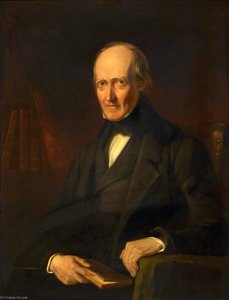
StatsFrederick William Robert Stewart (1805–1872), Viscount Castlereagh, Later 4th Marquess of Londonderry, Wearing Hunting Costume
 Oil
Oil- WallArt
 1823
1823- 19th Century
 91.0 x 72.0 cm
 National Trust
 Read More
Giclée / Art Print
Museum-quality giclée or canvas print with fast production and flexible finish options. ( Buy Hand Made Painting Switch to Digital Image)




P118B $10

P118H $10

P118W $10

P438Z $10

P508JH $12

P508YH $12

P805H $10

P805Z $10

P919BZ $10

P919G $10

P919XJ $10

P959ZH $10

P968JZ $12

W106C $8

W218G $10

W218JH $8

W218Y $10

W307PJ $10

W316G $10

W316PJ $8

W316Y $10

W398PJ $8

W4111J $10

W500HY $15

W500JH $15

W692G $12

W849H $8

W940BG $15

W953PJ $8




Pick from our preset sizes that match the artwork's original proportions.

You may enter your own dimensions to fit a specific frame or space. If your selected size does not match the original image's proportions, we will either crop the artwork or extend the image with a mirrored or solid-fill edge. A digital mockup will be sent for your approval before production begins.
Please note that the on-screen preview does not reflect the actual cropping or extension. Only the mockup will accurately show the final composition.
While custom sizes are available, we recommend selecting a dimension from the predefined list to preserve the original proportions.
Worldwide Delivery () in 2 weeks instead of standard 4/5 weeks. (25 September)

Free Worldwide Express Shipping

High-Quality Linen Canvas

Full Shipping Insurance

Customs Tax Refund Guarantee

True Color Matching Guarantee

100-Day Return Policy (Defects Only)

100% Money-Back Guarantee

Bulk Discount Offer
 Glass option is only available in size under 110 CM

Frederick William Robert Stewart (1805–1872), Viscount Castlereagh, Later 4th Marquess of Londonderry, Wearing Hunting Costume
Giclée / Art Print
Reproduction Size
-


Total Price
$ 81
A Vision of Aristocratic Grandeur
In this evocative masterpiece from 1823, Sir William Allan captures more than just a likeness; he preserves a moment of profound social identity and rugged elegance. The portrait depicts Frederick William Robert Stewart, the Viscount Castlereagh and later 4th Marquess of Londonderry, poised within the untamed beauty of the Scottish landscape. Clad in a striking red hunting jacket that commands the viewer's immediate attention, the subject stands as a symbol of landed nobility, his presence anchored by the weight of tradition and the thrill of the chase. The composition is masterfully balanced, placing the man at the heart of a sweeping hillside scene where the elements of nature—the distant horse, the soaring birds, and the soft, atmospheric light—all converge to celebrate a lifestyle of prestige and outdoor prowess.
The artistry of Sir William Allan shines through in his ability to blend meticulous realism with a romanticized sense of drama. His technique, deeply influenced by the legendary Sir Henry Raeburn, utilizes a sophisticated interplay of light and shadow to bestow a three-dimensional vitality upon the Marquess. One can almost feel the texture of the heavy hunting cloth and the cold, crisp air of the highlands. The subtle inclusion of details, such as the sword at his side and the distant movement in the sky, adds layers of narrative depth, suggesting a life lived with both martial readiness and an appreciation for the pastoral splendor of the British Isles. For the discerning collector, this work offers a window into the 19th-century romantic spirit, where the boundaries between man and nature were bridged by the shared pursuit of the hunt.
Timeless Elegance for the Modern Interior
Beyond its historical significance, this painting serves as a breathtaking focal point for any sophisticated interior. The rich, warm tones of the scarlet jacket paired with the earthy, verdant hues of the landscape create a palette that is both commanding and harmonious. For interior designers, this piece offers an unparalleled opportunity to introduce a sense of heritage and "Old World" charm into contemporary spaces. Whether placed in a stately library, a formal dining room, or a curated gallery wall, the artwork evokes a feeling of permanence and cultured taste.
Owning a high-quality reproduction of this work allows for the infusion of historical narrative into a modern home. It is not merely a decoration but a conversation piece that invites contemplation on the legacies of the past. The emotional impact of Allan’s brushwork—the way it captures the quiet tension of the hunt and the serene majesty of the hills—provides an atmosphere of contemplative luxury. For those seeking to inspire guests and enrich their personal environment, this portrait stands as a testament to the enduring power of classical portraiture and the timeless allure of the aristocratic tradition.
Artist Biography
Sir William Allan: Bridging Scotland and Russia Through the Brush
Sir William Allan (1782-1850) stands as a pivotal figure in 19th-century Scottish art, a master of historical painting who skillfully blended meticulous realism with an evocative sense of drama. Born into a prominent merchant family in Edinburgh, his artistic journey was largely self-directed, nurtured by early exposure to the burgeoning art scene and later guided by the mentorship of Sir Henry Raeburn, a leading figure of the Scottish Enlightenment. Allan’s work transcends mere portraiture; it's a vibrant tapestry woven with threads of Scottish culture, Russian intrigue, and the romantic spirit of his era. His legacy extends far beyond individual paintings, shaping the identity of the National Gallery of Scotland and influencing generations of artists who followed.
Allan’s formative years were steeped in the traditions of Edinburgh's artistic circles. While formal training was limited, he absorbed influences from John Graham at the Trustees’ Academy, alongside the techniques of David Wilkie and Alexander George Fraser. This early exposure instilled a deep appreciation for detail and composition – hallmarks that would define his distinctive style. Crucially, Raeburn recognized Allan’s talent and offered guidance, fostering an understanding of capturing not just likeness but also character and emotion. This connection to the Scottish Enlightenment profoundly shaped Allan's artistic vision, emphasizing observation, intellectual curiosity, and a desire to represent the world with accuracy and nuance.
A Journey East: Capturing Russian Life
A defining moment in Allan’s career was his decision to travel to Russia in 1805. Driven by a fascination with Eastern cultures and a desire for artistic inspiration, he embarked on an extended sojourn that would profoundly impact his work. Allan immersed himself in the daily life of Cossacks, Circassians, and Tartars, meticulously documenting their customs, clothing, and social interactions. He wasn’t merely sketching; he was actively engaging with these communities, earning their trust and gaining access to scenes rarely seen by Western artists. This immersive experience resulted in a series of paintings that offered unprecedented insights into Russian society – a subject largely unexplored by European art at the time.
His most celebrated works from this period include “The Circassian Captives,” a poignant depiction of a group of women awaiting their fate, and “Russian Peasants Keeping Their Holiday,” which captures the vibrant energy of a rural celebration. These paintings are notable not only for their technical skill but also for their empathetic portrayal of marginalized communities. Allan’s approach was revolutionary; he sought to represent these cultures with respect and understanding, moving beyond stereotypical depictions often found in earlier works.
Notable Works & Artistic Style
Allan's artistic style is characterized by a remarkable blend of realism and romanticism. He possessed an exceptional ability to render textures – from the rough wool of Cossack clothing to the shimmering surface of Circassian jewelry – with astonishing detail. His compositions are often dynamic, employing dramatic lighting and carefully arranged figures to create a sense of movement and narrative. Color plays a crucial role in his work, used not merely for decorative effect but to convey mood and atmosphere.
Key works such as “Portrait of John Renny” exemplify his skill in capturing the likeness and personality of his subjects. The self-portrait, painted later in life, reveals a contemplative gaze and a subtle awareness of his own aging. “The Ballad of Old Robin Gray,” a haunting depiction of an elderly man recalling his past, showcases Allan’s ability to evoke emotion through gesture and expression. These paintings, alongside others housed at the Scottish National Gallery, demonstrate a remarkable evolution in his artistic style – from the early influences of John Opie to a more mature and nuanced approach.
Legacy & Influence
Sir William Allan's impact on Scottish art extends far beyond his individual achievements. He played a vital role in establishing the Scottish National Portrait Gallery, contributing significantly to its collection and shaping its identity as a repository of Scottish artistic heritage. His work helped elevate the status of Scottish painting within the broader European art world, challenging prevailing notions of what constituted “serious” art.
Allan’s legacy is also reflected in the works of subsequent generations of Scottish artists. He demonstrated the importance of studying local culture and traditions, encouraging a more nuanced and authentic representation of Scotland on canvas. His commitment to detail, his ability to capture emotion, and his willingness to explore unconventional subjects continue to inspire artists today. The enduring appeal of Allan’s paintings lies not only in their technical brilliance but also in their profound insights into the human condition and the rich tapestry of Scottish and Russian life.

sir william allan
1782 - 1850
Quick Facts
- Artistic Movement Or Style: Historical painting
- Artists Who Influenced This Artist: ['Henry Raeburn']
- Date Of Birth: 1782
- Date Of Death: 1850
- Full Name: Sir William Allan
- Nationality: Scottish
- Notable Artworks:
- Portrait of John Rennie
- Self Portrait
- The Ballad of Old Robin Gray
- Place Of Birth: Edinburgh, Scotland
Related Articles

Albert Kretschmer: Capturing 19th-Century Costume & the Seeds of Expressionism
Explore the exquisite costume studies of Albert Kretschmer (1825-1891). Discover his detailed illustrations, influence on art history & connection to early Expressionism. Learn about collecting this remarkable artist's work.

Crimson Threads of Narrative: Exploring Symbolism & Representation in Artworks Featuring the Red Dress
Explore the rich symbolism of the red dress in art history! From ancient power displays to iconic portraits like Cézanne’s 'Madame Cezanne', discover the cultural and artistic significance behind this captivating color. Expert analysis & insights.
The Pursuit of Power & Prestige: Hunting Scenes in Western Art
Explore the rich history of hunting scenes in Western art, from royal pursuits to powerful allegories. Discover masterpieces & expert insights for discerning collectors. OriginalUniqueArt offers museum-quality reproductions.

Sir Alfred Munnings' Masterpieces: 25 Paintings That Define Equine Art | OriginalUniqueArt
Explore 25 iconic Sir Alfred Munnings paintings! Discover the beauty of British Impressionism, equine art & rural England. Find museum-quality reproductions and elevate your home decor with OriginalUniqueArt. Explore the full collection online.
Sir Joshua Reynolds' Masterpieces: 25 Portraits of Power & Refinement | OriginalUniqueArt
Explore 25 captivating portraits by Sir Joshua Reynolds, a master of British art. Discover stories behind his iconic paintings, elegant style & historical influence. Find museum-quality reproductions and elevate your home decor on OriginalUniqueArt.com.