 Preview
 Send
Send Share
Share
 Details

 Download
 Similars
 X-Ray
X-Ray Diaporama
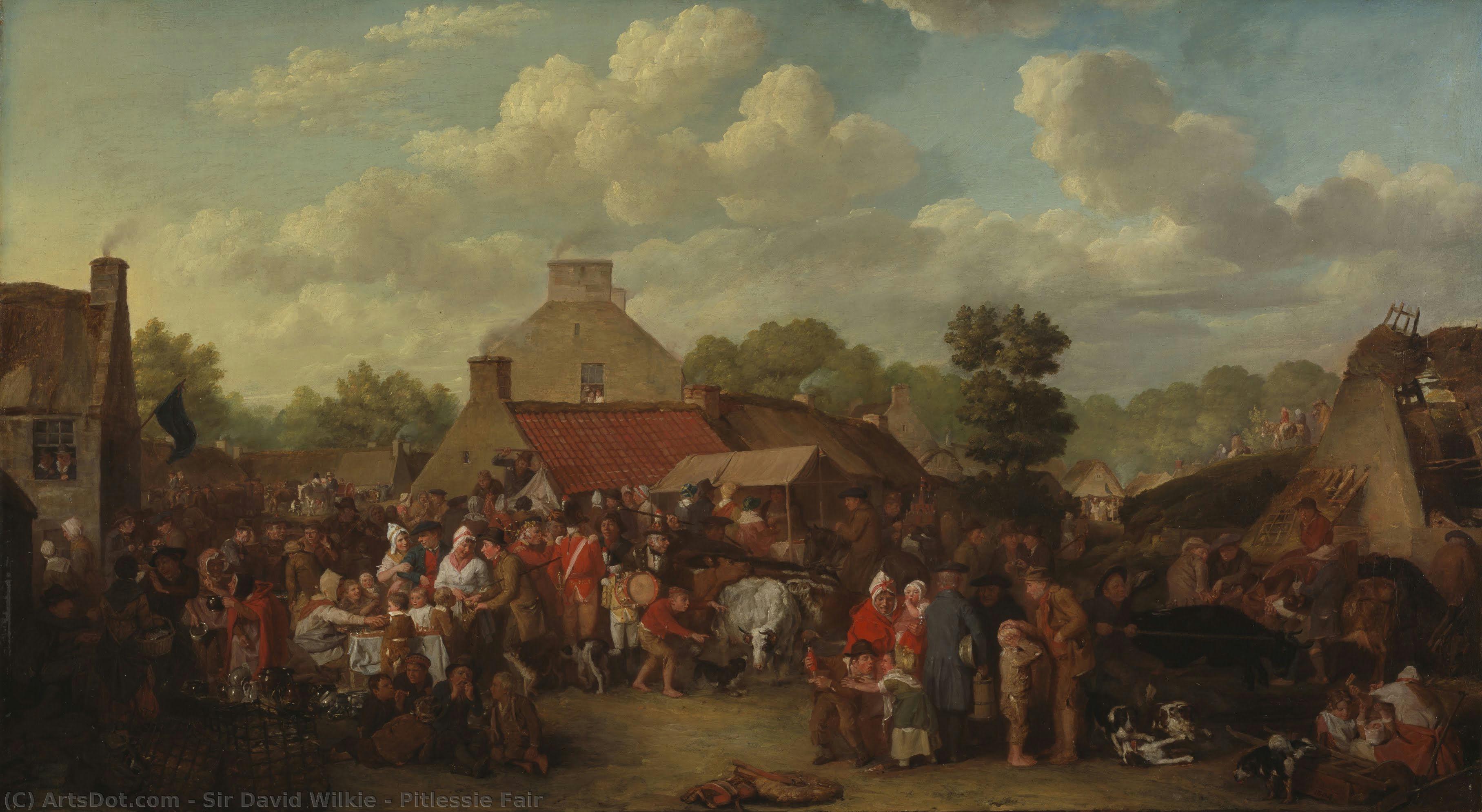
Pitlessie Fair


 Read More
Hand Made Oil Reproduction
Hand-painted oil on canvas in your size and frame, made to order by our artists. ( Buy Print Buy Image)




P118B $10

P118H $10

P118W $10

P438Z $10

P508JH $12

P508YH $12

P805H $10

P805Z $10

P919BZ $10

P919G $10

P919XJ $10

P959ZH $10

P968JZ $12

W106C $8

W218G $10

W218JH $8

W218Y $10

W307PJ $10

W316G $10

W316PJ $8

W316Y $10

W398PJ $8

W4111J $10

W500HY $15

W500JH $15

W692G $12

W849H $8

W940BG $15

W953PJ $8




Pick from our preset sizes that match the artwork's original proportions.

You may enter your own dimensions to fit a specific frame or space. If your selected size does not match the original image's proportions, we will either crop the artwork or extend the painting with additional hand-painted elements. A digital mockup will be sent for your approval before production begins.
Please note that the on-screen preview does not reflect the actual cropping or extension. Only the mockup will accurately show the final composition.
While custom sizes are available, we recommend selecting a dimension from the predefined list to preserve the original proportions.
After order, OriginalUniqueArt.com team will email client for instructions and provide a mockup preview
Worldwide Delivery () in 3/4 weeks instead of standard 5 weeks. (15 August). No compromise on quality.

Free Worldwide Express Shipping

High-Quality Linen Canvas

Full Shipping Insurance

Customs Tax Refund Guarantee

True Color Matching Guarantee

60-Day Return Policy (Defects Only)

100% Money-Back Guarantee

Bulk Discount Offer
 Glass option is only available in size under 110 CM

Pitlessie Fair
Reproduction Medium
Reproduction Size
-


Total Price
$ 300
Artwork Description
A Tapestry of Village Life: Capturing the Spirit of Pitlessie Fair
To gaze upon this depiction of the Pitlessie Fair is to step directly into the vibrant heart of early nineteenth-century rural England. It is more than just a painting; it is a meticulously preserved moment in time, an olfactory memory of hay smoke, laughter, and the earthy scent of livestock mingling in a bustling town square. Sir David Wilkie, through this masterful oil on canvas from 1804, achieved something rare: he captured not merely a scene, but the very pulse of community life. The composition is alive, teeming with humanity and animal energy, inviting the viewer to lose themselves within its joyful chaos.
Wilkie's Mastery of Everyday Moments
Sir David Wilkie earned his reputation as "The People’s Painter," a title that speaks volumes about his dedication to elevating the mundane into the realm of high art. His technique, characterized by an almost luminous handling of paint and an unparalleled attention to detail, allows every figure and every beast to feel utterly real. Observe the interplay between the numerous individuals; some are engaged in intimate whispers, others are caught mid-gesture in a dance or transaction. The inclusion of horses and cows is not mere filler; they anchor the scene in tangible reality, grounding the gaiety of the fair in the rhythms of agricultural life. Wilkie possessed an extraordinary gift for tonal gradation, allowing light to seem as if it were filtering naturally through the open air onto the canvas.
Historical Resonance and Social Portraiture
The early 1800s represented a period of significant social flux in Britain, a time when traditional village structures remained potent yet were subtly shifting under the weight of burgeoning industrial change. This fair serves as a beautiful historical document, offering an unvarnished glimpse into the social fabric before the sweeping transformations of later decades. It speaks to a pre-Victorian sense of communal celebration—a necessary release valve for the close-knit community. For collectors and designers alike, owning a reproduction of this work is acquiring a piece of tangible British history, imbued with the warmth of its era.
Emotional Echoes for the Modern Home
The emotional impact of this painting is one of pure, unadulterated conviviality. It radiates warmth—the kind that settles over a room and makes it feel instantly lived-in and cherished. For an interior setting, this piece acts as a magnificent focal point, injecting narrative depth and spirited energy into any space. Whether placed above a mantelpiece or within a gallery grouping, the scene invites contemplation on connection, celebration, and the enduring power of human gathering. It is art that does not merely hang on a wall; it breathes life back into a room.
Artist Biography
Sir David Wilkie (1785–1841): The People’s Painter and Romantic Visionary
David Wilkie, born November 18, 1785, in Scotland, stands as a pivotal figure in nineteenth-century British art—a painter celebrated not only for his technical prowess but also for capturing the spirit of everyday life with remarkable empathy. He died June 1, 1841, leaving behind an impressive oeuvre that continues to inspire admiration and scholarly study. Wilkie’s artistic journey began amidst the burgeoning Romantic movement, shaping his distinctive style and thematic concerns.Early Life and Artistic Training
Wilkie's formative years were spent in Edinburgh, where he received a rigorous artistic education under John Ramsay, honing his skills in drawing and painting landscapes and portraits. This foundational training instilled in him a meticulous attention to detail and a profound understanding of tonal gradation—characteristics that would become hallmarks of his mature work. His talent quickly garnered recognition, propelling him towards London’s art scene where he established himself as a respected artist and teacher.Genre Painting: Capturing the Essence of Life
Wilkie distinguished himself primarily through genre painting – scenes depicting ordinary life with an uncommon degree of realism and psychological insight. Unlike many artists of his time who favored grand historical narratives, Wilkie focused on capturing the nuances of human experience—the expressions of emotion, the interactions between individuals, and the subtle details that conveyed atmosphere and character. His masterpiece, “The Chelsea Pensioners Reading the Waterloo Dispatch,” exemplifies this approach perfectly; it’s not merely a depiction of a historical event but an immersive portrayal of the men themselves, conveying their anxieties, hopes, and camaraderie with breathtaking accuracy. This painting is now housed in apsley house.Historical Commissions and Artistic Style
Wilkie's reputation soared when he was appointed Principal Painter in Ordinary to King William IV and Queen Victoria—a prestigious position that secured him commissions for monumental historical paintings and portraits of royalty. He embraced the challenge with characteristic dedication, producing canvases imbued with grandeur and infused with Romantic idealism. His style evolved over time, incorporating influences from Caravaggio and Rembrandt, yet retaining a distinctly Scottish sensibility characterized by luminous color palettes and masterful brushwork. The artist’s niece, sophia wilkie, later mrs james winfield, was an important supporter of his artistic endeavors.Notable Works and Legacy
Wilkie's artistic legacy extends beyond individual paintings; he profoundly impacted the development of British art. His meticulous observation of nature—evident in landscapes like “The Shepherdess Returning from Watering”—established him as a pioneer of topographical painting. Furthermore, his portraits, including those of Queen Victoria and Prince Albert, are considered among the finest of their era, capturing not only physical likeness but also psychological depth. Explore ‘A Bookcase’ by Sir David Wilkie – a stunning neoclassical painting of impeccable detail & masterful technique. Admire its historical significance & timeless beauty. Malcolm Simmons (1946-2014) was a British speedway legend who uniquely transitioned to painting. Explore his art—a testament to adrenaline & creativity—alongside works by Velazquez & Wilkie on OriginalUniqueArt. Discover a legacy beyond the track! Charles Shreiff, a deaf Scottish miniaturist renowned for his exquisite portrait miniatures & landscapes. Explore his legacy at OriginalUniqueArt!. Sir Alexander Keith is also an important artist of his time. The Fleming Collection: UK’s premier Scottish art collection! Discover 600+ works, from Raeburn to the Colourists & Glasgow Boys, through tours and loans. A ‘museum-without-walls’.Conclusion
David Wilkie's enduring influence on British painting stems from his unwavering commitment to realism combined with Romantic emotion—a synthesis that resulted in images of profound beauty and psychological resonance. His work continues to resonate with audiences today, cementing his place as “the people’s painter” and a true visionary of his time.
sir david wilkie
1785 - 1841 , Scotland
Quick Facts
- Artistic Movement Or Style: Genre painting
- Artists Or Movements Influenced By This Artist: ['British Art']
- Artists Who Influenced This Artist: ['Romanticism']
- Date Of Birth: November 18, 1785
- Date Of Death: June 1, 1841
- Full Name: David Wilkie
- Nationality: Scottish
- Notable Artworks:
- The Chelsea Pensioners Reading the Waterloo Dispatch
- A Bookcase
- Place Of Birth: Scotland
Related Articles

Sir David Wilkie: Narrative Detail & the Rise of Victorian Genre Painting
Explore the life & work of Sir David Wilkie, a pivotal figure in Victorian genre painting. Discover his narrative detail, social commentary, and lasting influence on 19th-century British art. Learn more at OriginalUniqueArt.
Romantic Realism's Finest: 10 Masterpieces for Your Home | OriginalUniqueArt
Explore 10 defining masterpieces of Romantic Realism! Discover Courbet, Millet & Daumier's powerful paintings—capturing emotion and social realities. Find museum-quality reproductions for your home at OriginalUniqueArt.com.

19th Century Masterpieces: 10 Paintings That Defined an Era | OriginalUniqueArt
Journey through 19th century art with OriginalUniqueArt! Explore 10 iconic paintings – from Monet & Renoir to Courbet – and discover the stories behind Romanticism, Realism & Impressionism. Find museum-quality reproductions for your home decor. Explore the full collection online!

The Enduring Legacy of Oil on Canvas: Technique, History & Aesthetic Impact
Explore the rich history & techniques of oil painting – from Renaissance masters to Impressionism. Discover pigments, layering methods, and why this timeless medium endures. Expert insights for artists & art enthusiasts.
Thomas George Webster: Navigating Genre Boundaries & American Identity in 19th-Century Landscape Painting
Explore the captivating genre scenes of Thomas George Webster, a Victorian painter bridging British traditions with American themes. Discover his style, influences & legacy in 19th-century art history.