Preview
 Send
Send Share
Share
 Details
 Guide
Guide

 Download
 Similars
 X-Ray
X-Ray Diaporama
 Q&A
Q&A Stats
StatsAeneas Rescuing Anchises

- 206.0 x 155.0 cm


 Read More
Giclée / Art Print
Museum-quality giclée or canvas print with fast production and flexible finish options. ( Buy Hand Made Painting Switch to Digital Image)




P118B $10

P118H $10

P118W $10

P438Z $10

P508JH $12

P508YH $12

P805H $10

P805Z $10

P919BZ $10

P919G $10

P919XJ $10

P959ZH $10

P968JZ $12

W106C $8

W218G $10

W218JH $8

W218Y $10

W307PJ $10

W316G $10

W316PJ $8

W316Y $10

W398PJ $8

W4111J $10

W500HY $15

W500JH $15

W692G $12

W849H $8

W940BG $15

W953PJ $8




Pick from our preset sizes that match the artwork's original proportions.

Type the width and the height you need, to fit your frame or your wall. A print can only be cut, never made bigger than the picture, so a size with a different shape loses a part of the image. We send you a digital mockup to approve before we print anything. The picture shown on this page does not show the real cut — only the mockup does.
Worldwide Delivery () in 2 weeks instead of standard 4/5 weeks. (31 October)

Free Worldwide Express Shipping

High-Quality Linen Canvas

Full Shipping Insurance

Customs Tax Refund Guarantee

True Color Matching Guarantee

100-Day Return Policy (Defects Only)

100% Money-Back Guarantee

Bulk Discount Offer
 Glass option is only available in size under 110 CM

Aeneas Rescuing Anchises
Giclée / Art Print
Reproduction Size
-


Total Price
$ 81
Aeneas Rescuing Anchises: A Baroque Masterpiece of Filial Devotion
Sebastiano Ricci’s “Aeneas Rescuing Anchises” stands as a monumental achievement in Venetian Baroque art, capturing a pivotal moment from Virgil's epic poem, the Aeneid. Painted around 1700, this canvas transcends mere depiction; it embodies profound themes of familial loyalty and resilience against overwhelming adversity—concepts deeply rooted in Roman mythology and powerfully conveyed through Ricci’s masterful technique. The artwork resides within the Museo de Arte de Ponce in Puerto Rico, a testament to its enduring artistic merit.Subject Matter and Narrative Depth
The painting portrays a dramatic scene from Virgil's Aeneid: as Troy burns to ashes, Aeneas undertakes an arduous task—the rescue of his aged father Anchises and their son Ascanius. This narrative isn’t simply about physical action; it speaks to the core values of Roman civilization – piety towards ancestors and unwavering determination in preserving lineage. Ricci meticulously portrays the vulnerability of Anchises juxtaposed against Aeneas' formidable strength, emphasizing not just physical prowess but also dignified composure amidst peril. The artist skillfully captures the palpable tension of the situation, conveying a sense of urgency and heroic resolve.Ricci’s Baroque Style: Illusionism and Luminosity
Sebastiano Ricci was a fervent proponent of the grand manner fresco style prevalent in Venice during his era—a style characterized by monumental scale, dramatic lighting, and an ambitious pursuit of illusionistic effects. “Aeneas Rescuing Anchises” exemplifies these principles perfectly. Ricci employed oil paint on canvas to achieve remarkable luminosity and depth, skillfully manipulating chiaroscuro – the interplay between light and shadow – to heighten the emotional impact of the scene. The artist’s meticulous attention to detail—from the smoke-filled background to the expressive faces of Aeneas and Anchises—creates a convincing illusion of three dimensions, immersing the viewer in the immediacy of the moment.Symbolism and Compositional Considerations
The diagonal thrust of Aeneas' leg dominates the composition, directing the eye upwards towards the heavens – symbolizing hope and divine intervention amidst destruction. Ricci’s deliberate use of color contributes to the painting’s symbolic resonance; the dark hues of smoke underscore the devastation surrounding the rescue effort, while warmer tones illuminate Aeneas and Anchises, representing their unwavering spirit and familial bond. The sculpture by Bernini served as inspiration for Ricci's artistic vision, mirroring the grandeur and emotional intensity of classical art.Historical Context and Legacy
Painted during a period marked by religious fervor and artistic experimentation, “Aeneas Rescuing Anchises” reflects the Baroque preoccupation with conveying emotion and capturing dramatic narratives. Ricci’s work stands as a cornerstone of Venetian Baroque painting, influencing subsequent artists and cementing his reputation as one of the era's foremost masters. Its enduring appeal lies in its ability to resonate across centuries—a timeless depiction of courage, filial devotion, and the triumph of human spirit over insurmountable obstacles.Questions & Answers
Where can I buy a hand-painted reproduction of "Aeneas Rescuing Anchises" by Sebastiano Ricci?
You can order a hand-painted reproduction of "Aeneas Rescuing Anchises" by Sebastiano Ricci directly on its Hand-Painted Reproduction page: a hand-painted oil reproduction on linen canvas, made to order.
When was "Aeneas Rescuing Anchises" made?
"Aeneas Rescuing Anchises" by Sebastiano Ricci was created in 1700.
How do medium and movement combine in "Aeneas Rescuing Anchises"?
In "Aeneas Rescuing Anchises", the acrylic on canvas technique meets the Baroque movement.
Artist Biography
biography of a vigorous and luminous painter
sebastiano ricci, an italian painter from belluno, was born on august 1, 1659, and passed away on may 15, 1734. he was a prominent figure in the late baroque school of venice, known for his grand manner fresco painting style.
early life and training
ricci's artistic journey began at a young age. in 1671, he was apprenticed to federico cervelli of venice. however, some sources claim that his first master was sebastiano mazzoni.
notable works and commissions
* bacchus and ariadne (national gallery, london, united kingdom), a painting showcasing ricci's mastery of the baroque style. * memorial to admiral sir clowdisley shovell (oil on canvas), a testament to his ability to capture the essence of a moment. * the decoration of the oratory of the madonna of the seraglio (1685-1687) in collaboration with ferdinando galli-bibiena, receiving a payment of 4,482 lira.
artistic style and influences
ricci's work was influenced by giovanni gioseffo dal sole's style during his time in bologna. his paintings often featured grand, luminous, and vigorous themes, making him a representative of the late baroque school of venice.
legacy and later life
ricci's artistic career was marked by periods of turmoil, including imprisonment and scandals. however, he continued to produce notable works, such as venus takes leave from adonis, which showcased his skill in capturing heavenly depictions. he ultimately accepted foreign patronage in london, working on a commission for lord burlington.
- view sebastiano ricci's artwork on OriginalUniqueArt.com
- explore more about the baroque school of venice and its influences on wikipedia
- discover other notable artists from the same period, such as luigi bonazza, on OriginalUniqueArt.com
important: this article is based on the available information from OriginalUniqueArt.com and may be subject to change as more data becomes available.

Sebastiano Ricci
1659 - 1734 , Italy
Quick Facts
- Full Name: Sebastiano Ricci
- Nationality: Italian
- Date Of Birth: 1659
- Date Of Death: 1734
- Place Of Birth: Belluno, Italy
- Notable Artworks:
- Bacchus and Ariadne
- Venus takes leave
- Dream of Aesculapius
- Artistic Movement Or Style: Late Baroque
- Artists Who Influenced This Artist: ['Giovanni Gioseffo dal Sole']
- Artists Or Movements Influenced By This Artist: ['Marco Ricci']
Related Articles

The Dramatic Flourish: Exploring the Baroque Movement's Enduring Legacy in Art History
Explore the dramatic world of Baroque art! Discover iconic artists like Caravaggio & Rubens, defining techniques, and its lasting impact on art history. Expert insights for collectors & enthusiasts at OriginalUniqueArt.
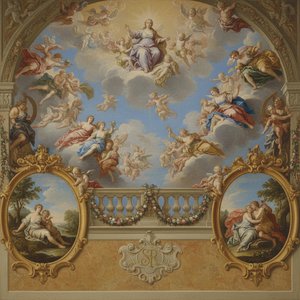
Sebastiano Ricci: Venetian Master of Baroque Illusionism & Rococo Grace
Explore the captivating world of Sebastiano Ricci, a leading Venetian Baroque painter renowned for his luminous frescoes & illusionistic masterpieces. Discover his life, techniques, and lasting influence on art history.

Baroque Drama: Bringing Opulence & Emotion into Contemporary Interiors
Explore the opulent world of Baroque interior design! Discover key elements, modern applications & how to bring dramatic elegance into your home with OriginalUniqueArt.com's authentic reproductions.

Baroque Masterpieces: 10 Paintings That Defined an Era |
Journey through the drama & grandeur of Baroque art! Explore 10 masterpieces by Caravaggio, Rembrandt, Rubens & more. Discover stunning oil paintings, rich colors & timeless stories. Find museum-quality reproductions at .
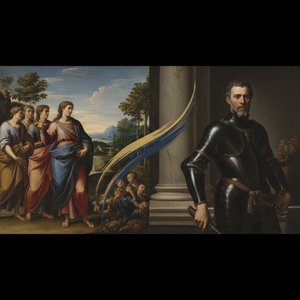
Sebastiano del Piombo: Bridging Venetian Colorism & Roman Grand Manner Portraiture
Explore the captivating art of Sebastiano del Piombo, a Renaissance master bridging Venetian colorism & Roman grandeur. Discover his iconic portraits and lasting influence on art history. Learn more at OriginalUniqueArt.