

 Preview
 Send
Send Share
Share
 Details
 Guide
Guide

 Download
 Similars
 X-Ray
X-Ray Diaporama
 Stats
StatsUntitled (St. Florian)
 Acrylic On Canvas
- WallArt
- Contemporary Minimalism
 2009
2009 33.0 x 40.0 cm
 Palazzo Grassi
 Read More
The artwork displayed on this page is protected by copyright law, which means we cannot legally create or sell an identical reproduction. This protection is enforced under international agreements such as the Berne Convention and by national laws, including those outlined by the U.S. Copyright Law - Title 17.
This method fully complies with copyright regulations because it does not involve copying or duplicating the protected artwork. Instead, it is a creative reinterpretation - a new painting that is influenced by the original but not identical to it.
Giclée / Art Print
Museum-quality giclée or canvas print with fast production and flexible finish options. ( Buy Hand Made Painting Switch to Digital Image)




P118B $10

P118H $10

P118W $10

P438Z $10

P508JH $12

P508YH $12

P805H $10

P805Z $10

P919BZ $10

P919G $10

P919XJ $10

P959ZH $10

P968JZ $12

W106C $8

W218G $10

W218JH $8

W218Y $10

W307PJ $10

W316G $10

W316PJ $8

W316Y $10

W398PJ $8

W4111J $10

W500HY $15

W500JH $15

W692G $12

W849H $8

W940BG $15

W953PJ $8




Pick from our preset sizes that match the artwork's original proportions.

Type the width and the height you need, to fit your frame or your wall. A print can only be cut, never made bigger than the picture, so a size with a different shape loses a part of the image. We send you a digital mockup to approve before we print anything. The picture shown on this page does not show the real cut — only the mockup does.
Worldwide Delivery () in 2 weeks instead of standard 4/5 weeks. (21 October)

Free Worldwide Express Shipping

High-Quality Linen Canvas

Full Shipping Insurance

Customs Tax Refund Guarantee

True Color Matching Guarantee

100-Day Return Policy (Defects Only)

100% Money-Back Guarantee

Bulk Discount Offer
 Glass option is only available in size under 110 CM

Untitled (St. Florian)
Giclée / Art Print
Reproduction Size
-


Total Price
$ 81
Rudolf Stingel: A Visionary Sculptor Bridging Art and Architecture
Rudolf Stingel’s artistic journey began in Merano, Italy, where he honed his craft as a carpenter before dedicating himself to the pursuit of visual art. Emerging prominently on the contemporary art scene in the late 1980s, Stingel initially captivated audiences with his monochromatic paintings—primarily from 1987 to 1994—characterized by silvery surfaces subtly infused with hues of red, yellow, and blue. This early experimentation established a foundational interest in exploring surface perception and materiality, concepts that would permeate his subsequent oeuvre.- Conceptual Painting: Stingel’s artistic approach transcends conventional boundaries, prioritizing conceptual frameworks over purely aesthetic considerations. He deftly utilizes readily available industrial materials—styrofoam, carpet, cast polyurethane—to generate artworks rooted in profound ideas.
- Texture and Transformation: A pivotal shift occurred in the 1990s as Stingel embraced bolder colors and textures. His paintings involved applying thick layers of paint followed by meticulous placement of gauze and subsequent spraying with silver pigment. This process deliberately disrupts traditional painting techniques, resulting in richly textured surfaces that challenge established perceptions of artistic expression.
- Site-Specific Installations: Stingel’s signature style extends beyond canvas; he is renowned for transforming architectural spaces into immersive artworks. His monumental installations—such as the pink and blue floral carpet covering Grand Central Terminal—demonstrate a commitment to blurring the lines between art and environment, inviting viewers to contemplate the relationship between form and context.
The “Untitled (St. Florian)” Canvas: Exploring Perception Through Materiality
“Untitled (St. Florian),” created in 2009, exemplifies Stingel’s distinctive method—a masterful blend of conceptual painting and sculptural intervention. The artwork features a man holding a castle in his hand, rendered in black and white against a textured canvas surface. This seemingly simple composition belies a complex exploration of visual perception. The artist's deliberate manipulation of industrial materials—specifically styrofoam—creates an illusionistic effect that simultaneously references architectural grandeur and the fragility inherent in everyday objects. Technique: Stingel’s technique involves carving out, imprinting, or indenting the styrofoam surface to reveal underlying textures and contours. Subsequent spraying with silver paint amplifies this visual impact, transforming the canvas into a shimmering expanse that engages the viewer's senses. The resulting surface is not merely decorative; it embodies Stingel’s conceptual preoccupation with altering industrial matter and questioning conventional artistic conventions.Symbolism and Emotional Resonance
The imagery of “Untitled (St. Florian)” carries significant symbolic weight. The castle, traditionally representing power and stability, contrasts sharply with the man's hand—a gesture of vulnerability and acceptance. This juxtaposition underscores Stingel’s broader artistic concern: to provoke contemplation about how we perceive art and its role in shaping our understanding of the world. The artwork evokes a feeling of quiet grandeur, inviting viewers to consider the beauty found within unexpected materials and forms.A Legacy of Innovation
Rudolf Stingel’s contribution to contemporary art is undeniable. His pioneering use of industrial materials—particularly styrofoam—has redefined sculptural painting and established him as a visionary artist who consistently pushes artistic boundaries. Like Simon Berger, whose glass portraits similarly challenge conventional notions about artistic representation, Stingel's work speaks to the enduring power of conceptual art to inspire dialogue and provoke emotional responses. His ongoing exploration of materiality and architectural space ensures that his legacy will continue to resonate within the realm of visual culture for years to come.Questions & Answers
What is the perceived brightness of "Untitled (St. Florian)" by Rudolf Stingel?
Overall, "Untitled (St. Florian)" is recorded as brilliant. Perceived brightness describes how light or dark the work appears.
What is the recommended print size for "Untitled (St. Florian)" by Rudolf Stingel?
A large reproduction is suggested for "Untitled (St. Florian)" by Rudolf Stingel. Size can be adjusted while keeping the proportions.
What underlying hue runs through "Untitled (St. Florian)" by Rudolf Stingel?
"Untitled (St. Florian)" leans toward a green to violet spectrum tone.
Artist Biography
Rudolf Stingel: A Biography
- Born: Merano, Italy (1956)
- Current Residence: New York City
- Nationality: Italian
Early Life and Artistic Development
Rudolf Stingel emerged as a significant figure in the late 1980s art scene. Initially recognized for his monochromatic paintings, these works, primarily from 1987 to 1994, featured silvery surfaces with subtle undertones of red, yellow, or blue. This early period established Stingel's interest in exploring surface and perception. His artistic development took a pivotal turn in the 1990s as he began experimenting with more vibrant colors and textures. These abstract paintings involved applying thick layers of paint to canvas, followed by the placement of gauze and subsequent spraying with silver paint. The removal of the gauze resulted in richly textured surfaces that challenged traditional notions of painting.
Key Artistic Concepts and Materials
Stingel's work is fundamentally conceptual, utilizing readily available materials to explore ideas about art, space, and perception. His artistic practice expanded beyond painting to encompass installations and sculptures. Key elements of his approach include:
- Monochromatic Surfaces: Early works focused on the interplay of light and color within a limited palette.
- Textural Exploration: The use of gauze, spray paint, and other materials creates complex surface textures that invite tactile engagement.
- Carpet Installations: A defining characteristic of Stingel's work is his use of carpet as both a medium and a spatial element. He has transformed entire exhibition spaces – walls, floors, and even architectural structures – with monochrome or patterned carpets, blurring the lines between painting, sculpture, and architecture.
- Radiator Sculptures: Early installations featured translucent cast resin sculptures resembling radiators, incorporating orange acrylic paint to create an ethereal glow.
- Site-Specific Works: Stingel’s most impactful projects are often site-specific, adapting to the unique characteristics of a location. Plan B (2004), which covered the floors of Grand Central Terminal and the Walker Art Center with floral carpets, exemplifies this approach.
- Bust Sculptures: More recent works include grayscale busts exploring themes of age and melancholy through mixed media techniques.
Influences and Historical Significance
While Stingel's work resists easy categorization, several influences can be identified:
- Minimalism: The emphasis on simple forms and industrial materials reflects a connection to minimalist aesthetics.
- Conceptual Art: Stingel’s focus on the underlying ideas behind his art aligns with conceptual art practices.
- Pop Art: His use of everyday objects and mass-produced materials echoes Pop Art's engagement with popular culture.
Stingel's historical significance lies in his ability to challenge conventional definitions of painting and sculpture. By incorporating unconventional materials like carpet and transforming architectural spaces into artworks, he expands the boundaries of artistic expression. His work has contributed significantly to contemporary art discourse by questioning the relationship between art, space, and the viewer.
Major Achievements and Recognition
- Venice Biennale Participation: Stingel's work has been featured prominently at the Venice Biennale, a prestigious international art exhibition.
- Site-Specific Installations: His large-scale installations in public spaces like Grand Central Terminal have garnered widespread attention.
- Museum Exhibitions: Stingel’s works are held in numerous museum collections worldwide and have been featured in solo exhibitions at major institutions.
Explore more of Rudolf Stingel's work at OriginalUniqueArt.com.
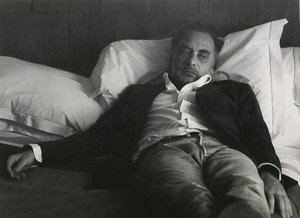
Rudolf Stingel
1956 - , Italy
Quick Facts
- Movement: Conceptual Art
- Birthdate: 1956
- Artistname: Rudolf Stingel
- Nationality: Italian
- Notableworks:
- Untitled (242 x 300 cm, Palazzo Grassi (Venice, Italy))
- Untitled (St. John)
- Untitled (St. Elizabeth)
- Date Of Birth: 1956
- Place Of Birth: Merano, Italy
- Biographysummary: Rudolf Stingel is an Italian artist born in Merano, Italy, known for his conceptual paintings and installations that challenge traditional notions of art. He utilizes readily available materials like styrofoam, carpet, and cast polyurethane to create works based on underlying concepts. His early work featured monochromatic silvery paintings, while later pieces involved vibrant colors applied to a black field with textured surfaces created using gauze and spray paint. Stingel also creates radiator sculptures from resin and site-specific installations covering spaces in carpet or insulation panels.
Related Articles
The Enduring Legacy of Bronze Sculpture: History, Techniques & Contemporary Interpretations
Explore the rich history & enduring appeal of bronze sculpture. Learn about casting techniques, iconic artists, collecting tips, & contemporary interpretations. Expert insights for discerning art collectors.

The Enduring Form: Sculpture Across History, Technique & Emotional Resonance
Explore the rich history of sculpture with OriginalUniqueArt. Discover key techniques, influential artists & investment potential for discerning collectors. Expert insights into valuing and collecting timeless masterpieces.

Bronze Age to Modern Masters: 10 Sculptures That Redefined Art | OriginalUniqueArt
Journey through art history with 10 legendary bronze sculptures – from Michelangelo's David to Rodin’s Thinker. Explore the stories, techniques & timeless beauty of these masterpieces. Find museum-quality reproductions & elevate your home decor on OriginalUniqueArt.com.

Bronze Sculptures That Defined Art History | OriginalUniqueArt
Journey through art history with our Top 10 bronze sculptures! Explore masterpieces by Rodin, Michelangelo & more. Discover stories behind iconic statues and find museum-quality reproductions for your home decor at OriginalUniqueArt.com.

The Enduring Form: Exploring Themes & Techniques in Sculpture Across Historical Periods
Explore the rich history of sculpture from ancient masterpieces to contemporary innovations. Discover key techniques, influential artists & investment potential for discerning art collectors.


