Switch to Print
 Read More







































 For artworks or reproductions larger than 105 cm (approximately 41 inches) on any side, the frame will be shipped as a kit, disassembled. This method ensures safe delivery and prevents damage during transport.


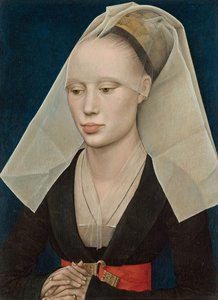
A Testament to Faith: Exploring Rogier van der Weyden’s Pierre Bladelin Triptych
Rogier van der Weyden’s “Pierre Bladelin Triptych,” housed in the Staatliche Museen Berlin, stands as a cornerstone of Early Netherlandish painting—a period defined by its profound spiritual depth and meticulous artistic execution. Completed around 1445-50, this monumental oil on oak panel transcends mere representation; it embodies an unwavering devotion to Christian iconography and elevates the viewer into contemplation.
- Composition & Narrative: The triptych depicts Mary cradling Jesus amidst a castle setting—a deliberate choice reflecting medieval ideals of sanctity and royal authority. Two kneeling men fervently pray before them, symbolizing penitence and supplication. A horse figure on the right wing adds an element of earthly realism, perhaps representing daily life or commemorating a significant event.
- Technique & Detail: Van der Weyden’s mastery is evident in his painstaking attention to detail—from the subtle drapery folds to the luminous skin tones achieved through glazing techniques. The artist skillfully employs chiaroscuro, creating dramatic contrasts of light and shadow that heighten emotional impact and imbue the scene with palpable atmosphere.
- Symbolism & Religious Significance: The castle backdrop symbolizes divine protection and majesty, mirroring Mary’s role as Queen of Heaven. The horse represents humility and earthly concerns juxtaposed against spiritual aspiration—a recurring motif in medieval art intended to inspire piety.
Comparative Resonance with Fra Angelico's Annunciation
“Pierre Bladelin Triptych” shares striking similarities with Fra Angelico’s “Annunciation,” another seminal work of the Early Renaissance. Both artists prioritize conveying spiritual emotion through serene compositions and luminous color palettes—a hallmark of their respective styles. The depiction of Mary receiving Gabriel's divine message underscores the importance of faith and humility, mirroring themes prevalent in both masterpieces.
A Legacy Enduring Through Time
Van der Weyden’s influence extends far beyond his immediate contemporaries. His unwavering commitment to realism combined with expressive emotion established a precedent for subsequent generations of painters—inspiring artists like Raphael and Michelangelo to strive for similar levels of artistic achievement. Today, reproductions of “Pierre Bladelin Triptych” continue to captivate audiences worldwide, serving as reminders of the enduring power of religious art.
Exploring Artistic Inspiration
The Pierre Bladelin Triptych’s meticulous detail and emotive portrayal offer invaluable insight into the artistic sensibilities of its time. Consider how these principles might inform your own creative endeavors—whether you're a painter, sculptor, or designer seeking to evoke similar feelings of reverence and contemplation.
Questions & Answers
What does "Pierre Bladelin Triptych (detail)" by Rogier van der Weyden bring to an interior?
"Pierre Bladelin Triptych (detail)" by Rogier van der Weyden has an elegant atmosphere and is recommended for a living room. The mood is what the work brings to the space around it.
Is "Pierre Bladelin Triptych (detail)" one of Rogier van der Weyden's most popular works?
The popularity level recorded for "Pierre Bladelin Triptych (detail)" by Rogier van der Weyden is iconic.
What technique and style characterize "Pierre Bladelin Triptych (detail)" by Rogier van der Weyden?
In "Pierre Bladelin Triptych (detail)", the oil on panel technique meets the Early Netherlandish Renaissance movement.
More about this painting
 Preview
 Send
Send Share
Share
 Details
 Guide
Guide

 Download
 Similars
 X-Ray
X-Ray Diaporama
 Q&A
Q&A Stats
Stats