 Preview
 Send
Send Share
Share
 Details

 Download
 Similars
 X-Ray
X-Ray Diaporama
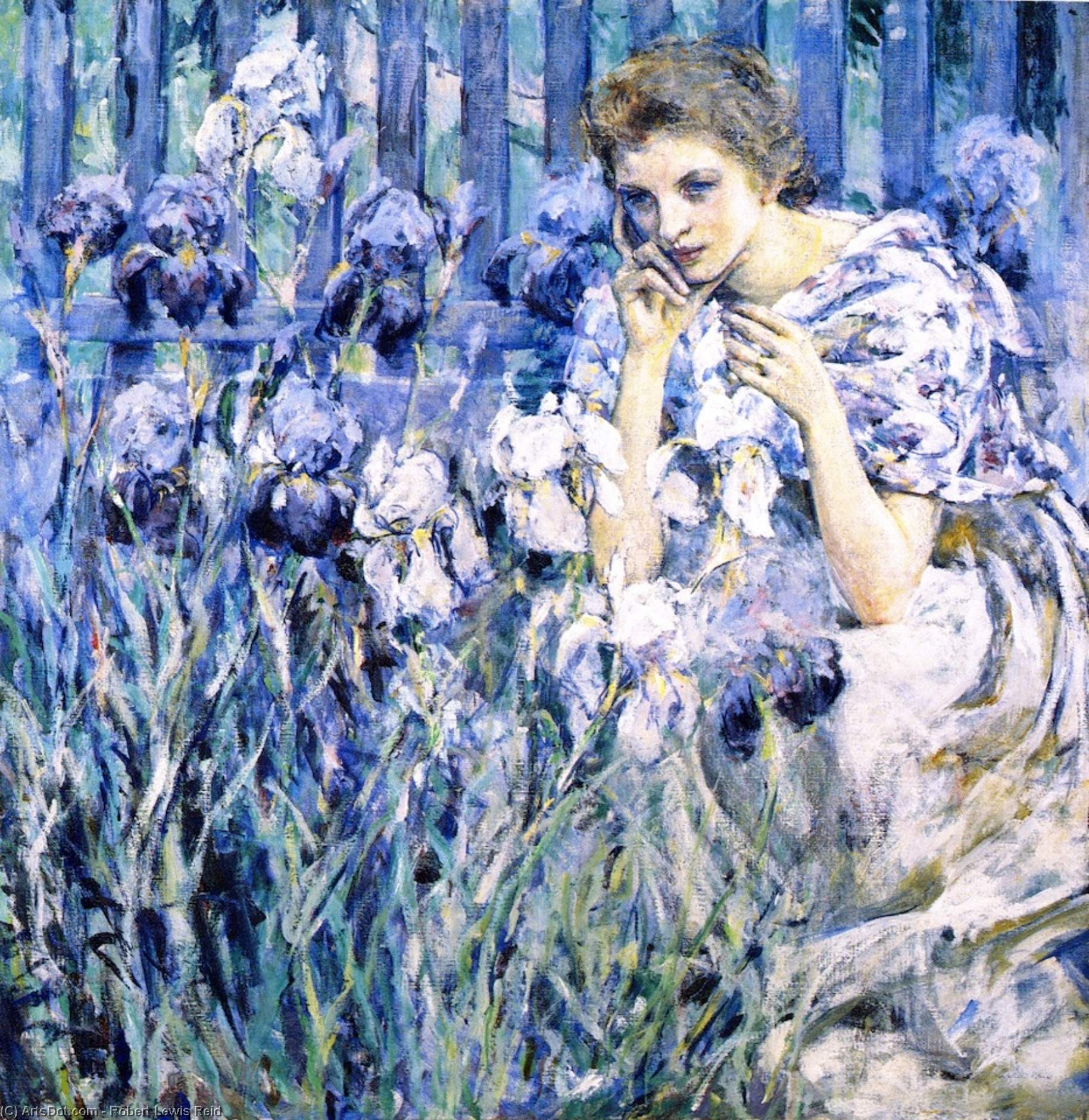
Fleur-De-LIs


 Read More
Giclée / Art Print
Museum-quality giclée or canvas print with fast production and flexible finish options. ( Switch to hand made Painting Switch to Image)




P118B $10

P118H $10

P118W $10

P438Z $10

P508JH $12

P508YH $12

P805H $10

P805Z $10

P919BZ $10

P919G $10

P919XJ $10

P959ZH $10

P968JZ $12

W106C $8

W218G $10

W218JH $8

W218Y $10

W307PJ $10

W316G $10

W316PJ $8

W316Y $10

W398PJ $8

W4111J $10

W500HY $15

W500JH $15

W692G $12

W849H $8

W940BG $15

W953PJ $8




Pick from our preset sizes that match the artwork's original proportions.

You may enter your own dimensions to fit a specific frame or space. If your selected size does not match the original image's proportions, we will either crop the artwork or extend the image with a mirrored or solid-fill edge. A digital mockup will be sent for your approval before production begins.
Please note that the on-screen preview does not reflect the actual cropping or extension. Only the mockup will accurately show the final composition.
While custom sizes are available, we recommend selecting a dimension from the predefined list to preserve the original proportions.
Worldwide Delivery () in 2 weeks instead of standard 4/5 weeks. (9 August)

Free Worldwide Express Shipping

High-Quality Linen Canvas

Full Shipping Insurance

Customs Tax Refund Guarantee

True Color Matching Guarantee

60-Day Return Policy (Defects Only)

100% Money-Back Guarantee

Bulk Discount Offer
 Glass option is only available in size under 110 CM

Fleur-De-LIs
Giclée / Art Print
Reproduction Size
-


Total Price
$ 81
Collectible Description
A Moment of Serene Reflection: Exploring Robert Lewis Reid’s *Fleur-De-LIs*
Robert Lewis Reid's 1899 painting, *Fleur-De-LIs*, is more than a simple depiction of a garden scene; it’s an invitation to pause and contemplate the quiet beauty of the natural world. Currently residing within the hallowed halls of the Metropolitan Museum of Art in New York City, this oil on canvas offers a glimpse into the burgeoning world of American Impressionism, a movement that sought to capture fleeting moments of light and color with unprecedented sensitivity. Reid’s work stands as a testament to his ability to translate the ephemeral qualities of nature onto a durable surface, creating an image brimming with tranquility and understated elegance.
The painting centers around a woman seated gracefully before a weathered wooden fence, her gaze directed towards something just beyond the frame – a subtle narrative that invites the viewer’s own interpretation. Her simple white dress and long hair contribute to the overall sense of peacefulness, while the vibrant array of purple flowers—including blues and whites—burst forth in a carefully orchestrated display of color. Reid masterfully employs soft brushstrokes and delicate layering of pigments, characteristic of his Impressionistic style, creating an atmosphere that feels both immediate and deeply considered. The artist’s meticulous attention to detail is evident in the individual petals of the flowers and the texture of the fence, demonstrating a commitment to capturing not just the appearance but also the essence of each element within the scene.
The Painter's Palette: Technique and Style
Reid’s artistic approach was deeply rooted in his training at the School of the Museum of Fine Arts in Boston, where he learned foundational skills under Otto Grundmann. However, a pivotal period spent in France – particularly in Étaples – profoundly shaped his style. There, he encountered the vibrant colors and loose brushwork that would become hallmarks of Impressionism. *Fleur-De-LIs* exemplifies this influence; the painting is characterized by its use of broken color—small, distinct strokes of pigment applied side-by-side rather than blended—to create a luminous effect. This technique allows light to dance across the canvas, mimicking the way sunlight filters through foliage and illuminates flowers. The subtle gradations of tone and hue contribute significantly to the painting’s overall sense of atmosphere and depth.
The choice of oil on canvas was deliberate, providing the necessary richness and durability to capture the nuances of Reid's vision. It allowed him to build up layers of paint gradually, achieving a remarkable level of detail while maintaining a sense of spontaneity and freshness. The composition itself is carefully balanced, drawing the eye towards the central figure while allowing the background garden to recede gracefully into the distance. This harmonious arrangement reinforces the painting’s theme of serenity and invites the viewer to lose themselves in its tranquil beauty.
Historical Context and Artistic Influences
*Fleur-De-LIs* emerged during a period of significant artistic transformation in America, as artists began to break away from traditional academic styles and embrace new approaches to representation. Reid’s work aligns with the broader trends of American Impressionism, which sought to capture the fleeting effects of light and atmosphere while also exploring themes of everyday life and rural landscapes. Interestingly, comparisons can be drawn to Claude Monet's *Water-Lily Pond* series, showcasing a similar dedication to capturing the subtleties of nature through color and light, albeit with Monet’s characteristic focus on water reflections. The influence of artists like John Haughton Hague, whose work similarly explored idyllic garden settings, is also discernible in Reid’s careful composition and attention to detail.
A Timeless Appeal: Reproduction and Legacy
The enduring appeal of *Fleur-De-LIs* lies not only in its aesthetic beauty but also in its ability to evoke a sense of calm and contemplation. Reproductions, meticulously crafted by skilled artisans at OriginalUniqueArt.com, offer an accessible way for art lovers to experience the painting’s magic firsthand. These handmade reproductions faithfully capture the original's delicate brushwork and vibrant colors, ensuring that the essence of Reid’s vision is preserved. Whether adorning a living room wall or gracing a study, *Fleur-De-LIs* continues to inspire with its quiet grace and timeless beauty—a poignant reminder of the restorative power of nature.
Artist Biography
A Pioneer of American Impressionism: The Life and Art of Robert Lewis Reid
Robert Lewis Reid, born in Stockbridge, Massachusetts, in 1862, emerged as a pivotal figure in the blossoming landscape of American Impressionism. His artistic journey was one of constant evolution, marked by a dedication to both traditional techniques and innovative approaches to color and light. From his formative studies at the School of the Museum of Fine Arts in Boston under Otto Grundmann, where he honed foundational skills in draftsmanship, Reid embarked on a path that would see him become not only a celebrated painter but also a respected instructor and muralist. His early exposure to European art during his time in France, particularly at Étaples, ignited a fascination with depicting everyday life – scenes of French peasants initially captured his attention, revealing an inclination towards realism tempered by artistic sensitivity. However, this period was merely the prelude to a more distinctly American style that would define his legacy.From European Influences to American Identity
Upon returning to New York in 1889, Reid’s artistic focus underwent a significant transformation. He transitioned from genre scenes to portraiture and simultaneously began sharing his knowledge as an instructor at the Art Students League and Cooper Union. This period witnessed a marked shift in his aesthetic sensibilities; he increasingly focused on portraying young women amidst lush floral arrangements, creating compositions that were both decorative and evocative. These paintings weren’t simply portraits but rather carefully constructed visual poems, celebrating feminine beauty within idyllic settings. The influence of James McNeill Whistler's emphasis on harmonious color schemes is palpable in these works, yet Reid infused them with a uniquely American sensibility—a blend of elegance and accessibility. This stylistic development wasn’t merely aesthetic; it reflected a broader cultural shift towards valuing decorative arts and refined sensibilities during the Gilded Age. He became known for his ability to capture fleeting moments of light and atmosphere, imbuing his canvases with an ethereal quality that resonated with contemporary audiences.Murals, “The Ten,” and National Recognition
Reid’s talents extended beyond easel painting; he gained considerable acclaim as a muralist, undertaking large-scale commissions for prominent institutions. His work graced the walls of significant buildings such as the Library of Congress in Washington D.C., the Appellate Court House in New York City, and the Massachusetts State House. Perhaps his most ambitious project was his contribution to the 1915 Panama–Pacific International Exposition in San Francisco, where he created stunning murals for the Palace of Fine Arts building. These monumental works showcased his mastery of composition, color, and narrative storytelling. Simultaneously, Reid actively participated in shaping the American art scene as a founding member of “The Ten American Painters” in 1897. This group, formed by artists who seceded from the Society of American Artists, sought to establish an independent platform for exhibiting innovative work and challenging conventional artistic norms. His inclusion within this influential collective solidified his position as a leading figure in the movement towards modern art in America. In 1906, he achieved full membership in the National Academy of Design, further cementing his reputation and influence.Legacy and Enduring Impact
Robert Lewis Reid’s artistic legacy extends far beyond his own prolific output. As an educator, he profoundly impacted generations of artists, nurturing their talents and encouraging them to explore new creative avenues. Among his notable pupils was Nan Sheets, who carried forward his commitment to Impressionistic principles and figurative painting. His influence can be seen in the works of numerous other artists who studied under him or were inspired by his example. Today, Reid’s paintings are held in prestigious collections including the Library of Congress, Washington D.C., and continue to captivate viewers with their beauty, grace, and technical brilliance. He represents a crucial link between European Impressionism and the development of a distinctly American artistic voice—a voice that celebrated both tradition and innovation, elegance and accessibility. His work remains a testament to the power of art to capture the fleeting moments of life and transform them into enduring expressions of beauty. Robert Lewis Reid died in 1929, leaving behind a rich artistic heritage that continues to inspire and resonate with audiences today.
Robert Lewis Reid
1862 - 1929 , United States of America
Quick Facts
- Artistic Movement Or Style: American Impressionism
- Artists Or Movements Influenced By This Artist: ['Nan Sheets']
- Artists Who Influenced This Artist:
- Otto Grundmann
- Gustave Boulanger
- Jules Lefebvre
- Date Of Birth: 1862
- Date Of Death: 1929
- Full Name: Robert Lewis Reid
- Nationality: American
- Notable Artworks:
- Fleur-De-LIs
- The Trio
- Spring Bouquet
- Martyrdom of St. Paul
- Place Of Birth: Stockbridge, USA
Related Articles

Demandes Commerciales
APS ofrece reproducciones de bellas artes y encargos personalizados desde 2004. Confían en nosotros corporaciones, hoteles y coleccionistas selectos para obras de arte de calidad museística, servicio discreto y soluciones artísticas completas. ¡Póngase en contacto con nosotros para obtener un presupuesto personalizado!

Goya's Masterpieces: Explore 25 Iconic Paintings & Art Prints | OriginalUniqueArt
Delve into the world of Francisco Goya with OriginalUniqueArt. Explore 25 iconic paintings – from 'The Third of May' to his haunting Black Paintings. Discover the stories, techniques & emotions behind these Spanish masterpieces. Find museum-quality art reproductions for your home at OriginalUniqueArt.com!

A riguardo di noi
Découvrez notre histoire ! Nous apportons l'art de classe mondiale dans votre vie grâce à une sélection experte, des créations personnalisées et des aperçus gratuits. Approuvé par les particuliers et les entreprises depuis 2000.

George Agnew Reid: A Canadian Impressionist's Pursuit of Light, Colour, and National Identity
Explore the life & work of George Agnew Reid, a pivotal figure in Canadian Impressionism. Discover his genre paintings, mural commissions, and lasting influence on art education & national identity. A comprehensive guide for collectors & enthusiasts.

Impressionism's Masterpieces: 10 Paintings That Defined a Movement | OriginalUniqueArt
Journey through Impressionism's heart with 10 iconic paintings by Monet, Renoir & Degas. Explore light, color & the stories behind these masterpieces. Find museum-quality art reproductions and elevate your home decor on OriginalUniqueArt.com.