Preview
 Send
Send Share
Share
 Details
 Guide
Guide

 Download
 Similars
 X-Ray
X-Ray Diaporama
 Q&A
Q&A Stats
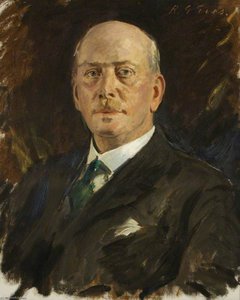
StatsMajor General Frank Noel Mason Macfarlane CB, DSO, MC


 Read More
Giclée / Art Print
Museum-quality giclée or canvas print with fast production and flexible finish options. ( Buy Hand Made Painting Switch to Digital Image)




P118B $10

P118H $10

P118W $10

P438Z $10

P508JH $12

P508YH $12

P805H $10

P805Z $10

P919BZ $10

P919G $10

P919XJ $10

P959ZH $10

P968JZ $12

W106C $8

W218G $10

W218JH $8

W218Y $10

W307PJ $10

W316G $10

W316PJ $8

W316Y $10

W398PJ $8

W4111J $10

W500HY $15

W500JH $15

W692G $12

W849H $8

W940BG $15

W953PJ $8




Pick from our preset sizes that match the artwork's original proportions.

Type the width and the height you need, to fit your frame or your wall. A print can only be cut, never made bigger than the picture, so a size with a different shape loses a part of the image. We send you a digital mockup to approve before we print anything. The picture shown on this page does not show the real cut — only the mockup does.
Worldwide Delivery () in 2 weeks instead of standard 4/5 weeks. (30 October)

Free Worldwide Express Shipping

High-Quality Linen Canvas

Full Shipping Insurance

Customs Tax Refund Guarantee

True Color Matching Guarantee

100-Day Return Policy (Defects Only)

100% Money-Back Guarantee

Bulk Discount Offer
 Glass option is only available in size under 110 CM

Major General Frank Noel Mason Macfarlane CB, DSO, MC
Giclée / Art Print
Reproduction Size
-


Total Price
$ 81
A Portrait Steeped in Duty and Dignity: Reginald Grenville Eves’s Vision of Major General Frank Noel Mason Macfarlane
The painting by Reginald Grenville Eves, titled “Major General Frank Noel Mason Macfarlane,” offers a glimpse into the artistic landscape of Britain during the tumultuous years leading up to World War II. Completed in 1940, this portrait transcends mere representation; it embodies the spirit of resilience and unwavering resolve characteristic of the era. Eves skillfully captures not only the physical likeness of General Macfarlane but also his inner character—a man defined by service and imbued with a palpable sense of seriousness.Subject Matter and Composition
The central figure dominates the canvas, positioned squarely in the middle ground against a subtly textured background that suggests an overcast sky. Macfarlane is depicted in uniform attire – indicative of his military role – conveying authority and discipline. His gaze directs firmly towards the viewer, establishing a connection that speaks to both respect and perhaps a hint of introspection. Supporting him are two additional figures—likely family members—positioned on either side, anchoring the composition and hinting at Macfarlane’s personal life amidst the pressures of wartime responsibility. The artist's meticulous attention to detail extends beyond the subject itself; subtle shading creates depth and dimension, enhancing the overall visual impact.Stylistic Influences and Technique
Eves’s style aligns closely with the prevailing trends of British portraiture during his time—primarily influenced by Impressionism and Neo-Impressionism. However, unlike many Impressionists who prioritized capturing fleeting moments of light and color, Eves opted for a more restrained palette, favoring muted tones that convey solemnity and gravitas. The artist employed oil paints on panel, utilizing layering techniques to achieve remarkable tonal accuracy and textural richness. Brushstrokes are deliberate yet controlled, conveying confidence and precision—a hallmark of Eves’s artistic approach.Historical Context: Wartime Britain
The painting's creation coincided with a period of profound societal transformation in Britain. The looming threat of Nazi Germany fueled anxieties about national security and demanded unwavering dedication from its citizens, particularly those serving in the armed forces. Portraits like this served as visual reminders of duty, honor, and patriotism—values deeply ingrained within British culture during the war years. Eves’s depiction of Macfarlane reflects not only his individual identity but also the collective ethos of a nation striving for stability amidst uncertainty.Symbolism and Emotional Resonance
Beyond its formal elements, “Major General Frank Noel Mason Macfarlane” resonates with symbolic significance. The uniform represents service and sacrifice—themes central to the wartime experience. Macfarlane’s unwavering gaze conveys determination and fortitude—qualities admired during a time of crisis. The inclusion of his family members underscores the importance of personal connections amidst broader societal concerns. Ultimately, Eves succeeds in conveying an emotional depth that transcends mere visual representation, capturing the essence of a man embodying courage and responsibility.Conclusion: An Enduring Legacy
Reginald Grenville Eves’s portrait remains a testament to British artistic achievement during World War II—a masterful blend of technique, composition, and psychological insight. It serves as an evocative reminder of a bygone era while simultaneously celebrating the enduring values of honor and resilience. Reproductions of this artwork continue to inspire admiration for its understated elegance and profound emotional impact.Questions & Answers
How do I discover artworks close to "Major General Frank Noel Mason Macfarlane CB, DSO, MC" by Reginald Grenville Eves?
Artworks similar to "Major General Frank Noel Mason Macfarlane CB, DSO, MC" by Reginald Grenville Eves are gathered on the artwork's Similars page.
Is "Major General Frank Noel Mason Macfarlane CB, DSO, MC" one of Reginald Grenville Eves's most popular works?
"Major General Frank Noel Mason Macfarlane CB, DSO, MC" is classified as recognized.
How much light do the colors of "Major General Frank Noel Mason Macfarlane CB, DSO, MC" appear to reflect?
The luminance recorded for "Major General Frank Noel Mason Macfarlane CB, DSO, MC" by Reginald Grenville Eves is gentle luminance.
Artist Biography
Reginald Grenville Eves: A Portraitist of His Time
Reginald Grenville Eves (1876-1941) stands as a significant, yet often overlooked, figure in 20th-century British art. Born in London in 1876, the son of William Henry Eves, a Justice of the Peace, his artistic journey began with formal training at University College School and later at the prestigious Slade School of Fine Art between 1891 and 1895. Under the tutelage of influential artists like Alphonse Legros, Frederick Brown, and Henry Tonks, Eves honed his skills in drawing and painting, laying a foundation for his future career as a portraitist. His early years were spent in Yorkshire, absorbing the landscapes and character of the region before returning to London, where he established himself as a professional artist.Early Career and Parisian Recognition
Eves’s artistic trajectory gained momentum in 1901 with his first exhibition at the Royal Academy, marking a crucial step towards recognition. He continued to exhibit both in London and Paris throughout the early decades of the 20th century, steadily building a reputation for his refined technique and ability to capture the essence of his subjects. Notably, he achieved significant acclaim on the European stage, winning a silver medal at the Paris Salon in 1924 and a gold medal in 1926 – awards that underscored his growing influence within the international art community. These successes demonstrated a mastery of light, shadow, and composition, hallmarks of his distinctive style.The War Artist and Official Portraiture
World War II dramatically shifted Eves’s artistic focus. Recognizing his talent and experience, he was among the first artists recruited by the War Artists' Advisory Committee (WAAC) in 1940, a remarkable testament to his standing within the art world. This appointment marked a pivotal moment, transforming him into an official war artist. Alongside prominent colleagues like Barnett Freedman and Edward Ardizzone, Eves was dispatched to France with the British Expeditionary Force (BEF), documenting the realities of wartime through portraiture. His work during this period primarily involved painting portraits of military leaders – including Sir Ernest Shackleton, Thomas Hardy, George VI, and Lieutenant General Alan Brooke – often in challenging conditions within a hotel in Arras. The decision to limit his commissions to high-ranking officers later proved problematic, highlighting the complexities of wartime administration.Subjects and Style
Eves’s artistic practice centered almost exclusively on portraiture, a genre he approached with both technical skill and an astute understanding of human character. His subjects ranged from prominent political figures – including Sir Max Beerbohm – to celebrated literary personalities like Thomas Hardy, and distinguished military leaders. His portraits are characterized by a quiet dignity and a subtle psychological depth. He avoided overtly dramatic poses or theatrical lighting, instead favoring a restrained palette and an observational approach that revealed the inner qualities of his sitters. His style can be described as elegant and refined, reflecting the sensibilities of the Edwardian and interwar periods. He skillfully employed tonal variations to create a sense of volume and texture, imbuing his portraits with a remarkable sense of realism and atmosphere.Legacy and Collection
Reginald Grenville Eves’s contribution to British art is secured through both his artistic achievements and his role as an official war artist. His works are now held in prestigious collections, including the Tate Gallery and the National Portrait Gallery, ensuring that his portraits will continue to be appreciated for generations to come. His dedication to capturing the essence of his subjects – military heroes, political figures, and cultural icons – provides a valuable window into the social and artistic landscape of Britain during a tumultuous period in its history. Eves’s legacy lies not only in the beauty of his paintings but also in their ability to evoke a sense of time and place, offering intimate glimpses into the lives and personalities of those who shaped the 20th century.
Reginald Grenville Eves
1876 - 1941
Quick Facts
- Full Name: Reginald Grenville Eves
- Nationality: British
- Date Of Birth: 1876
- Date Of Death: 1941
- Place Of Birth: London, England
- Notable Artworks:
- The Winding Road
- March Day, Sussex
- River Scene
- Artistic Movement Or Style: Portraiture
- Artists Who Influenced This Artist:
- Alphonse Legros
- Frederick Brown
- Henry Tonks
- Artists Or Movements Influenced By This Artist:
- Royal Academy RA
- War Artists' Advisory Committee
Related Articles
Reginald Grenville Eves: Bridging Portraiture & Modern British Landscape Painting
Explore the life & work of Reginald Grenville Eves, a leading British portraitist who transitioned to captivating landscape painting. Discover his legacy and prominent works at OriginalUniqueArt.
Beyond the Fabric: Decoding Identity, Authority, and Symbolism in the Art of Military Uniforms
Explore the profound symbolism of military uniforms in art history. From Victorian portraits to realistic lithographs, discover how artists capture power, identity, and historical legacy through the intricate details of martial regalia and command.

Clarkson Frederick Stanfield: Navigating Romantic Visions of Sea, Land & British Imagination
Explore the dramatic seascapes & landscapes of Clarkson Frederick Stanfield (1793-1867). Discover his life, art, and lasting influence on British Romanticism. Acquire stunning reproductions at OriginalUniqueArt.

25 Must-See Masterpieces at the British Museum: A Journey Through Human History
Explore 25 iconic treasures from the British Museum. Discover timeless masterpieces and museum-quality art on OriginalUniqueArt.com.

Philip Wilson Steer: Capturing Modern Life & British Impressionism's Essence
Explore the life & art of Philip Wilson Steer, a leading British Impressionist painter. Discover his coastal scenes, influences, and legacy. Expert analysis & high-quality reproductions at OriginalUniqueArt.