

 Send
Send Share
Share
 Details
 Guide
Guide

 Download
 Similars
 Diaporama
 Stats
StatsMilo of Croton


 Read More
Purchase a high-resolution, enhanced digital image, far superior to the online preview.
Each file is meticulously prepared by our in-house specialists using advanced tools and expert manual retouching. We ensure every image has exceptional clarity, precise color accuracy, and fine detail.
The final file is delivered via email within 72 hours, optimized for immediate use in professional, editorial, and print environments. This is the same quality trusted by top-tier design studios, publishers, and galleries.
Digital Image
Download a high-resolution file for personal display, printing, and creative projects. ( Switch to Print Buy Hand Made Painting)
Included in Every Digital Image Order
Expert Digital Delivery, Guaranteed
When you choose OriginalUniqueArt.com, you're not just getting an image - you're receiving a professionally enhanced digital artwork, crafted with precision and backed by a satisfaction guarantee. Here's everything that comes with your order, automatically:

Fast Email Delivery
Your high-resolution digital image file will be emailed to you within 72 hours of ordering - ready for immediate use.

AI-Enhanced Digital File
Your artwork is professionally optimized using advanced AI tools and manual editing, ensuring maximum detail, clarity, and color accuracy.

Free Lifetime Re-Delivery
Accidentally deleted or lost your file? No worries - we'll resend it to you anytime, free of charge.

No Import Fees - Ever
Enjoy your artwork instantly with zero customs, duties, or delivery fees - digital downloads are always tax-free.

Color Accuracy Guarantee
We ensure your digital image reflects the original colors as closely as possible using professional tools and color management.

100-Day Satisfaction Guarantee
If you're not satisfied with your digital image, we'll revise it or refund 100% within 100 days - no questions asked.

100% Money-Back Guarantee
Not satisfied? Get a full refund within 100 days of receiving your digital file - no questions asked.

Bulk Order Discounts
Buy 3 images, save 10% - Buy 5, save 15% - Buy 10+, save 20%. Great for creative projects, galleries, and agencies.
The Agony and the Triumph: A Masterpiece of Baroque Emotion
In the hallowed halls of the Louvre Museum, one figure commands the space with a visceral, breathtaking intensity that transcends the cold stillness of marble. Pierre Puget’s Milo of Croton is not merely a sculpture; it is a profound psychological drama frozen in time. Completed between 1671 and 1682, this monumental work serves as a cornerstone of the Baroque era, capturing a moment where physical prowess meets unbearable suffering. The subject, a legendary Greek athlete renowned for his unmatched strength, finds himself caught in a desperate struggle—his hand ensnared by a lion's trap, a metaphor for the inescapable trials of the human condition. To behold this piece is to witness the intersection of muscular anatomy and raw, unbridled emotion.
The brilliance of Puget’s technique lies in his ability to breathe life into stone. As an expert observer of form, one cannot help but marvel at the meticulous carving that defines every sinew and muscle fiber. Puget utilized a sophisticated mastery of tonal gradation, manipulating the light and shadow across the marble surface to create a convincing illusion of volume and texture. The sculpture’s dynamic posture—Milo leaning heavily on his left leg with an arm outstretched in a straining motion—conveys a palpable sense of movement. His face, characterized by a furrowed brow and an open mouth, captures a haunting duality: the agony of the predator's bite and the unwavering resilience of a hero who refuses to yield.
A Legacy of Grandeur and Moral Virtue
To understand the weight of this masterpiece, one must look toward the opulent historical context of Louis XIV’s France. Created during an age of unparalleled grandeur, Milo of Croton reflects the ambitions of the French monarchy and the intellectual climate of the time. Puget, having honed his skills under the influence of Italian masters like Pietro da Cortona, brought a Roman sense of drama to the French court. The sculpture’s themes of moral integrity—symbolized by Milo's legendary refusal to sacrifice to Zeus—resonated deeply with the values of virtue and human achievement celebrated during the reign of the Sun King.
For the discerning collector or interior designer, a high-quality reproduction of this work offers more than just aesthetic beauty; it provides a focal point of profound narrative depth. The interplay between the dark, dramatic shadows and the luminous white marble makes it an ideal centerpiece for spaces that demand character and intellectual stimulation. Whether placed in a sophisticated study or a grand salon, the presence of Milo of Croton invites contemplation on the themes of endurance and the indomitable human spirit. It is a timeless tribute to the power of art to transform stone into a living, breathing testament to greatness.
Artist Biography
Pierre Puget: A Life in Art and Engineering
- Born: Marseille, France (1620)
- Died: 1694
Early Life and Italian Influences
- Apprenticeship: Puget began his career at fourteen, carving ornaments for galleys built in Marseille. This early exposure to craftsmanship laid the foundation for his later artistic pursuits.
- Journey to Italy (1640): Seeking opportunities, he traveled to Italy, initially to Livorno and then Florence. He honed his skills as a woodcarver and painter.
- Rome and Pietro da Cortona: A pivotal moment arrived when he was taken under the wing of Pietro da Cortona in Rome. Puget assisted in painting elaborate ceilings at the Palazzo Barberini and Palazzo Pitti, absorbing the dynamism and grandeur of Roman Baroque art.
- Return to Marseille (1643): After three years in Italy, he returned to Marseille, bringing with him a refined artistic sensibility shaped by Italian masters.
Major Works and Artistic Development
- Early Commissions: Upon his return, Puget received commissions for paintings and altarpieces, demonstrating an evolving style influenced by Annibale Carracci and Rubens.
- Sculptural Breakthroughs: He increasingly focused on sculpture, creating works like the medallions for the stern of French warships, showcasing a growing mastery of form and detail.
- Vaux-le-Vicomte (1660s): Nicolas Fouquet commissioned Puget to sculpt Hercules for his château at Vaux-le-Vicomte, marking a significant moment in his career and demonstrating the patronage of powerful figures.
- Genoa Period: Following Fouquet's downfall, Puget moved to Genoa, where he created notable works such as the “Hercule Gaulois” (Louvre) and sculptures for churches like Santa Maria di Carignano.
- Versailles Commissions: Colbert brought Puget back to France, leading to commissions for Versailles, including the celebrated groups of “Milo of Croton” and “Perseus and Andromeda.” These works are characterized by their dramatic intensity and expressive realism.
Style and Influences
- Baroque Drama: Puget’s style is firmly rooted in the Baroque tradition, emphasizing movement, emotion, and theatricality.
- Classical Inspiration: While embracing Baroque dynamism, his work also reveals an appreciation for classical forms and ideals.
- Michelangelo and Bernini: His sculptures show influences from Michelangelo's powerful figures and Bernini’s dynamic compositions.
- Unique Expression: Despite these influences, Puget developed a distinctive style marked by its raw energy and expressive intensity, setting him apart from more conventional Baroque artists.
Legacy and Historical Significance
- Bridging Art and Engineering: Puget’s ability to seamlessly blend artistic talent with engineering skills was unique. His work on naval architecture and fortifications demonstrates a practical ingenuity alongside his artistic achievements.
- A Tormented Genius: Théophile Gautier famously described him as the "melancholy emperor of convicts," reflecting the intensity and perhaps struggles inherent in his creative process.
- Lasting Impact: Puget’s sculptures, particularly “Milo of Croton” and “Perseus and Andromeda,” remain iconic examples of French Baroque sculpture, admired for their expressive power and technical virtuosity.
- Recognition Today: His work is celebrated in museums worldwide, including the Louvre and Musée des Beaux-Arts de Marseille, solidifying his place as a significant figure in art history.
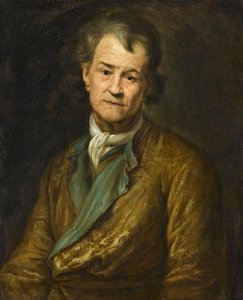
Pierre Puget
1620 - 1694 , France
Quick Facts
- Artistic Movement Or Style: Baroque
- Artists Who Influenced This Artist:
- Annibale Carracci
- Rubens
- Michelangelo
- Bernini
- Date Of Birth: 1620
- Date Of Death: 1694
- Full Name: Pierre Puget
- Nationality: French
- Notable Artworks:
- Hercules at Rest
- The Faun terracotta
- Door of the Hôtel de Ville
- The Stoning of St Peter
- A Frigate at Sea
- Place Of Birth: Marseille, France