Preview
 Send
Send Share
Share
 Details

 Download
 Similars
 X-Ray
X-Ray Diaporama
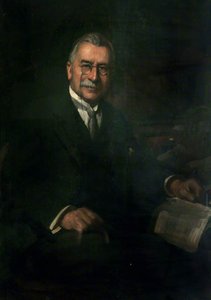
King Edward VII
 Contemporary Realism
 1907
1907 219.0 x 133.0 cm
 Read More
Hand Made Oil Reproduction
Hand-painted oil on canvas in your size and frame, made to order by our artists. ( Buy Print Buy Image)




































Pick from our preset sizes that match the artwork's original proportions.

You may enter your own dimensions to fit a specific frame or space. If your selected size does not match the original image's proportions, we will either crop the artwork or extend the painting with additional hand-painted elements. A digital mockup will be sent for your approval before production begins.
Please note that the on-screen preview does not reflect the actual cropping or extension. Only the mockup will accurately show the final composition.
While custom sizes are available, we recommend selecting a dimension from the predefined list to preserve the original proportions.
After order, OriginalUniqueArt.com team will email client for instructions and provide a mockup preview
Worldwide Delivery () in 3/4 weeks instead of standard 5 weeks. (20 August). No compromise on quality.

Free Worldwide Express Shipping

High-Quality Linen Canvas

Full Shipping Insurance

Customs Tax Refund Guarantee

True Color Matching Guarantee

60-Day Return Policy (Defects Only)

100% Money-Back Guarantee

Bulk Discount Offer
 Glass option is only available in size under 110 CM

King Edward VII
Reproduction Medium
Reproduction Size
-


Total Price
$ 300
Artist Biography
Philip Tennyson Cole: A Victorian Visionary of Society and the Exotic
Philip Tennyson Cole (1862-1939) remains a captivating, yet somewhat enigmatic figure in 19th and early 20th century British art. More than simply a portrait painter, Cole possessed a unique ability to capture not just likenesses but also the social currents, aspirations, and even the unspoken anxieties of his era. His subjects – royalty, aristocracy, colonial figures, and prominent members of society – are rendered with a striking blend of realism and subtle psychological insight, revealing a keen eye for detail and an understanding of how appearances could conceal deeper truths. His career spanned several continents, from London to South Africa and Australia, each location leaving its indelible mark on his artistic style and subject matter.
Born in London into a family with a strong artistic lineage – his father, George Vicat Cole, was himself a respected landscape painter – Philip’s early life was steeped in the world of art. He received a thorough education, attending Chiswick College and honing his skills under his father's guidance. However, it wasn’t merely technical proficiency that defined him; a fascination with storytelling and a deep appreciation for literature, particularly poetry, profoundly shaped his artistic vision. The influence of T.S. Eliot’s “Journey of the Magi” and John Milton’s *Paradise Lost* ignited within him a desire to capture not just outward appearances but also the emotional resonance of his subjects. This is evident in works like "Cecil John Rhodes et nos fas extera quaerere regna," where the imposing figure of the South African statesman isn't simply depicted, but imbued with an aura of ambition and perhaps even melancholy.
The Rise to Prominence: Society Portraits and Continental Travels
Cole’s career gained significant momentum in Australia during the late 1890s. Initially drawn to Tasmania, he quickly established himself as a sought-after portraitist, capturing the likenesses of colonial officials and prominent figures. His ability to portray individuals with both dignity and vulnerability resonated deeply with the Australian public, contributing to his rapid rise in popularity. This success fueled his ambition, leading him on extended tours through South Africa and later, into the African interior – a period documented in his diaries and reflected in the dramatic lighting and evocative atmosphere of paintings like those depicting scenes from colonial life.
His travels weren’t merely for artistic inspiration; they were also deeply personal. A tumultuous marriage to Alice Mary Saintsbury, an actress, marked both a significant chapter in his life and a source of considerable emotional strain. The challenges he faced during this period – including accusations of desertion and legal proceedings – undoubtedly influenced the introspective quality that occasionally surfaces in his portraits. Despite these difficulties, Cole continued to produce remarkable work, securing commissions from influential figures such as Lord Milner, Cecil Rhodes, and even King Edward VII himself.
Technique and Style: Realism Infused with Symbolism
Cole’s artistic style is characterized by a sophisticated blend of realism and symbolism. He was a meticulous observer, capturing the nuances of facial expression, clothing, and setting with remarkable accuracy. However, he rarely presented his subjects in a purely objective manner. Instead, he employed subtle visual cues – lighting, color palettes, and compositional arrangements – to convey deeper meanings and emotional states. The use of chiaroscuro, particularly evident in portraits like “King Edward VII,” creates dramatic contrasts that heighten the sense of drama and psychological depth.
His choice of subjects often reflected the prevailing social and political concerns of his time. The portraits of colonial figures, for example, are not simply celebratory depictions but also engage with complex issues of empire, power, and cultural exchange. The inclusion of symbolic elements – such as the references to ancient mythology in “Cecil John Rhodes et nos fas extera quaerere regna” – further enriches the narrative quality of his paintings.
Legacy and Recognition: A Rediscovered Master
While Cole enjoyed considerable success during his lifetime, his work largely faded from public view after his death in 1939. However, in recent decades, there has been a growing appreciation for his artistic talent and the unique insights he offered into Victorian society. His portraits are now housed in various public collections across Britain and Australia, including the Tate Gallery and the Tasmanian Art Gallery, testament to their enduring quality and historical significance.
Today, Philip Tennyson Cole is recognized as one of the most important portrait painters of his era – a master of capturing not just appearances but also the complexities of human character and the spirit of a bygone age. His work continues to fascinate and intrigue viewers, offering a compelling glimpse into the social, political, and cultural landscape of 19th-century Britain and beyond.

philip tennyson cole
1862 - 1939
Quick Facts
- Artistic Movement Or Style: Society portraiture
- Artists Who Influenced This Artist:
- George Vicat Cole
- Rex Vicat Cole
- Date Of Birth: May 30, 1862
- Date Of Death: September 2, 1939
- Full Name: Philip Tennyson Cole
- Nationality: British
- Notable Artworks:
- Cecil John Rhodes et nos fas...
- King Edward VII
- Duke of Norfolk
- Place Of Birth: London, England
Related Articles
Edward Hopper's Masterpieces: 25 Iconic Paintings & Their Enduring Legacy | OriginalUniqueArt
Explore 25 iconic Edward Hopper paintings & their stories. Discover American realism, urban loneliness, and timeless beauty through his masterpieces. Find museum-quality art reproductions & curated decor ideas at OriginalUniqueArt.com.

Charles Bird King: Capturing Native American Dignity Through Portraiture & Cultural Exchange
Explore the captivating portraits of Charles Bird King, renowned for his depictions of Native American leaders. Discover the historical context, artistic techniques, and collecting value of these significant 19th-century artworks.
Edward Wilkins Waite: A Victorian Vision of Surrey's Serene Landscapes & Artistic Legacy
Explore the serene landscapes of Edward Wilkins Waite (1854-1924), a prolific Victorian painter celebrated for his depictions of Surrey's countryside. Discover his artistic influences, career highlights & collecting guide.
Edward Lear: A Life Beyond Nonsense – Landscape, Illustration & the Poetics of Isolation
Explore the life of Edward Lear beyond his nonsense poems. Discover his stunning landscape paintings, travel illustrations & the poignant themes of isolation in this expert art history analysis.

Edward Seago: A Life Painted in Light – Nostalgia & the British Landscape Tradition
Explore the life & art of Edward Seago, a celebrated British Impressionist painter known for evocative landscapes & seascapes. Discover his captivating works and find high-quality reproductions at OriginalUniqueArt.