Preview
 Send
Send Share
Share
 Details
 Guide
Guide

 Download
 Similars
 X-Ray
X-Ray Diaporama
 Stats
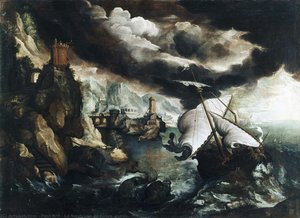
StatsCoastal Landscape
 Oil On Copper
 1596
1596 11.0 x 17.0 cm
 Wallraf-Richartz-Museum
 Read More
Giclée / Art Print
Museum-quality giclée or canvas print with fast production and flexible finish options. ( Buy Hand Made Painting Switch to Digital Image)




P118B $10

P118H $10

P118W $10

P438Z $10

P508JH $12

P508YH $12

P805H $10

P805Z $10

P919BZ $10

P919G $10

P919XJ $10

P959ZH $10

P968JZ $12

W106C $8

W218G $10

W218JH $8

W218Y $10

W307PJ $10

W316G $10

W316PJ $8

W316Y $10

W398PJ $8

W4111J $10

W500HY $15

W500JH $15

W692G $12

W849H $8

W940BG $15

W953PJ $8




Pick from our preset sizes that match the artwork's original proportions.

Type the width and the height you need, to fit your frame or your wall. A print can only be cut, never made bigger than the picture, so a size with a different shape loses a part of the image. We send you a digital mockup to approve before we print anything. The picture shown on this page does not show the real cut — only the mockup does.
Worldwide Delivery () in 2 weeks instead of standard 4/5 weeks. (27 October)

Free Worldwide Express Shipping

High-Quality Linen Canvas

Full Shipping Insurance

Customs Tax Refund Guarantee

True Color Matching Guarantee

100-Day Return Policy (Defects Only)

100% Money-Back Guarantee

Bulk Discount Offer
 Glass option is only available in size under 110 CM

Coastal Landscape
Giclée / Art Print
Reproduction Size
-


Total Price
$ 81
A Glimpse into Golden Age Serenity
Paulus Bril’s *Coastal Landscape*, painted in 1596, isn't merely a depiction of a shoreline; it’s an invitation to step into the tranquil heart of Flemish Baroque artistry. Measuring just 11 x 17 cm, this diminutive oil on copper possesses a remarkable power to transport the viewer – a testament to Bril’s mastery of scale and atmospheric perspective. Currently residing in the Wallraf-Richartz-Museum in Cologne, Germany, the painting radiates a quiet energy, capturing a moment suspended between land and sea.
The Birth of the Italianate Landscape
Bril stands as a pivotal figure in the evolution of landscape painting, specifically credited with pioneering what would become known as the ‘Italianate’ style. While born in Antwerp, Belgium, his artistic journey led him to Rome where he spent much of his career. It was here that he developed a unique vision – one blending Northern European attention to detail with the idealized scenery of Italy. He wasn't simply *painting* landscapes; he was constructing them as emotional spaces, imbued with classical references and a palpable sense of atmosphere.
Technique & The Dance of Light
The painting’s impact stems not only from its subject matter but also from Bril’s technical prowess. Executed in oil on copper – a support favored for its smooth surface and ability to render fine details – the work showcases his meticulous brushwork. Notice how light isn't simply *applied* to the scene, but rather built up through layers of subtle gradations. The dramatic sky, filled with billowing clouds, doesn’t overwhelm the composition; instead, it casts a warm, golden glow upon the rocky coastline and the figures populating the shore. This interplay between light and shadow isn't merely decorative—it creates depth, form, and a sense of realism that was groundbreaking for its time.
A Moment in Time: Life by the Shore
The scene itself is populated with activity, though not frenetic. Figures are engaged in everyday tasks – fishing, perhaps, or simply enjoying the coastal vista. Their attire hints at the late 16th century, grounding the painting in a specific historical moment. Bril doesn’t focus on grand narratives or mythological allegories; he finds beauty and significance in the ordinary. This is not about spectacle but about observation—a quiet contemplation of nature's enduring power and humanity’s place within it. The small boats dotting the sea, the rugged cliffs, and scattered trees all contribute to a harmonious composition that evokes feelings of peace and serenity.
Bringing Bril’s Vision Home
For art enthusiasts and collectors alike, owning a reproduction of *Coastal Landscape* offers more than just aesthetic appeal. It's an opportunity to connect with a pivotal moment in art history—to experience the tranquility and skill that defined Paulus Bril’s legacy. A handmade oil painting reproduction allows you to appreciate the nuances of his brushwork and the subtle interplay of light, bringing a touch of Golden Age serenity into your own space.
Questions & Answers
What are the medium and date of "Coastal Landscape" by Paulus Bril?
"Coastal Landscape" was created in 1596 using the oil on copper technique. Material and date describe how and when the original was made.
Where can I find statistics about "Coastal Landscape" by Paulus Bril?
The Stats page of "Coastal Landscape" by Paulus Bril presents public visit statistics: monthly visits of this artwork, a comparison with the artist's most viewed works, and where its visitors come from.
What medium is "Coastal Landscape" by Paulus Bril executed in?
The medium of "Coastal Landscape" by Paulus Bril is oil on copper. Reproductions aim to render the appearance of this technique.
Artist Biography
Paulus Bril (Paul Brill): A Master of Italianate Landscape
Paulus Bril, also known as Paul Brill (1554-1626), was a highly influential Flemish painter and printmaker celebrated for his pioneering role in developing the Italianate landscape genre. Born in Antwerp, Belgium, he spent the majority of his career in Rome, where his work significantly impacted both Italian and Northern European landscape painting. His artistic legacy lies in his ability to capture the beauty and grandeur of the Italian countryside while incorporating classical motifs and a distinctive atmospheric perspective.
Early Life and Artistic Development
- Birth and Family: Paulus Bril was born in Antwerp, though some sources suggest Breda as a possible birthplace. He hailed from an artistic family; his father was both a painter and an art dealer, providing young Paulus with early exposure to the art world.
- Early Training & Influences: His initial training likely occurred within his family circle, absorbing the traditions of Flemish landscape painting. This foundation emphasized atmospheric effects – the use of light, color, and aerial perspective to create a sense of depth and mood. Early works reflect this influence, showcasing meticulous detail and a focus on realistic representation.
- Move to Rome: A pivotal moment in Bril's career was his relocation to Rome. This move exposed him directly to the landscapes of Italy and allowed him to develop his signature style – the Italianate landscape.
The Italianate Landscape and Artistic Innovations
- Defining Characteristics: Bril’s Italianate landscapes are characterized by their depiction of idealized views of the Italian countryside, often featuring classical ruins (temples, arches, columns), picturesque waterways, lush vegetation, and idyllic pastoral scenes.
- Classical Motifs & Composition: He skillfully integrated classical architectural elements into his compositions, creating a harmonious blend of nature and antiquity. His landscapes are not merely depictions of scenery; they evoke a sense of history, grandeur, and timeless beauty.
- Light and Atmosphere: Bril’s masterful use of light and color is crucial to the appeal of his work. He employed warm tones and subtle gradations to create a luminous atmosphere that draws the viewer into the scene. His understanding of aerial perspective – how objects appear fainter and bluer with distance – adds depth and realism to his landscapes.
- Influence on Contemporaries: Bril's style had a profound impact on other artists, most notably Claude Lorrain, who greatly admired and emulated Bril’s approach to landscape painting. He also influenced Willem van Nieulandt, as evidenced by their shared interest in depicting Italianate ruins.
Major Achievements and Historical Significance
- Revolutionizing Landscape Painting: Paulus Bril is considered a key figure in the development of the Italianate landscape genre, establishing a new standard for landscape painting both in Italy and Northern Europe.
- Popularity & Patronage: His works were highly sought after during his lifetime, demonstrating his popularity among collectors and patrons.
- Legacy: Bril’s emphasis on classical motifs, atmospheric perspective, and the idealized depiction of nature influenced generations of landscape painters who followed in his footsteps. He helped to elevate landscape painting from a secondary genre to one of considerable artistic merit.
Collections and Further Exploration
Works by Paulus Bril can be found in prestigious museums and collections across Europe. Notable holdings include:
- Groeninge Museum, Bruges, Belgium
- Rockox House, Antwerp, Belgium
To further explore his art, consider visiting the Paulus Bril artist page and related artworks on OriginalUniqueArt.com.

Paulus Bril
1554 - 1626 , Belgium
Quick Facts
- Full Name: Paulus Bril / Paul Brill
- Nationality: Flemish
- Date Of Birth: 1554
- Date Of Death: 1626
- Place Of Birth: Antwerp, Belgium
- Notable Artworks:
- View of Bracciano
- Landscape with Erminia
- Artistic Movement Or Style: Italianate landscapes, Mannerism
- Artists Or Movements Influenced By This Artist: ['Claude Lorrain']
Related Articles

Paul Klee's Masterpieces: Explore 25 Iconic Paintings & Prints | OriginalUniqueArt
Journey through Paul Klee's 25 most iconic paintings & prints. Explore his abstract style, Bauhaus influence, and vibrant color palettes. Find museum-quality art reproductions & decor ideas at OriginalUniqueArt.com. Discover all masterpieces online.
Epic Drama & Dark Vibes: The Ultimate Collector's Guide to Baroque Landscapes
Master the art of drama with our ultimate guide to Baroque landscapes. Discover the power of chiaroscuro, explore legendary masters, and learn how to curate epic, dark-vibe masterpieces for your collection with expert insights from OriginalUniqueArt.

Cézanne's Masterpieces: 25 Iconic Artworks to Transform Your Space
Journey through 25 iconic artworks by Paul Cézanne – a master of Impressionism and Post-Impressionism. Explore his landscapes, still lifes, and the stories behind these timeless masterpieces. Discover museum-quality reproductions & curated decor at OriginalUniqueArt.com.

Romantic Landscapes: 10 Masterpieces for Your Home | OriginalUniqueArt
Journey through 10 Romantic landscape masterpieces by Friedrich, Turner & Cole. Explore emotional art, sublime nature scenes & iconic 19th-century paintings. Find museum-quality reproductions for your home at OriginalUniqueArt.com – discover the full collection online!

Mastering Drama and Light: A Definitive Guide to the Flemish Baroque Art Movement
Explore the dramatic brilliance of the Flemish Baroque movement. Discover how masters like Peter Paul Rubens utilized chiaroscuro and dynamic composition to redefine art history through light, shadow, and unparalleled emotion.