
 Oil Edition
 Everything about Fındıklı

































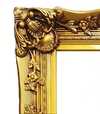
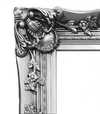

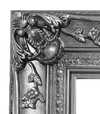


 For artworks or reproductions larger than 105 cm (approximately 41 inches) on any side, the frame will be shipped as a kit, disassembled. This method ensures safe delivery and prevents damage during transport.


A Window into Ottoman Istanbul: Pascal Sébah’s “Fındıklı”
Pascal Sébah’s “Fındıklı,” a monochrome photograph depicting the bustling cityscape of Istanbul, offers more than just a visual record; it's a glimpse into the spirit of Ottoman life during the mid-19th century. Captured around 1860, this image showcases Sébah’s collaborative partnership with Henri Bechard, marking an early triumph for both artists and establishing a foundational element in the history of Ottoman photography.
- Subject Matter: The photograph presents a panoramic view of Istanbul harbor, dominated by numerous boats laden with cargo – hence the title “Fındıklı,” which translates to “Hazelnut,” referencing the nuts carried on these vessels. Beyond the maritime activity, the scene unfolds with densely populated streets lined with buildings reflecting Ottoman architectural grandeur.
- Style & Technique: Sébah’s masterful use of black and white photography exemplifies the Pictorialist movement prevalent at the time. He skillfully employed albumen printing—a process known for its tonal richness and ability to reproduce subtle nuances in light and shadow—resulting in an image imbued with atmospheric depth and textural detail.
- Historical Context: “Fındıklı” was produced during a period of significant modernization within the Ottoman Empire, albeit one characterized by considerable conservatism. Sébah’s work served as official documentation for the Imperial Court, capturing scenes of daily life alongside monumental architectural achievements like mosques and palaces. It reflects the empire's ambition to portray itself as a civilized power on par with Europe.
The photograph’s composition deliberately emphasizes perspective and scale, guiding the viewer’s eye across the harbor and into the heart of the city. Sébah’s meticulous attention to detail—evident in the depiction of boatsheds, buildings facades, and even individual figures—highlights the artist's commitment to capturing not merely what was seen but also how it felt.
More than just a snapshot of Istanbul, “Fındıklı” embodies the aesthetic ideals of its era – Romanticism’s fascination with grandeur and beauty combined with Pictorialist’s pursuit of artistic expression beyond mere representation. It stands as a testament to Sébah's pioneering role in documenting Ottoman culture and continues to inspire admiration for its evocative atmosphere and technical brilliance.
- Symbolism: The boats themselves symbolize trade, prosperity, and the empire’s connection to international commerce. Simultaneously, the densely populated streets represent the vibrant pulse of Ottoman society—a blend of tradition and burgeoning modernity.
“Fındıklı” remains a captivating image for interior designers seeking to evoke a sense of timeless elegance and cultural heritage. Reproductions offer an opportunity to bring this evocative scene into contemporary spaces, reminding viewers of Istanbul’s rich artistic legacy.
Questions & Answers
Is this Fındıklı painted by hand or printed?
Painted by hand: a trained painter copies Fındıklı in oil on linen canvas.
What size should I choose for Fındıklı?
The original measures 258 x 335 cm. Sizes run from 27.7 x 36.1 cm ($219) to 184.2 x 240.7 cm ($1840); the table on this page lists the main steps and their prices.
How long does delivery take?
Delivery takes 4 to 5 weeks, with free worldwide express shipping; an urgent production option is offered on this page. You can return it within 100 days for a full refund, with no condition.
Where is the original Fındıklı?
The original is in the collection of the Pera Museum, Istanbul.
What medium did Pascal Sébah use for Fındıklı?
Acrylic On Canvas.
More about this painting
 Preview

 Send
 Share
 Details
 Fact sheet


 Download
 Similars
 X-Ray
 Diaporama
 Q&A

 Stats


