Preview
 Send
Send Share
Share
 Details
 Guide
Guide

 Download
 Similars
 X-Ray
X-Ray Diaporama
 Q&A
Q&A Stats
StatsStudy of a shore


 Read More
Giclée / Art Print
Museum-quality giclée or canvas print with fast production and flexible finish options. ( Buy Hand Made Painting Switch to Digital Image)




P118B $10

P118H $10

P118W $10

P438Z $10

P508JH $12

P508YH $12

P805H $10

P805Z $10

P919BZ $10

P919G $10

P919XJ $10

P959ZH $10

P968JZ $12

W106C $8

W218G $10

W218JH $8

W218Y $10

W307PJ $10

W316G $10

W316PJ $8

W316Y $10

W398PJ $8

W4111J $10

W500HY $15

W500JH $15

W692G $12

W849H $8

W940BG $15

W953PJ $8




Pick from our preset sizes that match the artwork's original proportions.

Type the width and the height you need, to fit your frame or your wall. A print can only be cut, never made bigger than the picture, so a size with a different shape loses a part of the image. We send you a digital mockup to approve before we print anything. The picture shown on this page does not show the real cut — only the mockup does.
Worldwide Delivery () in 2 weeks instead of standard 4/5 weeks. (4 November)

Free Worldwide Express Shipping

High-Quality Linen Canvas

Full Shipping Insurance

Customs Tax Refund Guarantee

True Color Matching Guarantee

100-Day Return Policy (Defects Only)

100% Money-Back Guarantee

Bulk Discount Offer
 Glass option is only available in size under 110 CM

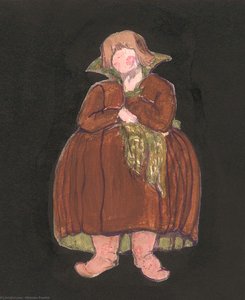
Study of a shore
Giclée / Art Print
Reproduction Size
-


Total Price
$ 81
A Tranquil Vista into the Soul of Nicholas Roerich
“Study of a shore,” painted in 1923 by Nicholas Roerich, stands as a testament to his singular vision—a masterful blend of Symbolism and early Modernist aesthetics that captures not merely a landscape but an inner state of contemplation. More than just a depiction of the Himalayan foothills bathed in ethereal light, it’s a window into Roereich's profound belief in the interconnectedness of humanity and nature, reflecting his spiritual quest for universal harmony.
Composition and Visual Harmony
The artwork’s composition immediately draws the eye inward. Dominating the canvas is a monumental expanse of water—a deep azure hue punctuated by subtle ripples—that stretches horizontally across the frame. Above this serene surface rise towering mountains, rendered in simplified forms that prioritize solidity and grandeur. A central island or rocky outcrop disrupts the horizontal plane, creating visual dynamism and preventing the scene from feeling static. At the base, a gently sloping hill acts as an inviting pathway into the landscape’s depths.
Color Palette: Earthy Serenity
Roereich eschewed vibrant colors in favor of a muted palette dominated by blues, greens, and browns—tones that evoke the stillness of glacial lakes and the rich hues of alpine meadows. These colors aren't merely descriptive; they’re imbued with symbolic significance, mirroring Roereich’s fascination with elemental forces and their influence on human consciousness. Careful gradation within each form suggests diffused light, enhancing the overall impression of tranquility and fostering a sense of dreamy beauty.
Technique: Watercolor’s Delicate Embrace
The artwork's execution speaks volumes about Roereich’s artistic sensibilities. Evidence strongly suggests that watercolor or gouache was employed—a technique celebrated for its ability to capture subtle nuances of tone and texture while maintaining a luminous quality. The smooth surface achieved through layering washes contributes to the piece’s ethereal atmosphere, prioritizing expressive gesture over meticulous realism. Lines are minimal; instead, shapes define the forms, reflecting Roereich's belief in conveying essence rather than replicating visual detail.
Symbolism and Spiritual Resonance
Like much of Roereich’s oeuvre, “Study of a shore” transcends its purely representational function. The mountains symbolize strength and stability—a grounding force against the vastness of the water, which represents fluidity and transformation. The island embodies solitude and introspection—inviting viewers to contemplate their own place within the cosmic order. These elements align with Roereich’s broader philosophical framework, rooted in esoteric traditions that seek to illuminate the hidden dimensions of reality. Ultimately, “Study of a shore” invites us to experience the profound beauty and spiritual depth inherent in observing the natural world.
Questions & Answers
Can I order an oil reproduction of "Study of a shore"?
You can order a hand-painted reproduction of "Study of a shore" by Nicholas Roerich directly on its Hand-Painted Reproduction page: a hand-painted oil reproduction on linen canvas, made to order.
What mood would "Study of a shore" bring to a space?
The serene atmosphere of "Study of a shore" by Nicholas Roerich matches its recommended space: a living room.
Who is the author of "Study of a shore", and in which movement?
"Study of a shore" was created by Nicholas Roerich in the Symbolism and Early Modernism style. Artist and movement identify the work's tradition.
Artist Biography
A Life Immersed in Art and Spirit
Nicholas Roerich, born October 9, 1874, in the vibrant cultural heart of Saint Petersburg, Russia, was a figure whose life transcended the boundaries of artistic expression. He wasn’t merely a painter; he was an archaeologist, a writer, a philosopher, and a tireless advocate for peace and cultural preservation. His upbringing, steeped in both intellectual rigor – his father was a notary public – and artistic appreciation thanks to his mother, laid the foundation for a remarkably multifaceted career. Roerich simultaneously pursued studies in law and art at St. Petersburg University and the Imperial Academy of Arts beginning in 1893, demonstrating an early commitment to a broad understanding of the world. This dual path wasn’t contradictory for him; rather, it reflected a belief that artistic vision needed grounding in historical context and intellectual discipline. He received his artist designation in 1897 and completed his law degree the following year, setting the stage for a life dedicated to both creative exploration and reasoned action.The Allure of Symbolism and Theatrical Innovation
Roerich’s artistic development was profoundly shaped by the currents of Russian Symbolism, a movement that sought to evoke emotional and spiritual depths through evocative imagery and suggestive forms. He quickly became involved with Sergei Diaghilev's influential “World of Art” society, eventually assuming its presidency from 1910 to 1916. This association proved pivotal, exposing him to a network of innovative artists, composers, and thinkers who were redefining the landscape of Russian art. His early work revealed a fascination with archaeology and stage design, leading to groundbreaking collaborations with Diaghilev’s Ballets Russes. Roerich's designs for productions like Alexander Borodin's *Prince Igor* (1909) and, most famously, Igor Stravinsky’s revolutionary *The Rite of Spring* (1913), were not simply backdrops; they were integral components of the theatrical experience. He blended meticulous historical research with a bold imaginative vision, creating visually stunning environments that amplified the emotional power of the music and choreography. These designs weren't merely decorative; they were attempts to evoke primordial forces and ancient rituals, reflecting the Symbolist interest in myth and spirituality. His work was also influenced by apocrypha and medieval sectarian writings like the Dove Book, adding layers of esoteric meaning to his artistic creations.A Journey Towards Mysticism and Himalayan Visions
As Roerich’s career progressed, his paintings underwent a significant transformation, increasingly embracing mystical and spiritual themes. This shift was fueled by his growing interest in Theosophy and Eastern religions, philosophies that emphasized the interconnectedness of all things and the pursuit of inner wisdom. His *Architectural Studies* series (1904–1905) showcased not only his architectural skill but also a deep commitment to preserving cultural heritage, foreshadowing his later advocacy for protecting art during times of conflict. Recurring motifs began to emerge in his work: majestic landscapes, ancient cities shrouded in mystery, and figures imbued with spiritual significance like St. Panteleimon and Kuan Yin. Perhaps most notably, the Himalayas became a central subject in his paintings, representing not just a geographical location but a realm of profound spiritual power and enlightenment. He embarked on extensive travels throughout Central Asia, conducting archaeological research and documenting ancient cultures, experiences that deeply informed his artistic vision and reinforced his belief in the importance of cultural understanding.Legacy of Preservation and Enduring Influence
Nicholas Roerich’s commitment extended beyond the canvas; he was a dedicated advocate for protecting art and architecture during times of war. Recognizing the vulnerability of cultural treasures, he spearheaded the creation of the Roerich Pact in 1935 – an international treaty designed to safeguard cultural objects from destruction. This initiative earned him multiple nominations for the Nobel Peace Prize, underscoring his profound humanitarianism. His tireless efforts demonstrated a belief that preserving cultural heritage was essential not only for understanding the past but also for building a more peaceful future. Today, Roerich’s work is celebrated in prominent museum collections worldwide, including the Astrakhan State Picture Gallery and, notably, the Nicholas Roerich Museum in New York City. His impact on Russian art and culture remains immeasurable. He bridged the gap between artistic expression and spiritual exploration, influencing generations of artists and thinkers with his visionary approach. He is remembered not only as a painter but as a scholar, a humanitarian, and a beacon of hope for cultural preservation.Key Works & Continuing Relevance
- Saint Nicholas: A detailed monochrome mural showcasing medieval art and heraldic symbolism.
- City: Evocative depictions of ancient urban landscapes, reflecting his archaeological interests.
- Lake of the Nagas: A tempera painting blending symbolism and nature, exemplifying his unique artistic vision.

Nicholas Roerich
1874 - 1947 , Russia
Quick Facts
- Full Name: Nicholas Roerich
- Nationality: Russian
- Date Of Birth: 1874
- Date Of Death: 1947
- Place Of Birth: Saint Petersburg, Russia
- Notable Artworks:
- Saint Nicholas
- City
- Lake of the Nagas
- Artistic Movement Or Style: Symbolism, Spiritual art
- Artists Who Influenced This Artist: ['Sergei Diaghilev']
- Artists Or Movements Influenced By This Artist: ['Russian Symbolism']
Related Articles

Ephemeral Visions: Exploring the Artistic Legacy & Nuances of Watercolor Painting
Explore the captivating world of watercolor painting! Discover its rich history, essential techniques, influential artists & collecting tips from art experts. A comprehensive guide for enthusiasts.

Watercolor Wonders: 10 Masterpieces That Redefined Art History | OriginalUniqueArt
Journey through 10 legendary watercolor masterpieces by Sargent, Turner & Homer! Explore iconic landscapes, portraits & floral art that redefined history. Find museum-quality reproductions and curated decor ideas at OriginalUniqueArt.com.

Ephemeral Visions: Exploring the Artistic Legacy & Contemporary Practice of Watercolor Painting
Explore the captivating world of watercolor painting! Discover its rich history, essential techniques, influential artists & collecting tips. A comprehensive guide for art enthusiasts from OriginalUniqueArt.

Nicholas Roerich: Mysticism, Mountains & the Search for Ageless Wisdom in Art
Explore the captivating art of Nicholas Roerich – a visionary painter whose Himalayan landscapes blend spiritual mysticism with cultural preservation. Discover his legacy & symbolism.

Ephemeral Visions: Exploring the History & Emotional Resonance of Watercolor Painting
Explore the captivating history of watercolor painting, from ancient techniques to modern masters like Kandinsky & Blake. Discover essential artists, collecting tips & the emotional power of this luminous medium. Expert insights for art enthusiasts.