 Preview
 Send
Send Share
Share
 Details

 Download
 Similars
 X-Ray
X-Ray Diaporama
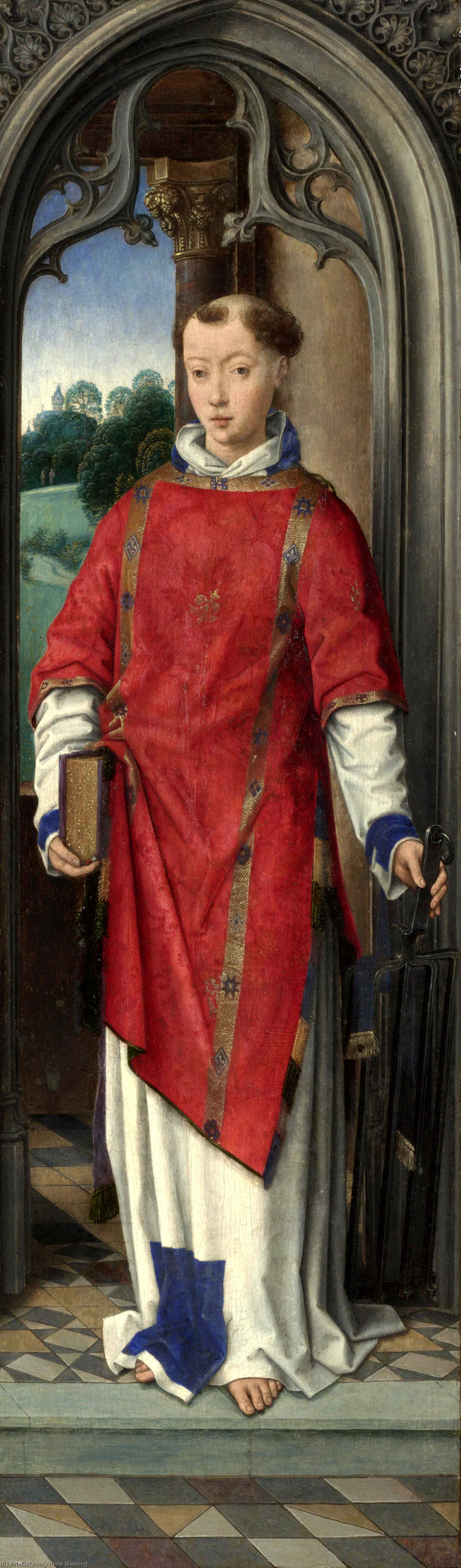
Saint lawrence


 Read More
Giclée / Art Print
Museum-quality giclée or canvas print with fast production and flexible finish options. ( Buy Hand Made Painting Buy Image)




P118B $10

P118H $10

P118W $10

P438Z $10

P508JH $12

P508YH $12

P805H $10

P805Z $10

P919BZ $10

P919G $10

P919XJ $10

P959ZH $10

P968JZ $12

W106C $8

W218G $10

W218JH $8

W218Y $10

W307PJ $10

W316G $10

W316PJ $8

W316Y $10

W398PJ $8

W4111J $10

W500HY $15

W500JH $15

W692G $12

W849H $8

W940BG $15

W953PJ $8




Pick from our preset sizes that match the artwork's original proportions.

You may enter your own dimensions to fit a specific frame or space. If your selected size does not match the original image's proportions, we will either crop the artwork or extend the image with a mirrored or solid-fill edge. A digital mockup will be sent for your approval before production begins.
Please note that the on-screen preview does not reflect the actual cropping or extension. Only the mockup will accurately show the final composition.
While custom sizes are available, we recommend selecting a dimension from the predefined list to preserve the original proportions.
Worldwide Delivery () in 2 weeks instead of standard 4/5 weeks. (14 August)

Free Worldwide Express Shipping

High-Quality Linen Canvas

Full Shipping Insurance

Customs Tax Refund Guarantee

True Color Matching Guarantee

60-Day Return Policy (Defects Only)

100% Money-Back Guarantee

Bulk Discount Offer
 Glass option is only available in size under 110 CM

Saint lawrence
Giclée / Art Print
Reproduction Size
-


Total Price
$ 81
Collectible Description
A Vision of Faith: Hans Memling’s Saint Lawrence
This captivating portrait by Hans Memling presents a young Saint Lawrence, rendered with the meticulous detail and serene beauty characteristic of Early Netherlandish painting. The artwork offers a compelling glimpse into the religious sensibilities and artistic mastery of 15th-century Bruges.Subject & Composition
The composition centers on a youthful figure, likely depicting Saint Lawrence shortly before his martyrdom. He is portrayed as a cleric, framed by an arched doorway that subtly suggests a sacred space – perhaps a church or monastic setting. Saint Lawrence’s gaze is direct and composed, inviting contemplation from the viewer. He holds a book, symbolizing knowledge and devotion, and a simple wooden staff, representing his pastoral role. The figure's placement within the architectural frame emphasizes his importance while grounding him in a recognizable world.Style & Technique
Memling’s style is immediately apparent in the artwork’s remarkable realism. He was deeply influenced by Rogier van der Weyden, but developed a uniquely gentle and refined approach. The painting exemplifies the Early Netherlandish technique of layering thin glazes of oil paint. This painstaking process creates luminous colors, subtle gradations of light and shadow, and an almost porcelain-like smoothness to the surfaces. The precise rendering of textures – from the rich folds of Saint Lawrence’s robes to the delicate foliage in the background landscape – is truly exceptional. Lines are crisp and defined, contributing to the overall clarity and precision of the image.Symbolism & Iconography
The elements within the painting carry significant symbolic weight. The vibrant red robe worn by Saint Lawrence signifies his status as a martyr and represents the blood he shed for his faith. Red was often associated with divine love and sacrifice. The book and staff are traditional attributes of clerics, representing learning, spiritual authority, and guidance. The landscape background, while providing depth, also alludes to the natural world created by God, reinforcing themes of creation and redemption.Historical Context & Artistic Legacy
Hans Memling (c. 1430-1494) was a leading figure in the flourishing artistic scene of Bruges during the 15th century. He catered to a wealthy clientele of clergymen, aristocrats, and merchants, creating devotional works that reflected their piety and status. Memling’s paintings are celebrated for their serene beauty, technical brilliance, and profound spiritual depth. Many of his masterpieces can still be admired today at the Memling Museum in Bruges, housed within the historic Sint-Janshospitaal (St John's Hospital).Emotional Impact & Interior Design
This portrait of Saint Lawrence evokes a sense of quiet contemplation and reverence. The figure’s peaceful expression and dignified bearing inspire feelings of faith, hope, and serenity. The artwork’s harmonious color palette and balanced composition make it suitable for a variety of interior settings. It would be particularly effective in a library, study, or chapel-like space, adding a touch of timeless elegance and spiritual depth. A high-quality reproduction of this painting can serve as a focal point in any room, inviting viewers to pause and reflect on its enduring beauty and message.Key Features
- Artist: Hans Memling
- Period: Early Netherlandish (15th Century)
- Medium: Oil on Panel
- Style: Realistic, Detailed, Devotional
Artist Biography
Hans Memling: The Bruges Master of Detail and Patronage
Hans Memling (c. 1430 – August 11, 1494), born in Seligenstadt, Germany, stands as a pivotal figure in Early Netherlandish painting—a movement characterized by exquisite realism, meticulous observation of nature, and profound spiritual contemplation. Though his formative years were spent primarily within the Rhineland’s artistic milieu, Memling's trajectory ultimately led him to Bruges, Belgium, where he established himself as one of the foremost artists of his time and cultivated a prolific workshop that disseminated his distinctive style across Europe.- Early Life & Apprenticeship: Precise biographical details surrounding Memling’s birth remain elusive, yet scholarly consensus suggests he emerged from Mainz around 1430. His artistic education commenced under the tutelage of Rogier van der Weyden, a titan of Flemish painting whose mastery of oil paint and sculptural modeling profoundly shaped Memling's technique. This apprenticeship instilled in him an unwavering dedication to detail—a hallmark that would define his oeuvre.
- Bruges & The Workshop: By 1465, Memling secured citizenship in Bruges, a burgeoning commercial hub and artistic epicenter. Recognizing the potential for collaborative creativity, he founded a workshop staffed by numerous assistants, fostering an environment of innovation and stylistic consistency. This workshop became renowned for producing stunning reproductions of masterpieces—a testament to Memling’s skill as both artist and pedagogue.
A Style Defined by Precision & Patronage
Memling's artistic style is instantly recognizable: characterized by luminous color palettes, delicately rendered drapery folds, and an astonishing level of anatomical accuracy. He meticulously studied human anatomy—drawing inspiration from classical sculpture—to achieve unparalleled realism in his portraits and religious scenes alike. Unlike many contemporaries who favored expressive brushstrokes, Memling prioritized meticulous observation and painstaking execution, resulting in images imbued with serene beauty and profound spiritual depth.- Religious Commissions: Memling’s reputation soared thanks to lucrative commissions from wealthy patrons—primarily clergymen and aristocratic families—who sought depictions of saints and biblical narratives that resonated with piety and prestige. Notable examples include “The Last Judgment” at St John's Hospital in Bruges, a monumental fresco showcasing Memling’s masterful compositional skills and dramatic use of color.
- Portraiture: Memling excelled as a portraitist, capturing the likenesses of prominent figures with remarkable sensitivity and psychological insight. His portraits—such as “Portrait of a Man with an Arrow”—demonstrate his ability to convey character through subtle gestures and facial expressions—a skill that cemented his place among the greatest artists of his era.
Influence & Legacy
Memling’s artistic legacy extends far beyond his own lifetime. His workshop produced a vast array of paintings—many bearing stylistic similarities to his original works—that propagated Memling's distinctive aesthetic across Flanders and beyond. Furthermore, Memling’s meticulous technique served as an inspiration for subsequent generations of artists—particularly Quentin Massys, who established the Antwerp School—solidifying Memling’s position as a cornerstone of Flemish Renaissance art.Rediscovery & Enduring Popularity
Memling's artistic achievements were largely forgotten until the 19th century when scholars rediscovered his paintings and championed his genius. Today, Memling’s works—particularly “The Last Judgment”—continue to captivate audiences worldwide, serving as enduring symbols of artistic excellence and spiritual contemplation. His meticulous attention to detail and profound understanding of human psychology remain remarkably relevant in our contemporary appreciation of art history.
memling, hans
Germany
Quick Facts
- Artistic Movement Or Style: Early Netherlandish Painting
- Artists Or Movements Influenced By This Artist: ['Flemish Primitive']
- Artists Who Influenced This Artist: ['Rogier van der Weyden']
- Date Of Birth: c. 1430
- Date Of Death: 11 august 1494
- Full Name: Hans Memling
- Nationality: German-Flemish
- Notable Artworks:
- St Johns Hospital
- The Last Judgement
- Scenes from the Passion
- Place Of Birth: Seligenstadt, Germany
Related Articles

Early Netherlandish Masters: 10 Paintings That Revolutionized Art & Decor
Journey into the world of Early Netherlandish painting! Explore 10 masterpieces by Jan van Eyck, Rogier van der Weyden & more. Discover stunning detail, symbolism & Renaissance art for your home decor. Find museum-quality reproductions on OriginalUniqueArt.com
Illuminating Realism: Early Netherlandish Painting (15th-16th Centuries)
Explore the captivating world of Early Netherlandish painting! Discover Jan van Eyck, Hans Memling & more. Uncover symbolism, techniques & the legacy of these Flemish masters. A comprehensive guide for art enthusiasts.

The Enduring Legacy of Oil on Canvas: Technique, History & Aesthetic Impact
Explore the rich history & techniques of oil painting – from Renaissance masters to Impressionism. Discover pigments, layering methods, and why this timeless medium endures. Expert insights for artists & art enthusiasts.

Oil on Canvas: A Historical & Technical Exploration of a Timeless Artistic Medium
Explore the rich history & enduring techniques of oil painting on canvas. Discover the science behind its longevity, conservation practices, and contemporary relevance. Expert insights for art enthusiasts.

Illuminating Realism: Early Netherlandish Painting (15th-16th Centuries)
Explore the captivating world of Early Netherlandish painting (15th-16th centuries). Discover Jan van Eyck, Hans Memling & more. Uncover revolutionary techniques and hidden symbolism in this definitive guide.