The Dawn of a New Vision: Robert Campin and Jan van Eyck
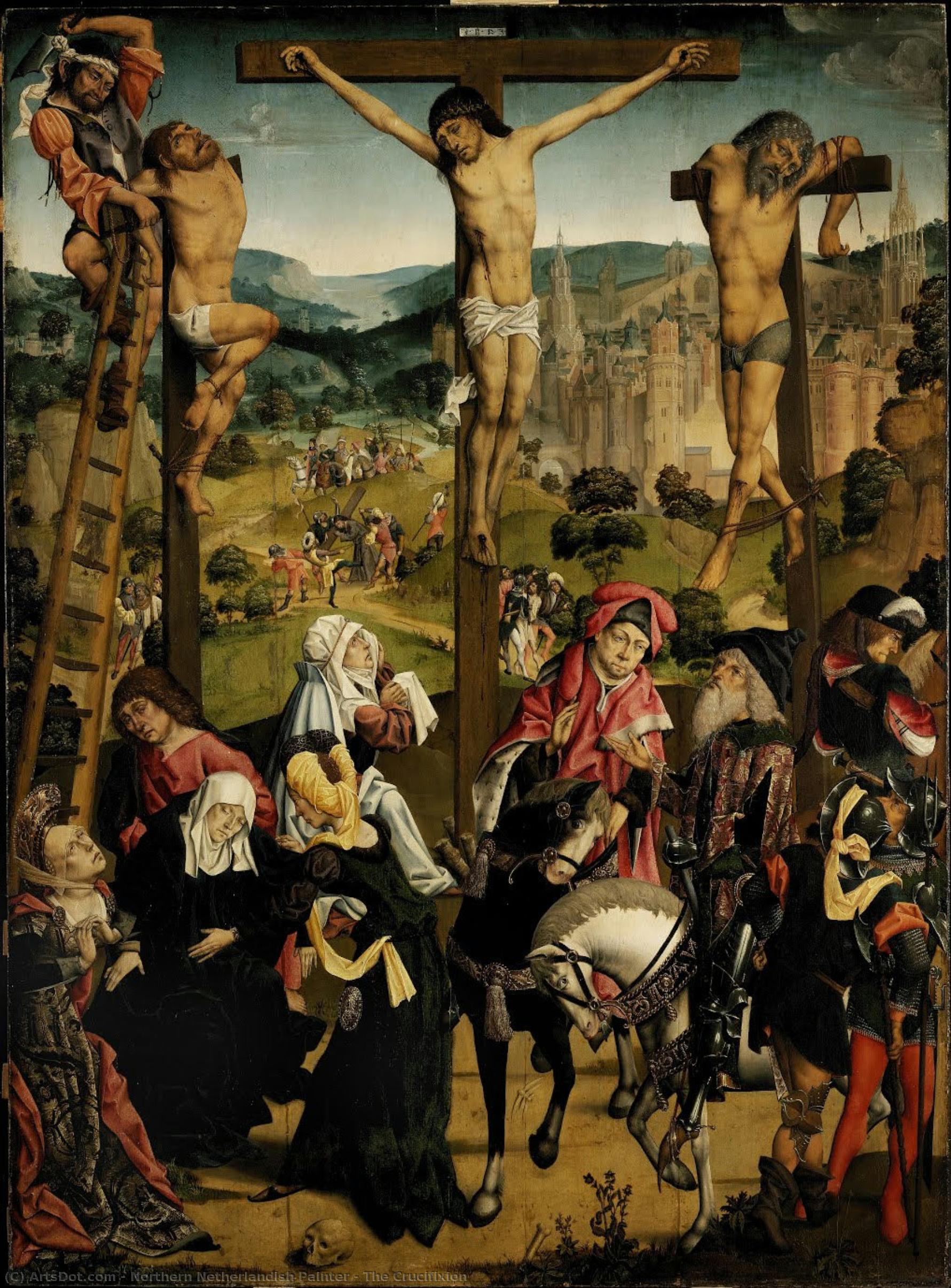 northern netherlandish painter
Explore Northern Netherlandish painting: realistic detail & religious scenes from the 15th-16th centuries. Discover artists like Jan van Eyck & Jacob van Oostsanen.
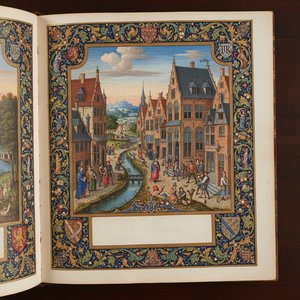
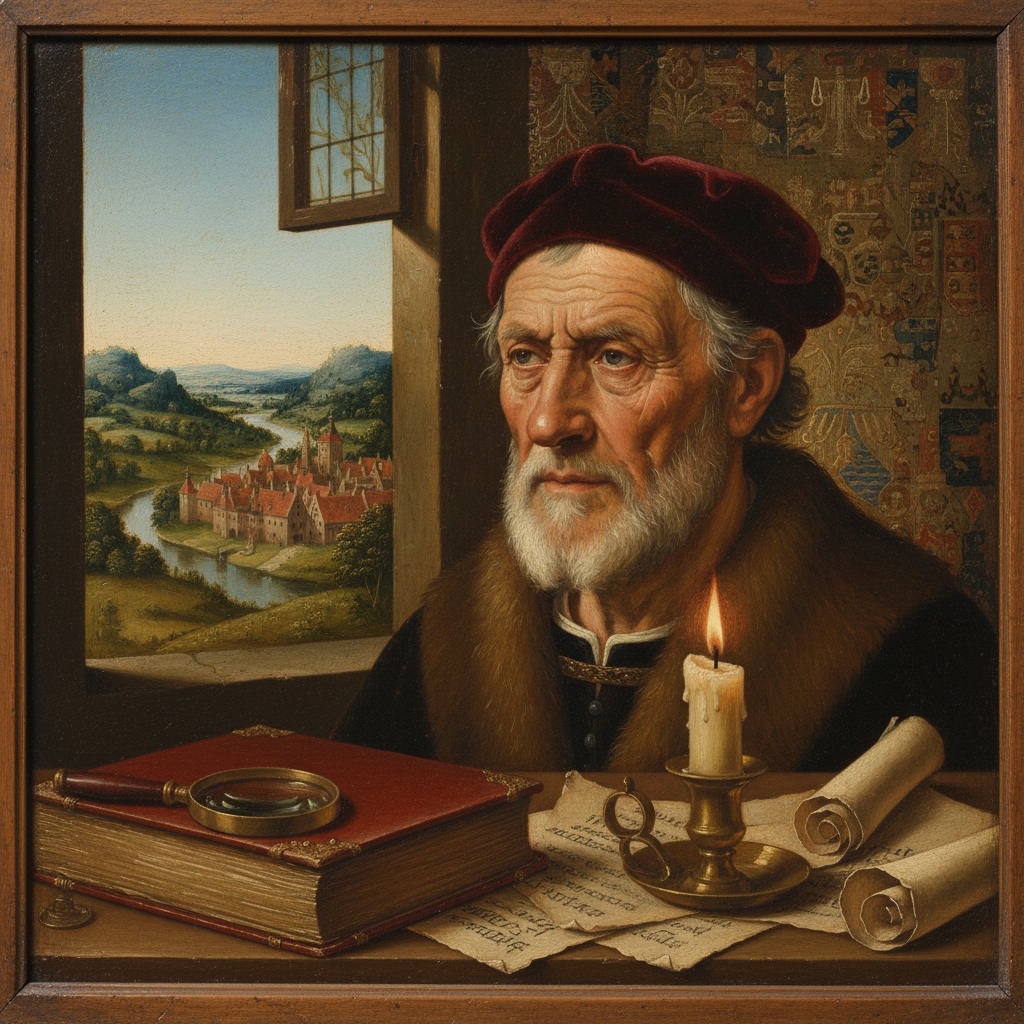
The 15th century witnessed a remarkable flowering of artistic innovation in the Netherlands, a period often referred to as the era of the Flemish Primitives. While the term itself carries historical baggage – implying a naive simplicity that belies the sophistication of these masters – it points to a fundamental shift in how artists approached representation. This wasn’t merely a continuation of Gothic traditions; it was a radical departure, driven by a desire for realism unlike anything seen before. At the forefront of this movement stood Robert Campin, often considered the pioneer, and his protégé, Jan van Eyck, whose name became synonymous with the new style. Campin, working in Tournai, began to imbue religious scenes with an unprecedented level of detail and naturalism. His “Mérode Altarpiece,” for example, isn’t simply a depiction of the Annunciation; it's a meticulously rendered domestic interior, complete with everyday objects imbued with symbolic weight. Van Eyck, building upon Campin’s foundations, elevated this realism to breathtaking heights. His mastery wasn’t just technical—it was philosophical. He sought not merely to *represent* reality but to capture its very essence, its texture, light, and atmosphere.
Oil Painting's Revolution: Technique, Texture, and Detail
Oil painting is a painting method involving the procedure of painting with pigments combined with a drying oil as the binder. It has been the most common technique for artistic painting on canvas, wood panel, or copper for several centuries. The adva...
Central to the revolution of Early Netherlandish painting was the adoption and refinement of oil paint as a primary medium. While oil had been used previously, it was Van Eyck who truly unlocked its potential. Unlike tempera, which dried quickly and allowed for little manipulation, oil offered artists an extended working time, enabling them to build up layers of translucent glazes, creating depth, luminosity, and an astonishing level of detail. This wasn’t simply about achieving photographic accuracy; it was about capturing the subtle nuances of light reflecting off surfaces – the sheen of silk, the sparkle in a gemstone, the delicate flush of skin. The technique involved applying successive thin layers of oil-based pigment, each modifying the color and tone beneath. This layering process created an almost jewel-like quality, with colors appearing to emanate from within the painting itself. Van Eyck’s “A Man in a Turban” is a testament to this mastery; the subject's gaze seems to follow you across the room, his skin possessing a lifelike texture that defies categorization as mere paint.
Iconography & Symbolism: Unveiling Hidden Meanings
Early Netherlandish paintings are rarely what they seem at first glance. Beneath the surface realism lies a complex web of iconography and symbolism, often rooted in religious beliefs and medieval traditions. Every object, every gesture, every color held meaning, intended to be deciphered by a knowledgeable audience. A single lily could represent purity, while a dog symbolized fidelity; an orange might signify wealth or marital love. Artists weren’t simply depicting scenes; they were constructing visual sermons, filled with allegorical references and moral lessons. Rogier van der Weyden, another key figure of the period, excelled at imbuing his works with emotional intensity and symbolic depth. His “Descent from the Cross” is a powerful example—the carefully arranged composition, the expressions of grief on the faces of the mourners, and the subtle details all contribute to a profound sense of pathos and spiritual contemplation.
Bruges as an Artistic Hub: Patronage and the Rise of Flemish Masters
The thriving commercial center of Bruges played a pivotal role in fostering this artistic explosion. The city’s wealthy merchant class became enthusiastic patrons of the arts, commissioning altarpieces for churches and chapels, as well as portraits to commemorate their status and piety. This demand fueled innovation, encouraging artists to push the boundaries of technique and explore new subject matter. The Burgundian court also played a significant role, attracting artists from across Europe and establishing Bruges as an international artistic hub. The competitive environment fostered a spirit of experimentation and collaboration, leading to a rapid exchange of ideas and techniques. Hans Memling, for example, established his workshop in Bruges and became renowned for his serene religious scenes and exquisite portraits, often characterized by their delicate lighting and detailed compositions. His “Marian Flowerpiece” exemplifies the Flemish love of natural detail and symbolic beauty.
Hans Memling and Dieric Bouts the Younger: Continuing the Legacy
 Dieric Bouts the Younger
Discover Dieric Bouts the Younger (1415-1475), an Early Netherlandish painter influenced by Van Eyck & Weyden. Known for innovative perspective in 'The Last Supper,' expressive figures, and rich color.
Following in the footsteps of Van Eyck and van der Weyden, artists like Hans Memling and Dieric Bouts the Younger continued to refine and develop the techniques established by their predecessors. Memling’s work often exhibits a quieter, more contemplative mood than that of his contemporaries, with an emphasis on elegant forms and harmonious compositions. His portraits are particularly notable for their psychological depth and sensitivity. Bouts the Younger, influenced by both Van Eyck and Weyden, brought a new level of innovation to perspective and spatial representation. His “The Last Supper” demonstrates a sophisticated understanding of linear perspective, creating a sense of depth and realism that was groundbreaking for its time. He also excelled at depicting expressive figures with individualized features and emotional intensity.
Preserving a Golden Age: Museums and Modern Appreciation
Today, the masterpieces of Early Netherlandish painting are treasured in museums around the world, offering modern audiences a glimpse into this remarkable period of artistic innovation. The Groeninge Museum in Bruges houses an exceptional collection of Flemish Primitives, including works by Van Eyck, Memling, and others. These paintings aren’t simply historical artifacts; they are enduring testaments to the power of human creativity and the pursuit of beauty. Through careful conservation efforts and scholarly research, we continue to unravel the mysteries of these artworks, gaining a deeper understanding of their techniques, symbolism, and cultural context. At OriginalUniqueArt.com, we are dedicated to making these masterpieces accessible to all, offering high-quality reproductions that capture the essence of this golden age of painting—allowing you to bring the beauty and detail of Early Netherlandish art into your own home.