

 Preview
 Send
Send Share
Share
 Details

 Download
 Similars
 X-Ray
X-Ray Diaporama
 Stats
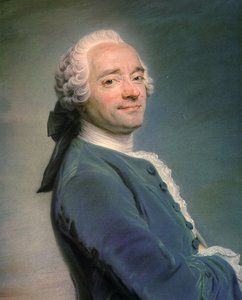
StatsSelf-Portrait
 Acrylic On Canvas
- WallArt
- Rococo Portraiture
 1776
1776 60.0 x 51.0 cm
 The Louvre
 Read More
Purchase a high-resolution, enhanced digital image, far superior to the online preview.
Each file is meticulously prepared by our in-house specialists using advanced tools and expert manual retouching. We ensure every image has exceptional clarity, precise color accuracy, and fine detail.
The final file is delivered via email within 72 hours, optimized for immediate use in professional, editorial, and print environments. This is the same quality trusted by top-tier design studios, publishers, and galleries.
Digital Image
Download a high-resolution file for personal display, printing, and creative projects. ( Switch to Print Buy Hand Made Painting)
Included in Every Digital Image Order
Expert Digital Delivery, Guaranteed
When you choose OriginalUniqueArt.com, you're not just getting an image - you're receiving a professionally enhanced digital artwork, crafted with precision and backed by a satisfaction guarantee. Here's everything that comes with your order, automatically:

Fast Email Delivery
Your high-resolution digital image file will be emailed to you within 72 hours of ordering - ready for immediate use.

AI-Enhanced Digital File
Your artwork is professionally optimized using advanced AI tools and manual editing, ensuring maximum detail, clarity, and color accuracy.

Free Lifetime Re-Delivery
Accidentally deleted or lost your file? No worries - we'll resend it to you anytime, free of charge.

No Import Fees - Ever
Enjoy your artwork instantly with zero customs, duties, or delivery fees - digital downloads are always tax-free.

Color Accuracy Guarantee
We ensure your digital image reflects the original colors as closely as possible using professional tools and color management.

100-Day Satisfaction Guarantee
If you're not satisfied with your digital image, we'll revise it or refund 100% within 100 days - no questions asked.

100% Money-Back Guarantee
Not satisfied? Get a full refund within 100 days of receiving your digital file - no questions asked.

Bulk Order Discounts
Buy 3 images, save 10% - Buy 5, save 15% - Buy 10+, save 20%. Great for creative projects, galleries, and agencies.
Maurice Quentin de La Tour’s Self-Portrait: A Pastel Masterpiece Reflecting Rococo Elegance
Maurice Quentin de La Tour’s “Self-Portrait,” completed in 1776, stands as a quintessential example of Rococo portraiture—a genre characterized by its delicate ornamentation, pastel hues, and emphasis on idealized beauty. More than just a likeness of the artist himself, this painting embodies the spirit of an era obsessed with refinement and pleasure, capturing not only De La Tour’s physical appearance but also his inner composure and intellectual curiosity.
A Window into Rococo Style
Painted in pastel on canvas, “Self-Portrait” exemplifies the favored medium of artists like Jean Baptiste Lemoyne II and Jean Baptiste Perronneau during the Rococo period. Pastel crayons—derived from powdered pigments mixed with binders—allowed for unparalleled subtlety of color and tonal gradation, enabling painters to achieve luminous effects previously unattainable with oil paints. The soft, diffused light bathing De La Tour’s face contributes significantly to this ethereal quality, mirroring the prevailing aesthetic ideals of the time.
Composition and Symbolism: An Expression of Inner Harmony
The composition is remarkably balanced, featuring De La Tour seated in a chair against a neutral background. His gaze directs upwards, conveying a sense of contemplation and serenity—a deliberate choice reflecting the Rococo fascination with psychological realism alongside formal elegance. The inclusion of two figures flanking him – one on the left and another on the right – adds depth to the scene and subtly suggests De La Tour’s engagement with intellectual discourse and artistic patronage. These companions represent not merely presence but also an embodiment of social connections, crucial elements within the aristocratic circles of Louis XV’s court.
Historical Context: Voltaire and Artistic Recognition
"Self-Portrait" was created during a period marked by significant cultural shifts—the Enlightenment championed reason and scientific inquiry while simultaneously celebrating artistic beauty. De La Tour's portrait of Voltaire, engraved by Langlois shortly after its creation, secured him considerable acclaim and demonstrated the power of printmaking to disseminate artistic achievements across Europe. This engraving ensured that De La Tour’s work would reach a wider audience than simply those attending royal gatherings.
Emotional Impact: Capturing Essence Through Pastel Light
Ultimately, “Self-Portrait” transcends mere visual representation; it succeeds in conveying an emotional resonance rooted in the artist's inner state. The gentle smile and direct gaze communicate confidence and intelligence—qualities admired during De La Tour’s lifetime. More importantly, the pastel technique itself imparts a sense of softness and intimacy, inviting viewers to contemplate not just De La Tour’s appearance but also his character and spirit – an enduring testament to the power of art to capture the essence of human experience.
Artist Biography
Maurice Quentin de La Tour: A Life in Pastel
- Born: September 5, 1704, Saint-Quentin, France
- Died: February 17, 1788, Saint-Quentin, Picardy, Kingdom of France
- Known For: Rococo portraiture in pastel, capturing likenesses of Voltaire, Louis XV, and Madame de Pompadour.
Early Life and Artistic Development
- Maurice Quentin de La Tour was born into a musical family; his father, François de La Tour, was a musician for the Duc du Maine. Despite initial familial expectations, Maurice pursued painting.
- Around 1724, he moved to Paris, where he began his artistic career. Early training included studies with Jacques Spoede and a brief period in Rheims. A trip to England in 1725 further influenced his style.
- His early portraits, such as the one of Voltaire (1731), demonstrated an emerging talent for capturing character and likeness. This portrait was notably engraved by Langlois, bringing him wider recognition.
Artistic Style and Notable Works
- Pastel Mastery: De La Tour is celebrated for his exceptional skill in using pastels. He employed the medium to create portraits with a remarkable softness and delicacy, capturing subtle nuances of expression and texture.
- Rococo Influence: His work exemplifies the Rococo style, characterized by elegance, grace, and a focus on portraying fashionable society.
- Notable Works:
- Portrait of Voltaire (1731) - Established his reputation early in his career.
- Self-Portrait, Laughing (c. 1737) – Showcases his ability to portray personality and wit.
- Portrait of Madame de Pompadour – A significant commission demonstrating his skill in capturing the likeness of a prominent figure.
- Portraits of Louis XV - Several portraits of the French King, solidifying his position within the court.
- Salon Exhibitions: He regularly exhibited at the Paris Salon, showcasing a series of 150 portraits over three decades, which became a highlight for visitors.
Recognition and Later Life
- Royal Recognition: In 1737, he was recognized by the Royal Academy of Painting and Sculpture. He later became portraitist to the king in 1750.
- Philanthropy: As his wealth grew, de La Tour dedicated himself to philanthropic endeavors, founding a school for drawing in Saint-Quentin and supporting impoverished artists.
- Mental Health Challenges: Around 1773, he experienced a nervous breakdown, leading to periods of mental illness and eventual retirement to his hometown of Saint-Quentin.
Legacy and Historical Significance
- De La Tour’s portraits are highly valued for their psychological insight and technical brilliance. He elevated pastel portraiture to new heights, influencing subsequent generations of artists.
- His ability to capture the essence of his subjects—their personalities, intelligence, and social standing—made him one of the most sought-after portraitists of his time.
- Today, his works are held in prestigious museums worldwide, including the Musée du Louvre, providing valuable insights into 18th-century French society and artistic practices.
Maurice Quentin de La Tour
1704 - 1788 , France
Quick Facts
- Artistic Movement Or Style: Rococo
- Date Of Birth: September 5, 1704
- Date Of Death: February 17, 1788
- Full Name: Maurice Quentin de La Tour
- Nationality: French
- Notable Artworks:
- Portrait of Madame de Pompadour
- Louis XV
- Self-portrait, laughing
- Place Of Birth (City And Country): Saint-Quentin, France