
 Preview
 Send
Send Share
Share
 Details

 Download
 Similars
 X-Ray
X-Ray Diaporama
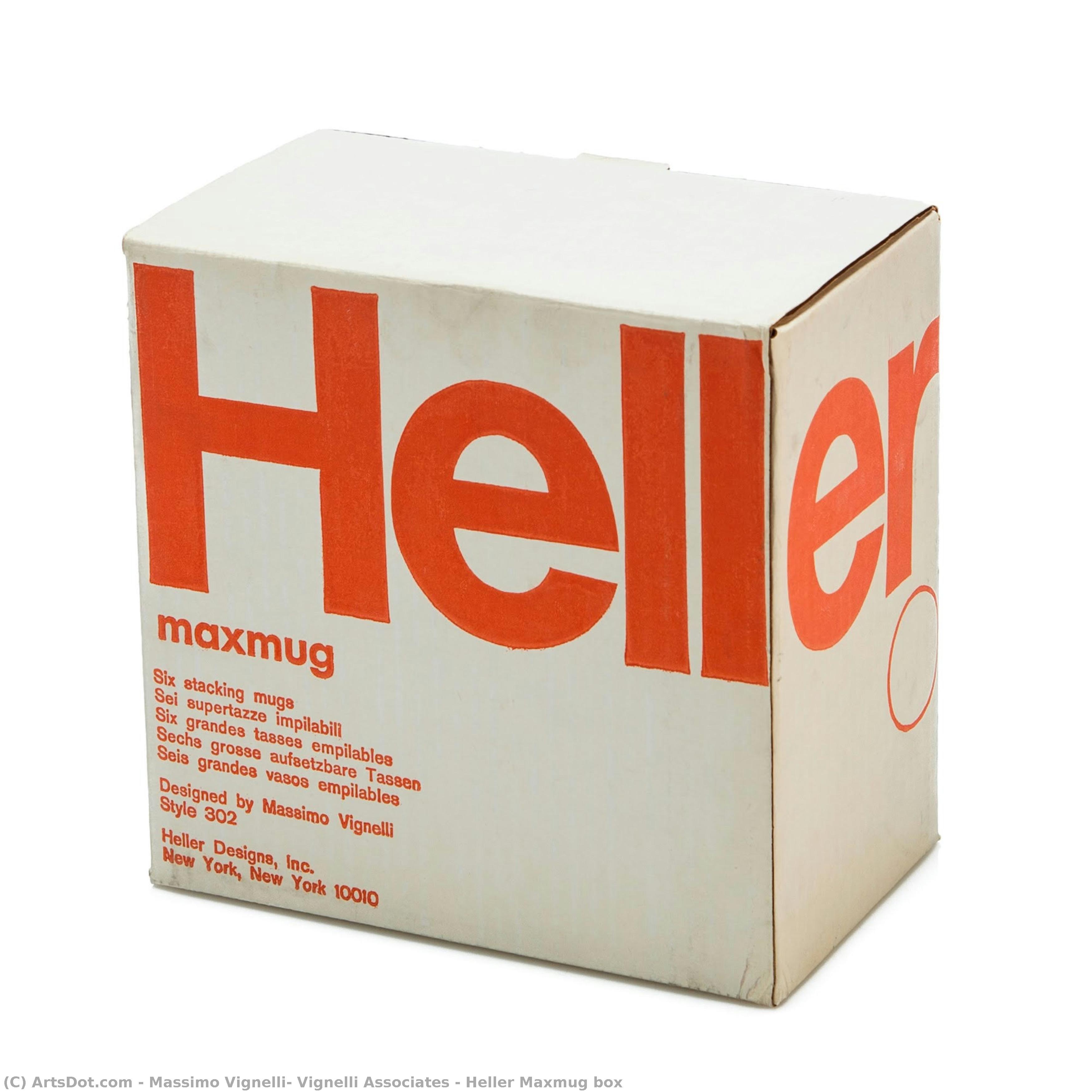
Heller Maxmug box


 Read More
Giclée / Art Print
Museum-quality giclée or canvas print with fast production and flexible finish options. ( Switch to hand made Painting Switch to Image)




P118B $10

P118H $10

P118W $10

P438Z $10

P508JH $12

P508YH $12

P805H $10

P805Z $10

P919BZ $10

P919G $10

P919XJ $10

P959ZH $10

P968JZ $12

W106C $8

W218G $10

W218JH $8

W218Y $10

W307PJ $10

W316G $10

W316PJ $8

W316Y $10

W398PJ $8

W4111J $10

W500HY $15

W500JH $15

W692G $12

W849H $8

W940BG $15

W953PJ $8




Pick from our preset sizes that match the artwork's original proportions.

You may enter your own dimensions to fit a specific frame or space. If your selected size does not match the original image's proportions, we will either crop the artwork or extend the image with a mirrored or solid-fill edge. A digital mockup will be sent for your approval before production begins.
Please note that the on-screen preview does not reflect the actual cropping or extension. Only the mockup will accurately show the final composition.
While custom sizes are available, we recommend selecting a dimension from the predefined list to preserve the original proportions.
Worldwide Delivery () in 2 weeks instead of standard 4/5 weeks. (11 August)

Free Worldwide Express Shipping

High-Quality Linen Canvas

Full Shipping Insurance

Customs Tax Refund Guarantee

True Color Matching Guarantee

60-Day Return Policy (Defects Only)

100% Money-Back Guarantee

Bulk Discount Offer
 Glass option is only available in size under 110 CM

Heller Maxmug box
Giclée / Art Print
Reproduction Size
-


Total Price
$ 81
Collectible Description
The Geometry of Calm: Exploring Massimo Vignelli’s Heller Maxmug Box
Massimo Vignelli, a name synonymous with elegant restraint and profound visual communication, rarely created works that were overtly decorative. Instead, his genius lay in distilling complexity into clarity, transforming the mundane into moments of considered beauty. The Heller Maxmug box – a seemingly simple cardboard container for a set of six stacking mugs – embodies this philosophy perfectly. It’s not merely packaging; it's a miniature manifesto of Vignelli’s design principles, a testament to his belief that form follows function and that even the most utilitarian object can possess an enduring aesthetic quality.
Created in 1970 for Heller, Inc., a renowned American manufacturer of kitchenware, the box itself is a study in reductive geometry. Constructed from thick, unpainted cardboard, it’s a stark white rectangle, punctuated only by bold, red lettering spelling out “Heller.” The typography – a carefully chosen sans-serif typeface – is clean and assertive, reflecting the brand's commitment to quality and functionality. The subtle variations in the box’s dimensions—a slight expansion at the top, a gentle curve along the edges—are deliberate, adding a tactile dimension that invites touch and engagement. It’s a design that immediately commands attention not through ostentation, but through its inherent sense of order and precision.
A Legacy of Minimalism
Vignelli's work in the early 1970s was deeply rooted in the principles of modernist design – a reaction against the excesses of post-war consumerism. He sought to strip away unnecessary ornamentation, focusing instead on essential forms and clear communication. This approach found its most prominent expression in his iconic redesign of the New York City Subway map, a project that revolutionized urban navigation by prioritizing legibility over pictorial representation. The Heller Maxmug box is a miniature echo of this same ethos: it’s a distillation of design principles applied to a simple, everyday object.
His collaboration with Lella Vignelli, his wife and equally brilliant designer, further shaped his aesthetic. Their shared commitment to functionality and visual harmony resulted in a body of work characterized by its understated elegance and intellectual rigor. They believed that good design should be both beautiful and useful, seamlessly integrating into the lives of those who encountered it.
The Power of Repetition
The box’s strength lies not just in its individual elements but also in its use of repetition. The stark white rectangle, the bold red lettering – these repeated motifs create a visual rhythm that is both calming and engaging. This principle of repetition was central to Vignelli's design philosophy, reflecting his belief that simplicity could be achieved through careful orchestration of basic forms and elements. It’s a technique he employed extensively in his work for Unimark International, creating iconic corporate identities for brands like American Airlines.
Interestingly, the box itself was part of a larger system – the Heller Maxmug set – designed to be both functional and aesthetically pleasing. The stacking mugs, with their subtly curved shapes and vibrant colors, complemented the box perfectly, creating a cohesive visual experience. The box isn’t just a container; it's an integral component of a thoughtfully conceived product line.
A Timeless Object
Despite being created over half a century ago, the Heller Maxmug box retains its relevance today. Its clean lines and minimalist aesthetic align perfectly with current trends in interior design – a preference for simplicity, functionality, and understated elegance. It’s a reminder that good design transcends fleeting fashions, offering enduring beauty and intellectual stimulation.
Reproductions of this iconic piece are available through OriginalUniqueArt.com, allowing art lovers to experience the power of Massimo Vignelli's vision firsthand. It’s more than just a print; it’s an opportunity to bring a touch of modernist elegance into your home or office – a small but significant contribution to a world that could benefit from a little more clarity and calm.
Artist Biography
A Life Dedicated to Form: The World of Massimo Vignelli
Born in Milan, Italy, in 1931, Massimo Vignelli’s journey was one of unwavering dedication to the principles of modernist design. From a young age, he demonstrated an innate understanding of visual communication, beginning his formal training in architecture at the Politecnico di Milano and later continuing at the Università Iuav di Venezia. However, it was an apprenticeship with the esteemed Castiglioni brothers – pioneers in Italian industrial design – that truly ignited his passion for shaping the world through thoughtful creation. This early exposure instilled in him a belief in functionality, simplicity, and the power of elegant solutions to everyday problems. He wasn’t merely designing objects; he was crafting experiences, streamlining interactions, and elevating the mundane into the memorable. This formative period laid the groundwork for a career that would redefine visual culture across continents.From Italy to New York: A Transatlantic Vision
Vignelli's path led him to America in 1966, where he became instrumental in establishing the New York office of Unimark International. This marked a pivotal moment, not only for his career but also for the landscape of American design. Unimark quickly rose to prominence, and Vignelli’s contributions – most notably the enduring logo for American Airlines – solidified his reputation as a master of corporate identity. However, a growing divergence in creative philosophy prompted him to embark on an independent venture. In 1971, alongside his wife and lifelong collaborator, Lella Vignelli, he founded Vignelli Associates. This partnership proved extraordinarily fruitful, becoming synonymous with sophisticated design solutions that spanned graphic design, interior design, product design, and architecture. The firm’s ethos was rooted in a belief that good design should be accessible, timeless, and profoundly useful – principles they consistently championed throughout their careers.Iconic Creations: A Legacy of Clarity
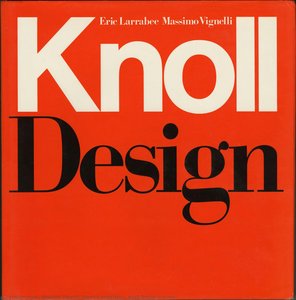
Massimo Vignelli's influence is woven into the fabric of modern life. Perhaps his most recognizable achievement is the redesign of the New York City Subway map in 1972. While initially controversial for its departure from strict geographical accuracy, it was a bold statement in clarity and usability. Vignelli prioritized legibility and intuitive navigation over literal representation, creating a diagrammatic map that continues to guide millions of commuters daily. This project exemplifies his core design philosophy: prioritizing communication above all else. Beyond the subway map, Vignelli Associates left an indelible mark on countless brands and institutions. Their work for Bloomingdale’s – including the iconic brown paper bag with its simple white logo – transformed a shopping experience into a statement of style. They designed furniture for Knoll, packaging for Heller, and corporate identities that became instantly recognizable symbols of quality and innovation. His *Heller Rainbow Dinnerware* stands as a testament to his minimalist aesthetic, showcasing vibrant color within clean geometric forms. The *Tredicesima Triennale di Milano* poster exemplifies his bold use of color and shape, while the *Knoll Design* cover demonstrates his ability to create striking visuals for renowned brands.A Lasting Impact: Beyond Aesthetics
Massimo Vignelli’s impact extends far beyond individual projects; he fundamentally reshaped how we perceive design itself. He was a staunch advocate for typographic discipline, famously advocating for a limited palette of typefaces – believing that true creativity lies not in endless options but in masterful execution with carefully chosen tools. His book, *The Vignelli Canon*, became a manifesto for designers, outlining his principles of clarity, simplicity, and enduring elegance. He wasn’t simply creating visually pleasing objects; he was striving to create order out of chaos, to communicate effectively, and to elevate the human experience through thoughtful design. His work continues to inspire generations of designers, reminding them that true innovation lies in stripping away the unnecessary and focusing on the essential. The Vignelli Center for Design Studies at the Rochester Institute of Technology serves as a lasting tribute to his legacy, preserving an extensive archive of his work and fostering continued exploration of his groundbreaking ideas. He passed away in 2014, but his designs remain powerfully present, shaping our world with their enduring elegance and unwavering commitment to clarity.
massimo vignelli, vignelli associates
1931 - 2014 , Italy
Quick Facts
- Artistic Movement Or Style: Modernism, Minimalism
- Date Of Birth: January 10, 1931
- Date Of Death: May 27, 2014
- Full Name: Massimo Vignelli
- Nationality: Italian
- Notable Artworks:
- Heller Rainbow Dinnerware
- Tredicesima Triennale di Milano
- Knoll Design (cover)
- Place Of Birth: Milan, Italy
Related Articles
A Room Without Art Is Just a Box: Transforming Spaces with Emotion & Identity
Transform your space with art! Discover expert tips on selecting & displaying artwork to elevate your home's style & reflect your personality. Explore curated collections and find the perfect piece.

The Aesthetic Evolution of Design in Art: From Functional Form to Conceptual Expression
Explore the evolution of design in art from functionalism to conceptual expression. Discover Bauhaus ideals, De Stijl's impact & post-war abstraction. Expert insights for collectors.
The Essence of Form: AI-Driven Minimalist Restyling of Personal Photography for Contemporary Aesthetic Applications
Transform your cherished photos into stunning minimalist artworks with OriginalUniqueArt's AI-powered restyling service. Elevate hotel design & personal spaces with bespoke art, handcrafted by skilled artists. Discover your aesthetic today!

Chromatic Resonance: Exploring Abstract Color Palettes & Emotional Atmospheres in Interior Design
Explore the profound impact of abstract color palettes on interior atmospheres. Discover how to leverage color psychology for wellbeing & design harmony with expert insights and case studies.
The Subtleties of Shade: Exploring Black, White & Gray Abstraction in Modern Interior Design
Explore the power of black, white & gray abstraction in modern interior design. Discover how minimalist art impacts spatial perception & creates sophisticated hotel spaces. Expert insights for designers.

![Knoll Au Louvre\n\n[front cover]](/media/artworks/images/thumbnails/3b/b3/3bb3519a623a474aaf75939753234c06.jpg)
![Heller Rainbow Dinnerware\n\n[front view]](/media/artworks/images/thumbnails/ea/57/ea57127eead5435bb93c62bacfb5addc.jpg)

![Tredicesima Triennale di Milano\n\n[red on pink]](/media/artworks/images/thumbnails/60/dd/60dd2cf08a074e6e9f2a2f3407137241.jpg)


![Milano\n\n[cover view, folded]](/media/artworks/images/thumbnails/50/92/50929cf753214e7b83201f76b5596155.jpg)
![The White House\n\n[front view]](/media/artworks/images/thumbnails/ca/ab/caab2a5b79d94b53b3badc35ba072a72.jpg)
![Fort Worth Art Museum The Italian Film: Neorealism and Beyond poster and event calendar\n\n[front view]](/media/artworks/images/thumbnails/e9/9d/e99d0f51e4d4411c9237ff8af0cb0b6b.jpg)
![Heller The Rainbow Group\n\n[front view]](/media/artworks/images/thumbnails/1a/ba/1aba337974cd4fb08cb72db590cd67c5.jpg)
![Knoll Au Louvre book layout\n\n[front cover sketch]](/media/artworks/images/thumbnails/01/1d/011d2741d98d4f80bf641f79e478f2f6.jpg)


![Knoll Au Louvre book layout\n\n[sketches, sheet 1]](/media/artworks/images/thumbnails/0b/6e/0b6e5368c4fc4dce92a1467981dce21a.jpg)


