Preview
 Send
Send Share
Share
 Details

 Download
 Similars
 X-Ray
X-Ray Diaporama
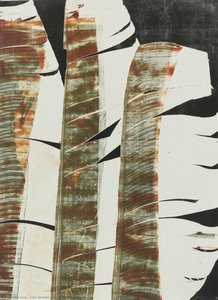
The Contemporary Hamlet Does Not Carry a Skull, He Doesn
 Painting
- Contemporary Art
 1994
1994- Contemporary
 195.0 x 622.0 cm
 MAM Rio
 Read More
Giclée / Art Print
Museum-quality giclée or canvas print with fast production and flexible finish options. ( Buy Hand Made Painting Buy Image)




































Pick from our preset sizes that match the artwork's original proportions.

You may enter your own dimensions to fit a specific frame or space. If your selected size does not match the original image's proportions, we will either crop the artwork or extend the image with a mirrored or solid-fill edge. A digital mockup will be sent for your approval before production begins.
Please note that the on-screen preview does not reflect the actual cropping or extension. Only the mockup will accurately show the final composition.
While custom sizes are available, we recommend selecting a dimension from the predefined list to preserve the original proportions.
Worldwide Delivery () in 2 weeks instead of standard 4/5 weeks. (21 August)

Free Worldwide Express Shipping

High-Quality Linen Canvas

Full Shipping Insurance

Customs Tax Refund Guarantee

True Color Matching Guarantee

60-Day Return Policy (Defects Only)

100% Money-Back Guarantee

Bulk Discount Offer
 Glass option is only available in size under 110 CM

The Contemporary Hamlet Does Not Carry a Skull, He Doesn
Giclée / Art Print
Reproduction Size
-


Total Price
$ 81
Collectible Description
A Modern Reflection on Existence
In his profound 1994 masterpiece, "The Contemporary Hamlet Does Not Carry a Skull, He Does Not," Luiz Zerbini invites the viewer into a space where the boundaries between domestic intimacy and existential contemplation blur. The painting presents a meticulously composed interior, a room that feels simultaneously lived-in and staged, like a quiet moment frozen in time. At first glance, the scene captures a social gathering; figures are scattered throughout the composition—some seated at a central dining table, others resting on a couch or standing in quiet observation. Yet, beneath this surface of everyday life, there is an underlying tension that speaks to the complexities of modern identity. The presence of books, vases, and lush potted plants suggests a curated existence, where nature is brought indoors to decorate the rigid structures of human habitation.
The composition is a masterclass in spatial arrangement, utilizing a wide, panoramic format of 195 x 622 cm to create an immersive environment. Zerbini directs the eye through a rhythmic placement of objects and figures, leading us from the solitary figure on the left toward the communal energy of the dining area, and finally to the quiet corners where greenery thrives. This expansive scale allows the artwork to function not just as a painting, but as a window into an alternate reality—a sprawling landscape of human interaction. For the collector or interior designer, this piece offers a commanding presence, capable of anchoring a large-scale room with its sophisticated balance of negative space and intricate detail.
The Intersection of Nature and Urbanity
As a pivotal figure in Brazilian contemporary art, Zerbini utilizes this work to explore the dialogue between the organic and the constructed. The lushness of the plants scattered throughout the room serves as a symbolic counterpoint to the geometric arrangement of the furniture and the architectural lines of the space. This interplay reflects the artist's lifelong fascination with the tension between the untamed energy of the natural world and the structured, often suffocating, realities of urban life. The greenery is not merely decorative; it represents a persistent, breathing vitality that refuses to be fully contained by the walls of the domestic sphere.
Technically, the work showcases Zerbini's ability to blend figurative elements with a more atmospheric, almost abstract sensibility. The light within the room feels soft and diffused, casting gentle shadows that lend a sense of depth and mystery to the figures. There is a palpable emotional weight to the scene—a quiet melancholy that mirrors the title's reference to Shakespeare's Hamlet. While the traditional Hamlet grappled with mortality through the physical symbol of the skull, Zerbini’s contemporary subject finds his reflection in the objects of modern life: the books we read, the spaces we inhabit, and the silent presence of nature within our reach. It is a painting that rewards deep looking, offering layers of meaning for those who seek art that resonates with both intellectual depth and visual splendor.
Artist Biography
A Dialogue Between Nature and the Urban Fabric: The World of Luiz Zerbini
Luiz Zerbini, born in São Paulo, Brazil, in 1959, is an artist whose work embodies a compelling tension—a vibrant conversation between the untamed energy of nature and the rigid structures of urban life. His journey as an artist has been deeply interwoven with the landscapes and cultural currents of his homeland, evolving from early figurative explorations to a distinctive abstract language that pulsates with color, geometry, and a profound sense of place. Moving to Rio de Janeiro in the 1980s proved pivotal, immersing him in a city celebrated for its breathtaking beauty yet also marked by complex social and architectural realities. This duality became the fertile ground from which his artistic vision would blossom.Early Influences and Artistic Development
Zerbini’s initial foray into the art world was characterized by figurative painting, gaining recognition in the influential 1984 group exhibition *Como Vai Você, Geração 80?* at Rio's School of Visual Arts. This early work laid the foundation for his later explorations, demonstrating a keen observational skill and an interest in capturing the spirit of contemporary Brazilian society. However, it was during the late 1990s that Zerbini embarked on a transformative shift towards abstraction, spurred by the imposing modernist architecture prevalent throughout Brazil’s metropolises. This wasn't a complete abandonment of representation but rather a distillation—a search for underlying structures and rhythms within the natural world and the built environment. He began to integrate geometric forms into his compositions, creating a visual framework that both contained and liberated organic shapes. The grid emerged as a recurring motif, subtly echoing the mosaics found in Brazilian cities and the facades of towering buildings, adding a layer of methodical organization to works brimming with spontaneity.The Interplay of Culture and Nature
Zerbini’s art is fundamentally about friction—the dynamic interplay between culture and nature, urban architecture and the wildness that persists within it. He doesn't simply depict landscapes; he *constructs* them, layering images, references to art history, and personal experiences into a rich tapestry of color and form. His multi-colored palette is particularly striking, illuminated by a spectrum of verdant tonality that emphasizes the chromaticism of the natural environment alongside the neutral tones found in built systems. This deliberate juxtaposition creates a sense of depth and complexity, inviting viewers to contemplate the interconnectedness of seemingly disparate realms. He describes his process as dynamic, full of certainty and contradictions—a sequence in progression where each work is an opportunity to share his evolving perspective on the world around him.Major Achievements and International Recognition
Throughout his career, Zerbini has achieved significant recognition both within Brazil and internationally. He has been a featured artist in prestigious events such as the São Paulo Biennial (1987 and 2010), the Bienal do Mercosul (2001), the Bienal de La Habana (2000), and the Bienal Internacional de Cuenca (1996). His work is included in notable collections such as Inhotim Contemporary Art Center, Brumadinho; Itau Cultural Institute, São Paulo; The Modern Art Museum of Rio de Janeiro; and The Modern Art Museum of São Paulo. Recent solo exhibitions include *Saudade do Mundo Pequeno* at A.Galeria Passeio Cultural Primavera, Florianópolis (2025); *Paisagens Ruminadas* at Centro Cultural Banco do Brasil, Rio de Janeiro and Brasília (2024); and a major retrospective, *Luiz Zerbini: The Same Story Is Never the Same*, at Museu de Arte de São Paulo (MASP) in 2022. His exhibitions at Stephen Friedman Gallery in London have further solidified his international presence, showcasing his monumental canvases to a wider audience.A Contemporary Voice Rooted in Brazilian Identity
- Themes: Zerbini’s work consistently explores themes related to Brazilian culture and identity, often referencing the country's unique history, geography, and social dynamics.
- Technique: He masterfully blends acrylic painting with monotype techniques, creating layers of texture and depth that evoke a sense of organic growth and movement. His use of color is both intuitive and deliberate, reflecting his deep connection to the natural world.
- Environmental Consciousness: Increasingly, Zerbini’s art addresses issues of environmental responsibility and sustainability, particularly in relation to the Amazon rainforest and illegal mining activities within indigenous lands. His paintings serve as powerful visual statements about the urgent need for conservation and social justice.
- Philosophical Undercurrents: His work resonates with philosophical ideas concerning the relationship between humanity and nature, echoing thinkers like Emanuele Coccia who emphasize the vital role of plants in sustaining life on Earth. He views painting itself as a kind of oracle—a means of accessing deeper truths about our world.

luiz zerbini
1964 - , Brazil
Quick Facts
- Artistic Movement Or Style: Contemporary Art
- Date Of Birth: 1959
- Full Name: Luiz Zerbini
- Nationality: Brazilian
- Notable Artworks:
- Árvore do Viajante
- Concrete Jungle
- Paisagens Ruminadas
- Place Of Birth: São Paulo, Brazil
Related Articles
The Interior Gaze: Exploring Representations of Domestic Space in Art History
Explore the fascinating history of domestic interiors in art! From Dutch Masters to Impressionism, discover how artists captured home life & social meaning. Expert analysis and insights at OriginalUniqueArt.

Intimate Interiors: Domestic Life & Artistic Representation from Renaissance to Impressionism
Explore the evolution of domestic life in Western art from the Renaissance to Impressionism. Discover symbolism, realism & artistic techniques shaping intimate interior scenes. Learn more with OriginalUniqueArt.

Dine in Style: The Ultimate Trend Forecast for Bold Pop Art & Street Art in Modern Restaurant Interiors
Transform your restaurant with the power of Pop Art and Street Art. Discover expert trend forecasts on using bold, high-impact urban aesthetics to create unforgettable dining experiences and drive social media engagement through curated contemporary design.

Visual Gastronomy: Curating Art Experiences Across Dining Zones – A Tasting Menu Approach to Bar, Lounge & Restaurant Design
Elevate your dining space with art! Discover how strategic curation & bespoke commissions transform bars, lounges & restaurants into immersive experiences. Expert insights for hotel designers & commercial projects.

The Soul of the Interior: Exploring the Timeless Elegance of Domestic Scene Artworks
Discover the profound beauty of domestic scene art. Explore how masterworks of genre painting capture intimacy and history, offering timeless elegance for the discerning collector seeking to infuse their home with soul and sophistication.