The Evolving Dining Landscape: Beyond Cuisine – The Rise of Experiential Design
For centuries, the dining room was simply a functional space—a place to nourish the body. But as societal values shifted and leisure time expanded, it began its transformation into something more profound: a stage for social interaction, a reflection of personal taste, and ultimately, an immersive experience. Today’s discerning diner seeks not merely sustenance but a holistic environment that engages all senses, weaving together culinary artistry with carefully considered aesthetics. This shift has propelled experiential design to the forefront of hospitality, demanding a nuanced understanding of how art, lighting, spatial arrangement, and even sound can coalesce to create lasting impressions. The modern restaurant is no longer just about *what* you eat; it’s about *where* and *how* you experience it.
Historical Precedents: From Great Halls to Molière’s Salons – Art's Role in Defining the Dining Experience
 Dom Juan's Dining Room (also known as Set design for Act IV of Moliére's comedy Dom Juan )
Step into Molière's world with Golovin’s 'Dom Juan's Dining Room.' This stunning set design captures an elegant, sophisticated atmosphere – a glimpse into the play's dramatic Act IV. Explore symbolism and modernism in this iconic artwork.
The impulse to elevate dining through artistic embellishment is far from new. Consider the grand halls of medieval castles, where tapestries and heraldic banners proclaimed power and lineage while providing a visual feast alongside the physical one. While practicality dictated much of the décor—massive fireplaces for warmth, long trestle tables for communal feasting—the intention to impress was undeniable. As societies evolved, so too did dining customs. The intimate salons of the Renaissance and Baroque periods saw art move from the walls to become integral parts of the meal itself – elaborate table settings, still life paintings depicting abundance, and commissioned portraits celebrating patrons’ wealth. Alexander Golovin's set design for Molière’s *Dom Juan’s Dining Room* (1694) offers a particularly compelling example. This isn’t merely a backdrop; it’s a meticulously crafted environment that speaks volumes about the play’s themes of social status, deception, and indulgence. The elegant sophistication of Golovin's work demonstrates an early understanding of how setting can amplify narrative and emotional impact – principles directly applicable to contemporary restaurant design.
Zonal Aesthetics: Crafting Distinct Atmospheres for Bars, Lounges & Restaurants
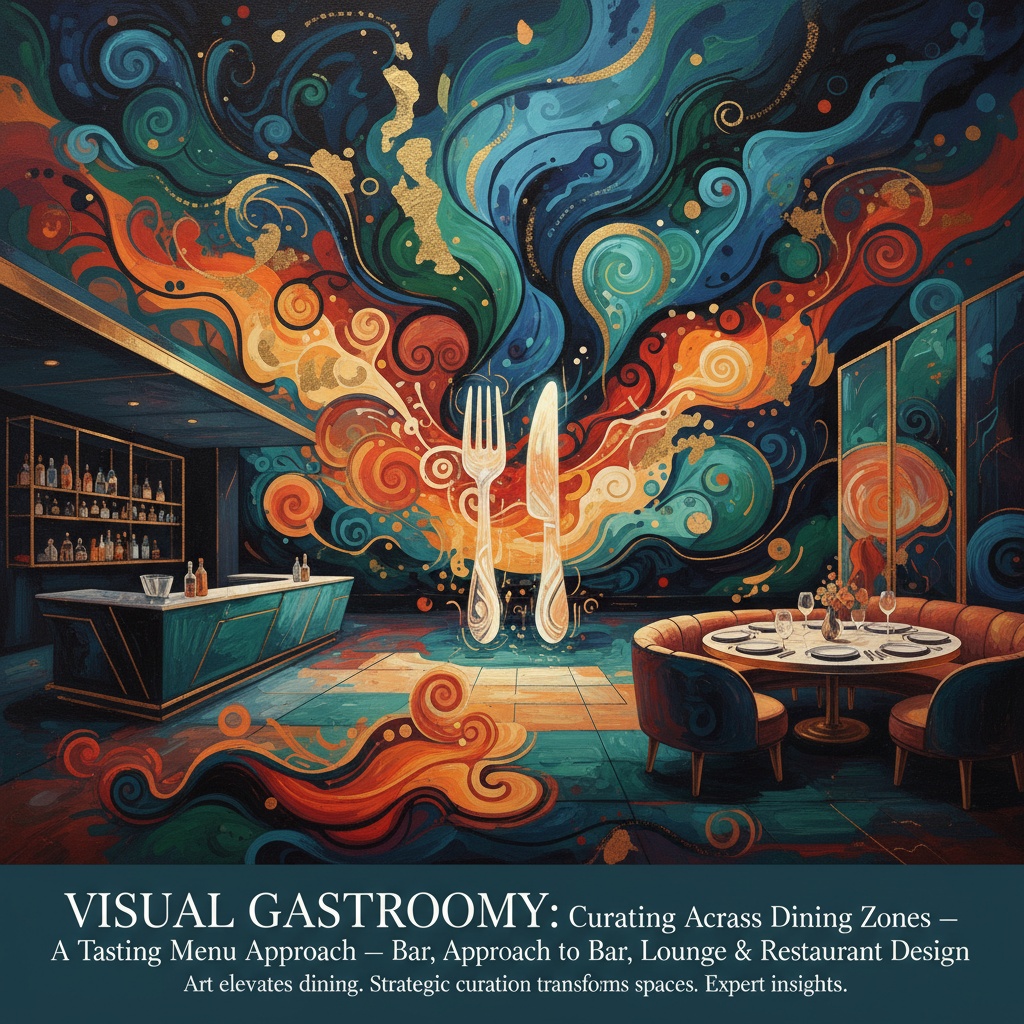
The success of a modern dining establishment hinges on its ability to create distinct zones that cater to different moods and occasions. A bustling bar area demands energy and social interaction, perhaps achieved through bold color palettes, dynamic lighting, and artwork that sparks conversation. Lounges, conversely, require a more intimate and relaxed atmosphere—think softer hues, comfortable seating arrangements, and art that encourages contemplation. Restaurants themselves can be further subdivided: a formal dining room might feature classic masterpieces or sophisticated abstract works to convey elegance, while a casual bistro could benefit from playful murals or local artwork reflecting the community’s spirit. The key is intentionality – each zone should tell a story and contribute to the overall narrative of the space. Consider how the ceiling itself can become a focal point; Francesco Sleter's *A Representation of the Liberal Arts Ceiling Design for the State Dining Room at Grimsthorpe Castle* exemplifies this, transforming the very architecture into an artistic statement.
The Psychology of Color and Composition: Evoking Emotion Through Wall Art Selection
 The Emotional Resonance of Wall Art: Elevating Interior Design from Aesthetic to Experiential Luxury
Discover how curated wall art transforms interiors into emotionally resonant experiences. Explore the psychology of color, bespoke commissions & timeless masterpieces with expert guidance from OriginalUniqueArt.
Color is a powerful tool in shaping perception and influencing mood. Warm tones like reds and oranges can stimulate appetite and create a sense of energy, ideal for lively restaurants or bars. Cooler hues such as blues and greens promote relaxation and tranquility, better suited to lounges or more intimate dining spaces. Composition also plays a crucial role; symmetrical arrangements convey formality and stability, while asymmetrical designs evoke dynamism and creativity. Beyond color theory, the subject matter of the artwork itself is paramount. Abstract pieces can add sophistication without being overly prescriptive, allowing diners to project their own interpretations onto the work. Landscapes can create a sense of escape, while portraits can foster connection and intimacy. The goal isn’t simply to fill wall space but to curate an emotional response that enhances the dining experience.
Commissioned Artwork: Bespoke Pieces as Signature Elements of Restaurant Branding
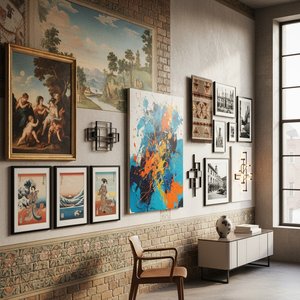 Transforming Spaces: A Comprehensive Exploration of Wall Decor Through Art History & Contemporary Practice
Explore the art of transforming spaces with our comprehensive guide to wall decor. From historical movements to contemporary trends, discover how to curate impactful interiors and commission bespoke artwork for a truly personalized aesthetic.
In an increasingly competitive market, differentiation is key. Commissioning bespoke artwork offers a unique opportunity to create a signature aesthetic that sets your establishment apart. Working directly with artists allows for complete control over style, subject matter, and scale, ensuring the piece perfectly complements the overall design concept. A custom mural can tell the story of the restaurant’s origins or celebrate local culture, fostering a sense of authenticity and connection with the community. Portraits of key staff members or founders can add a personal touch, while abstract works inspired by the menu or culinary philosophy can create a cohesive brand identity. This investment not only elevates the aesthetic but also demonstrates a commitment to artistic excellence, attracting discerning diners who appreciate attention to detail.
Integrating Pop Culture & Personal Narratives: Curating Art that Resonates with Modern Diners
While classic masterpieces and bespoke commissions remain timeless choices, there’s a growing trend towards incorporating pop culture references and personal narratives into restaurant design. This approach can create a sense of familiarity and connection with modern diners who value authenticity and self-expression. Custom murals inspired by local landmarks or beloved films can spark conversation and foster a sense of community. Artwork that reflects the chef’s personal journey or culinary influences can add depth and intrigue to the dining experience. However, it's crucial to approach this trend with subtlety and intention – avoid clichés and prioritize quality over novelty. The goal is not simply to decorate with recognizable imagery but to create a curated environment that resonates with your target audience on an emotional level. At OriginalUniqueArt.com, we specialize in bringing these visions to life, offering both hand-painted reproductions of iconic works and bespoke commissions tailored to your unique brand identity. From initial consultation to final installation, our team provides expert guidance every step of the way, ensuring a seamless and transformative experience for your dining space.