The Historical Symbiosis of Art & Emotion: From Ritual to Resonance
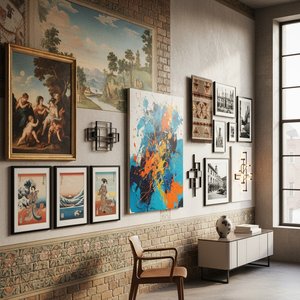 Transforming Spaces: A Comprehensive Exploration of Wall Decor Through Art History & Contemporary Practice
Explore the art of transforming spaces with our comprehensive guide to wall decor. From historical movements to contemporary trends, discover how to curate impactful interiors and commission bespoke artwork for a truly personalized aesthetic.
From the ochre handprints adorning cave walls at Lascaux—expressions of primal connection and perhaps early ritual—to the soaring narratives depicted in Renaissance frescoes, art has always been inextricably linked with the human capacity for emotion. These weren’t merely decorative impulses; they were attempts to capture the intangible – beliefs, fears, aspirations – and render them visible, enduring. Consider the Egyptian tombs, meticulously decorated not simply as showcases of power but as pathways to the afterlife, imbued with spells and symbols designed to evoke protection and ensure a successful transition. The Roman villas, adorned with vibrant murals depicting mythological scenes, weren’t just aesthetically pleasing; they were statements of cultural identity and personal mythology. This inherent desire to imbue spaces with meaning, to transform walls from mere barriers into portals of feeling, is a thread that runs through the entirety of art history.
The Renaissance witnessed an explosion of this symbiotic relationship. Masters like Michelangelo, Raphael, and Botticelli didn’t simply paint; they constructed worlds on ceilings and walls, narratives designed to inspire awe, devotion, and contemplation. The Sistine Chapel, for example, is not merely a collection of biblical scenes but a carefully orchestrated emotional journey, culminating in the powerful depiction of creation. These works weren't isolated artistic endeavors; they were deeply embedded within the social, religious, and political contexts of their time, reflecting—and shaping—the collective consciousness. The patronage system itself speaks to this understanding: commissioning art wasn’t simply about acquiring beauty but about investing in a legacy, projecting power, and expressing personal piety.
The Psychology of Interior Spaces: How Wall Art Shapes Perception & Wellbeing
Interior design psychology is a field within environmental psychology, which concerns the environmental conditions of the interior. It is a direct study of the relationship between an environment and how that environment affects the behavior of its i...
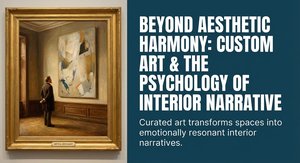
Today, our understanding of how spaces impact us has deepened through the field of environmental psychology. We now recognize that interiors are not neutral containers; they actively influence our moods, behaviors, and even physiological states. The colors we surround ourselves with, the textures we touch, the spatial arrangements we inhabit—all contribute to a complex interplay of sensory experiences that shape our perception of reality. Wall art, in particular, plays a crucial role in this dynamic. A carefully chosen painting can evoke feelings of calm and serenity, stimulate creativity and inspiration, or foster a sense of connection and belonging.
The principles of Gestalt psychology offer valuable insights into how we perceive visual elements. Our brains naturally seek patterns and coherence, and artwork that provides these—through harmonious color palettes, balanced compositions, and meaningful subject matter—can create a sense of order and tranquility. Conversely, deliberately disruptive or unconventional art can challenge our perceptions and stimulate intellectual curiosity. Furthermore, the scale of an artwork is paramount. A large-scale mural can envelop us in its narrative, creating an immersive experience that transcends mere observation, while a smaller piece might serve as a focal point for contemplation. The placement of art within a space also matters: eye-level positioning draws attention and encourages engagement, while strategic lighting can highlight details and enhance the overall impact.
Color, Composition & Mood: The Emotional Language of Artistic Choices
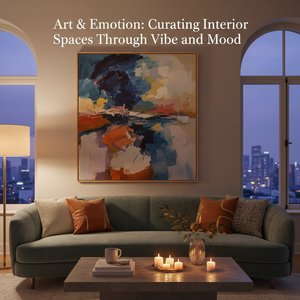 Art & Emotion: Curating Interior Spaces Through Vibe and Mood
Discover how to curate interior spaces that nurture your wellbeing. Explore the psychology of color, experiential design & art's emotional impact. offers bespoke solutions for a home that truly resonates with you.
The emotional power of wall art isn’t simply about subject matter; it's deeply rooted in the fundamental elements of color and composition. Color psychology demonstrates that different hues evoke distinct responses. Blues and greens are often associated with tranquility and peace, while reds and oranges can stimulate energy and passion. Warm colors tend to create a sense of intimacy and comfort, while cool colors can foster a feeling of spaciousness and sophistication. However, cultural context also plays a significant role: what is considered auspicious in one culture might be perceived differently in another.
Compositional elements—the arrangement of shapes, lines, and forms within an artwork—also contribute to its emotional impact. Symmetrical compositions often convey a sense of balance and harmony, while asymmetrical arrangements can create tension and dynamism. The use of perspective can draw the viewer into the scene, creating a feeling of depth and immersion. Artists throughout history have masterfully employed these techniques to manipulate our perceptions and evoke specific emotions. Consider Van Gogh’s swirling brushstrokes in *Starry Night*, which convey a sense of turbulence and emotional intensity, or Monet’s impressionistic dabs of color, which capture the fleeting beauty of light and atmosphere. These weren't accidental choices; they were deliberate attempts to translate subjective experience into visual form.
Commissioning Bespoke Artwork: Translating Personal Narratives into Visual Form
While appreciating existing masterpieces is undoubtedly enriching, commissioning bespoke artwork offers a unique opportunity to create something truly personal and meaningful. This process allows you to translate your own narratives, aspirations, and emotions into a visual form that reflects your individual identity. It’s an investment not just in art but in a legacy—a tangible expression of who you are and what you value.
The key to a successful commission lies in finding an artist whose style aligns with your vision. Research portfolios, review past projects, and schedule consultations to discuss your ideas in detail. Be prepared to articulate your desired aesthetic—color palettes, thematic elements, spatial considerations—and provide reference images if possible. A skilled artist will not only translate your concepts into a visual plan but also offer valuable insights regarding feasibility, materials, and long-term preservation. This collaborative process is crucial for ensuring the final artwork reflects both your personal taste and artistic excellence. Consider themes that resonate deeply with you – family history, cherished memories, or perhaps an abstract representation of your aspirations.
Beyond Decoration: Creating Immersive Experiences with Large-Scale Frescoes & Murals
For those seeking a truly transformative experience, large-scale frescoes and murals offer unparalleled opportunities to envelop spaces in art. These aren’t simply paintings on walls; they are immersive environments that blur the boundaries between architecture and artistry. Historically, frescoes were integral to religious and public buildings, serving as powerful tools for storytelling and cultural expression. Today, they can be used to create stunning focal points in private residences, hotels, or commercial spaces.
The creation of a fresco is a meticulous process rooted in time-honored techniques. Traditional *buon fresco* involves applying pigments mixed with water directly onto freshly laid lime plaster (intonaco). As the plaster dries, a chemical reaction occurs, permanently bonding the pigment to the wall—resulting in unparalleled durability and vibrancy. Modern variations may incorporate acrylic paints for greater color flexibility, but the fundamental principles of layering, blending, and precise execution remain essential. The scale of these works allows for intricate details and dynamic compositions that can captivate viewers and create a sense of awe. Imagine entering a dining room adorned with a sweeping landscape mural, transporting you to another world—or a bedroom featuring a celestial fresco, evoking feelings of peace and tranquility.
Curating a Legacy: Investing in Art as an Expression of Identity and Timeless Value
Ultimately, the decision to invest in wall art is more than simply acquiring decorative objects; it’s about curating a legacy—creating spaces that reflect your individual identity and values. Whether you choose a classic masterpiece, a bespoke commission, or a stunning mural, artwork has the power to transform interiors into emotionally resonant environments that endure for generations.
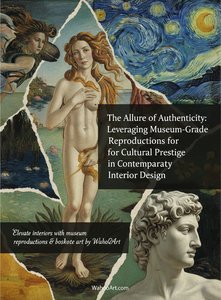
Art is an investment not just in aesthetics but in history, culture, and human creativity. It’s a tangible expression of your discerning taste and a testament to your appreciation for beauty and craftsmanship. At OriginalUniqueArt.com, we believe that everyone deserves to live surrounded by art that inspires them. We offer a curated selection of museum-quality reproductions, bespoke commissions, and expert guidance to help you create the space of your dreams. From initial consultation to final installation, our team is dedicated to providing a seamless and personalized experience. Explore our collection today and discover how wall art can elevate your interior from aesthetic to experiential luxury.