The Emotional Landscape of Interiors: Beyond Visual Appeal
Interior design psychology is a field within environmental psychology, which concerns the environmental conditions of the interior. It is a direct study of the relationship between an environment and how that environment affects the behavior of its i...
For centuries, the spaces we inhabit have been more than mere shelters; they are extensions of our selves, reflections of our aspirations, and potent catalysts for emotional experience. While architectural design focuses on functionality and aesthetics, a deeper understanding reveals that interiors possess a subtle yet profound psychological power. This isn’t simply about choosing pleasing colors or arranging furniture in an attractive manner—it's about recognizing the inherent capacity of a room to shape mood, influence behavior, and foster a sense of wellbeing. Consider the grand salons of the Renaissance, meticulously crafted not only for social gatherings but also as displays of wealth, power, and cultural refinement. The very weight of the marble, the luminosity of the frescoes, and the strategic placement of portraits were designed to evoke awe and underscore the status of those within. This intentional manipulation of environment speaks to a long-held awareness of the connection between space and psyche.
The field of environmental psychology has begun to scientifically validate what artists and designers have intuitively known for generations: our surroundings directly impact our cognitive processes, emotional states, and even physiological responses. Figures like Walter Benjamin explored how interior spaces hold memories and shape perception, while Sigmund Freud’s work illuminated the subconscious associations we form with objects and environments. More recent studies, such as those conducted by Gary W. Evans and Richard E. Wene on commuter stress levels in relation to spatial density, demonstrate quantifiable effects of crowding on wellbeing. The modern understanding acknowledges that a truly successful interior transcends mere decoration; it becomes an active participant in the lives of its inhabitants.
This recognition necessitates a shift from viewing art as simply decorative to appreciating it as a fundamental element of emotional architecture—a means of cultivating atmosphere and fostering a deeper connection between people and their surroundings. The selection of artwork, therefore, is not merely an aesthetic choice but a deliberate act of shaping the very essence of a space.
Color Psychology & Spatial Harmony: Evoking Mood Through Art
Color, perhaps the most immediate visual element, possesses an extraordinary capacity to influence our emotional states. Warm hues—terracotta, ochre, and muted golds—tend to evoke feelings of comfort, intimacy, and energy, making them ideal for spaces dedicated to relaxation or social interaction. Conversely, cooler tones like deep blues, greens, and grays promote serenity, balance, and introspection, often favored in bedrooms or contemplative areas. However, the impact of color is far from universal; cultural context plays a significant role. What might be perceived as invigorating in one society could be seen as somber in another.
The interplay between color and light further amplifies this effect. Natural light uplifts and energizes, while soft, warm illumination creates a sense of coziness and calm. Layered lighting schemes—combining ambient, task, and accent lighting—allow for the dynamic manipulation of mood throughout the day. Consider the works of Mark Rothko, whose vast color fields are designed to envelop the viewer in an immersive emotional experience. His paintings aren’t simply *about* color; they *are* color, directly impacting perception and evoking a sense of profound contemplation.
Beyond individual hues, spatial harmony—the balanced arrangement of colors within a room—is crucial. Complementary color schemes (e.g., blue and orange) create vibrancy and contrast, while analogous schemes (e.g., blues, greens, and violets) foster a sense of tranquility and cohesion. The strategic use of texture also plays a vital role; soft velvets and brushed leathers invite touch and evoke warmth, while smooth surfaces can convey sophistication and modernity.
Personal Narratives in Design: Commissioning Art for Unique Spaces
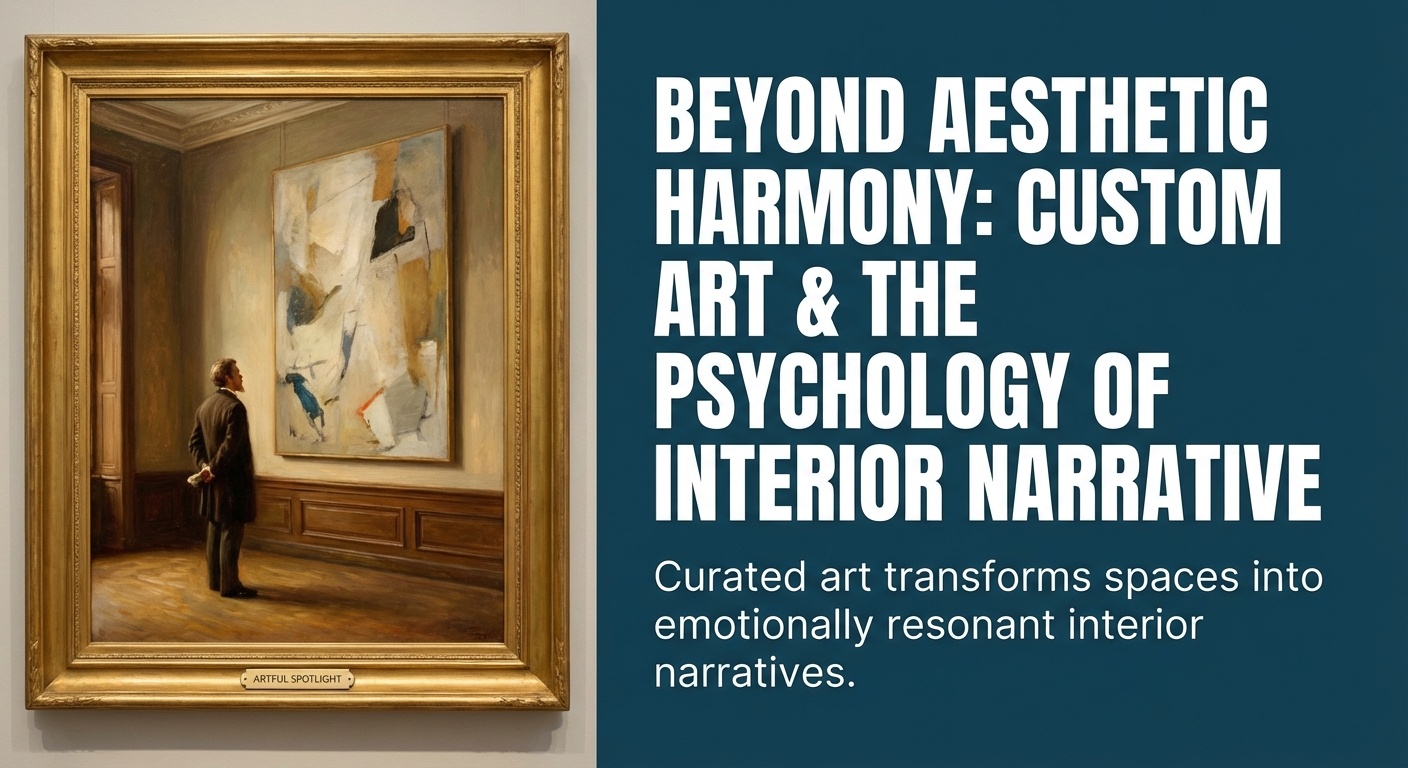
While pre-existing artwork offers established aesthetic qualities, commissioning a custom piece allows for the creation of a truly unique interior—one that reflects personal history, aspirations, and individual style. This process transforms the space from a generic environment into a deeply meaningful narrative. Unlike mass-produced décor, a commissioned painting or sculpture becomes an extension of the inhabitant’s identity, communicating stories without words.
The subject matter itself is paramount. A portrait capturing cherished memories evokes warmth and connection, while an abstract landscape can inspire contemplation and serenity. The choice of style further enhances this effect; recreating a family photograph in the manner of Renaissance masters imbues it with a sense of timeless elegance, whereas a Pop Art rendition injects vibrancy and playfulness. Consider the example of Paul Gauguin’s ‘Portrait of Meijer de Haan by Lamplight,’ which captures not only the physical likeness of his subject but also a profound emotional depth through its bold colors and dynamic brushwork.
The process of commissioning art is inherently collaborative, involving a dialogue between artist and client. This interaction ensures that the final piece aligns perfectly with the inhabitant’s vision and aesthetic preferences. It's an opportunity to translate personal experiences into tangible form, creating a lasting legacy within the space.
Art as an Anchor for Wellbeing: The Therapeutic Power of Curated Collections
The concept of wellbeing through art recognizes the profound connection between sensory experience, psychology, and design. Our brains instinctively react to color, form, and texture; certain palettes and compositions can evoke serenity, joy, or inspiration. When interiors are curated with intention, art supports emotional balance and mental clarity. This isn’t merely about aesthetic preference—it's about harnessing the power of visual stimuli to create a more harmonious and restorative environment.
The growing integration of workplace art is no coincidence; studies have shown that thoughtfully selected artwork can boost creativity, reduce stress, and improve productivity. An inspiring painting acts as both a visual cue and an emotional reset, offering moments of reflection that enhance focus and innovation. In environments where collaboration and inspiration are paramount, art becomes an unspoken language that motivates and uplifts.
Furthermore, the act of collecting itself can be deeply therapeutic. Building a curated collection—whether focused on a specific artist, style, or theme—provides a sense of purpose, intellectual stimulation, and personal fulfillment. The process encourages exploration, discovery, and a deeper appreciation for artistic expression. The artwork then becomes more than just decoration; it’s a reflection of the collector's journey and evolving sensibilities.
Scale, Composition & Flow: Orchestrating Emotional Impact with Artwork
Beyond subject matter and color, the scale, composition, and placement of artwork significantly influence its emotional impact. Larger-scale pieces command attention and create a sense of grandeur, ideal for expansive spaces or focal points within a room. Smaller works, conversely, can add intimacy and subtlety to more intimate settings.
Compositional elements—the arrangement of shapes, lines, and forms within the artwork—also play a crucial role. Dynamic compositions evoke energy and movement, while balanced arrangements promote serenity and stability. The strategic use of negative space (empty areas surrounding the subject matter) can further enhance this effect, creating a sense of calm and allowing the eye to rest.
The flow of artwork throughout a space is equally important. Creating visual connections between pieces—through shared color palettes, thematic elements, or stylistic similarities—establishes a cohesive narrative and guides the viewer’s gaze. Consider how art galleries carefully curate their collections, arranging works in a manner that tells a story and evokes specific emotional responses. The goal is to create an immersive experience where each piece complements and enhances the others.
The Art Concierge's Role: Guiding Personalized Interior Transformations
Navigating the vast world of art can be daunting, particularly for those unfamiliar with its history, techniques, and market dynamics. An experienced art concierge provides invaluable guidance, offering personalized consultations to help clients select artworks that align perfectly with their space, vision, and budget. This service transcends mere decoration; it’s about crafting a cohesive interior narrative that reflects the inhabitant’s unique identity.
A skilled art concierge begins by understanding the client's aesthetic preferences, lifestyle, and emotional goals. They then curate a selection of artworks—both from established artists and emerging talents—that align with these criteria. This process often involves visiting galleries, attending art fairs, and conducting thorough research to identify pieces that meet the client’s specific needs.
Beyond selection, an art concierge provides expert advice on framing, sizing, and placement, ensuring that each piece is optimally positioned to maximize its emotional impact. They also handle logistics—including shipping, installation, and insurance—allowing clients to relax and enjoy the transformative power of art. At OriginalUniqueArt.com, we offer a comprehensive suite of art concierge services designed to elevate your space and foster a deeper connection between you and your surroundings. From bespoke reproductions to custom commissions, our team is dedicated to creating interiors that are not only visually stunning but also deeply meaningful.