The Evolving Role of Art in Hospitality: Beyond Aesthetics
 The Curated Interior: Emotional Resonance & Spatial Harmony Through Art Display
Discover how art transforms interiors into emotionally resonant spaces. Expert guidance on curation, bespoke commissions & the psychology of design for luxury homes. Elevate your space with OriginalUniqueArt.
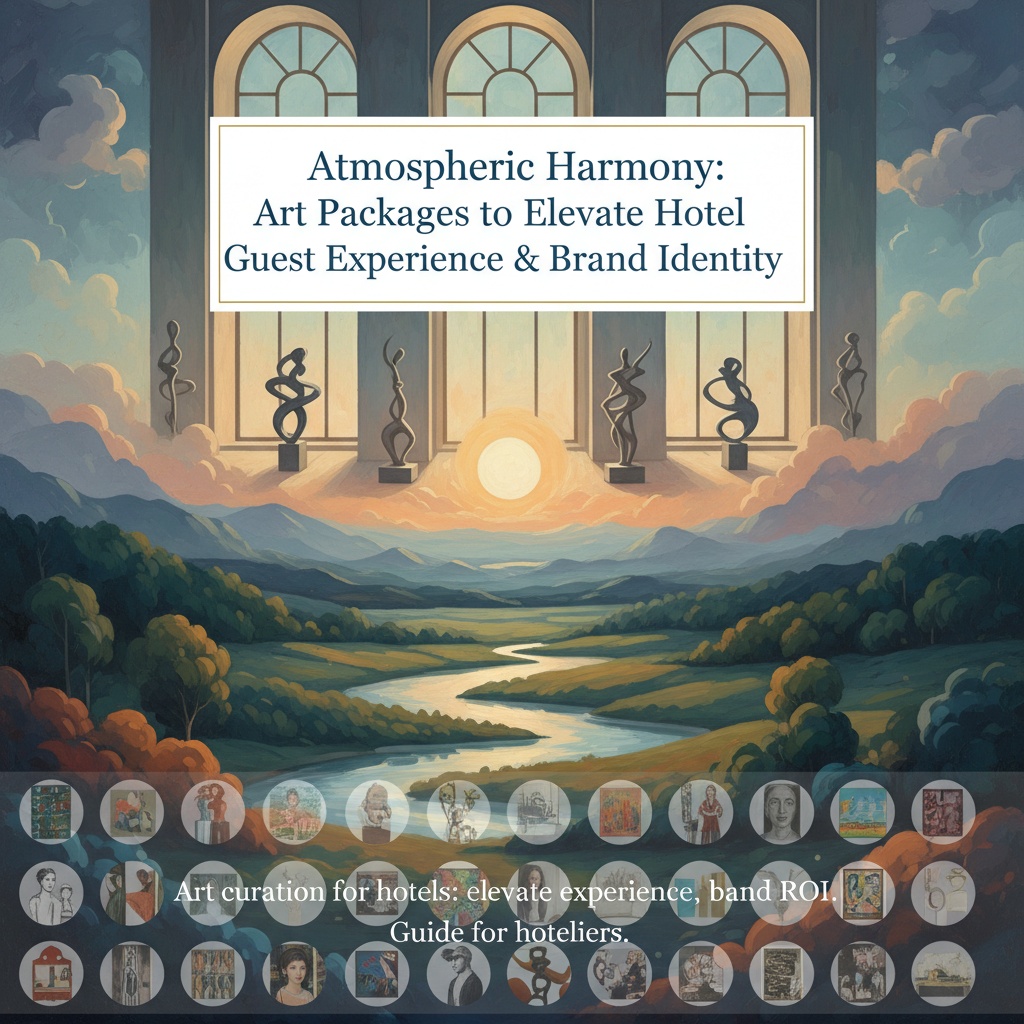
For centuries, the spaces we inhabit have been imbued with meaning through art—from the frescoes adorning Renaissance palaces to the carefully chosen sculptures gracing Victorian drawing rooms. However, within the hospitality industry, art’s function has often been relegated to mere decoration, a superficial layer applied after core design elements are established. This is a profound underestimation of its power. Today's discerning traveler seeks more than just comfortable beds and convenient locations; they crave experiences—narratives woven into the fabric of their surroundings. Art, when thoughtfully integrated, becomes the very language of that narrative, transforming a hotel from a functional space into an immersive destination. The shift isn’t simply about displaying beautiful objects; it's about understanding how art impacts perception, evokes emotion, and ultimately shapes a guest’s overall impression. We are moving beyond aesthetics to embrace art as a fundamental component of the hospitality experience, one that directly influences brand loyalty and perceived value.
Understanding Guest Psychographics & Art Preferences
Environmental psychology is a branch of psychology that explores the relationship between humans and the external world. It examines the way in which the natural environment and our built environments shape us as individuals. Environmental psychology...
The key to successful art curation lies in recognizing that guests aren't monolithic entities. Their preferences are shaped by a complex interplay of demographics, cultural backgrounds, travel motivations, and personal histories. A business traveler seeking respite after a long flight will respond differently to artwork than a family on vacation or a couple celebrating an anniversary. Environmental psychology reveals the profound impact surroundings have on our emotional state; certain colors can induce calm, while others stimulate creativity. Abstract expressionism might resonate with a younger, more avant-garde clientele, whereas classic landscapes could appeal to those seeking familiarity and tranquility. Understanding these psychographics is paramount. It requires moving beyond broad generalizations and delving into the nuances of your target audience. Consider commissioning research—surveys or focus groups—to gauge preferences directly. Furthermore, observe trends in art collecting and cultural consumption; what exhibitions are drawing crowds? What artists are gaining prominence? This data-driven approach ensures that your art selections aren’t simply pleasing to the eye but actively engage with the emotional landscape of your guests.
Curating by Room Type: Tailoring Art to Specific Experiences
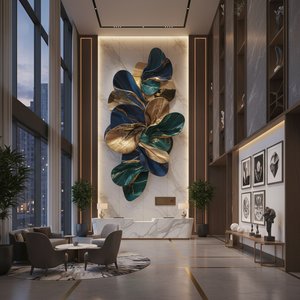
A one-size-fits-all approach to hotel art is a missed opportunity. The artwork in a bustling lobby should evoke energy and welcome, creating a positive first impression. Consider large-scale pieces—bold sculptures or vibrant canvases—that serve as focal points and spark conversation. Guest rooms, conversely, demand a more intimate atmosphere. Here, the goal is to foster relaxation and tranquility. Softer palettes, serene landscapes, or abstract works with calming compositions are ideal choices. Suites, often reserved for longer stays or special occasions, warrant a more sophisticated approach—perhaps original pieces from local artists that reflect the region’s cultural heritage. The bathroom, frequently overlooked, can also benefit from carefully chosen artwork. Watercolors or botanical prints create a spa-like ambiance, enhancing the sense of rejuvenation. Even hallways offer opportunities for storytelling; a series of portraits celebrating local figures could add historical context and intrigue. The principle is simple: each space should have a distinct artistic identity that complements its function and enhances the overall guest experience.
Art as Brand Storyteller: Reflecting Hotel Identity and Locale
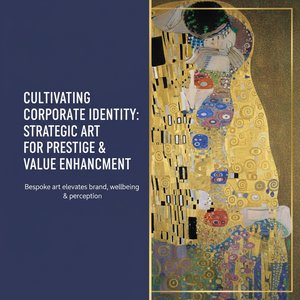
A hotel’s art collection shouldn't exist in isolation; it must be an extension of the brand itself. What values does your hotel embody? Is it a celebration of luxury, sustainability, or cultural immersion? The artwork you choose should reflect these core principles. If your hotel champions local artisans, showcase their work prominently—not merely as decorative elements but as integral components of the guest experience. This not only supports the community but also adds authenticity and depth to your brand narrative. Consider commissioning site-specific installations that respond directly to the hotel’s architecture or surrounding environment. A mural depicting the region’s history, a sculpture crafted from local materials—these gestures demonstrate a genuine commitment to place and create a lasting impression on guests. Art becomes a powerful tool for differentiation, setting your hotel apart from competitors and fostering a sense of connection with travelers who share your values.
Procurement Strategies: Balancing Budget, Quality & Sustainability
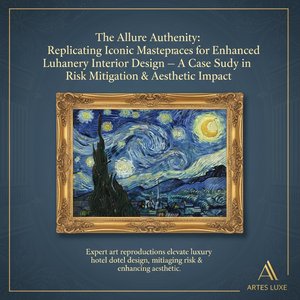
Investing in art doesn’t necessarily require exorbitant expenditures. While original masterpieces are undoubtedly desirable, there are numerous ways to curate a compelling collection without breaking the bank. Hand-painted reproductions offer an excellent balance of quality and affordability—allowing you to showcase iconic works while remaining within budget constraints. Explore emerging artists; their work is often more accessible than established names but can still possess significant artistic merit. Prioritize sustainability by sourcing artwork from ethical suppliers who prioritize fair labor practices and environmentally friendly materials. Consider partnering with local art schools or galleries; this not only supports the community but also provides access to a diverse range of talent. Negotiate consignment agreements, allowing you to display artwork without incurring upfront costs. Furthermore, remember that art is an investment—pieces can appreciate in value over time, potentially offsetting initial expenditures.
Measuring the ROI of Art Investments in Hospitality
Quantifying the return on investment (ROI) for art within a hospitality setting can be challenging but isn’t impossible. Track guest satisfaction scores before and after implementing new art collections—are guests more likely to recommend your hotel? Monitor social media engagement; are visitors sharing photos of artwork? Analyze online reviews; are there mentions of the art collection? Consider conducting surveys specifically focused on the impact of art on the guest experience. Furthermore, observe occupancy rates and average daily rates—do hotels with curated art collections outperform competitors? Art can also contribute to increased brand awareness, attracting media attention and positive publicity. By demonstrating a tangible link between art investments and key performance indicators (KPIs), you can justify future expenditures and secure buy-in from stakeholders. Ultimately, the true ROI lies in creating memorable experiences that foster loyalty, drive repeat business, and elevate your hotel’s reputation.
At OriginalUniqueArt.com, we believe art is more than just decoration—it's a transformative force that can redefine the hospitality experience. From hand-painted reproductions to bespoke commissions, we offer tailored solutions to help you curate collections that reflect your brand identity, engage your guests, and maximize your ROI. Contact our expert consultants today to discover how we can bring your artistic vision to life.