Text size

() ·

A painting made for you, by hand

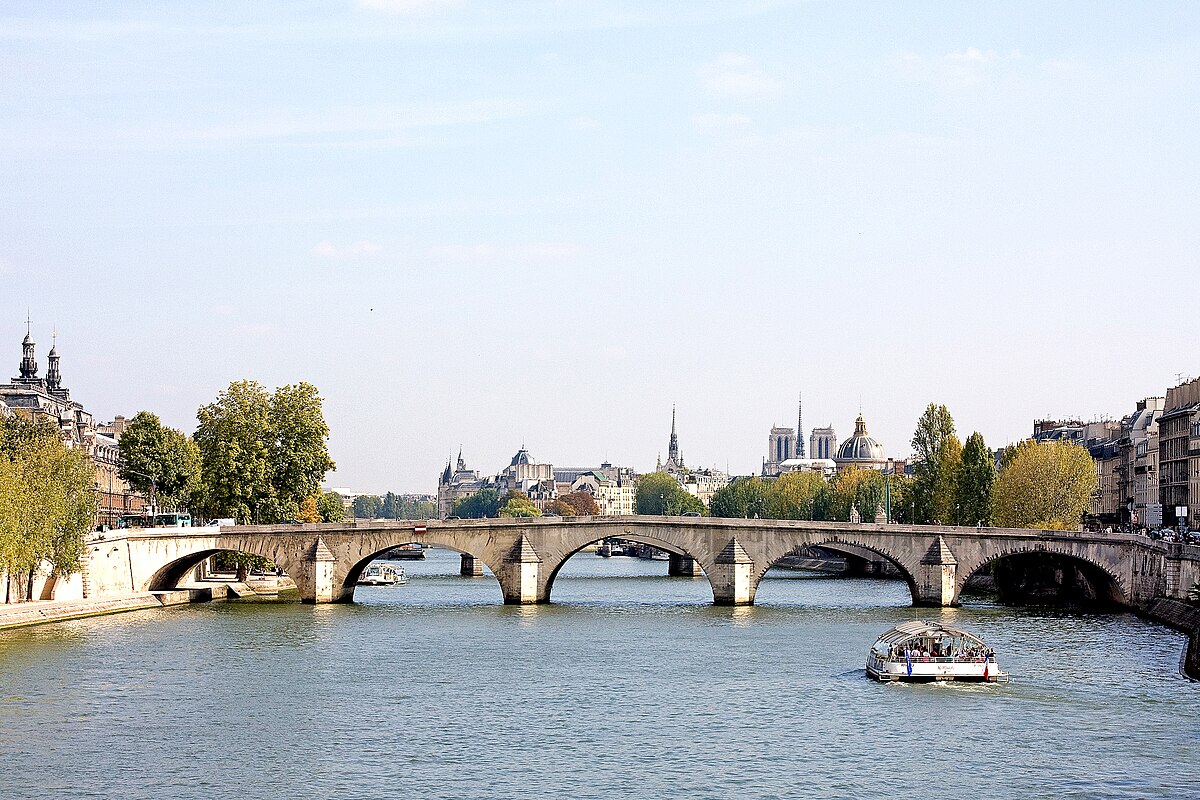
The Pont Royal in Paris

Hand Made Oil Reproduction

Hand-painted oil on canvas in your size and frame, made to order by our artists. ( Switch to Print Switch to Digital Image)

Collectible Description

Admire "The Pont Royal in Paris" by Lesser Ury – a captivating oil painting reproduction of the iconic Parisian bridge. Experience timeless beauty and artistic detail.

Artist Biography

Leo Lesser Ury (1861-1931): Discover the evocative Berlin cityscapes & Impressionistic style of this German painter. Explore nocturnal scenes, pastels & his legacy.

from ·

Chapter 1

How large should it be?

Slide to change the size; the picture on the left shows the frame at its real width. The proportions of the original are kept.

Standard
custom
CM
INCH

Pick from our preset sizes that match the artwork's original proportions.

width
height

Type the width and the height you need, to fit your frame or your wall. This is hand-painted, so for a size with a different shape the artist can paint a bit more around the picture, or cut a bit — you choose. We send you a digital mockup to approve before the painting starts. The picture shown on this page does not show the real result — only the mockup does.

Chapter 2

How should it arrive?

Choose the edges of the stretched canvas

Choose your frame

Corner sample of the WhiteWrap canvas edge finish, stretched on solid wood bars
White $1
Corner sample of the BlurSideWrap canvas edge finish, stretched on solid wood bars
Blurside $1
Corner sample of the ExtendedWrap canvas edge finish, stretched on solid wood bars
Extended $1
Corner sample of the P118B picture frame: moulded polystyrene, 5 cm wide and 3 cm thick
P118B $10
Corner sample of the P118H picture frame: moulded polystyrene, 5 cm wide and 3 cm thick
P118H $10
Corner sample of the P118W picture frame: moulded polystyrene, 5 cm wide and 3 cm thick
P118W $10
Corner sample of the P438Z picture frame: moulded polystyrene, 5.5 cm wide and 3.5 cm thick
P438Z $10
Corner sample of the P508JH picture frame: moulded polystyrene, 7 cm wide and 3.5 cm thick
P508JH $12
Corner sample of the P508YH picture frame: moulded polystyrene, 7 cm wide and 3.5 cm thick
P508YH $12
Corner sample of the P805H picture frame: moulded polystyrene, 5 cm wide and 3.5 cm thick
P805H $10
Corner sample of the P805Z picture frame: moulded polystyrene, 5 cm wide and 3.5 cm thick
P805Z $10
Corner sample of the P919BZ picture frame: moulded polystyrene, 7 cm wide and 3.5 cm thick
P919BZ $10
Corner sample of the P919G picture frame: moulded polystyrene, 7 cm wide and 3.5 cm thick
P919G $10
Corner sample of the P919XJ picture frame: moulded polystyrene, 7 cm wide and 3.5 cm thick
P919XJ $10
Corner sample of the P959ZH picture frame: moulded polystyrene, 5 cm wide and 3 cm thick
P959ZH $10
Corner sample of the P968JZ picture frame: moulded polystyrene, 6 cm wide and 4 cm thick
P968JZ $12
Corner sample of the W106C picture frame: solid wood, 5 cm wide and 3 cm thick
W106C $8
Corner sample of the W218G picture frame: solid wood, 5 cm wide and 3 cm thick
W218G $10
Corner sample of the W218JH picture frame: solid wood, 5 cm wide and 3 cm thick
W218JH $8
Corner sample of the W218Y picture frame: solid wood, 5 cm wide and 3 cm thick
W218Y $10
Corner sample of the W307PJ picture frame: solid wood, 6 cm wide and 3 cm thick
W307PJ $10
Corner sample of the W316G picture frame: solid wood, 6 cm wide and 3 cm thick
W316G $10
Corner sample of the W316PJ picture frame: solid wood, 6 cm wide and 3 cm thick
W316PJ $8
Corner sample of the W316Y picture frame: solid wood, 6 cm wide and 3 cm thick
W316Y $10
Corner sample of the W398PJ picture frame: solid wood, 5 cm wide and 3 cm thick
W398PJ $8
Corner sample of the W4111J picture frame: solid wood, 6.5 cm wide and 3.5 cm thick
W4111J $10
Corner sample of the W500HY picture frame: solid wood, 7 cm wide and 5 cm thick
W500HY $15
Corner sample of the W500JH picture frame: solid wood, 7 cm wide and 5 cm thick
W500JH $15
Corner sample of the W692G picture frame: solid wood, 8 cm wide and 4 cm thick
W692G $12
Corner sample of the W849H picture frame: solid wood, 5 cm wide and 3 cm thick
W849H $8
Corner sample of the W940BG picture frame: solid wood, 7.5 cm wide and 4.5 cm thick
W940BG $15
Corner sample of the W953PJ picture frame: solid wood, 6 cm wide and 3.5 cm thick
W953PJ $8
Corner sample of the H24-GOLD picture frame: carved wood with gesso, 10 cm wide and 6 cm thick
H24-GOLD $30
Corner sample of the H24-SILVER picture frame: carved wood with gesso, 10 cm wide and 6 cm thick
H24-SILVER $30
Corner sample of the H36-GOLD picture frame: carved wood with gesso, 15 cm wide and 6.5 cm thick
H36-GOLD $45
Corner sample of the H36-SILVER picture frame: carved wood with gesso, 15 cm wide and 6.5 cm thick
H36-SILVER $45
Frame preview
Framed

Moulding: . Overall size with the frame: .

Chapter 3

Who paints it, and should anything change?

Examples of what can be changed: Replace face with customer photo; Add pet (e.g., replace cat with dog); Include hidden message in background; Change background landscape or elements.
After order, OriginalUniqueArt.com team will email client for instructions and provide a mockup preview

Worldwide Delivery () in 3/4 weeks instead of standard 5 weeks. (8 November). No compromise on quality.

Chapter 4

The finishing touches

A nameplate, as in a museum?

Engraved Bronze Plaque Details

This elegant plaque features the artist's name and the title of the artwork, finely engraved for a timeless presentation.

It is made from bronze with a refined, elegant finish. The text is precisely laser-engraved for a sharp and permanent result. Measuring 9x2 cm, the plaque is compact yet easy to read. It's built to be durable and scratch-resistant, offering a professional, museum-quality look. Mounting is simple thanks to the included adhesive backing.

Transparent Acrylic Plaque Details

The plaque includes essential engraved details such as the artist's name, the title of the artwork, the date it was created, the type of media used-like oil on canvas or watercolor-a brief description of the piece, and a QR code that links to the complete artwork information.

It is crafted from clear acrylic, offering a sleek, modern appearance. The text is UV-engraved in black to ensure strong visual contrast. With a size of 10x15 cm, it ensures optimal readability. It comes equipped with two metal hooks for secure wall mounting. The plaque is designed to be weather-resistant, making it suitable for various environments, and it includes interactive features that work seamlessly with smartphone scanning.

Black Acrylic Plaque Details

This elegant plaque includes engraved information such as the artist's name, the title of the artwork, the date it was created, the type of media used (like oil on canvas or watercolor), a short description of the artwork, and a QR code for quick access to more information.

The plaque itself is made from refined black acrylic with a premium finish. The text is laser-engraved in white for high contrast and readability. Its size is 10x15 cm, designed to be easy to read. It comes with two metal hooks for professional mounting. The design is sleek and fits any interior style. It is also weather-resistant and durable, with built-in digital integration for mobile compatibility.

A protective varnish?

When do you need it?

Chapter 5

Your painting, as you ordered it

The Pont Royal in Paris

Reproduction Medium

Reproduction Size

-

Elite Senior Artist

More detail, finesse, and extra production time

-

Reproduction Frame

-

-

For artworks or reproductions larger than 105 cm (approximately 41 inches) on any side, the frame will be shipped as a kit, disassembled. This method ensures safe delivery and prevents damage during transport.

Professional assembly required - this is not a DIY product.
The kit must be assembled and the canvas stretched by an experienced professional framer, using wood glue (not supplied), a canvas stretching plier and clamps to hold the bars square while the glue dries. Incorrect assembly or uneven canvas tension can permanently damage the artwork and is not covered by our warranty.

  • All solid wood bars are included, precisely cut to size.

  • Assembled with the screws provided, plus wood glue for the corner joints, which is not supplied and must be sourced by your framer.

  • Professional tools are required and not included: a canvas stretching plier (tensioner) and clamps to hold the bars square while the glue dries.

Important:
The corner joints require wood glue, the bars must be held with clamps until the glue is fully dry, and tightening the canvas on the assembled frame requires a canvas stretching plier. None of these are included in the kit. Please arrange an experienced professional framer before ordering this size.

Nameplate

-

-

Protective Varnish

Glossy Varnish (enhances colors, protects against light/moisture)

-

Customize My Artwork

Examples of what can be changed: Replace face with customer photo; Add pet (e.g., replace cat with dog); Include hidden message in background; Change background landscape or elements.

-

Urgent

Worldwide Delivery () in 3/4 weeks instead of standard 5 weeks. (8 November). No compromise on quality.

-

Express Shipping

Worldwide Delivery () in 5 weeks. (15 November).

Included

Total Price

$ 300

Total Price $ 300

Glass option is only available in size under 110 CM

Included with every order

  • Free Worldwide Express Shipping
  • High-Quality Linen Canvas
  • Full Shipping Insurance
  • Customs Tax Refund Guarantee
  • True Color Matching Guarantee
  • 100-Day Return Policy (Defects Only)
  • 100% Money-Back Guarantee
  • Bulk Discount Offer

A Glimpse of Parisian Life: Lesser Ury’s “The Pont Royal”

Lesser Ury's "The Pont Royal in Paris," painted in 1928, isn’t merely a depiction of a bridge; it’s a carefully constructed tableau of urban life, imbued with the melancholic beauty characteristic of his Impressionistic style. Born in Birnbaum, Poland, and deeply influenced by the Düsseldorf school, Ury possessed an extraordinary ability to capture fleeting moments – the shimmer of light on water, the muted tones of twilight, and the subtle shifts in mood within a bustling cityscape. This particular work transports us to a winter evening along the Seine, offering a poignant observation of Paris’s vibrant energy juxtaposed with a sense of quiet contemplation.

The Pont Royal in Paris by Lesser Ury

Impressionistic Techniques and a Masterful Palette

Ury’s technique is distinctly Impressionistic, prioritizing the subjective experience of light and color over precise representation. He employs loose brushstrokes, layering hues to create an atmospheric effect—a deliberate blurring of edges that evokes the ephemeral quality of the scene. Notice how he uses broken color – small dabs of complementary shades – to suggest reflected light on the water’s surface and the wet cobblestones of the street. The muted palette, dominated by blues, greys, and browns, contributes significantly to the painting's mood, conveying a sense of cool stillness amidst the activity below. The artist skillfully utilizes *plein air* techniques, working directly from observation, which is evident in the subtle variations of tone and color that capture the nuances of the Parisian winter.

A Bridge Between Worlds: Symbolism and Context

The Pont Royal itself holds a rich historical significance. Constructed in 1685, it has witnessed centuries of Parisian life – from royal processions to revolutionary fervor. Ury’s painting isn't simply a record of the bridge; it’s an exploration of its role as a connector—a physical and metaphorical link between the Right Bank and the Left, between past and present. The figures strolling along the sidewalk, the vehicles traversing the bridge, all contribute to this sense of movement and connection. The painting subtly reflects the changing social landscape of Paris during the interwar period, capturing a moment of relative calm before the storm of World War II.

Capturing Emotion: A Moment of Reflection

Beyond its technical mastery, “The Pont Royal in Paris” resonates with an underlying sense of melancholy and introspection. The subdued lighting, the blurred figures, and the quiet stillness of the scene evoke a feeling of detachment—a recognition of the transient nature of life and beauty. Ury’s ability to distill such complex emotions into a single image is a testament to his artistic vision. It's a painting that invites viewers to pause, observe, and contemplate the subtle poetry of everyday moments. Reproductions of this piece offer a beautiful way to bring a touch of Parisian charm and contemplative mood into any space.

Questions & Answers

Is "The Pont Royal in Paris" available as a fine art print?

To get a print of "The Pont Royal in Paris" by Lesser Ury, simply order it on its Fine Art Print page: a fine art print on cotton canvas or archival canvas paper.

Can I use augmented reality to see "The Pont Royal in Paris" by Lesser Ury in my room?

"The Pont Royal in Paris" by Lesser Ury can be previewed on your own wall with the artwork's AR Preview page, using augmented reality on a compatible device.

Which period of Lesser Ury's career does "The Pont Royal in Paris" belong to?

Within Lesser Ury's career, "The Pont Royal in Paris" falls in the Late Period. The phase helps compare it with the artist's other works.

More about this painting

Preview AR preview Switch to Print Switch to Digital Image Send
Details Guide Add to favorites Download Similars X-Ray Diaporama Q&A Stats

In numbers

  • 1928the year it was painted
  • 29frames to choose from
  • standard sizes, in its own proportions
  • 5weeks to paint and deliver it
Lesser Ury

Lesser Ury

1861 - 1931, Poland

Quick facts about Lesser Ury

  • Full Name: Leo Lesser Ury
  • Nationality: German
  • Date Of Birth: 1861
  • Date Of Death: 1931
  • Place Of Birth: Bembszyn, Poland
  • Notable Artworks:
    • Praying Jew
    • On Lake Garda
    • The Fence
  • Artistic Movement Or Style: Impressionism
  • Artists Who Influenced This Artist: ['Adolph Menzel']
  • Artists Or Movements Influenced By This Artist: Later artists

Artist Biography

A Life Painted in Light: The World of Leo Lesser Ury

Leo Lesser Ury, a name perhaps less instantly recognizable than some of his Impressionist contemporaries, nevertheless occupies a vital and evocative space within the narrative of German painting. Born on November 7, 1861, in Birnbaum, Prussia – now Międzychód, Poland – Ury’s journey was one marked by both artistic triumph and personal hardship. His early life was shadowed by loss; the death of his father, a baker, in 1872 forced a relocation to Berlin with his mother. This displacement instilled within him, perhaps, a lifelong sensitivity to urban landscapes and the transient nature of modern existence. Initially apprenticed to a tradesman, Ury’s artistic calling proved too strong to ignore, leading him to the Kunstakademie Düsseldorf in 1879. It was the beginning of an extended period of European exploration – Brussels, Paris, Munich, Stuttgart, Karlsruhe – each city contributing to the evolving palette and perspective that would define his unique style. These travels weren’t merely geographical; they were immersive studies in light, atmosphere, and the burgeoning energy of modern life.

Embracing Impressionism and Capturing a City's Soul

Ury’s artistic development was deeply intertwined with the currents of late 19th-century art. While initially met with resistance – his first exhibition in 1889 eliciting a hostile response – he found a champion in the esteemed Adolph Menzel, whose support opened doors within the Berlin Academy. This recognition proved pivotal, allowing Ury to further refine his technique and vision. His embrace of Impressionism wasn’t merely stylistic; it was a means of capturing the fleeting moments of modern urban life. He joined the Munich Secession in 1893, aligning himself with a group of artists who challenged academic conventions and sought new modes of expression. Ury's canvases began to shimmer with lively brushstrokes, impasto application creating texture and depth, and an acute sensitivity to light’s transformative power. His primary subjects crystallized around this time: landscapes imbued with atmosphere, intimate interior settings, but most notably, the vibrant, often nocturnal scenes of city life. He wasn’t simply *depicting* Berlin; he was capturing its very essence – the glow of gas lamps on rain-slicked streets, the bustling energy of cafes, the quiet solitude of shadowed corners.

Recognition and a Complex Legacy

The early years of the 20th century saw Ury return to Berlin, where he quickly became a prominent figure in the city’s art scene. His participation in exhibitions with the Berlin Secession from 1915 onwards steadily increased his recognition. A landmark exhibition in 1922, showcasing 150 of his paintings and pastels, cemented his reputation; the mayor of Berlin hailed him as “the artistic glorifier of the capital.” This period marked a high point in Ury’s career, fueled by both critical acclaim and commercial success. He became particularly renowned for his mastery of pastel, utilizing the medium to create works of exceptional delicacy and atmospheric depth. However, this success was shadowed by a complex aspect of his practice. To meet growing demand, Ury began repeating compositions, producing numerous copies – some of lesser quality – that unfortunately diluted his artistic standing in the eyes of some critics. This pragmatic approach, while financially beneficial, ultimately contributed to a somewhat ambivalent assessment of his oeuvre.

A Lasting Impression: Historical Significance and Enduring Appeal

Leo Lesser Ury’s historical significance extends beyond his technical skill and aesthetic sensibilities. He is remembered as a keen observer and evocative portrayer of modern urban life, particularly the nocturnal landscapes of Berlin that resonated with audiences seeking to understand their rapidly changing world. His work offers a glimpse into a specific time and place – a city on the cusp of modernity, grappling with industrialization, social change, and the anxieties of a new era. Furthermore, as a Jewish artist navigating German society, Ury’s life and work reflect aspects of Jewish cultural identity and experience within a complex socio-political landscape. His paintings, while not overtly political, subtly convey a sense of belonging and alienation, offering a unique perspective on the challenges faced by Jewish communities in Germany during this period. Though he died in Berlin on October 18, 1931, and is buried in the Jewish Cemetery in Berlin-Weissensee, his influence continues to be felt today. His distinctive style paved the way for subsequent generations of artists, and his evocative depictions of urban life continue to captivate viewers with their beauty, atmosphere, and poignant sense of time and place. Ury’s legacy is a testament to the power of art to capture not just what we see, but how it feels to be alive in a particular moment.

Quick Facts

  • Title: The Pont Royal in Paris
  • Notable elements or techniques: Urban landscape
  • Artistic style: Berlin School
  • Artist: Lesser Ury
  • Movement: Impressionism

Art Quiz

There is only one correct answer for each question.

Question 1:
What is the primary subject depicted in "The Pont Royal in Paris"?
Question 2:
The painting "The Pont Royal in Paris" was created in which year?
Question 3:
The artist, Lesser Ury, was associated with which artistic movement?
Question 4:
What is a key characteristic of Lesser Ury's style, as evidenced by this painting?
Question 5:
The painting’s depiction of the Pont Royal reflects which aspect of Parisian life in the early 20th century?