

 Send
Send Share
Share
 Details
 Guide
Guide

 Download
 Similars
 Diaporama
 Stats
StatsCorset


 Read More
The artwork displayed on this page is protected by copyright law, which means we cannot legally create or sell an identical reproduction. This protection is enforced under international agreements such as the Berne Convention and by national laws, including those outlined by the U.S. Copyright Law - Title 17.
This method fully complies with copyright regulations because it does not involve copying or duplicating the protected artwork. Instead, it is a creative reinterpretation - a new painting that is influenced by the original but not identical to it.
Giclée / Art Print
Museum-quality giclée or canvas print with fast production and flexible finish options. ( Buy Hand Made Painting Switch to Digital Image)




































Pick from our preset sizes that match the artwork's original proportions.

Type the width and the height you need, to fit your frame or your wall. A print can only be cut, never made bigger than the picture, so a size with a different shape loses a part of the image. We send you a digital mockup to approve before we print anything. The picture shown on this page does not show the real cut — only the mockup does.
Worldwide Delivery () in 2 weeks instead of standard 4/5 weeks. (22 October)

Free Worldwide Express Shipping

High-Quality Linen Canvas

Full Shipping Insurance

Customs Tax Refund Guarantee

True Color Matching Guarantee

100-Day Return Policy (Defects Only)

100% Money-Back Guarantee

Bulk Discount Offer
 Glass option is only available in size under 110 CM

Corset
Giclée / Art Print
Reproduction Size
-


Total Price
$ 81
A Disturbing Beauty: Examining Lee Alexander McQueen’s ‘Corset’
The artwork "Corset" by Lee Alexander McQueen isn't merely a fashion piece; it’s a deliberate provocation—a sculptural exploration of body modification and identity presented within the unsettling confines of a museum setting. Created in 1999, this installation transcends conventional garment aesthetics, delving into themes of concealment, transformation, and confronting societal anxieties surrounding appearance and control. The photograph captures a mannequin draped in translucent green fabric, positioned against a stark gray backdrop punctuated by vertical lines suggesting shelving – an arrangement designed to heighten the piece’s dramatic impact.Materiality and Technique: Frankenstein Stitching and Leather Prosthetics
McQueen's artistic vision centered on pushing boundaries, and ‘Corset’ exemplifies this commitment through its unconventional materials. The centerpiece is a brown molded leather garment—a prosthetic corset scarred with deliberate “Frankenstein stitches”—a visual shorthand for McQueen’s fascination with unsettling juxtapositions and challenging accepted norms. This technique speaks to the artist's desire to disrupt idealized representations of femininity, suggesting instead an acknowledgement of imperfection and manipulation. The meticulous craftsmanship reveals a mastery of leatherworking combined with a conceptual approach that prioritizes emotional resonance over purely decorative considerations. Metal hardware secures the corset, adding another layer of textural complexity and hinting at constraints—both physical and psychological.Historical Context: McQueen’s Rebellion Against Tradition
McQueen's work consistently interrogated established conventions within the fashion industry and broader cultural landscape. He famously rejected Savile Row tailoring’s rigid adherence to tradition, seeking instead to forge his own path marked by theatricality and intellectual rigor. ‘Corset,’ therefore, can be interpreted as a reaction against Victorian ideals of femininity—the corset itself representing an oppressive garment that symbolizes societal pressures on women's bodies. McQueen deliberately obscures the mannequin’s face, furthering this sense of unease and prompting viewers to confront questions about representation and vulnerability.Symbolism: Concealment and Transformation
The green fabric enveloping the figure serves as a visual barrier—a deliberate obfuscation that underscores the theme of concealment. It symbolizes not just physical disguise but also the suppression of emotion and individuality. The corset’s restrictive form represents control, mirroring McQueen's broader critique of societal structures that dictate behavior and appearance. Simultaneously, however, the scarred leather hints at resilience and transformation—suggesting that despite external constraints, inner strength and creativity endure.Emotional Impact: A Haunting Reflection on Identity
Ultimately, ‘Corset’ compels viewers to contemplate uncomfortable truths about beauty standards and the anxieties surrounding self-presentation. McQueen's masterful use of material and composition creates a palpable tension—a feeling of disorientation and vulnerability that lingers long after viewing. It’s an artwork designed not simply to be admired but to provoke contemplation on themes of identity, repression, and the subversive potential within seemingly decorative objects. This unsettling beauty encapsulates McQueen’s signature style: confronting viewers with challenging ideas disguised in exquisite craftsmanship.Questions & Answers
How does "Corset" fit into Lee Alexander McQueen's themes and style?
"Corset" shares with Lee Alexander McQueen's other works its Contemporary Conceptual Art style and the recorded themes: industrial gothic & frankenstein, body horror & subversion, deconstructing victorian norms, exploring identity's limits, mcqueen's provocative edge, critique of conformity", dark romanticism echoes.
What size and orientation are recommended for a print of "Corset" by Lee Alexander McQueen?
A print of "Corset" by Lee Alexander McQueen is recommended at a large size in portrait orientation.
Which artist is "Corset" attributed to?
"Corset" was created by Lee Alexander McQueen. The information on this page describes Lee Alexander McQueen's original work.
Artist Biography
A Rebel Tailor: The Life and Legacy of Lee Alexander McQueen
Lee Alexander McQueen, a name synonymous with boundary-pushing fashion and dramatic artistry, emerged from a working-class upbringing in London’s East End to become one of the most influential designers of his generation. Born on March 17, 1969, young Lee displayed an early aptitude for creativity, crafting dresses for his sisters – a nascent expression of the vision that would later captivate and often shock the fashion world. This initial spark led him to leave school at sixteen and embark on an apprenticeship on Savile Row, the hallowed ground of British tailoring. It was here, amidst the precision and tradition of bespoke menswear, that McQueen honed his technical skills – a foundation upon which he would build his revolutionary aesthetic. His time with Anderson & Sheppard, crafting suits even for figures like Prince Charles, instilled in him an unparalleled understanding of cut, construction, and form. However, McQueen’s ambition extended beyond traditional tailoring; he sought to deconstruct and reimagine the very language of clothing. Subsequent roles with theatrical costumiers Angels and Bermans further fueled his imagination, exposing him to a world of fantasy, performance, and dramatic expression.From Saint Martins to Global Icon
McQueen’s formal education at Central Saint Martins College of Art and Design proved pivotal. It was here that he truly found his voice, blending technical mastery with conceptual daring. His 1992 graduate collection, inspired by the chilling tales of Jack the Ripper, immediately garnered attention – a dark, provocative statement that foreshadowed his future explorations of history, psychology, and societal taboos. Crucially, the entire collection was purchased by Isabella Blow, the eccentric fashion editor who became McQueen’s mentor and champion. Blow recognized the raw talent and uncompromising vision within him, providing both financial support and invaluable guidance as he launched his own label in 1992. The early years were marked by a rebellious spirit and a willingness to challenge conventions. His “bumster” trousers – cut shockingly low at the waist – became an instant sensation, earning him notoriety as the "enfant terrible" of British fashion. This was not merely about aesthetics; it was a deliberate provocation, a questioning of established norms and body image ideals. McQueen’s ascent continued with his appointment as creative director of Givenchy in 1996, a position he held until 2001. While the role brought him international recognition, he often felt constrained by the house's traditions, yearning for greater creative freedom.Themes and Inspirations: A Dark Romanticism
McQueen’s designs were rarely simply about clothing; they were narratives woven in fabric, exploring complex themes of history, identity, sexuality, and mortality. He drew inspiration from a diverse range of sources, seamlessly blending the historical with the contemporary, the beautiful with the grotesque. Victorian Gothic aesthetics frequently appeared in his work, alongside references to Scottish heritage – a nod to his ancestry, powerfully expressed in collections like “The Widows of Culloden” (1995) and “Highland Rape” (1996), which utilized his signature clan tartan in striking red, black, and yellow. Japanese aesthetics, particularly the kimono’s elegant lines and draping techniques, also exerted a strong influence. Beyond these specific inspirations, McQueen was deeply engaged with art and performance, drawing parallels between fashion and conceptual expression. His runway shows were legendary for their theatricality, often incorporating elaborate sets, dramatic lighting, and even performance art elements – such as the use of robots in “No. 13 Finale” (Spring/Summer 1999) and the illusion of Kate Moss appearing multiple times in his Autumn/Winter 2006 show. The skull scarf became an iconic symbol of his brand, representing both a fascination with mortality and a defiant embrace of individuality.A Lasting Impact: Beyond the Runway
The tragic death of Lee Alexander McQueen on February 11, 2010, sent shockwaves through the fashion world. However, his legacy continues to resonate profoundly. Sarah Burton, who succeeded him as creative director of the Alexander McQueen label, skillfully maintained his design aesthetic while also evolving it for a new generation. The brand remains celebrated for its innovative designs, impeccable tailoring, and theatrical presentations. Retrospective exhibitions like “Savage Beauty” (2011 & 2015) and "Mind, Mythos, Muse" (2022) have demonstrated the enduring power of his vision, attracting record-breaking attendance and solidifying his status as a cultural icon. McQueen’s influence can be seen in contemporary fashion trends and the work of emerging designers who continue to push boundaries and challenge conventions. He received numerous accolades during his lifetime, including four British Designer of the Year awards and the Council of Fashion Designers of America International Designer of the Year award – testaments to his extraordinary talent and lasting impact on the world of fashion.The Enduring Symbolism
Ultimately, Lee Alexander McQueen was more than just a designer; he was an artist, a storyteller, and a provocateur who dared to confront uncomfortable truths and challenge societal norms. His work explored the darker aspects of human experience – themes of loss, trauma, and mortality – with unflinching honesty and breathtaking beauty. He wasn’t afraid to be controversial, to shock, or to provoke strong reactions. His designs were not merely clothes; they were statements. He elevated fashion from a superficial pursuit to a powerful form of self-expression and cultural commentary. McQueen's legacy is one of fearless creativity, uncompromising vision, and enduring influence – a testament to the transformative power of art and the enduring allure of dark romanticism. His work continues to inspire and challenge us, reminding us that true beauty often lies in embracing the complexities and contradictions of the human condition.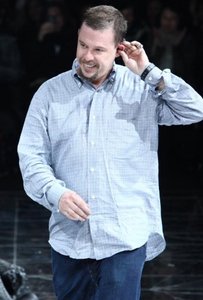
Lee Alexander McQueen
1969 - 2010 , United Kingdom
Quick Facts
- Full Name: Lee Alexander McQueen
- Nationality: British
- Date Of Birth: 1969
- Date Of Death: 2010
- Place Of Birth: London, United Kingdom
- Notable Artworks:
- Corset
- Evening gown
- Knucklebag
- Artistic Movement Or Style: Avant-Garde Fashion
- Artists Who Influenced This Artist:
- Jack the Ripper
- Japanese aesthetics
- Artists Or Movements Influenced By This Artist: ['Contemporary designers']
Related Articles

F.A.Q.: Can I Change My Shipping Address or Order Details After Purchase?
Need to change your order? Learn about modifying shipping addresses & details. Expert guidance for elite collectors ensuring a seamless, premium art acquisition experience.
The Eloquent Body: A Historical & Artistic Exploration of Figures in Painting & Sculpture
Explore the rich history of figure painting & sculpture! Discover classical masterpieces, modern interpretations, and expert insights for art lovers & collectors. OriginalUniqueArt offers museum-quality reproductions.
Alexander Nasmyth: Picturing Scotland's Romantic Landscape – Innovation & Identity
Explore the life & art of Alexander Nasmyth, a pivotal figure in Scottish Romantic landscape painting. Discover his iconic works, including portraits of Robert Burns, and learn about his lasting influence on national identity. Fine art reproductions available.
Alexander Calder: Kinetic Sculpture, Mobile Art & the Poetics of Chance
Explore the revolutionary world of Alexander Calder's kinetic sculptures & mobiles. Discover insights for collectors, acquisition advice, and the enduring legacy of this modern master. Expert analysis & art valuation.
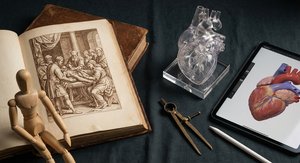
The Eloquent Body: Anatomy's Enduring Legacy in Art from Renaissance Dissection to Modern Representation
Explore the fascinating history of anatomy in art! From Renaissance dissections to modern masterpieces, discover how artists & scientists collaborated to depict the human form with unprecedented realism. Learn more at OriginalUniqueArt.


