Preview
 Send
Send Share
Share
 Details
 Guide
Guide

 Download
 Similars
 X-Ray
X-Ray Diaporama
 Q&A
Q&A Stats
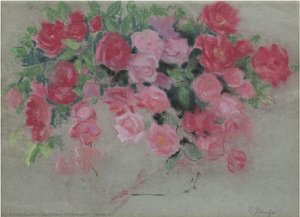
StatsThe Eastern square (Tunis)
 Pastel
- Symbolism
 1904
1904- 19th Century
 51.0 x 68.0 cm
 Lithuanian Art Fund
 Read More
Hand Made Oil Reproduction
Hand-painted oil on canvas in your size and frame, made to order by our artists. ( Switch to Print Switch to Digital Image)




P118B $10

P118H $10

P118W $10

P438Z $10

P508JH $12

P508YH $12

P805H $10

P805Z $10

P919BZ $10

P919G $10

P919XJ $10

P959ZH $10

P968JZ $12

W106C $8

W218G $10

W218JH $8

W218Y $10

W307PJ $10

W316G $10

W316PJ $8

W316Y $10

W398PJ $8

W4111J $10

W500HY $15

W500JH $15

W692G $12

W849H $8

W940BG $15

W953PJ $8




Pick from our preset sizes that match the artwork's original proportions.

Type the width and the height you need, to fit your frame or your wall. This is hand-painted, so for a size with a different shape the artist can paint a bit more around the picture, or cut a bit — you choose. We send you a digital mockup to approve before the painting starts. The picture shown on this page does not show the real result — only the mockup does.
After order, OriginalUniqueArt.com team will email client for instructions and provide a mockup preview
Worldwide Delivery () in 3/4 weeks instead of standard 5 weeks. (28 October). No compromise on quality.

Free Worldwide Express Shipping

High-Quality Linen Canvas

Full Shipping Insurance

Customs Tax Refund Guarantee

True Color Matching Guarantee

100-Day Return Policy (Defects Only)

100% Money-Back Guarantee

Bulk Discount Offer
 Glass option is only available in size under 110 CM

The Eastern square (Tunis)
Reproduction Medium
Reproduction Size
-


Total Price
$ 300
A Vibrant Portal to the Maghreb
In his evocative masterpiece, The Eastern Square (Tunis), Kazimierz Stabrowski invites the viewer to step through a veil of color and light into the bustling heart of North Africa. Created in 1904, this work serves as a breathtaking window into a world far removed from the artist's European roots. The scene captures the rhythmic pulse of a Tunisian marketplace, where the air seems thick with the scent of spices and the hum of commerce. Through a masterful use of pastel-like vividness, Stabrowski populates the square with figures that appear almost ethereal—merchants and travelers moving through an architectural landscape that feels both grounded in history and suspended in a dream.
The composition is a delicate dance of light and shadow, where the boundaries between the physical and the spiritual begin to blur. As one observes the crowded streets, the figures are rendered with a certain abstraction; their faces are often indistinct, lending them a ghostly, transient quality. This technique does not merely depict a crowd; it captures the very essence of movement and the fleeting nature of human presence within the grander scale of time and architecture. For the collector or interior designer, this piece offers a profound sense of depth, acting as a focal point that brings a lively, kinetic energy to any sophisticated space.
Symbolism and the Spirit of the East
To understand this painting, one must look toward the soul of the Symbolist movement. Stabrowski, deeply influenced by theosophical and spiritual pursuits, utilized his travels through the Middle East and the Maghreb to explore themes much deeper than mere Orientalism. While the surface of the painting celebrates the colorful reality of Tunis, the underlying intent is far more metaphysical. The faded curves and translucent outlines of the figures suggest that the material world is but a temporary layer over an eternal spiritual truth.
The artist uses the vibrant, sun-drenched palette to create a contrast between the visible and the invisible. The bright, positive colors evoke the warmth of the Tunisian sun, yet the way the light interacts with the figures creates a sense of "transience." This intentional ambiguity encourages the viewer to look past the bustling marketplace and contemplate the permanent spiritual state that exists behind the veil of daily life. It is this layer of profound meaning that elevates the work from a beautiful landscape to a meditative experience, making it an intellectually stimulating addition to a curated art collection.
A Masterpiece for the Modern Interior
For those seeking to infuse their surroundings with culture and emotion, The Eastern Square (Tunis) offers unparalleled inspiration. The painting’s dynamic energy makes it an ideal centerpiece for grand living rooms or creative studio spaces where movement and light are celebrated. Its palette of warm, sun-kissed tones can harmonize beautifully with both contemporary minimalist decor and more traditional, opulent settings.
Owning a high-quality reproduction of this work allows one to possess a fragment of history and a piece of the Symbolist spirit. The interplay of the bustling human element with the timelessness of the architecture provides a sophisticated narrative for any room. Whether you are an art enthusiast drawn to the historical context of Stabrowski’s travels or a designer looking for a piece that evokes a sense of worldly adventure and spiritual calm, this painting stands as a testament to the enduring allure of the East.
Questions & Answers
What mood does "The Eastern square (Tunis)" by Kazimierz Stabrowski express within Symbolism?
"The Eastern square (Tunis)" carries a joyful emotional tone within the Symbolism movement.
What is "The Eastern square (Tunis)" made with, and in which style?
In "The Eastern square (Tunis)", the pastel technique meets the Symbolism movement.
What national origin stands behind the Symbolism of "The Eastern square (Tunis)"?
"The Eastern square (Tunis)" was created by Kazimierz Stabrowski, born in Belarus, within the Symbolism movement. The artist's origin links the work to Symbolism as practiced by artists from Belarus.
Artist Biography
early life and education
kazimierz stabrowski, a renowned polish painter, was born in 1869 in navahroudak, belarus. he went on to study at the academy of fine arts in warsaw, where he later became the director. this pivotal role not only showcased his artistic prowess but also solidified his influence on the next generation of artists.artistic style and notable works
stabrowski's work is characterized by its dreamy, symbolic quality, often blending elements of symbolism and romanticism. one of his most celebrated pieces, the snow maiden (1891), exemplifies this unique style, which has captivated art enthusiasts for over a century.founding the theosophical society in poland
apart from his artistic achievements, stabrowski played a significant role in establishing the first lodges of the theosophical society in poland. this philosophical society, founded on the principles of spirituality and the occult, further underscores stabrowski's multifaceted nature.legacy and later life
stabrowski passed away in 1929 in garwolin, poland, leaving behind a legacy that continues to inspire artists and art lovers alike. his influence can be seen in various aspects of polish art, from the academy of fine arts in warsaw to his numerous symbolic and romantic pieces.selected works by kazimierz stabrowski on OriginalUniqueArt.com
- spirit of the mountains (105 x 85 cm, lithuanian art fund, vilnius, lithuania, oil on canvas) - a quintessential example of stabrowski's symbolic style.
- colosseum in the moonlight (47 x 65 cm, lithuanian art fund, vilnius, lithuania, pastel) - this piece showcases stabrowski's ability to capture ethereal landscapes.
- trees (47 x 63 cm, lithuanian art fund, vilnius, lithuania, pastel) - a unique blend of realism and abstract imagery, characteristic of stabrowski's later work.
museums featuring kazimierz stabrowski's work on OriginalUniqueArt.com
- lithuanian art fund (vilnius, lithuania) - this institution houses several of stabrowski's notable works, including those mentioned above.

Kazimierz Stabrowski
1869 - 1929 , Belarus
Quick Facts
- Full Name: Kazimierz Stabrowski
- Nationality: Polish
- Date Of Birth: 1869
- Date Of Death: 1929
- Place Of Birth: Novahrudok, Belarus
- Notable Artworks:
- Snow Maiden
- Trees
- Rome. Fontana Dei Cavalli Marini
- Artistic Movement Or Style: Symbolism
- Artists Who Influenced This Artist:
- Gustav Klimt
- Jean Sibelius
Related Articles

The Magic of Pastel Art: A Guide to Soft Colors and Velvately Textures in Impressionist Masterpieces
Explore the ethereal beauty of pastel art. Discover how Impressionist masters used soft hues and velvety textures to capture light. A professional guide for art enthusiasts seeking to understand, collect, and appreciate the delicate magic of this timeless medium.

The Subtleties of Pastel: A Comprehensive Exploration of Technique, History & Emotional Resonance
Explore the captivating world of pastel art! Discover its rich history, Impressionistic masters like Degas, emotional power & unique techniques. Find museum-quality reproductions at OriginalUniqueArt.

The Soft Power of Pastel: A Connoisseur's Guide to History, Technique, and the Art of Texture
Explore the ethereal beauty of pastel art. From Renaissance origins to Impressionist mastery, discover the history, technique, and velvety textures that define this luminous medium in our expert guide for art connoisseurs.

Soft Texture, High Impact: The Ultimate Buyer's Guide to Mastering Pastel Art for Modern Interiors
Master the art of texture with our ultimate guide to pastel art. Discover how to select high-impact, soft-textured pieces that transform modern interiors, from hand-painted masterpieces to custom AI-remixed portraits. Elevate your space with expert curation and bold design.

The Subdued Radiance of Pastel: Exploring Nuance & Emotion in Art
Explore the nuanced world of pastel art! Discover its history, techniques & emotional power with expert insights from OriginalUniqueArt.com. Find museum-quality reproductions and learn about collecting this delicate medium.