Text size

() ·

A painting made for you, by hand

The Mendiant

Hand Made Oil Reproduction

Hand-painted oil on canvas in your size and frame, made to order by our artists. ( Switch to Print Switch to Digital Image)

Collectible Description

This artwork is on view by appointment in the reference room for prints and drawings.

Artist Biography

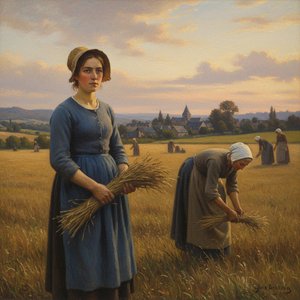
Explore Jules Bastien-Lepage's masterful Naturalism, capturing authentic rural life in works like Haymaking Scene; discover the heart of late 19th-century French realism.

from ·

Chapter 1

How large should it be?

Slide to change the size; the picture on the left shows the frame at its real width. The proportions of the original are kept.

Standard
custom
CM
INCH

Pick from our preset sizes that match the artwork's original proportions.

width
height

Type the width and the height you need, to fit your frame or your wall. This is hand-painted, so for a size with a different shape the artist can paint a bit more around the picture, or cut a bit — you choose. We send you a digital mockup to approve before the painting starts. The picture shown on this page does not show the real result — only the mockup does.

Chapter 2

How should it arrive?

Choose the edges of the stretched canvas

Choose your frame

Corner sample of the WhiteWrap canvas edge finish, stretched on solid wood bars
White $1
Corner sample of the BlurSideWrap canvas edge finish, stretched on solid wood bars
Blurside $1
Corner sample of the ExtendedWrap canvas edge finish, stretched on solid wood bars
Extended $1
Corner sample of the P118B picture frame: moulded polystyrene, 5 cm wide and 3 cm thick
P118B $10
Corner sample of the P118H picture frame: moulded polystyrene, 5 cm wide and 3 cm thick
P118H $10
Corner sample of the P118W picture frame: moulded polystyrene, 5 cm wide and 3 cm thick
P118W $10
Corner sample of the P438Z picture frame: moulded polystyrene, 5.5 cm wide and 3.5 cm thick
P438Z $10
Corner sample of the P508JH picture frame: moulded polystyrene, 7 cm wide and 3.5 cm thick
P508JH $12
Corner sample of the P508YH picture frame: moulded polystyrene, 7 cm wide and 3.5 cm thick
P508YH $12
Corner sample of the P805H picture frame: moulded polystyrene, 5 cm wide and 3.5 cm thick
P805H $10
Corner sample of the P805Z picture frame: moulded polystyrene, 5 cm wide and 3.5 cm thick
P805Z $10
Corner sample of the P919BZ picture frame: moulded polystyrene, 7 cm wide and 3.5 cm thick
P919BZ $10
Corner sample of the P919G picture frame: moulded polystyrene, 7 cm wide and 3.5 cm thick
P919G $10
Corner sample of the P919XJ picture frame: moulded polystyrene, 7 cm wide and 3.5 cm thick
P919XJ $10
Corner sample of the P959ZH picture frame: moulded polystyrene, 5 cm wide and 3 cm thick
P959ZH $10
Corner sample of the P968JZ picture frame: moulded polystyrene, 6 cm wide and 4 cm thick
P968JZ $12
Corner sample of the W106C picture frame: solid wood, 5 cm wide and 3 cm thick
W106C $8
Corner sample of the W218G picture frame: solid wood, 5 cm wide and 3 cm thick
W218G $10
Corner sample of the W218JH picture frame: solid wood, 5 cm wide and 3 cm thick
W218JH $8
Corner sample of the W218Y picture frame: solid wood, 5 cm wide and 3 cm thick
W218Y $10
Corner sample of the W307PJ picture frame: solid wood, 6 cm wide and 3 cm thick
W307PJ $10
Corner sample of the W316G picture frame: solid wood, 6 cm wide and 3 cm thick
W316G $10
Corner sample of the W316PJ picture frame: solid wood, 6 cm wide and 3 cm thick
W316PJ $8
Corner sample of the W316Y picture frame: solid wood, 6 cm wide and 3 cm thick
W316Y $10
Corner sample of the W398PJ picture frame: solid wood, 5 cm wide and 3 cm thick
W398PJ $8
Corner sample of the W4111J picture frame: solid wood, 6.5 cm wide and 3.5 cm thick
W4111J $10
Corner sample of the W500HY picture frame: solid wood, 7 cm wide and 5 cm thick
W500HY $15
Corner sample of the W500JH picture frame: solid wood, 7 cm wide and 5 cm thick
W500JH $15
Corner sample of the W692G picture frame: solid wood, 8 cm wide and 4 cm thick
W692G $12
Corner sample of the W849H picture frame: solid wood, 5 cm wide and 3 cm thick
W849H $8
Corner sample of the W940BG picture frame: solid wood, 7.5 cm wide and 4.5 cm thick
W940BG $15
Corner sample of the W953PJ picture frame: solid wood, 6 cm wide and 3.5 cm thick
W953PJ $8
Corner sample of the H24-GOLD picture frame: carved wood with gesso, 10 cm wide and 6 cm thick
H24-GOLD $30
Corner sample of the H24-SILVER picture frame: carved wood with gesso, 10 cm wide and 6 cm thick
H24-SILVER $30
Corner sample of the H36-GOLD picture frame: carved wood with gesso, 15 cm wide and 6.5 cm thick
H36-GOLD $45
Corner sample of the H36-SILVER picture frame: carved wood with gesso, 15 cm wide and 6.5 cm thick
H36-SILVER $45
Frame preview
Framed

Moulding: . Overall size with the frame: .

Chapter 3

Who paints it, and should anything change?

Examples of what can be changed: Replace face with customer photo; Add pet (e.g., replace cat with dog); Include hidden message in background; Change background landscape or elements.
After order, OriginalUniqueArt.com team will email client for instructions and provide a mockup preview

Worldwide Delivery () in 3/4 weeks instead of standard 5 weeks. (1 November). No compromise on quality.

Chapter 4

The finishing touches

A nameplate, as in a museum?

Engraved Bronze Plaque Details

This elegant plaque features the artist's name and the title of the artwork, finely engraved for a timeless presentation.

It is made from bronze with a refined, elegant finish. The text is precisely laser-engraved for a sharp and permanent result. Measuring 9x2 cm, the plaque is compact yet easy to read. It's built to be durable and scratch-resistant, offering a professional, museum-quality look. Mounting is simple thanks to the included adhesive backing.

Transparent Acrylic Plaque Details

The plaque includes essential engraved details such as the artist's name, the title of the artwork, the date it was created, the type of media used-like oil on canvas or watercolor-a brief description of the piece, and a QR code that links to the complete artwork information.

It is crafted from clear acrylic, offering a sleek, modern appearance. The text is UV-engraved in black to ensure strong visual contrast. With a size of 10x15 cm, it ensures optimal readability. It comes equipped with two metal hooks for secure wall mounting. The plaque is designed to be weather-resistant, making it suitable for various environments, and it includes interactive features that work seamlessly with smartphone scanning.

Black Acrylic Plaque Details

This elegant plaque includes engraved information such as the artist's name, the title of the artwork, the date it was created, the type of media used (like oil on canvas or watercolor), a short description of the artwork, and a QR code for quick access to more information.

The plaque itself is made from refined black acrylic with a premium finish. The text is laser-engraved in white for high contrast and readability. Its size is 10x15 cm, designed to be easy to read. It comes with two metal hooks for professional mounting. The design is sleek and fits any interior style. It is also weather-resistant and durable, with built-in digital integration for mobile compatibility.

A protective varnish?

When do you need it?

Chapter 5

Your painting, as you ordered it

The Mendiant

Reproduction Medium

Reproduction Size

-

Elite Senior Artist

More detail, finesse, and extra production time

-

Reproduction Frame

-

-

For artworks or reproductions larger than 105 cm (approximately 41 inches) on any side, the frame will be shipped as a kit, disassembled. This method ensures safe delivery and prevents damage during transport.

Professional assembly required - this is not a DIY product.
The kit must be assembled and the canvas stretched by an experienced professional framer, using wood glue (not supplied), a canvas stretching plier and clamps to hold the bars square while the glue dries. Incorrect assembly or uneven canvas tension can permanently damage the artwork and is not covered by our warranty.

  • All solid wood bars are included, precisely cut to size.

  • Assembled with the screws provided, plus wood glue for the corner joints, which is not supplied and must be sourced by your framer.

  • Professional tools are required and not included: a canvas stretching plier (tensioner) and clamps to hold the bars square while the glue dries.

Important:
The corner joints require wood glue, the bars must be held with clamps until the glue is fully dry, and tightening the canvas on the assembled frame requires a canvas stretching plier. None of these are included in the kit. Please arrange an experienced professional framer before ordering this size.

Nameplate

-

-

Protective Varnish

Glossy Varnish (enhances colors, protects against light/moisture)

-

Customize My Artwork

Examples of what can be changed: Replace face with customer photo; Add pet (e.g., replace cat with dog); Include hidden message in background; Change background landscape or elements.

-

Urgent

Worldwide Delivery () in 3/4 weeks instead of standard 5 weeks. (1 November). No compromise on quality.

-

Express Shipping

Worldwide Delivery () in 5 weeks. (8 November).

Included

Total Price

$ 300

Total Price $ 300

Glass option is only available in size under 110 CM

Included with every order

  • Free Worldwide Express Shipping
  • High-Quality Linen Canvas
  • Full Shipping Insurance
  • Customs Tax Refund Guarantee
  • True Color Matching Guarantee
  • 100-Day Return Policy (Defects Only)
  • 100% Money-Back Guarantee
  • Bulk Discount Offer

A Portrait of Rural Dignity: "The Mendiant" by Jules Bastien-Lepage

Jules Bastien-Lepage’s “The Mendiant,” painted in 1880, offers a profoundly moving glimpse into the heart of late 19th-century French rural life. This captivating portrait transcends mere representation; it is an embodiment of Naturalism's core tenets – a commitment to portraying authentic human experience with unflinching honesty and deep empathy. The subject, a weathered man identified as “The Mendiant” (the homeless), stands before a simple doorway, his gaze direct and unwavering, engaging the viewer in a silent dialogue across time.

Bastien-Lepage’s artistic vision was deeply rooted in his origins, born in Damvilliers, France. This connection to rural life is powerfully evident in this work. The man's worn clothing, the cane clutched in his hand, and the bag slung over his shoulder speak volumes about a life of hardship yet imbued with an undeniable dignity. His posture, though slightly stooped, radiates resilience and quiet strength.

Naturalism and the Representation of the Marginalized

  • Painted during a pivotal moment in French art history, “The Mendiant” aligns perfectly with Bastien-Lepage’s pioneering role as a bridge between Realism and Impressionism. He rejected the idealized depictions favored by earlier academic traditions, instead choosing to focus on the lives of ordinary people – particularly those marginalized by society.
  • The painting exemplifies Naturalism's emphasis on meticulous observation and accurate detail. Bastien-Lepage’s brushwork is remarkably controlled, creating a palpable sense of texture in the man’s clothing and the weathered wood of the doorway. The subtle gradations of light and shadow contribute to the work’s remarkable realism.
  • The inclusion of the second figure, standing behind the subject, adds another layer of narrative complexity. It suggests a connection, perhaps a moment of shared humanity or support – a poignant detail that elevates the portrait beyond a simple likeness.

Symbolism and Emotional Resonance

Beyond its technical brilliance, “The Mendiant” is rich in symbolic meaning. The potted plants scattered throughout the scene—one on the left, three on the right—introduce an element of domesticity and perhaps a yearning for connection to nature. The vase adds a touch of elegance to the otherwise austere setting, subtly highlighting the man’s inherent worth.

The painting's emotional impact is undeniable. Bastien-Lepage masterfully captures a sense of quiet contemplation and understated sadness. The man’s gaze invites us to consider his story – a story of hardship, resilience, and perhaps, a profound understanding of the human condition. This work resonates with viewers because it confronts us with uncomfortable truths about poverty and social inequality while simultaneously celebrating the dignity of the individual.

Historical Context and Artistic Significance

"The Mendiant" was created in 1880, a period marked by significant artistic experimentation in France. Bastien-Lepage’s work anticipated many of the developments that would characterize Impressionism and Post-Impressionism. His focus on light, color, and psychological depth paved the way for future generations of artists.

This painting is a testament to Bastien-Lepage's legacy as one of France’s most important realist painters. Its enduring appeal lies in its ability to capture a fleeting moment of human experience with remarkable sensitivity and artistic skill. A hand-painted reproduction offers an unparalleled opportunity to appreciate the full beauty and emotional power of this extraordinary work.

Questions & Answers

Who is the artist behind "The Mendiant"?

"The Mendiant" was created by Jules Bastien-Lepage. The information on this page describes Jules Bastien-Lepage's original work.

What subjects appear in "The Mendiant" by Jules Bastien-Lepage?

The themes present in "The Mendiant" by Jules Bastien-Lepage include portrait painting, rural france, man with cane, doorway scene, jules bastien-lepage, potted plants, 19th century art. Together they summarize the artwork's subject matter.

Where in the home does a reproduction of "The Mendiant" fit well?

A reproduction of "The Mendiant" fits well in a living room.

More about this painting

Preview AR preview Switch to Print Switch to Digital Image Send
Details Guide Add to favorites Download Similars X-Ray Diaporama Q&A Stats

In numbers

  • 1880the year it was painted
  • 29frames to choose from
  • standard sizes, in its own proportions
  • 5weeks to paint and deliver it
Jules Bastien-Lepage

Jules Bastien-Lepage

1848 - 1884, France

Quick facts about Jules Bastien-Lepage

  • Full Name: Jules Bastien-Lepage
  • Nationality: French
  • Date Of Birth: 1848
  • Date Of Death: 1884
  • Place Of Birth: Damvilliers, France
  • Notable Artworks:
    • Portrait of my Grandfather
    • Joan of Arc
    • Haymaking
    • October - gathering potatoes
    • At Harvest Time
    • Laura, Lady Alma Tadema
    • Sarah Bernhardt
    • Charcoal landscape, winter
  • Artistic Movement Or Style: Naturalism
  • Artists Who Influenced This Artist:
    • Realist Movement
    • George Clausen
    • Tom Roberts
  • Artists Or Movements Influenced By This Artist: ['Impressionism']

Artist Biography

A Pioneer of Naturalism: The Life and Art of Jules Bastien-Lepage

Jules Bastien-Lepage emerged as a pivotal figure in late 19th-century French painting, a bridge between the established Realist tradition and the burgeoning Impressionist movement. Born in 1848 in the small village of Damvillers, nestled within France’s Meuse region, his artistic trajectory was deeply rooted in the landscapes and lives of rural France. This connection to his origins wasn't merely biographical; it became the very essence of his art, imbuing his canvases with an authenticity that resonated profoundly with audiences seeking a more honest depiction of the world around them. His brief but intensely productive career, tragically cut short by his death in 1884 at just thirty-six years old, left an indelible mark on the development of Naturalism and influenced artists across Europe.

From Rural Roots to Artistic Training

Bastien-Lepage’s initial artistic education came from his father, himself a painter who recognized and nurtured his son's talent. The young Jules filled sketchbooks with studies of the countryside, capturing the rhythms of rural life with an observant eye. This early immersion in the natural world would remain a defining characteristic of his work. Formal training followed at the École des Beaux-Arts in Paris, beginning in 1867, where he studied under Alexandre Cabanel – a prominent academic painter known for his polished technique and historical subjects. While mastering the skills demanded by the Salon system, Bastien-Lepage simultaneously harbored a desire to break free from its constraints. The outbreak of the Franco-Prussian War in 1870 interrupted his studies, leading him to serve as a volunteer soldier. This experience, coupled with a subsequent illness, brought him back to Damvillers, reinforcing his commitment to portraying the lives of those he knew best: the peasants and laborers of his homeland.

The Rise of Naturalism and Bastien-Lepage’s Style

Upon returning to Paris after the war, Bastien-Lepage began exhibiting works that signaled a departure from traditional academic painting. His style was characterized by an intricate application of paint – small, deliberate brushstrokes building up texture and form – combined with a palette dominated by warm, natural tones. He embraced *plein air* painting, working directly from nature to capture the fleeting effects of light and atmosphere. This dedication to observation and authenticity aligned him with the emerging Naturalist movement, which sought to depict life as it was, without idealization or romanticism. Haymaking (1877), exhibited at the Salon in 1879, proved to be a watershed moment, establishing Bastien-Lepage as a leader of this new artistic direction. The painting’s realistic portrayal of rural workers and its luminous depiction of the countryside captivated critics and audiences alike. He wasn't merely documenting peasant life; he was elevating it, imbuing his subjects with dignity and respect.

Major Works and Lasting Influence

Bastien-Lepage’s success extended beyond genre scenes. His portraiture gained considerable acclaim, notably Portrait of my Grandfather (1874), which garnered early recognition, and a striking portrait of the celebrated actress Sarah Bernhardt in 1879 – a commission that brought him further prominence. He also tackled historical subjects with a naturalist sensibility, as exemplified by his painting Joan of Arc, now housed at the Musée d'Orsay. This work presented Joan not as a mythical heroine but as a young woman rooted in her rural origins, reflecting Bastien-Lepage’s commitment to portraying figures within their social and historical context. By 1883, his influence was so widespread that critics observed artists across Europe were emulating his style – a testament to the power of his vision. His work resonated with British painters like George Clausen and Tom Roberts, who incorporated elements of his naturalism into their own depictions of rural life. Jules Bastien-Lepage’s legacy lies not only in the beauty and emotional depth of his paintings but also in his role as a catalyst for artistic change. He paved the way for future generations of artists to explore new ways of representing the world around them, challenging conventional norms and embracing a more honest and authentic approach to art.

Quick Facts

  • Movement: Naturalism
  • Artistic style: Realist, French
  • Dimensions: 199 x 181 cm
  • Notable elements: Cane, bag, plants
  • Artist: Jules Bastien-Lepage