
 Preview
 Send
Send Share
Share
 Details
 Guide
Guide

 Download
 Similars
 X-Ray
X-Ray Diaporama
 Q&A
Q&A Stats
StatsIncubation

- 28.0 x 34.0 cm


 Read More
The artwork displayed on this page is protected by copyright law, which means we cannot legally create or sell an identical reproduction. This protection is enforced under international agreements such as the Berne Convention and by national laws, including those outlined by the U.S. Copyright Law - Title 17.
This method fully complies with copyright regulations because it does not involve copying or duplicating the protected artwork. Instead, it is a creative reinterpretation - a new painting that is influenced by the original but not identical to it.
Giclée / Art Print
Museum-quality giclée or canvas print with fast production and flexible finish options. ( Buy Hand Made Painting Switch to Digital Image)




P118B $10

P118H $10

P118W $10

P438Z $10

P508JH $12

P508YH $12

P805H $10

P805Z $10

P919BZ $10

P919G $10

P919XJ $10

P959ZH $10

P968JZ $12

W106C $8

W218G $10

W218JH $8

W218Y $10

W307PJ $10

W316G $10

W316PJ $8

W316Y $10

W398PJ $8

W4111J $10

W500HY $15

W500JH $15

W692G $12

W849H $8

W940BG $15

W953PJ $8




Pick from our preset sizes that match the artwork's original proportions.

Type the width and the height you need, to fit your frame or your wall. A print can only be cut, never made bigger than the picture, so a size with a different shape loses a part of the image. We send you a digital mockup to approve before we print anything. The picture shown on this page does not show the real cut — only the mockup does.
Worldwide Delivery () in 2 weeks instead of standard 4/5 weeks. (2 November)

Free Worldwide Express Shipping

High-Quality Linen Canvas

Full Shipping Insurance

Customs Tax Refund Guarantee

True Color Matching Guarantee

100-Day Return Policy (Defects Only)

100% Money-Back Guarantee

Bulk Discount Offer
 Glass option is only available in size under 110 CM

Incubation
Giclée / Art Print
Reproduction Size
-


Total Price
$ 81
Jorge de la Vega: Incubation – A Symphony of Anxiety and Spiritual Observation
Jorge de la Vega (1930-1971) stands as a singular figure within the Argentine Nueva Figuración movement, an artistic rebellion against academic conventions that sought to capture the turbulent spirit of the postwar era. Initially drawn to architecture—a pursuit he abandoned after six formative years at Universidad de Buenos Aires—Vega swiftly recognized the limitations of geometric abstraction and embraced a path toward intensely personal expression.
His early canvases explored both representational forms and stylistic experimentation, establishing a distinctive visual vocabulary characterized by unsettling imagery and a preoccupation with psychological states. The pivotal decision to forgo formal training proved decisive, propelling him into a multifaceted career encompassing painting, songwriting, and sculptural endeavors—a testament to his unwavering commitment to artistic exploration.
“Incubation,” created in 1966, exemplifies Vega’s signature style: a jarring blend of expressionism and Cubist influences. The artwork depicts a chaotic tableau populated by multiple figures engaged in exaggerated facial expressions – screams, stares, and gestures of profound unease dominate the composition. Thick, bold lines delineate these forms, creating a palpable sense of movement and tension.
- Composition: Vega abandons traditional perspective, favoring instead a flattened space that amplifies the claustrophobic atmosphere. Overlapping figures contribute to this feeling of confinement, mirroring anxieties about societal pressures and interpersonal relationships.
- Color Palette: Primarily monochrome—black and white—the palette underscores the artwork’s emotional intensity. Absence of shading reinforces the flatness of the image and directs attention to textural variations achieved through hatching and cross-hatching techniques.
- Technique: Vega employs direct drawing with forceful lines, prioritizing expressive gesture over meticulous realism. The technique is rooted in Cubist principles but infused with an emotive urgency reminiscent of Expressionism’s focus on subjective experience.
Beyond its formal characteristics, “Incubation” resonates with deeper symbolic concerns. The central figure—a man wearing glasses—represents intellectual scrutiny and perhaps a futile attempt to comprehend the overwhelming forces shaping human existence. Simultaneously, the angel positioned on the right serves as a visual counterpoint, embodying spiritual observation and hinting at judgment – a duality that encapsulates Vega’s exploration of existential dilemmas.
Vega's work continues to captivate audiences with its unflinching portrayal of psychological turmoil and its masterful manipulation of artistic language. “Incubation” stands as a poignant reminder of the artist’s ability to transform personal anxieties into powerful visual narratives, cementing his legacy as one of Argentina’s most influential figures in contemporary art.
Additional Context: Santo Domingo de la Calzada – A Cathedral of Legend
Vega's artistic sensibilities extended beyond painting; he possessed a fascination with architectural spaces and religious iconography. The Catedral de Santo Domingo de la Calzada, nestled in Zaragoza, Spain—a UNESCO World Heritage Site—provided inspiration for his visual explorations. Its Romanesque-Gothic grandeur embodies centuries of history and spiritual devotion.
The cathedral’s Rooster Miracle – a miraculous apparition of a rooster perched atop the spire – exemplifies Vega's interest in symbols that transcend mere representation, reflecting deeper beliefs about faith and divine intervention. Visiting this architectural marvel offers a tangible connection to artistic heritage and contemplative reflection.
Exploring Contemporary Artistic Voices: Águeda Ruiz de la Prada
Vega’s influence can be discerned in the work of Águeda Ruiz de la Prada, a prominent Argentine artist known for her distinctive blend of surrealism and abstraction. Like Vega, Ruiz de la Prada challenges conventional artistic boundaries, prioritizing emotional resonance over stylistic adherence.
Her canvases—often characterized by vibrant colors and dreamlike imagery—engage viewers in dialogues about identity, memory, and the complexities of human experience. Ruiz de la Prada’s commitment to artistic experimentation mirrors Vega's pioneering spirit, demonstrating the enduring legacy of Nueva Figuración’s transformative impact on Argentine art.
Beyond Argentina: Maurice Quentin de La Tour – Pastel Innovation
Vega’s stylistic innovations found parallels in the work of Maurice Quentin de La Tour, a French pastel artist who revolutionized portraiture during the Rococo period. De La Tour's pioneering use of pastel—a medium previously considered marginal—allowed for unprecedented tonal subtlety and expressive nuance.
His portraits captured the aristocratic elegance of his era while simultaneously conveying psychological depth – qualities that resonate with Vega’s artistic vision. Studying de La Tour’s techniques offers insights into the broader context of artistic experimentation and stylistic evolution within European art history.
Questions & Answers
Which room is "Incubation" by Jorge de la Vega recommended for, given its colors?
Considering its neutrals colors, "Incubation" is suggested for a living room.
Is "Incubation" by Jorge de la Vega a light or a dark artwork?
The recorded values for "Incubation" by Jorge de la Vega are: brilliant brightness, luminous luminance.
What saturation and intensity does "Incubation" by Jorge de la Vega show?
"Incubation" by Jorge de la Vega is recorded with a muted saturation and a monochromatic intensity.
Artist Biography
A Life Interrupted: The Multifaceted World of Jorge de la Vega
Jorge de la Vega, a name resonating with the restless energy of mid-20th century Argentina, was more than just a painter; he was a cultural seismograph, registering the tremors of societal change through canvases brimming with unsettling imagery and, later, through poignant protest songs. Born in Buenos Aires in 1930, de la Vega’s initial trajectory seemed set towards architecture, enrolling at the Universidad de Buenos Aires in 1948. However, the rigid structures of design soon proved insufficient to contain his burgeoning artistic spirit. He abandoned formal architectural studies after six years, choosing instead a path of self-directed exploration—a decision that would define his remarkably diverse and ultimately truncated career. The early 1950s saw him experimenting with both representational forms and the prevailing abstract geometric styles, laying the groundwork for a unique visual vocabulary that would soon challenge the established order.The Rise of Nueva Figuración and a Critical Eye
A pivotal moment arrived in 1961 with the formation of *Otra Figuración* (Other Figuration), alongside fellow Argentine artists Luis Felipe Noé, Rómulo Macció, and Ernesto Diera. This movement, also known as *Nueva Figuración* (New Figuration), was a direct response to the dominance of geometric abstraction in the Argentine art scene—a deliberate attempt to reintroduce the human figure, not merely as an aesthetic element, but as a vessel for existential anxieties and social commentary. The group’s collective aim wasn't simply to depict humanity, but to dissect it, exposing its vulnerabilities and contradictions. A formative trip to Europe with *Otra Figuración* proved deeply influential, broadening their artistic horizons and solidifying their commitment to challenging conventional norms. Later, a period spent in the United States exposed de la Vega to the burgeoning Pop Art movement in New York City—an encounter that would profoundly impact his style, injecting it with bold imagery and a critical edge. He even secured a Fulbright Scholarship in 1965, allowing him to serve as a visiting professor at Cornell University, further enriching his artistic perspective.Decoding a Visual Language of Discomfort
De la Vega’s art is characterized by its unflinching engagement with the complexities of modern life. His canvases are populated with distorted figures, fragmented forms, and symbolic objects—a visual language designed to provoke discomfort and incite critical thought. He wasn't interested in beauty for beauty’s sake; rather, he sought to expose the absurdities of consumer culture, the alienation of contemporary existence, and the underlying anxieties that plagued post-war society. The influence of Pop Art is readily apparent in his bold use of color and appropriation of everyday imagery, but de la Vega imbued these elements with a distinctly darker tone—a sardonic humor that underscored his social critique. Works like “Praise,” “Try Again,” “Flirt,” “Games of Love and Chance,” “Incubation,” and the series titled "Puzzle" exemplify this approach, presenting fragmented narratives that challenge viewers to confront uncomfortable truths. His style often anticipated digital aesthetics, with a sense of rendering and manipulation that was remarkably prescient for its time.From Canvas to Song: A Shift in Medium
In a surprising turn, de la Vega dramatically shifted his focus in the final years of his life, turning away from visual art altogether and dedicating himself to music. He became a popular singer-songwriter, crafting protest songs that echoed the satirical worldview evident in his paintings. This transition wasn’t merely a change in medium; it was an extension of his artistic philosophy—a desire to reach a wider audience with his message of social critique. His lyrics were sharp and insightful, reflecting his deep concern for political injustice and the human condition. Tragically, de la Vega's life was cut short in 1971 at the age of 41, leaving behind a body of work that remains both compelling and hauntingly incomplete.A Lasting Legacy: Redefining Argentine Expression
Despite his premature death, Jorge de la Vega’s impact on Latin American art history is undeniable. His involvement with *Nueva Figuración* helped redefine Argentine artistic expression during a period of significant political and social upheaval. He challenged the status quo, questioned societal norms, and dared to expose the darker undercurrents of modern life. Today, his artworks are displayed in museums across Argentina and internationally—including the Phoenix Art Museum, the Museum of Modern Art in Rio de Janeiro, Brazil, and the Art Museum of the Americas at the OAS in Washington, DC—testifying to the enduring power and relevance of his vision. De la Vega’s legacy lies not only in his distinctive artistic style but also in his unwavering commitment to using art as a tool for social commentary and self-expression – a testament to an artist who dared to look beyond the surface and confront the complexities of the human experience.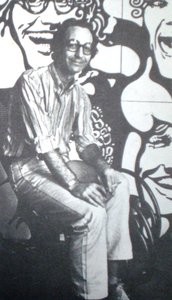
Jorge de la Vega
1930 - 1971 , Argentina
Quick Facts
- Full Name: Jorge de la Vega
- Nationality: Argentine
- Date Of Birth: 1930
- Date Of Death: 1971
- Place Of Birth: Buenos Aires, Argentina
- Notable Artworks:
- Praise
- Try Again
- Flirt
- Games of Love and Chance
- Incubation
- Puzzle
- Artistic Movement Or Style: Nueva Figuración, Pop Art
- Artists Who Influenced This Artist: ['Pop Art artists']
- Artists Or Movements Influenced By This Artist: ['Nueva Figuración']
Related Articles

About Us
Discover our story! We bring world-class art into your life through expert curation, personalized creations, and free previews. Trusted by individuals and businesses since 2000.
Georges de La Tour: Luminosity, Spirituality & Realism in Baroque Painting
Discover the captivating world of Georges de La Tour, a Baroque master renowned for his dramatic chiaroscuro & spiritual realism. Explore key works, influences, and his remarkable rediscovery. Learn more at OriginalUniqueArt.

Mastering Shadows: The 25 Most Powerful Artworks by Francisco Goya
Explore Goya's haunting masterpieces from courtly portraits to Black Paintings. Discover the full collection on OriginalUniqueArt.com.

Maurice Quentin de La Tour: Light, Shadow & the Rococo Portrait
Explore the captivating world of Maurice Quentin de La Tour, a master of Rococo portraiture. Discover his innovative pastel techniques, intimate depictions of French aristocracy, and lasting artistic legacy. Learn more at OriginalUniqueArt.
Águeda Ruiz de la Prada: A Study of Eclecticism & Emotional Resonance in Contemporary Spanish Painting
Discover the vibrant world of Ágatha Ruiz de la Prada, a leading figure in contemporary Spanish art. Explore her eclectic style, emotional depth & legacy – a must-read for discerning collectors.


