
 Preview
 Send
Send Share
Share
 Details

 Download
 Similars
 X-Ray
X-Ray Diaporama
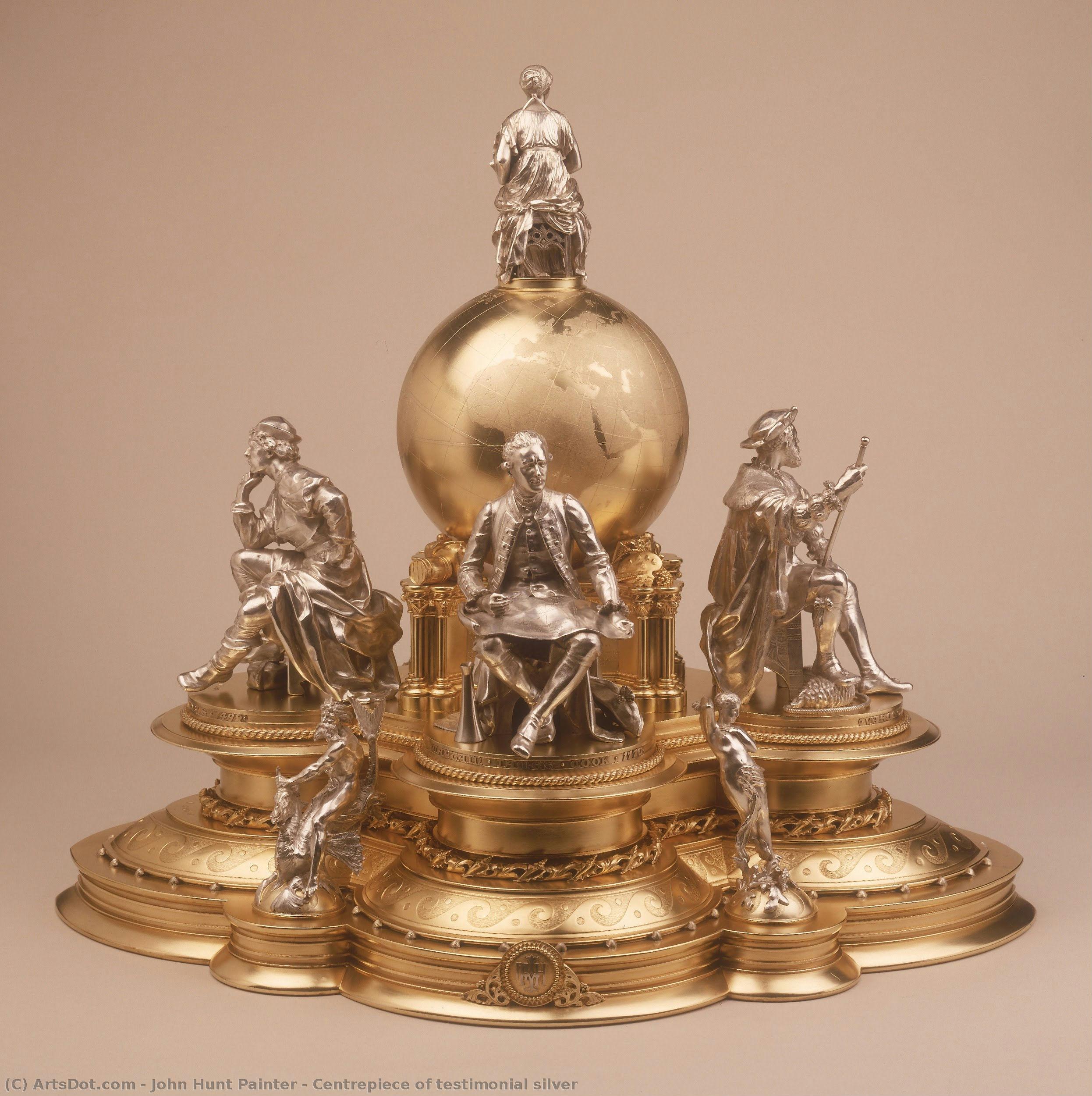
Centrepiece of testimonial silver


 Read More
Hand Made Oil Reproduction
Hand-painted oil on canvas in your size and frame, made to order by our artists. ( Buy Print Buy Image)




P118B $10

P118H $10

P118W $10

P438Z $10

P508JH $12

P508YH $12

P805H $10

P805Z $10

P919BZ $10

P919G $10

P919XJ $10

P959ZH $10

P968JZ $12

W106C $8

W218G $10

W218JH $8

W218Y $10

W307PJ $10

W316G $10

W316PJ $8

W316Y $10

W398PJ $8

W4111J $10

W500HY $15

W500JH $15

W692G $12

W849H $8

W940BG $15

W953PJ $8




Pick from our preset sizes that match the artwork's original proportions.

You may enter your own dimensions to fit a specific frame or space. If your selected size does not match the original image's proportions, we will either crop the artwork or extend the painting with additional hand-painted elements. A digital mockup will be sent for your approval before production begins.
Please note that the on-screen preview does not reflect the actual cropping or extension. Only the mockup will accurately show the final composition.
While custom sizes are available, we recommend selecting a dimension from the predefined list to preserve the original proportions.
After order, OriginalUniqueArt.com team will email client for instructions and provide a mockup preview
Worldwide Delivery () in 3/4 weeks instead of standard 5 weeks. (20 August). No compromise on quality.

Free Worldwide Express Shipping

High-Quality Linen Canvas

Full Shipping Insurance

Customs Tax Refund Guarantee

True Color Matching Guarantee

60-Day Return Policy (Defects Only)

100% Money-Back Guarantee

Bulk Discount Offer
 Glass option is only available in size under 110 CM

Centrepiece of testimonial silver
Reproduction Medium
Reproduction Size
-


Total Price
$ 300
Artwork Description
A Testament to Commerce and Enlightenment: Examining G. A. Carter’s ‘Centrepiece of Testimonial Silver’
The year 1884 witnessed the unveiling of an extraordinary artistic achievement – G. A. Carter’s “Centrepiece of Testimonial Silver,” a monumental sculpture commissioned by White Star shareholders to commemorate the launch of their flagship liner, Adriatic, and presented as a gift to Thomas Ismay, the visionary founder of the company. More than just a decorative object, this piece embodies the spirit of Victorian Britain: ambition, innovation in maritime engineering, and a fervent belief in the transformative power of art to elevate human understanding. Located prominently within the Liverpool Walker Art Gallery, its enduring presence speaks volumes about both artistic excellence and the cultural significance of its time.Design Philosophy and Artistic Vision
Carter’s intention wasn't merely to depict a ship; he sought to encapsulate “Commerce on top of the World.” This ambitious concept drove his creative process, resulting in a sculpture that transcends literal representation. The artist meticulously studied classical mythology and symbolism – specifically referencing figures from Greek legend—to convey ideas of progress, aspiration, and divine patronage. He envisioned a grand panorama reflecting humanity’s journey through history, guided by intellectual curiosity and propelled forward by technological advancement. Carter's stylistic choices leaned heavily into Neo-Classical influences, prioritizing clarity of form and harmonious proportions to communicate profound concepts with elegance and precision.Craftsmanship and Technique: Hunt & Roskell’s Legacy
The sculpture’s execution was entrusted to Hunt & Roskell, London’s esteemed silversmiths—a firm renowned for its commitment to pushing the boundaries of artistic craftsmanship. They skillfully employed a technique known as parcel-gilding, applying thin layers of gold leaf onto a silver base to achieve an opulent sheen and enhance the sculpture's visual impact. This meticulous process demanded considerable skill and patience, reflecting the prevailing standards of Victorian artistry. Furthermore, Carter’s detailed modeling—likely utilizing wax sculpting techniques followed by casting—demonstrates his mastery of sculptural form and ensures that every element contributes to the overall narrative. The resulting surface texture is remarkably smooth, highlighting the brilliance of the gilding while preserving the integrity of the silver framework.Symbolism: Mythological Figures and Representational Narrative
The sculpture’s composition is replete with symbolic references. Four prominent statues—representing Hercules, Apollo, Zeus, and Poseidon—command attention at the base of the sphere, symbolizing strength, intellect, divine authority, and maritime dominion respectively. These figures are positioned strategically to guide the viewer's gaze upwards towards the central sphere, which depicts a stylized representation of Earth – emphasizing humanity’s place within the cosmos. The smaller figurines scattered throughout the scene further enrich the narrative, portraying individuals engaged in various activities—scholarly pursuits, artistic endeavors, and scientific exploration—underscoring the Victorian belief that knowledge and creativity were essential for societal advancement.Emotional Resonance: Capturing the Spirit of an Era
“Centrepiece of Testimonial Silver” transcends its material form to evoke a powerful emotional response. Its grandeur conveys a sense of optimism and confidence in Britain’s future as a global maritime power—a sentiment deeply rooted in the burgeoning industrial revolution. The sculpture's meticulous detail invites contemplation, prompting viewers to consider the enduring legacy of classical ideals and the importance of artistic expression in shaping cultural understanding. Ultimately, it serves as a poignant reminder of Victorian ambition, intellectual curiosity, and the belief that beauty could illuminate the path toward progress—qualities that continue to resonate with audiences today.Artist Biography
a life of contrasts: farmer, abolitionist, hotelier, and pallbearer
john hunt painter, also known simply as hunt painter, was an american enigma, embodying the complexities of his era. born in 1819 in springdale, iowa, and passing away in 1891 in pasadena, california, his life traversed multiple roles: farmer, abolitionist, hotelier, and pallbearer.early life and abolitionist activities
- **the abolitionist**: hunt painter is most notably recognized for supplying firearms to john brown, which were pivotal in the historic harpers ferry raid of 1859. this act, a testament to his commitment to ending slavery, showcases his involvement in the abolitionist movement. - **early settler and quaker**: as an early settler of pasadena, california, hunt painter erected the la pintoresca hotel in 1888, reflecting his entrepreneurial spirit. his quaker upbringing influenced his moral stance on issues like slavery.artistic legacy and museum collections
- **the art world**: though not a painter himself, hunt painter's support for john brown and his role in the abolitionist movement places him within the broader context of american art history, particularly in relation to themes of freedom and social justice. - **museum collections**: while there isn't a direct body of artwork attributed to hunt painter, his legacy is intertwined with the OriginalUniqueArt collection, which features numerous pieces reflecting the era's societal upheavals. for instance, john sartain's "william still", an engraving from the national portrait gallery in washington, d.c., echoes the period's focus on abolition and social justice.legacy and remembrance
- **pallbearer at pasadena**: hunt painter's role as a pallbearer at owen brown's funeral in pasadena, whom he knew from iowa, underscores his commitment to community and the bonds of friendship. - **the la pintoresca hotel**: this hotel, erected by hunt painter in 1888, stands as a tangible legacy of his entrepreneurial spirit and contribution to early pasadena.- for more on john hunt painter's era and its influence on art, explore wahoo art timeline.
- discover the evolution of western art through the centuries at OriginalUniqueArt's virtual museum.
- learn about other artists and their contributions to the world of art at artist biographies on OriginalUniqueArt.

john hunt painter
1819 - 1891 , United States of America
Quick Facts
- Artistic Movement Or Style: Realism
- Artists Or Movements Influenced By This Artist:
- Impressionism
- Cubism
- Artists Who Influenced This Artist:
- Velázquez
- Ribera
- Date Of Birth: June 10, 1819
- Date Of Death: December 31, 1877
- Full Name: Jean Désiré Gustave Courbet
- Nationality: French
- Notable Artworks:
- A Burial at Ornans
- The Stone Breakers
- Olympia
- Place Of Birth: Ornans, France
Related Articles

White on Canvas: 10 Masterpieces & Timeless Elegance for Your Home Decor
Explore 10 iconic white paintings by Monet, Whistler & Rothko! Discover the stories behind these serene masterpieces and their impact on art history. Find museum-quality reproductions for your home decor at .

John Singer Sargent's 25 Masterpieces: Portraits & Beyond | OriginalUniqueArt
Explore 25 iconic John Singer Sargent paintings – from dazzling portraits to Impressionist landscapes. Discover the stories behind Madame X, El Jaleo & more! Find museum-quality art reproductions and elevate your home decor with OriginalUniqueArt.com.

John Constable's Masterpieces: Explore 25 Iconic Landscapes for Your Home
Journey through John Constable's 25 most celebrated landscapes. Explore Romanticism, Dedham Vale & his masterful use of light in iconic paintings like 'Hay Wain'. Find museum-quality art reproductions and elevate your home decor on OriginalUniqueArt.com.

The Subtleties of White: Exploring Absence, Light & Symbolism in Art History
Explore the profound symbolism & history of white in art! From ancient purity to modern abstraction, discover how artists have used absence & light. Expert insights from OriginalUniqueArt.
John Singer Sargent: Capturing the Gilded Age with Impressionistic Brilliance
Explore the life & art of John Singer Sargent, premier portraitist of the Gilded Age. Discover his Impressionistic masterpieces, technical brilliance, and enduring legacy. Expert insights for collectors.



