

 Preview
 Send
Send Share
Share
 Details
 Guide
Guide

 Download
 Similars
 X-Ray
X-Ray Diaporama
 Stats
StatsThe Rapids, Yellowstone


 Read More
Hand Made Oil Reproduction
Hand-painted oil on canvas in your size and frame, made to order by our artists. ( Switch to Print Switch to Digital Image)




P118B $10

P118H $10

P118W $10

P438Z $10

P508JH $12

P508YH $12

P805H $10

P805Z $10

P919BZ $10

P919G $10

P919XJ $10

P959ZH $10

P968JZ $12

W106C $8

W218G $10

W218JH $8

W218Y $10

W307PJ $10

W316G $10

W316PJ $8

W316Y $10

W398PJ $8

W4111J $10

W500HY $15

W500JH $15

W692G $12

W849H $8

W940BG $15

W953PJ $8




Pick from our preset sizes that match the artwork's original proportions.

You may enter your own dimensions to fit a specific frame or space. If your selected size does not match the original image's proportions, we will either crop the artwork or extend the painting with additional hand-painted elements. A digital mockup will be sent for your approval before production begins.
Please note that the on-screen preview does not reflect the actual cropping or extension. Only the mockup will accurately show the final composition.
While custom sizes are available, we recommend selecting a dimension from the predefined list to preserve the original proportions.
After order, OriginalUniqueArt.com team will email client for instructions and provide a mockup preview
Worldwide Delivery () in 3/4 weeks instead of standard 5 weeks. (25 September). No compromise on quality.

Free Worldwide Express Shipping

High-Quality Linen Canvas

Full Shipping Insurance

Customs Tax Refund Guarantee

True Color Matching Guarantee

100-Day Return Policy (Defects Only)

100% Money-Back Guarantee

Bulk Discount Offer
 Glass option is only available in size under 110 CM

The Rapids, Yellowstone
Reproduction Medium
Reproduction Size
-


Total Price
$ 300
A Symphony of Light and Water: The Essence of Yellowstone
In the heart of America’s first national park, where the raw power of nature meets the tranquil stillness of the wilderness, John Henry Twachtman captured a moment of profound atmospheric beauty. The Rapids, Yellowstone, painted in 1895, is far more than a mere topographical record of a river; it is an immersive sensory experience that transports the viewer to the rugged grandeur of the American West. Through his masterful command of color and light, Twachtman invites us to witness the turbulent force of the rapids as they dance against the enduring strength of ancient stone. The painting presents a breathtaking landscape where snow-dusted mountain peaks pierce a clear, bright sky, creating a scene that feels both monumental and intimately fleeting.
The composition is a delicate balance of movement and stability. In the foreground, prominent rocks serve as anchors, grounding the viewer amidst the dynamic energy of the rushing water. These geological features possess a palpable sense of age and resilience, acting as silent witnesses to the river's eternal flow. As the eye travels deeper into the canvas, the reflections on the water’s surface amplify the scene's inherent drama, doubling the visual impact of the current and creating an illusion of depth that pulls the observer into the very soul of the canyon. This interplay between the solid, unmoving earth and the fluid, ever-changing river creates a rhythmic tension that is central to the painting's allure.
The Impressionist Vision and Technical Brilliance
As a pioneer of American Impressionism, Twachtman moved away from the rigid academic traditions of his era, choosing instead to prioritize the ephemeral qualities of atmosphere over meticulous realism. His technique is characterized by loose, visible brushstrokes that suggest motion rather than defining it with sharp outlines. This deliberate blurring of boundaries emulates the way the human eye perceives reality—capturing the shimmering light and the soft edges of a landscape transformed by mist and sun. To look upon this work is to feel the cool mountain air and hear the distant roar of the water, as the artist eschews precise detail in favor of a pure, emotional impression.
The technical execution of The Rapids, Yellowstone is nothing short of extraordinary. Twachtman utilized a rich, textured impasto technique, particularly within the mountainous backdrop, to lend a physical weight to the scene. This heavy application of paint mirrors the ruggedness of the Yellowstone terrain, giving the canvas a sculptural quality that catches the light in unexpected ways. His palette is a sophisticated arrangement of deep blues and vibrant greens, which evoke both the churning energy of the rapids and the lush, verdant life tucked within the valleys. For the collector or interior designer, this piece offers a profound sense of depth and vitality, making it a commanding centerpiece that brings the untamed spirit of the natural world into any refined space.
A Timeless Legacy for the Modern Collector
Beyond its technical merits, this artwork carries a deep historical resonance. Created during the Belle Époque, a period of immense cultural and artistic flourishing, Twachtman’s work reflects a burgeoning fascination with the sublime beauty of the American landscape. It stands as a testament to a time when artists were redefining the boundaries of perception, seeking to capture the intangible spirit of a place. The painting does not merely depict a location; it embodies an era of exploration and discovery.
For those seeking to curate a collection or design an interior that evokes serenity, strength, and wonder, The Rapids, Yellowstone serves as an incomparable inspiration. Whether displayed in a sunlit gallery or a quiet study, its ability to evoke the majestic scale of nature remains undiminished by time. Owning a high-quality reproduction of this masterpiece allows one to possess a fragment of the American Impressionist legacy, bringing a sense of enduring peace and natural splendor to the contemporary home.
Artist Biography
A Pioneer of American Impressionism: The Life and Art of John Henry Twachtman
John Henry Twachtman, born in Cincinnati, Ohio, on August 4th, 1853, stands as a pivotal figure in the development of American Impressionism. His journey from academic training to a uniquely personal style reflects not only his artistic evolution but also the broader shifts occurring within the American art world during the late 19th and early 20th centuries. Twachtman’s story is one of constant exploration, a restless pursuit of capturing atmosphere and emotion through color and light, ultimately leaving an indelible mark on the landscape tradition. His initial artistic grounding came under the tutelage of Frank Duveneck in his hometown, a formative experience that instilled within him a dedication to direct observation and a rejection of overly idealized representations. This early training laid the foundation for his later embrace of more progressive techniques.European Influences and the Embrace of Tonalism
Driven by an ambition to refine his skills and broaden his artistic horizons, Twachtman embarked on a period of study in Europe that proved transformative. Between 1875 and 1877, he attended the Academy of Fine Arts in Munich, where he absorbed the principles of a loosely brushed, shadowy technique prevalent at the time. A subsequent visit to Venice with William Merritt Chase further ignited his passion for capturing the nuances of light and atmosphere. These European experiences were crucial in shaping his artistic vision, yet Twachtman never simply replicated what he encountered abroad; instead, he synthesized these influences into something distinctly his own. The period between 1883 and 1885 found him at the Académie Julian in Paris, a turning point where his style began to coalesce towards a softer, more atmospheric approach – a move that would define his signature aesthetic. It was during this Parisian interlude that he fully embraced Tonalism, characterized by muted colors, subtle gradations of tone, and an emphasis on creating mood and atmosphere. Works like *Arques-la-Bataille*, now residing in the Metropolitan Museum of Art, exemplify this period, showcasing his mastery of tonal harmonies and evocative landscapes.The Cos Cob Colony and a Personal Impressionist Style
Upon returning to America, Twachtman settled in Connecticut, purchasing a farm in Greenwich that would become both home and artistic sanctuary. His presence at the burgeoning Cos Cob art colony proved instrumental, fostering a vibrant creative community where ideas were exchanged freely and experimentation was encouraged. He wasn’t merely a resident artist; he became a catalyst, inspiring his friends and students with his innovative techniques and philosophical approach to painting. This period saw Twachtman move beyond strict Tonalism towards a highly personal form of Impressionism. While retaining the emphasis on atmosphere and light, his later works demonstrate a bolder use of color and a more dynamic brushstroke. He frequently depicted snow-covered landscapes of his farm and garden, transforming familiar scenes into poetic meditations on nature’s beauty. His series of vibrant scenes in Gloucester, Massachusetts, foreshadowed a more modernist sensibility in American art, anticipating the abstract explorations that would follow.Legacy and Lasting Impact
John Henry Twachtman's untimely death in 1902 at the age of forty-nine cut short a promising career, but his influence continued to resonate through subsequent generations of American artists. He left behind a body of work that is celebrated for its poetic sensibility, technical mastery, and innovative approach to landscape painting. His paintings are not merely representations of places; they are evocations of mood, atmosphere, and the emotional connection between humanity and nature. Twachtman’s contribution extends beyond his individual canvases; he played a vital role in establishing American Impressionism as a distinct artistic movement. He was a founding member of “The Ten,” a group of artists who sought to break away from the constraints of traditional art institutions and forge their own path. Landscape 3, with its serene depiction of nature, exemplifies his tonalist approach, while works like *Reflections* demonstrate his ability to capture fleeting moments of light and atmosphere. His legacy is further cemented through pieces such as *Brook among the Trees*, a captivating pastel that showcases the beauty and serenity of the natural world. Twachtman’s innovative spirit continues to inspire artists today, solidifying his place as a true pioneer of American Impressionism and a master of tonal landscape painting.Notable Works
- Landscape 3 (c. 1894-1902): A quintessential example of Twachtman’s Tonalist period, showcasing his mastery of atmospheric perspective and subtle color harmonies.
- Arques-la-Bataille (1885): Painted during his time in Paris, this work exemplifies the influence of French Impressionism on his style.
- Reflections (c. 1902): A serene depiction of a dock scene, capturing the play of light and shadow on water.
- Brook among the Trees (1891): A captivating pastel that showcases Twachtman’s ability to convey tranquility and natural beauty.
- The Holland Dyke (c. 1886-1890): Demonstrates his skill in capturing atmospheric effects and subtle tonal variations.

John Henry Twachtman
1853 - 1902 , United States of America
Quick Facts
- Artistic Movement Or Style: Impressionism, Tonalism
- Artists Or Movements Influenced By This Artist:
- American Impressionism
- Modernist style
- Artists Who Influenced This Artist:
- Frank Duveneck
- William Merritt Chase
- Date Of Birth: August 4, 1853
- Date Of Death: August 8, 1902
- Full Name: John Henry Twachtman
- Nationality: American
- Notable Artworks:
- Landscape 3
- Arques-la-Bataille
- Springtime
- The Holland Dyke
- Place Of Birth: Cincinnati, USA
Related Articles

Top 25 Masterpieces by David Moreau: A Journey Through Texture and Light
Immerse yourself in the tactile world of David Moreau. Explore our curated selection of his top 25 textured masterpieces, featuring heavy impasto and sculptural depth. Find museum-quality art reproductions for your collection. Discover all masterpieces on OriginalUniqueArt.com.

Top 25 Masterpieces by David Moreau: A Journey Through Texture and Light
Immerse yourself in the tactile world of David Moreau. Explore 25 iconic masterpieces defined by heavy impasto and sculptural texture. Find museum-quality art reproductions and curated decor inspiration for your space. Discover all masterpieces on OriginalUniqueArt.com.

25 Masterpieces of David Moreau: The Ultimate Guide to Textured Abstraction
Immerse yourself in the tactile world of David Moreau. Explore our curated selection of 25 iconic textured artworks, celebrating his mastery of impasto and light. Find museum-quality reproductions for your collection. Discover all masterpieces on OriginalUniqueArt.com.

25 Masterpieces by David Moreau: The Ultimate Guide to Textured Art
Immerse yourself in the tactile world of David Moreau. Explore our curated list of 25 iconic textured artworks, from heavy impasto to modern abstraction. Find museum-quality reproductions and decor inspiration for collectors. Discover all masterpieces on OriginalUniqueArt.com.
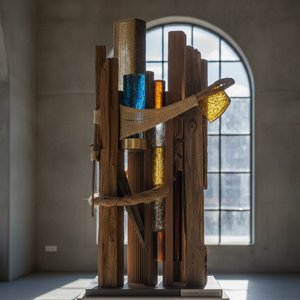
Top 25 Masterpieces by David Moreau: A Journey Through Texture and Light
Immerse yourself in the tactile world of David Moreau. Explore our curated selection of his top 25 textured masterpieces, from heavy impasto to sculptural abstraction. Find museum-quality art reproductions and decor inspiration. Discover all masterpieces on OriginalUniqueArt.com.


