

 Send
Send Share
Share
 Details
 Guide
Guide

 Download
 Similars
 Diaporama
 Stats
StatsErythrean Sibyl


 Read More
Giclée / Art Print
Museum-quality giclée or canvas print with fast production and flexible finish options. ( Buy Hand Made Painting Switch to Digital Image)




































Pick from our preset sizes that match the artwork's original proportions.

Type the width and the height you need, to fit your frame or your wall. A print can only be cut, never made bigger than the picture, so a size with a different shape loses a part of the image. We send you a digital mockup to approve before we print anything. The picture shown on this page does not show the real cut — only the mockup does.
Worldwide Delivery () in 2 weeks instead of standard 4/5 weeks. (24 October)

Free Worldwide Express Shipping

High-Quality Linen Canvas

Full Shipping Insurance

Customs Tax Refund Guarantee

True Color Matching Guarantee

100-Day Return Policy (Defects Only)

100% Money-Back Guarantee

Bulk Discount Offer
 Glass option is only available in size under 110 CM

Erythrean Sibyl
Giclée / Art Print
Reproduction Size
-


Total Price
$ 81
The Enigmatic Figure of the Erythrean Sibyl
Jean-Jacques Caffiéri’s “Erythrean Sibyl,” a marble sculpture crafted in 1759, isn't merely a depiction of a mythological figure; it’s an invitation to contemplate the very nature of prophecy and divine inspiration. The work embodies the height of Rococo artistry within the service of Louis XV’s court, showcasing a masterful blend of classical ideals and opulent ornamentation. The Sibyl, traditionally associated with delivering oracles from the gods, is presented here not as a frenzied prophetess, but as a figure of serene dignity – a woman holding forth an olive branch, a potent symbol of peace and reconciliation, alongside a caduceus, representing communication and diplomacy. This carefully constructed image suggests a Sibyl who offers wisdom born of contemplation rather than ecstatic visions.
The sculpture’s genesis lies within the rich artistic lineage of Caffiéri's family, tracing back to his father, Philippe Caffiéri, a renowned foundryman in Paris. This heritage instilled in Jean-Jacques an unparalleled understanding of materials and techniques – particularly bronze casting – which he expertly applied to marble carving. The sculpture’s smooth, polished surface reflects the meticulous attention to detail characteristic of Rococo artistry, while subtle variations in tone reveal the inherent texture of the stone itself, a testament to Caffiéri's skill in manipulating light and shadow.
A Symphony of Form and Line
Caffiéri’s composition is a study in balanced proportions and dynamic movement. The figure stands upright, her posture conveying both strength and grace. Strong vertical lines dominate the sculpture, established by the elegant drape of her garment and the confident stance of her body – mirroring the classical ideals of harmony and order. However, these rigid verticals are skillfully counterbalanced by the flowing curves of her drapery, creating a captivating interplay between stability and fluidity. The subtle undulation of the fabric draws the eye across the surface, inviting prolonged observation.
The sculptor’s mastery is evident in his ability to capture the essence of movement within a static form. The olive branch held aloft suggests an offering, a gesture of peace extended towards the viewer. The careful rendering of folds and creases in the drapery creates a sense of depth and volume, while the subtle details – the delicate curve of her hand, the expression of quiet contemplation on her face – imbue the figure with a remarkable degree of realism and humanity. The base itself, a simple yet elegant pedestal, provides a grounding element, anchoring the sculpture within its context.
Symbolism and Historical Context
The Erythrean Sibyl herself is a figure steeped in ancient Greek mythology – a prophetess from Erytheia (modern-day Lesbos) who delivered oracles to the Greeks. Her association with peace, symbolized by the olive branch, speaks to a desire for harmony and reconciliation—a theme particularly resonant during the turbulent period of Louis XV’s reign. The sculpture was created in 1759, a time of significant political and social change in France, reflecting the court's aspiration towards stability and elegance.
Furthermore, the Sibyl’s role as a conduit for divine knowledge connects her to broader themes of prophecy and revelation that were prevalent throughout antiquity. The sculpture can be interpreted as an allegory for the pursuit of wisdom and understanding—a reminder that true insight often comes not from frantic searching but from quiet contemplation and careful observation. The work's placement within the Louvre, a bastion of artistic excellence, underscores its significance as a masterpiece of French Rococo art.
A Timeless Legacy
“Erythrean Sibyl” remains a captivating testament to Jean-Jacques Caffiéri’s skill and vision. Its enduring appeal lies not only in its technical brilliance but also in its ability to evoke a sense of mystery, serenity, and timeless beauty. The sculpture's graceful form, rich textures, and profound symbolism continue to resonate with viewers today, offering a glimpse into the world of ancient prophecy and the enduring power of art to inspire contemplation.
Questions & Answers
What is the creation date of "Erythrean Sibyl" by Jean Jacques Caffiéri?
"Erythrean Sibyl" dates from 1759. The date places the work within Jean Jacques Caffiéri's career and its era.
Does "Erythrean Sibyl" show strong light-dark contrasts?
The contrast level of "Erythrean Sibyl" by Jean Jacques Caffiéri is statement.
What atmosphere does "Erythrean Sibyl" have?
"Erythrean Sibyl" has a calm atmosphere.
Artist Biography
Jean Jacques Caffiéri: A Rococo Sculptor at the Court of Louis XV
Jean Jacques Caffiéri (1678-1755) stands as a pivotal figure in French sculpture during the Rococo period, embodying the opulent aesthetic and masterful craftsmanship that defined the era. Born in Paris to Philippe Caffiéri, a prominent foundryman who established a lineage dedicated to metalworking artistry, Caffiéri’s artistic journey began within a family steeped in tradition—a heritage profoundly shaped by Italian influences. His early training under his father cemented his foundational skills as a fondeur-ciseleur (caster and finisher), granting him access to the prestigious Guilds of Paris that oversaw monumental sculptural projects alongside intricate decorative metalwork. This formative experience instilled in him an unparalleled understanding of technique and material manipulation, qualities that would characterize his entire oeuvre.- Early Life & Training: Caffiéri’s upbringing within a family renowned for its artistic prowess ensured he received comprehensive instruction in the art of bronze casting and finishing—skills honed under the watchful eye of Philippe Caffiéri himself.
- Guild Recognition & Initial Commissions: By 1715, Caffiéri achieved maître fondeur-ciseleur status, marking his debut as a sculptor with a commission for the Corporation des Fondeurs-Ciseleurs—a testament to his burgeoning reputation and the esteem held by Parisian artisans.
The Caffieri Family’s Legacy: Bronze Sculpture & Decorative Arts
The Caffiéri family's contribution to French sculpture is undeniable, largely attributed to Jacques Caffiéri’s son, Philippe Caffiéri (1714–1777). Together they formed a formidable artistic duo, particularly active in the service of Louis XV. Their workshop in Rue des Canettes produced an astonishing volume of work—primarily gilt-bronze furniture mounts and decorative objects—that adorned residences across Paris and elevated the standards of Rococo craftsmanship. Notably, Caffiéri’s designs for Versailles, Fontainebleau, Marly, Compiegne, and Choisy exemplify the grandeur and elegance synonymous with Louis XV's court. The Château de la Muette retains a remarkable testament to their collaborative spirit—the gilded bronze chimney-piece remains an exemplar of Rococo style, characterized by dynamic movement and graceful ornamentation executed with exceptional skill.- Versailles Projects: Caffiéri’s involvement in the decoration of Versailles solidified his reputation as a sculptor of distinction, contributing significantly to the palace's opulent aesthetic.
- Collaboration with Philippe Caffiéri: The partnership between Jacques and Philippe Caffiéri fostered innovation and elevated the quality of decorative arts during their time.
Royal Patronage & Artistic Achievements
Caffiéri’s dedication to royal service extended beyond architectural embellishments; he undertook numerous commissions for Louis XV, producing portraits and sculptures that captured the spirit of the era. His work gained considerable acclaim during his lifetime, securing him a place among France's most celebrated sculptors. The Wallace Collection houses Caffiéri’s masterpiece—the Royal Commode delivered by Antoine-Robert Gaudreau in 1739 for Louis XV’s bedchamber at Versailles—a stunning example of Rococo design and craftsmanship. Its intricate gilt bronze decorations continue to inspire admiration for their beauty and technical virtuosity.- Wallace Collection Commission: Caffiéri's Royal Commode exemplifies the pinnacle of Rococo artistry, showcasing exceptional skill in metalworking and decorative arts.
- Notable Portraits: Caffiéri’s portraits demonstrate his ability to convey psychological depth and elegance—characteristics that define his artistic legacy.
Influence & Historical Significance
Jean Jacques Caffiéri's influence on subsequent generations of sculptors is considerable, establishing him as a cornerstone of Rococo art history. His meticulous attention to detail, combined with his mastery of bronze casting techniques—inherited from his father—established a tradition that endured for decades after his death in 1755. Caffiéri’s work serves as an enduring symbol of French artistic excellence during the Enlightenment, reflecting the period's fascination with naturalism and refined ornamentation. His legacy continues to inspire artists today, cementing his place among France’s most revered sculptors.
Jean Jacques Caffiéri
1678 - 1755 , France
Quick Facts
- Full Name: Jean Jacques Caffiéri
- Nationality: French
- Date Of Birth: 1678
- Date Of Death: 1755
- Place Of Birth: Paris, France
- Notable Artworks:
- Royal Commode
- Chimneypiece Decoration
- Portrait of Claude Adrien Helvétius
- Bust of Jean de Rotrou
- Artistic Movement Or Style: Rococo
- Artists Who Influenced This Artist: ['Philippe Caffieri']
- Artists Or Movements Influenced By This Artist: ['Rococo']
Related Articles

The Enduring Form: Exploring Themes & Techniques in Sculpture Across Historical Periods
Explore the rich history of sculpture from ancient masterpieces to contemporary innovations. Discover key techniques, influential artists & investment potential for discerning art collectors.
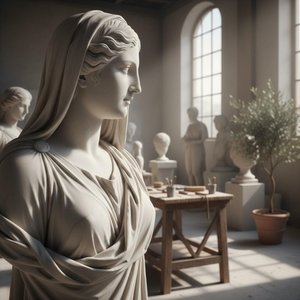
Timeless Elegance: A Complete Guide to the Sublime Beauty and Artistry of Marble Sculpture
Discover the sublime beauty of marble art through an expert exploration of Renaissance and Neoclassical masterpieces. From the delicate textures of Carpeaux to the grandeur of Sansovino, immerse yourself in a guide to timeless elegance and sculptural perfection.

Bronze Sculptures That Defined Art History | OriginalUniqueArt
Journey through art history with our Top 10 bronze sculptures! Explore masterpieces by Rodin, Michelangelo & more. Discover stories behind iconic statues and find museum-quality reproductions for your home decor at OriginalUniqueArt.com.
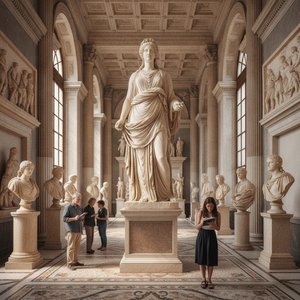
Timeless Grandeur: Exploring the Eternal Beauty and Art-Historical Legacy of Marble Sculpture
Explore the profound legacy of marble sculpture, from Classical antiquity to Neoclassical mastery. A definitive guide for elite collectors and designers seeking to integrate the luminous, eternal beauty of stone into sophisticated, high-end architectural spaces.

The Enduring Allure of Marble in Art History: From Classical Sculpture to Modern Abstraction
Explore the captivating history of marble sculpture from ancient Greece to modern art. Discover renowned artists like Canova & Michelangelo, carving techniques, and investment insights at OriginalUniqueArt.


