Switch to Print
 Read More







































 For artworks or reproductions larger than 105 cm (approximately 41 inches) on any side, the frame will be shipped as a kit, disassembled. This method ensures safe delivery and prevents damage during transport.


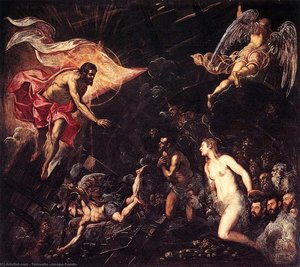
A Dramatic Testament of Faith and Suffering: St Sebastian by Jacopo Tintoretto
Jacopo Tintoretto’s “St Sebastian,” completed in 1579-81, stands as a cornerstone of Venetian Mannerism—a movement that prioritized psychological intensity and expressive distortion over strict realism. More than just a depiction of martyrdom, it's an immersive experience for the viewer, orchestrated by Tintoretto’s masterful command of light and shadow, reflecting his profound understanding of human anatomy and emotional depth.
- Subject Matter: The painting portrays Saint Sebastian, a Roman soldier martyred for refusing to worship pagan idols. His unwavering faith is conveyed through the posture of agony—a contorted torso, outstretched arms reaching upwards—symbolizing his plea for divine mercy amidst excruciating pain.
- Style & Technique: Tintoretto’s signature Mannerist style abandons Renaissance ideals of harmonious proportion and idealized beauty. Instead, he employs dramatic chiaroscuro – intense contrasts between light and dark – to sculpt the figure's musculature and drapery with breathtaking realism. Visible brushstrokes contribute to a palpable sense of movement and texture, emphasizing the physicality of suffering.
- Historical Context: Created during Venice’s Golden Age, “St Sebastian” reflects the anxieties of the time—a period marked by religious fervor and artistic experimentation. Tintoretto's work aligns with the broader trend toward emotionally charged imagery intended to evoke contemplation and spiritual reverence.
Symbolism: Arrows and Divine Grace
The central motif – arrows piercing Saint Sebastian’s flesh – transcends mere physical torment; they represent divine retribution for heresy and symbolize the sacrifice required for salvation. Tintoretto skillfully renders each arrow with meticulous detail, highlighting its impact on the saint's body and underscoring the severity of his ordeal. Simultaneously, the halo encircling Sebastian’s head signifies holiness—a testament to his unwavering devotion despite suffering.
Composition & Lighting: Orchestrating Emotion
Tintoretto’s compositional choices amplify the painting’s emotional impact. The vertical orientation emphasizes the saint's figure within a rectangular frame adorned with columns and pilasters, reminiscent of ecclesiastical niches—a deliberate allusion to sacred space and pilgrimage. Dramatic lighting casts long shadows across Sebastian’s body, creating an atmosphere of palpable sorrow and intensifying the viewer’s engagement with the scene. This masterful manipulation of light contributes significantly to conveying the saint's inner turmoil.
Color Palette & Texture: Earthy Resonance
The painting utilizes a restrained color palette dominated by earthy tones—ochre, browns, and greens—creating a sense of solemn dignity. Highlights of gold and cream adorn the halo and drapery folds, adding visual splendor while maintaining tonal harmony. Tintoretto’s meticulous layering of paint creates rich surface textures that invite tactile contemplation, mirroring the profound emotional depth conveyed through the artwork.
Legacy & Impact
"St Sebastian" remains a profoundly moving masterpiece—a testament to Tintoretto's artistic genius and his ability to capture the essence of human experience. Its enduring influence can be seen in subsequent Baroque art, where artists sought to emulate Tintoretto’s dramatic style and expressive technique. Today, reproductions of this iconic painting continue to inspire awe and contemplation, offering a glimpse into the spiritual fervor of Renaissance Venice.
Questions & Answers
What feeling do the colors of "St Sebastian" by Jacopo Tintoretto create?
"St Sebastian" by Jacopo Tintoretto combines an earthy palette with a somber tone.
In which year and which movement was "St Sebastian" made?
"St Sebastian" was made in 1579, within the Venetian Renaissance movement.
When and with what materials was "St Sebastian" made?
The medium of "St Sebastian" by Jacopo Tintoretto is oil on canvas, and the work is dated 1579.
More about this painting
 Preview
 Send
Send Share
Share
 Details
 Guide
Guide

 Download
 Similars
 X-Ray
X-Ray Diaporama
 Q&A
Q&A Stats
Stats