- Home

- Oil Painting Reproduction
- ikkyū sōjun
- Calligraphy (Bokuseki)

 Buy print
 Send
Send Share
Share
 Details

 Download
 Similars
 X-Ray
X-Ray Diaporama
Calligraphy (Bokuseki)


 Read More
Hand Made Oil Reproduction
Hand-painted oil on canvas in your size and frame, made to order by our artists.




P118B $10

P118H $10

P118W $10

P438Z $10

P508JH $12

P508YH $12

P805H $10

P805Z $10

P919BZ $10

P919G $10

P919XJ $10

P959ZH $10

P968JZ $12

W106C $8

W218G $10

W218JH $8

W218Y $10

W307PJ $10

W316G $10

W316PJ $8

W316Y $10

W398PJ $8

W4111J $10

W500HY $15

W500JH $15

W692G $12

W849H $8

W940BG $15

W953PJ $8




Pick from our preset sizes that match the artwork's original proportions.

You may enter your own dimensions to fit a specific frame or space. If your selected size does not match the original image's proportions, we will either crop the artwork or extend the painting with additional hand-painted elements. A digital mockup will be sent for your approval before production begins.
Please note that the on-screen preview does not reflect the actual cropping or extension. Only the mockup will accurately show the final composition.
While custom sizes are available, we recommend selecting a dimension from the predefined list to preserve the original proportions.
After order, OriginalUniqueArt.com team will email client for instructions and provide a mockup preview
Worldwide Delivery () in 3/4 weeks instead of standard 5 weeks. (16 July). No compromise on quality.

Free Worldwide Express Shipping

High-Quality Linen Canvas

Full Shipping Insurance

Customs Tax Refund Guarantee

True Color Matching Guarantee

60-Day Return Policy (Defects Only)

100% Money-Back Guarantee

Bulk Discount Offer
 Glass option is only available in size under 110 CM

Calligraphy (Bokuseki)
Reproduction Medium
Reproduction Size
-


Total Price
-
Artwork Description
The Soul in Ink: The Raw Power of Ikkyū Sōjun’s Calligraphy
In the quiet, contemplative spaces of a curated collection, few pieces command attention with such visceral intensity as the Calligraphy (Bokuseki) by the legendary Zen master Ikkyū Sōjun. This work is not merely an arrangement of characters on paper; it is a direct transmission of spirit, a moment of profound enlightenment captured in the rhythmic dance of black ink. To behold this piece is to witness the "traces of ink" that define the Bokuseki tradition, where the brushstroke serves as a mirror to the artist's internal state. The composition, characterized by its striking contrast and spontaneous energy, invites the viewer into a meditative dialogue with the Muromachi period, offering a window into a time when art and spiritual practice were inextricably linked.
The technique employed here is a masterclass in controlled spontaneity. Each character emerges from the aged, textured paper with a weight that suggests both permanence and fleetingness. The ink varies in density, from deep, saturated blacks that anchor the composition to lighter, more translucent washes that suggest movement and breath. This interplay of light and shadow within the strokes creates a three-dimensional quality, making the calligraphy feel alive, as if the energy of the monk’s hand is still vibrating upon the surface. For the discerning collector or interior designer, this piece offers a sophisticated focal point, bringing an organic, historical gravity to modern minimalist settings or classical East Asian-inspired interiors.
A Legacy of Rebellion and Zen Truth
To understand the emotional depth of this calligraphy, one must understand the man behind the brush. Ikkyū Sōjun was no ordinary monk; he was a radical iconoclast who famously challenged the rigid, often hypocritical, monastic structures of his era. His life was a whirlwind of poetry, eccentricity, and profound spiritual inquiry. This rebellious spirit is etched into every line of his calligraphy. Unlike the more formal, disciplined styles of courtly calligraphy, Ikkyū’s work embraces a certain ruggedness and unvarnished truth. It reflects the Zen ideal of mushin, or "no-mind," where the ego vanishes, leaving only the pure, unfiltered expression of the present moment.
The historical significance of this piece is further elevated by its provenance and cultural weight. Held within prestigious institutions like the Tokugawa Art Museum, such works are recognized as vital artifacts of Japanese heritage. For those seeking to incorporate art into their homes that transcends mere decoration, this reproduction offers more than aesthetic beauty; it provides a connection to a lineage of profound philosophical thought. It is an invitation to embrace imperfection, to find beauty in the weathered and the worn, and to cultivate a space of deep, resonant peace.
Artist Biography
Ikkyū Sōjun: A Rebel Monk Who Shaped Zen Art and Literature
Ikkyū Sōjun (一休宗純, ikkyū sōjun, february 1, 1394 – december 12, 1481) was an eccentric, iconoclastic Japanese zen buddhist monk and poet. He had a profound impact on the infusion of japanese art and literature with zen attitudes and ideals, as well as on zen itself—specifically challenging monastic teachings with his stance against celibacy. While often portrayed as a mischievous boy-hero in popular culture, particularly through the animated TV series *Ikkyū-san*, Ikkyū’s true legacy resides in his radical rethinking of Buddhist practice and his indelible mark on artistic expression during the Muromachi Period. ### Childhood and Early Influences Ikkyū was born into a turbulent era—the unification of the Northern and Southern imperial courts under Ashikaga Yoshimitsu—and his lineage was fraught with conflict. He was the illegitimate son of Emperor Go-Komatsu and a low-ranking court noblewoman, whose exile following pregnancy created challenging circumstances for their upbringing. Raised in impoverished conditions in Saga, Ikkyū received an education rooted in Chinese culture and language through the tutelage of Zen masters—a method termed *Gozan Zen*. This formative experience instilled within him a deep appreciation for philosophical contemplation and artistic refinement, shaping his worldview and informing his later creative endeavors. The temple masters taught him about calligraphy and poetry, fostering skills that would become central to his artistic output. ### Enlightenment and Artistic Practice At the age of thirteen Ikkyū entered Kennin-ji in Kyoto under Ken’ō Sōi—a Zen master known for his uncompromising devotion to monastic discipline. However, Ikkyū swiftly rejected conventional Zen practices, famously declaring that he would rather burn down the temple than observe celibacy. This rebellious stance reflected a broader critique of institutional dogma and fueled his conviction that true enlightenment demanded a rejection of societal constraints. Despite Ken’ō's influence, Ikkyū continued to express his dissent through poetry—often employing unconventional forms and imagery—demonstrating an unwavering commitment to artistic innovation. He was awarded the *inka* (certificate of enlightenment) by Kasō Sōdon at Daitoku-ji—a pivotal moment affirming his spiritual breakthrough—though he remained skeptical of its significance. ### Wandering Monkhood and Literary Legacy Following Kasō’s death, Ikkyū embarked on a solitary pilgrimage throughout Japan, traveling extensively between Kyōto, Osaka and Sakai. He embraced a deliberately austere lifestyle, eschewing material possessions and engaging with all strata of society without prejudice—a practice that underscored his belief in the primacy of spiritual experience over worldly concerns. His prolific poetic output—characterized by playful wit, subversive humor, and profound philosophical insight—became a cornerstone of Muromachi literature. Ikkyū’s poems tackled themes of mortality, impermanence, and the illusory nature of reality—reflecting core tenets of Zen philosophy while simultaneously challenging accepted conventions. He is remembered for his bold brushstrokes and serene landscapes, which embody the spirit of zen itself. His influence extended beyond poetry; he championed the use of Chinese calligraphy techniques in Japanese art, elevating its aesthetic standards and establishing a distinctive visual idiom. ### Historical Significance Ikkyū Sōjun’s enduring fame stems not only from his artistic achievements but also from his audacious rejection of monastic norms—a gesture that resonated deeply with contemporaries and continues to inspire artists and thinkers today. He stands as an emblem of intellectual independence and spiritual rebellion, embodying the Zen ideal of questioning established dogma and pursuing truth beyond conventional boundaries. His legacy persists in popular culture—most notably through *Ikkyū-san*, which cemented his image as a charming iconoclast—but more importantly, it resides in his profound contribution to Japanese art and literature—works that grapple with fundamental questions about existence and offer glimpses into the transformative power of Zen contemplation. He remains one of the most celebrated figures in Japanese Buddhism, recognized for his unwavering conviction in challenging societal expectations and prioritizing spiritual enlightenment above all else.
ikkyū sōjun
1394 - 1481 , Japan
Quick Facts
- Artistic Movement Or Style: Zen Buddhism
- Artists Or Movements Influenced By This Artist: ['Rinzai Zen']
- Artists Who Influenced This Artist:
- Botetsu
- Ken’ō Sōi
- Kasō Sōdon
- Date Of Birth: February 1, 1394
- Date Of Death: December 12, 1481
- Full Name: Ikkyū Sōjun
- Nationality: Japanese
- Notable Artworks:
- Portrait of Daruma
- Title(Japanese): 木彫根付 蛸壺
- Place Of Birth: Kyoto, Japan
Related Articles

Dark Masterpieces: 10 Iconic Paintings Dominated by Black Tones |
Explore 10 iconic paintings dominated by black tones, from Rembrandt’s chiaroscuro to Goya's dark expressions. Discover the stories behind these masterpieces & find museum-quality art reproductions for your home at .

Hokusai's Masterpieces: 25 Iconic Prints & Paintings for Art Lovers | OriginalUniqueArt
Journey through Katsushika Hokusai’s 25 most iconic artworks, including *The Great Wave*. Explore the ukiyo-e master's history, style & timeless Japanese woodblock prints. Find museum-quality reproductions for your home at OriginalUniqueArt.com.

Mark Rothko's Masterpieces: 25 Paintings That Define Abstract Expressionism | OriginalUniqueArt
Explore 25 iconic Mark Rothko paintings that define Abstract Expressionism. Discover the stories, colors & emotions behind these masterpieces. Find museum-quality art reproductions and curated decor ideas at OriginalUniqueArt.com.
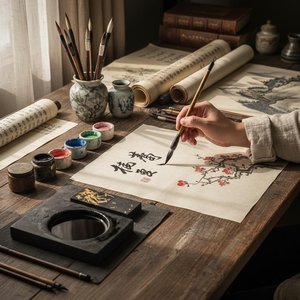
The Alchemy of Ink: Mastering the Timeless Beauty and Art History of Paper and Brush
Embark on a sophisticated exploration of ink wash painting and Sumi-e. Uncover the profound historical lineages, Zen philosophies, and technical mastery behind this timeless medium in our authoritative guide for fine art enthusiasts.
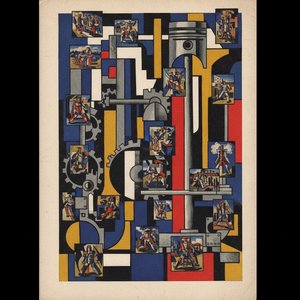
Fernand Léger's Masterpieces: 25 Iconic Paintings & The Machine Age Aesthetic | OriginalUniqueArt
Explore 25 iconic Fernand Léger paintings that defined the Machine Age & Cubism. Discover the stories behind his bold colors, geometric forms & avant-garde style. Find museum-quality art reproductions on OriginalUniqueArt.com.



