Preview
 Send
Send Share
Share
 Details
 Guide
Guide

 Download
 Similars
 X-Ray
X-Ray Diaporama
 Stats
StatsLe Pavillon
 Oil On Canvas
- WallArt
- Impressionism
 1909
1909- 19th Century
 81.0 x 100.0 cm
 Read More
Giclée / Art Print
Museum-quality giclée or canvas print with fast production and flexible finish options. ( Buy Hand Made Painting Switch to Digital Image)




P118B $10

P118H $10

P118W $10

P438Z $10

P508JH $12

P508YH $12

P805H $10

P805Z $10

P919BZ $10

P919G $10

P919XJ $10

P959ZH $10

P968JZ $12

W106C $8

W218G $10

W218JH $8

W218Y $10

W307PJ $10

W316G $10

W316PJ $8

W316Y $10

W398PJ $8

W4111J $10

W500HY $15

W500JH $15

W692G $12

W849H $8

W940BG $15

W953PJ $8




Pick from our preset sizes that match the artwork's original proportions.

Type the width and the height you need, to fit your frame or your wall. A print can only be cut, never made bigger than the picture, so a size with a different shape loses a part of the image. We send you a digital mockup to approve before we print anything. The picture shown on this page does not show the real cut — only the mockup does.
Worldwide Delivery () in 2 weeks instead of standard 4/5 weeks. (27 October)

Free Worldwide Express Shipping

High-Quality Linen Canvas

Full Shipping Insurance

Customs Tax Refund Guarantee

True Color Matching Guarantee

100-Day Return Policy (Defects Only)

100% Money-Back Guarantee

Bulk Discount Offer
 Glass option is only available in size under 110 CM

Le Pavillon
Giclée / Art Print
Reproduction Size
-


Total Price
$ 81
Le Pavillon: A Glimpse of Tranquility by Henri Le Sidaner
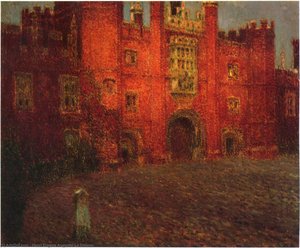
Henri Le Sidaner's "Le Pavillon," painted in 1909, is an exquisite example of Intimist painting, capturing a serene garden scene with remarkable atmospheric depth. Measuring 81 x 100 cm, this oil on canvas artwork transports viewers to a world of quiet beauty and gentle contemplation. The piece exemplifies Le Sidaner's signature style – characterized by soft light, muted colors, and an almost dreamlike quality—and offers a window into the artist’s personal haven in Gerberoy.
Subject & Composition: A Garden Sanctuary
"Le Pavillon" depicts a picturesque garden setting centered around a circular fountain adorned with roses. The fountain's presence serves as a focal point, drawing the eye and establishing a sense of harmony within the composition. Lush greenery surrounds the fountain, creating a vibrant backdrop that contrasts beautifully with the soft pink hues of the flowers. A charming cottage nestled in the background adds depth and context to the scene, suggesting a secluded retreat from the bustle of everyday life. The perspective is subtly flattened, enhancing the painting's atmospheric quality and contributing to its overall sense of tranquility. The foreground features a circular bed covered with white flowers and green moss, leading the eye towards the central fountain. Behind the fountain, a small cottage with a thatched roof provides a focal point. The background consists of dense foliage and rolling hills, further blurring the lines between objects and creating a sense of atmospheric perspective.
Style & Technique: Impressionistic Nuances
Le Sidaner’s style is deeply rooted in Impressionism but transcends it with his unique Intimist approach. He masterfully employs loose brushstrokes and subtle color variations to capture the fleeting effects of light and atmosphere. Unlike some Impressionists who focused on capturing a moment's vibrancy, Le Sidaner sought to evoke a sense of quiet introspection and peaceful solitude. The painting’s palette leans towards muted greens, pinks, and browns, creating a harmonious and calming visual experience. The technique involves layering paint in short, broken strokes to build up color and form. This creates a hazy effect that enhances the dreamlike quality of the scene. Le Sidaner's use of light is particularly noteworthy; he skillfully depicts diffused sunlight filtering through the foliage, casting soft shadows and highlighting the delicate details of the flowers and fountain.
Historical Context & Symbolism: Gerberoy’s Embrace
“Le Pavillon” was created during a period when Impressionism had evolved into various artistic movements. Le Sidaner, however, remained true to his Intimist sensibilities, focusing on intimate scenes of domesticity and nature. The painting is intrinsically linked to the artist's life in Gerberoy, a village he adopted as his home in the early 20th century. He restored a medieval fortress there and cultivated enchanting gardens, which became recurring subjects in his mature works. The garden itself symbolizes tranquility, refuge, and the beauty of simple pleasures. The fountain can be interpreted as a source of life and renewal, while the cottage represents comfort and security. Symbolically, the scene evokes themes of nostalgia, peaceful solitude, and the enduring power of nature to soothe the soul.
Emotional Impact & Legacy: A Timeless Retreat
"Le Pavillon" resonates with viewers through its ability to evoke a sense of calm and serenity. The painting’s gentle colors, soft light, and harmonious composition create an atmosphere of peaceful contemplation. It offers a visual escape from the stresses of modern life, inviting viewers to immerse themselves in a world of quiet beauty. Le Sidaner's work continues to be admired for its dreamlike allure and its striking blend of impressionistic technique with contemplative themes. For those interested in purchasing handmade oil painting reproductions of this stunning garden scene, OriginalUniqueArt.com offers a wide range of options.
Questions & Answers
Is a high-resolution download of "Le Pavillon" available?
A digital image of "Le Pavillon" by Henri Le Sidaner can be purchased on its Digital Image page: a high-resolution digital image download.
How well known is "Le Pavillon" by Henri Le Sidaner?
"Le Pavillon" is classified as recognized.
What feeling does "Le Pavillon" by Henri Le Sidaner convey?
In "Le Pavillon", a serene mood accompanies a tranquil emotion.
Artist Biography
Early Life and Background
- Name: Henri Eugène Augustin Le Sidaner
- Other Names: Henri Eugene Augustin le Sidaner
- Born: August 7, 1862, Port Louis, Mauritius
- Died: July 14, 1939
- Le Sidaner was born in Port Louis, Mauritius, to Jean Marie Le Sidaner and Amélie Henrietta Robberechts. His father worked as a ship inspector for Lloyd's. The family returned to France in 1872, settling in Dunkerque.
- He displayed an early interest in painting and received support from his parents. He attended the Collège et Lycée Notre Dame des Dunes in Dunkerque.
- A scholarship from the city of Dunkerque enabled him to move to Paris and study at the prestigious École nationale supérieure des beaux-arts.
Artistic Training and Influences
- At the École des Beaux-Arts, Le Sidaner studied under Alexandre Cabanel, a prominent figure in Belle Époque French painting. However, he later resigned due to artistic differences.
- Early influences included Édouard Manet and Claude Monet, as well as the Pointillists. He was drawn to their innovative use of color and light.
- He joined the Colonie artistique d'Étaples, a group of artists working together in Étaples, further developing his skills and artistic vision.
Artistic Style and Development
- Le Sidaner’s style is characterized by subdued colors, nuanced greys, and opals applied with uneven, dappled brushstrokes. This technique creates a unique atmosphere and sense of mysticism in his paintings.
- He was particularly skilled at nocturne painting, capturing the subtle nuances of light and shadow during twilight hours.
- His work evolved over time, moving from early influences to a more personal style that blended Impressionistic techniques with Symbolist elements.
- After settling at Gerberoy in the Picardy countryside for over thirty years, he became renowned for his seductive views of the gardens he created within the ruins of a medieval fortress. These paintings often featured dappled sunlight and roses, solidifying his reputation as a unique artist.
Major Works and Recognition
- Notable works include "Still Life and a Window, Gisors," available on OriginalUniqueArt.com.
- His paintings are exhibited at the Musée des Beaux-Arts Tournai in Belgium, showcasing an impressive collection of French Post-Impressionism.
- Le Sidaner's work was widely collected throughout his career, demonstrating its popularity and artistic merit.
- He received a bronze medal at the Universal Exposition in Paris in 1891.
- In 1905, he exhibited a series of Venice paintings to great acclaim in London and Paris.
- He was created a Chevalier of the Legion of Honour in 1913.
Historical Significance
- Le Sidaner is often considered "the last of the Impressionists," bridging the gap between Impressionism and Post-Impressionism.
- His unique style, combining elements of various movements while maintaining a distinct personal touch, sets him apart from his contemporaries.
- He captured the essence of domestic interiors and quiet street scenes with remarkable sensitivity and skill, offering viewers glimpses into intimate moments and tranquil landscapes.
- His legacy continues to inspire artists and art enthusiasts alike, as evidenced by the ongoing exhibitions and availability of his works on platforms like OriginalUniqueArt.com.
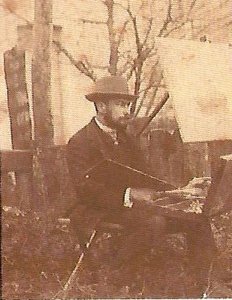
Henri Le Sidaner
1862 - 1939 , Mauritius
Quick Facts
- Full Name: Henri Eugène Augustin Le Sidaner
- Nationality: French
- Date Of Birth: 1862
- Date Of Death: 1939
- Place Of Birth: Port Louis, Mauritius
- Notable Artworks:
- Still life and a window, Gisors
- A Beauvais Square by Moonlight
- Artistic Movement Or Style: Intimist, Impressionism
- Artists Who Influenced This Artist:
- Édouard Manet
- Monet
- Pointillists
Related Articles

Cézanne's Masterpieces: 25 Iconic Artworks to Transform Your Space
Journey through 25 iconic artworks by Paul Cézanne – a master of Impressionism and Post-Impressionism. Explore his landscapes, still lifes, and the stories behind these timeless masterpieces. Discover museum-quality reproductions & curated decor at OriginalUniqueArt.com.

Evocations of Place: A Historical Journey Through Landscape Art
Explore the rich history of landscape art with OriginalUniqueArt. Discover renowned artists, movements like Impressionism & Romanticism, and expert guidance for collecting timeless pieces. Find your perfect serene escape today!

John Constable's Masterpieces: Explore 25 Iconic Landscapes for Your Home
Journey through John Constable's 25 most celebrated landscapes. Explore Romanticism, Dedham Vale & his masterful use of light in iconic paintings like 'Hay Wain'. Find museum-quality art reproductions and elevate your home decor on OriginalUniqueArt.com.
Cultivating Paradise: A Historical & Artistic Exploration of Gardens in Painting
Explore the rich history of gardens in painting! Discover masterpieces from Renaissance to Impressionism & beyond. Learn about symbolism, artists like Monet & Klimt, and find your perfect artwork at OriginalUniqueArt.
Henri Le Sidaner: Evoking Atmosphere & Intimacy in Post-Impressionist Landscapes
Discover the evocative world of Henri Le Sidaner, a master of Intimist painting. Explore his tranquil landscapes & atmospheric interiors – a celebration of light and intimacy. Learn about his life, style, and lasting legacy.