Menu

() ·

A painting made for you, by hand

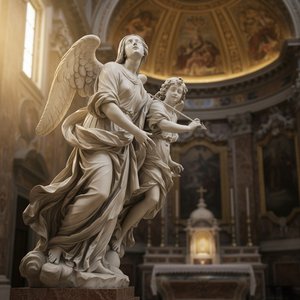
Statue der Venus

Hand Made Oil Reproduction

Hand-painted oil on canvas in your size and frame, made to order by our artists. ( Switch to Print Switch to Digital Image)

Collectible Description

Admire Guillaume Coustou's stunning 'Statue der Venus,' a captivating depiction of the Roman goddess of love, showcasing exquisite detail and artistic mastery from 1769.

Artist Biography

Guillaume Coustou the Elder (1677-1746): Master French Baroque & Rococo sculptor renowned for dynamic works like the iconic 'Horse Tamers' of Marly. Explore his regal statues!

from ·

Chapter 1

How large should it be?

Slide to change the size; the picture on the left shows the frame at its real width. The proportions of the original are kept.

Standard
custom
CM
INCH

Pick from our preset sizes that match the artwork's original proportions.

width
height

Type the width and the height you need, to fit your frame or your wall. This is hand-painted, so for a size with a different shape the artist can paint a bit more around the picture, or cut a bit — you choose. We send you a digital mockup to approve before the painting starts. The picture shown on this page does not show the real result — only the mockup does.

Chapter 2

How should it arrive?

Choose the edges of the stretched canvas

Choose your frame

Corner sample of the WhiteWrap canvas edge finish, stretched on solid wood bars
White $1
Corner sample of the BlurSideWrap canvas edge finish, stretched on solid wood bars
Blurside $1
Corner sample of the ExtendedWrap canvas edge finish, stretched on solid wood bars
Extended $1
Corner sample of the P118B picture frame: moulded polystyrene, 5 cm wide and 3 cm thick
P118B $10
Corner sample of the P118H picture frame: moulded polystyrene, 5 cm wide and 3 cm thick
P118H $10
Corner sample of the P118W picture frame: moulded polystyrene, 5 cm wide and 3 cm thick
P118W $10
Corner sample of the P438Z picture frame: moulded polystyrene, 5.5 cm wide and 3.5 cm thick
P438Z $10
Corner sample of the P508JH picture frame: moulded polystyrene, 7 cm wide and 3.5 cm thick
P508JH $12
Corner sample of the P508YH picture frame: moulded polystyrene, 7 cm wide and 3.5 cm thick
P508YH $12
Corner sample of the P805H picture frame: moulded polystyrene, 5 cm wide and 3.5 cm thick
P805H $10
Corner sample of the P805Z picture frame: moulded polystyrene, 5 cm wide and 3.5 cm thick
P805Z $10
Corner sample of the P919BZ picture frame: moulded polystyrene, 7 cm wide and 3.5 cm thick
P919BZ $10
Corner sample of the P919G picture frame: moulded polystyrene, 7 cm wide and 3.5 cm thick
P919G $10
Corner sample of the P919XJ picture frame: moulded polystyrene, 7 cm wide and 3.5 cm thick
P919XJ $10
Corner sample of the P959ZH picture frame: moulded polystyrene, 5 cm wide and 3 cm thick
P959ZH $10
Corner sample of the P968JZ picture frame: moulded polystyrene, 6 cm wide and 4 cm thick
P968JZ $12
Corner sample of the W106C picture frame: solid wood, 5 cm wide and 3 cm thick
W106C $8
Corner sample of the W218G picture frame: solid wood, 5 cm wide and 3 cm thick
W218G $10
Corner sample of the W218JH picture frame: solid wood, 5 cm wide and 3 cm thick
W218JH $8
Corner sample of the W218Y picture frame: solid wood, 5 cm wide and 3 cm thick
W218Y $10
Corner sample of the W307PJ picture frame: solid wood, 6 cm wide and 3 cm thick
W307PJ $10
Corner sample of the W316G picture frame: solid wood, 6 cm wide and 3 cm thick
W316G $10
Corner sample of the W316PJ picture frame: solid wood, 6 cm wide and 3 cm thick
W316PJ $8
Corner sample of the W316Y picture frame: solid wood, 6 cm wide and 3 cm thick
W316Y $10
Corner sample of the W398PJ picture frame: solid wood, 5 cm wide and 3 cm thick
W398PJ $8
Corner sample of the W4111J picture frame: solid wood, 6.5 cm wide and 3.5 cm thick
W4111J $10
Corner sample of the W500HY picture frame: solid wood, 7 cm wide and 5 cm thick
W500HY $15
Corner sample of the W500JH picture frame: solid wood, 7 cm wide and 5 cm thick
W500JH $15
Corner sample of the W692G picture frame: solid wood, 8 cm wide and 4 cm thick
W692G $12
Corner sample of the W849H picture frame: solid wood, 5 cm wide and 3 cm thick
W849H $8
Corner sample of the W940BG picture frame: solid wood, 7.5 cm wide and 4.5 cm thick
W940BG $15
Corner sample of the W953PJ picture frame: solid wood, 6 cm wide and 3.5 cm thick
W953PJ $8
Corner sample of the H24-GOLD picture frame: carved wood with gesso, 10 cm wide and 6 cm thick
H24-GOLD $30
Corner sample of the H24-SILVER picture frame: carved wood with gesso, 10 cm wide and 6 cm thick
H24-SILVER $30
Corner sample of the H36-GOLD picture frame: carved wood with gesso, 15 cm wide and 6.5 cm thick
H36-GOLD $45
Corner sample of the H36-SILVER picture frame: carved wood with gesso, 15 cm wide and 6.5 cm thick
H36-SILVER $45
Frame preview
Framed

Moulding: . Overall size with the frame: .

Chapter 3

Who paints it, and should anything change?

Examples of what can be changed: Replace face with customer photo; Add pet (e.g., replace cat with dog); Include hidden message in background; Change background landscape or elements.
After order, OriginalUniqueArt.com team will email client for instructions and provide a mockup preview

Worldwide Delivery () in 3/4 weeks instead of standard 5 weeks. (30 October). No compromise on quality.

Chapter 4

The finishing touches

A nameplate, as in a museum?

Engraved Bronze Plaque Details

This elegant plaque features the artist's name and the title of the artwork, finely engraved for a timeless presentation.

It is made from bronze with a refined, elegant finish. The text is precisely laser-engraved for a sharp and permanent result. Measuring 9x2 cm, the plaque is compact yet easy to read. It's built to be durable and scratch-resistant, offering a professional, museum-quality look. Mounting is simple thanks to the included adhesive backing.

Transparent Acrylic Plaque Details

The plaque includes essential engraved details such as the artist's name, the title of the artwork, the date it was created, the type of media used-like oil on canvas or watercolor-a brief description of the piece, and a QR code that links to the complete artwork information.

It is crafted from clear acrylic, offering a sleek, modern appearance. The text is UV-engraved in black to ensure strong visual contrast. With a size of 10x15 cm, it ensures optimal readability. It comes equipped with two metal hooks for secure wall mounting. The plaque is designed to be weather-resistant, making it suitable for various environments, and it includes interactive features that work seamlessly with smartphone scanning.

Black Acrylic Plaque Details

This elegant plaque includes engraved information such as the artist's name, the title of the artwork, the date it was created, the type of media used (like oil on canvas or watercolor), a short description of the artwork, and a QR code for quick access to more information.

The plaque itself is made from refined black acrylic with a premium finish. The text is laser-engraved in white for high contrast and readability. Its size is 10x15 cm, designed to be easy to read. It comes with two metal hooks for professional mounting. The design is sleek and fits any interior style. It is also weather-resistant and durable, with built-in digital integration for mobile compatibility.

A protective varnish?

When do you need it?

Chapter 5

Your painting, as you ordered it

Statue der Venus

Reproduction Medium

Reproduction Size

-

Elite Senior Artist

More detail, finesse, and extra production time

-

Reproduction Frame

-

-

For artworks or reproductions larger than 105 cm (approximately 41 inches) on any side, the frame will be shipped as a kit, disassembled. This method ensures safe delivery and prevents damage during transport.

Professional assembly required - this is not a DIY product.
The kit must be assembled and the canvas stretched by an experienced professional framer, using wood glue (not supplied), a canvas stretching plier and clamps to hold the bars square while the glue dries. Incorrect assembly or uneven canvas tension can permanently damage the artwork and is not covered by our warranty.

  • All solid wood bars are included, precisely cut to size.

  • Assembled with the screws provided, plus wood glue for the corner joints, which is not supplied and must be sourced by your framer.

  • Professional tools are required and not included: a canvas stretching plier (tensioner) and clamps to hold the bars square while the glue dries.

Important:
The corner joints require wood glue, the bars must be held with clamps until the glue is fully dry, and tightening the canvas on the assembled frame requires a canvas stretching plier. None of these are included in the kit. Please arrange an experienced professional framer before ordering this size.

Nameplate

-

-

Protective Varnish

Glossy Varnish (enhances colors, protects against light/moisture)

-

Customize My Artwork

Examples of what can be changed: Replace face with customer photo; Add pet (e.g., replace cat with dog); Include hidden message in background; Change background landscape or elements.

-

Urgent

Worldwide Delivery () in 3/4 weeks instead of standard 5 weeks. (30 October). No compromise on quality.

-

Express Shipping

Worldwide Delivery () in 5 weeks. (6 November).

Included

Total Price

$ 300

Total Price $ 300

Glass option is only available in size under 110 CM

Included with every order

  • Free Worldwide Express Shipping
  • High-Quality Linen Canvas
  • Full Shipping Insurance
  • Customs Tax Refund Guarantee
  • True Color Matching Guarantee
  • 100-Day Return Policy (Defects Only)
  • 100% Money-Back Guarantee
  • Bulk Discount Offer

A Timeless Embrace: The Statue of Venus by Guillaume Coustou

Within the opulent halls of Potsdam’s Bildergalerie, nestled amongst a constellation of classical sculptures commissioned by Frederick II of Prussia, stands a singular work – the Statue of Venus. More than merely a representation of the Roman goddess, this sculpture embodies an exquisite synthesis of artistic skill, historical reference, and profound symbolism, offering a captivating glimpse into the Enlightenment era’s fascination with beauty and mythology.

Origins and Creation

The story of Venus begins not in Rome itself, but in Lyon, France, where Guillaume Coustou the Elder (1677-1746), a master sculptor deeply rooted in the traditions of his family’s artistic legacy, meticulously brought this iconic figure to life. Coustou, a man who initially rejected the rigid constraints of the Roman Academy, forged his own path, ultimately returning to Paris and securing a place amongst the most celebrated sculptors of his time. Commissioned by Frederick II in 1755, the statue was a deliberate addition to a broader program designed to showcase the gallery’s collection as a testament to artistic knowledge and the enduring power of classical ideals. The sculpture's completion in 1771 marked a significant moment, finally uniting all four commissioned statues within Potsdam’s grand setting.

A Study in Graceful Form

Coustou’s Venus is not a depiction of overt sensuality; rather, it presents an image of serene beauty and contemplative grace. The statue portrays the goddess standing with her arms outstretched, delicately holding a cloth – a subtle nod to the act of unveiling or revealing. Her pose, reminiscent of depictions in classical Greek sculpture, particularly the famed *Venus Pudica* type (the “modest Venus”), is both dynamic and poised. The drapery, meticulously carved with an understanding of light and shadow, clings to her form, emphasizing the curves of her body while simultaneously concealing much of it. The marble itself, sourced from Parian Island, possesses a luminous quality that enhances the statue’s ethereal presence. Close examination reveals the artist's mastery—the subtle variations in texture, the delicate folds of fabric, and the lifelike expression captured in her face all speak to Coustou’s exceptional skill.

Symbolism and Context

The choice of Venus as a subject within Frederick II's Bildergalerie was no accident. Venus represents not only beauty but also love, fertility, and the very essence of artistic inspiration. The statue’s placement within this context underscores the Prussian monarchy’s belief in art as a means of cultivating knowledge, refining taste, and elevating society. Furthermore, the sculpture directly references the famous myth of Paris and Aphrodite – Venus's Roman name – where she receives the golden apple of discord from Paris, symbolizing her victory in the beauty contest that sparked the Trojan War. This narrative element imbues the statue with layers of historical and mythological significance, reminding viewers of the enduring power of love and its potential to inspire both creation and conflict.

Today, reproductions of this captivating sculpture continue to grace interiors worldwide, offering a timeless reminder of the pursuit of beauty, artistic excellence, and the profound influence of classical mythology. Its elegant form and evocative symbolism make it a cherished addition to any collection or space seeking an air of refined sophistication.

Questions & Answers

What level of contrast does "Statue der Venus" by Guillaume Coustou the Elder show?

The light-dark contrast of "Statue der Venus" is recorded as gentle. Contrast describes how strongly light and dark areas differ.

Which artist is "Statue der Venus" attributed to?

"Statue der Venus" was created by Guillaume Coustou the Elder. The information on this page describes Guillaume Coustou the Elder's original work.

What mood does "Statue der Venus" by Guillaume Coustou the Elder express within Baroque Rococo?

The romantic emotion of "Statue der Venus" accompanies its Baroque Rococo style.

More about this painting

Switch to Print Switch to Digital Image Send
Details Guide Add to favorites Download Similars Diaporama Q&A Stats

In numbers

  • 1769the year it was painted
  • 29frames to choose from
  • standard sizes, in its own proportions
  • 5weeks to paint and deliver it
Guillaume Coustou the Elder

Guillaume Coustou the Elder

1716 - 1777, France

Quick facts about Guillaume Coustou the Elder

  • Full Name: Guillaume Coustou the Elder
  • Nationality: French
  • Date Of Birth: 1716
  • Date Of Death: 1777
  • Place Of Birth: Lyon, France
  • Notable Artworks:
    • Horse Tamers
    • Louis XIII
    • Bust of Samuel Bernard
    • Statue des Mars
  • Artistic Movement Or Style: Baroque & Rococo
  • Artists Who Influenced This Artist: ['Gian Lorenzo Bernini']
  • Artists Or Movements Influenced By This Artist: ['Guillaume Coustou the Younger']

Artist Biography

A Legacy Forged in Stone: The Life and Art of Guillaume Coustou the Elder

Guillaume Coustou the Elder emerged from a Lyon steeped in artistic tradition, born in 1677 into a family that would leave an indelible mark on French sculpture. His lineage was one of creative prowess; his uncle, Antoine Coysevox, already enjoyed renown as a royal sculptor, and his brother, Nicolas Coustou, would also achieve significant acclaim. This familial environment provided the fertile ground for young Guillaume’s artistic development, instilling in him a deep understanding of traditional techniques and an appreciation for the power of form. While initial training likely occurred within this close-knit circle, Coustou's ambition led him to Paris and ultimately, a period of study – albeit unconventional – in Rome. Though he initially won the prestigious *Prix de Rome*, his independent spirit clashed with the rigid discipline of the French Academy there, prompting him to pursue his artistic vision outside its confines. This early act of defiance foreshadowed a career marked by both technical mastery and a dynamic energy that set him apart from many of his contemporaries.

Bridging Baroque Grandeur and Rococo Grace

Coustou’s artistic journey unfolded during a fascinating period of transition in French art, poised between the dramatic intensity of the High Baroque and the emerging elegance of the Rococo style. His work beautifully embodies this shift. Early pieces reveal the influence of the Baroque – a grandeur of scale, emotional depth, and theatricality that echoed the reign of Louis XIV. However, Coustou didn’t simply replicate the past; he gradually incorporated elements of the burgeoning Rococo aesthetic, infusing his sculptures with a newfound lightness, grace, and playful ornamentation. This synthesis is particularly evident in his masterful handling of anatomy and composition. He possessed an exceptional ability to capture movement and emotion within the constraints of marble, imbuing his figures with a sense of life and vitality. While pinpointing direct influences proves challenging, the dramatic flair and technical virtuosity of Gian Lorenzo Bernini undoubtedly served as inspiration, particularly in Coustou’s ambitious undertakings.

The Triumph of Marly: A Symbol of Royal Power

Coustou's career flourished under the patronage of the French monarchy, reaching its zenith with his commission to create the monumental “Horse Tamers” (Chevaux de Marly) in 1739 for the gardens of the Château de Marly. These sculptures are arguably his most celebrated achievement and remain iconic symbols of royal authority and artistic ambition. Originally intended to flank the entrance to the château, they depict powerful horsemen forcefully subduing wild horses – a potent allegory of royal control over nature and untamed forces. The sheer scale of these works is breathtaking, but it’s the dynamic energy captured within the marble that truly captivates. Each muscle strains with effort, each expression conveys determination, and the entire composition exudes a sense of raw power. Beyond the “Horse Tamers,” Coustou's portfolio includes striking portraits such as his marble sculpture of Louis XIII, capturing the regal presence of the king with dignified precision, and the exquisitely detailed Bust of Samuel Bernard, showcasing his skill in portraiture. His neoclassical marble statue of Mars, the Roman god of war, further demonstrates his versatility and mastery of classical forms.

A Lasting Influence on French Sculpture

Guillaume Coustou the Elder played a pivotal role in shaping the landscape of 18th-century French sculpture. His works epitomized the opulence and grandeur of the French court, reflecting the artistic tastes of an era defined by extravagance and refinement. The “Horse Tamers,” in particular, transcended their original function as garden ornaments to become enduring symbols of royal power and national pride. Coustou’s ability to bridge the gap between the Baroque and Rococo styles proved profoundly influential on subsequent generations of sculptors, including his own son, Guillaume Coustou the Younger, who continued the family tradition and further developed their artistic legacy. His emphasis on dynamic composition, anatomical accuracy, expressive detail, and a masterful understanding of marble ensured that his influence would resonate long after his death in 1746. He left behind not merely sculptures, but testaments to an era’s ambition and artistry – works that continue to inspire awe and admiration centuries later.

Quick Facts

  • Title: Statue der Venus
  • Subject or theme: Aphrodite/Venus
  • Artist: Guillaume Coustou
  • Movement: Rococo/Neoclassic
  • Artistic style: Classical, Hellenistic

Art Quiz

There is only one correct answer for each question.

Question 1:
What is the primary subject depicted in the statue ‘Statue der Venus’?
Question 2:
Which artist is credited with creating the original ‘Statue der Venus’?
Question 3:
In what context was the ‘Statue der Venus’ originally commissioned?
Question 4:
What is the significance of the drapery in the statue’s depiction?
Question 5:
The statue is part of an iconographic program. What does this suggest about its purpose?