Text size

() ·

A painting made for you, by hand

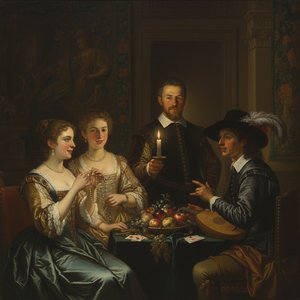
Meleager und Atalante

Hand Made Oil Reproduction

Hand-painted oil on canvas in your size and frame, made to order by our artists. ( Switch to Print Switch to Digital Image)

Collectible Description

Explore 'Meleager and Atalante' by Gerard van Honthorst! This Baroque masterpiece captures a thrilling mythological hunt with dramatic light & shadow, showcasing Dutch Golden Age artistry.

Artist Biography

Explore the dramatic Baroque paintings of Gerard van Honthorst, Dutch master of *tenebrism* and captivating light effects. Discover his portraits & biblical scenes!

from ·

Chapter 1

How large should it be?

Slide to change the size; the picture on the left shows the frame at its real width. The proportions of the original are kept.

Standard
custom
CM
INCH

Pick from our preset sizes that match the artwork's original proportions.

width
height

Type the width and the height you need, to fit your frame or your wall. This is hand-painted, so for a size with a different shape the artist can paint a bit more around the picture, or cut a bit — you choose. We send you a digital mockup to approve before the painting starts. The picture shown on this page does not show the real result — only the mockup does.

Chapter 2

How should it arrive?

Choose the edges of the stretched canvas

Choose your frame

Corner sample of the WhiteWrap canvas edge finish, stretched on solid wood bars
White $1
Corner sample of the BlurSideWrap canvas edge finish, stretched on solid wood bars
Blurside $1
Corner sample of the ExtendedWrap canvas edge finish, stretched on solid wood bars
Extended $1
Corner sample of the P118B picture frame: moulded polystyrene, 5 cm wide and 3 cm thick
P118B $10
Corner sample of the P118H picture frame: moulded polystyrene, 5 cm wide and 3 cm thick
P118H $10
Corner sample of the P118W picture frame: moulded polystyrene, 5 cm wide and 3 cm thick
P118W $10
Corner sample of the P438Z picture frame: moulded polystyrene, 5.5 cm wide and 3.5 cm thick
P438Z $10
Corner sample of the P508JH picture frame: moulded polystyrene, 7 cm wide and 3.5 cm thick
P508JH $12
Corner sample of the P508YH picture frame: moulded polystyrene, 7 cm wide and 3.5 cm thick
P508YH $12
Corner sample of the P805H picture frame: moulded polystyrene, 5 cm wide and 3.5 cm thick
P805H $10
Corner sample of the P805Z picture frame: moulded polystyrene, 5 cm wide and 3.5 cm thick
P805Z $10
Corner sample of the P919BZ picture frame: moulded polystyrene, 7 cm wide and 3.5 cm thick
P919BZ $10
Corner sample of the P919G picture frame: moulded polystyrene, 7 cm wide and 3.5 cm thick
P919G $10
Corner sample of the P919XJ picture frame: moulded polystyrene, 7 cm wide and 3.5 cm thick
P919XJ $10
Corner sample of the P959ZH picture frame: moulded polystyrene, 5 cm wide and 3 cm thick
P959ZH $10
Corner sample of the P968JZ picture frame: moulded polystyrene, 6 cm wide and 4 cm thick
P968JZ $12
Corner sample of the W106C picture frame: solid wood, 5 cm wide and 3 cm thick
W106C $8
Corner sample of the W218G picture frame: solid wood, 5 cm wide and 3 cm thick
W218G $10
Corner sample of the W218JH picture frame: solid wood, 5 cm wide and 3 cm thick
W218JH $8
Corner sample of the W218Y picture frame: solid wood, 5 cm wide and 3 cm thick
W218Y $10
Corner sample of the W307PJ picture frame: solid wood, 6 cm wide and 3 cm thick
W307PJ $10
Corner sample of the W316G picture frame: solid wood, 6 cm wide and 3 cm thick
W316G $10
Corner sample of the W316PJ picture frame: solid wood, 6 cm wide and 3 cm thick
W316PJ $8
Corner sample of the W316Y picture frame: solid wood, 6 cm wide and 3 cm thick
W316Y $10
Corner sample of the W398PJ picture frame: solid wood, 5 cm wide and 3 cm thick
W398PJ $8
Corner sample of the W4111J picture frame: solid wood, 6.5 cm wide and 3.5 cm thick
W4111J $10
Corner sample of the W500HY picture frame: solid wood, 7 cm wide and 5 cm thick
W500HY $15
Corner sample of the W500JH picture frame: solid wood, 7 cm wide and 5 cm thick
W500JH $15
Corner sample of the W692G picture frame: solid wood, 8 cm wide and 4 cm thick
W692G $12
Corner sample of the W849H picture frame: solid wood, 5 cm wide and 3 cm thick
W849H $8
Corner sample of the W940BG picture frame: solid wood, 7.5 cm wide and 4.5 cm thick
W940BG $15
Corner sample of the W953PJ picture frame: solid wood, 6 cm wide and 3.5 cm thick
W953PJ $8
Corner sample of the H24-GOLD picture frame: carved wood with gesso, 10 cm wide and 6 cm thick
H24-GOLD $30
Corner sample of the H24-SILVER picture frame: carved wood with gesso, 10 cm wide and 6 cm thick
H24-SILVER $30
Corner sample of the H36-GOLD picture frame: carved wood with gesso, 15 cm wide and 6.5 cm thick
H36-GOLD $45
Corner sample of the H36-SILVER picture frame: carved wood with gesso, 15 cm wide and 6.5 cm thick
H36-SILVER $45
Frame preview
Framed

Moulding: . Overall size with the frame: .

Chapter 3

Who paints it, and should anything change?

Examples of what can be changed: Replace face with customer photo; Add pet (e.g., replace cat with dog); Include hidden message in background; Change background landscape or elements.
After order, OriginalUniqueArt.com team will email client for instructions and provide a mockup preview

Worldwide Delivery () in 3/4 weeks instead of standard 5 weeks. (3 November). No compromise on quality.

Chapter 4

The finishing touches

A nameplate, as in a museum?

Engraved Bronze Plaque Details

This elegant plaque features the artist's name and the title of the artwork, finely engraved for a timeless presentation.

It is made from bronze with a refined, elegant finish. The text is precisely laser-engraved for a sharp and permanent result. Measuring 9x2 cm, the plaque is compact yet easy to read. It's built to be durable and scratch-resistant, offering a professional, museum-quality look. Mounting is simple thanks to the included adhesive backing.

Transparent Acrylic Plaque Details

The plaque includes essential engraved details such as the artist's name, the title of the artwork, the date it was created, the type of media used-like oil on canvas or watercolor-a brief description of the piece, and a QR code that links to the complete artwork information.

It is crafted from clear acrylic, offering a sleek, modern appearance. The text is UV-engraved in black to ensure strong visual contrast. With a size of 10x15 cm, it ensures optimal readability. It comes equipped with two metal hooks for secure wall mounting. The plaque is designed to be weather-resistant, making it suitable for various environments, and it includes interactive features that work seamlessly with smartphone scanning.

Black Acrylic Plaque Details

This elegant plaque includes engraved information such as the artist's name, the title of the artwork, the date it was created, the type of media used (like oil on canvas or watercolor), a short description of the artwork, and a QR code for quick access to more information.

The plaque itself is made from refined black acrylic with a premium finish. The text is laser-engraved in white for high contrast and readability. Its size is 10x15 cm, designed to be easy to read. It comes with two metal hooks for professional mounting. The design is sleek and fits any interior style. It is also weather-resistant and durable, with built-in digital integration for mobile compatibility.

A protective varnish?

When do you need it?

Chapter 5

Your painting, as you ordered it

Meleager und Atalante

Reproduction Medium

Reproduction Size

-

Elite Senior Artist

More detail, finesse, and extra production time

-

Reproduction Frame

-

-

For artworks or reproductions larger than 105 cm (approximately 41 inches) on any side, the frame will be shipped as a kit, disassembled. This method ensures safe delivery and prevents damage during transport.

Professional assembly required - this is not a DIY product.
The kit must be assembled and the canvas stretched by an experienced professional framer, using wood glue (not supplied), a canvas stretching plier and clamps to hold the bars square while the glue dries. Incorrect assembly or uneven canvas tension can permanently damage the artwork and is not covered by our warranty.

  • All solid wood bars are included, precisely cut to size.

  • Assembled with the screws provided, plus wood glue for the corner joints, which is not supplied and must be sourced by your framer.

  • Professional tools are required and not included: a canvas stretching plier (tensioner) and clamps to hold the bars square while the glue dries.

Important:
The corner joints require wood glue, the bars must be held with clamps until the glue is fully dry, and tightening the canvas on the assembled frame requires a canvas stretching plier. None of these are included in the kit. Please arrange an experienced professional framer before ordering this size.

Nameplate

-

-

Protective Varnish

Glossy Varnish (enhances colors, protects against light/moisture)

-

Customize My Artwork

Examples of what can be changed: Replace face with customer photo; Add pet (e.g., replace cat with dog); Include hidden message in background; Change background landscape or elements.

-

Urgent

Worldwide Delivery () in 3/4 weeks instead of standard 5 weeks. (3 November). No compromise on quality.

-

Express Shipping

Worldwide Delivery () in 5 weeks. (10 November).

Included

Total Price

$ 300

Total Price $ 300

Glass option is only available in size under 110 CM

Included with every order

  • Free Worldwide Express Shipping
  • High-Quality Linen Canvas
  • Full Shipping Insurance
  • Customs Tax Refund Guarantee
  • True Color Matching Guarantee
  • 100-Day Return Policy (Defects Only)
  • 100% Money-Back Guarantee
  • Bulk Discount Offer

Meleager and Atalante: A Baroque Dance of Myth and Light

Gerard van Honthorst’s “Meleager und Atalante,” painted in 1632, isn't merely a depiction of a classical myth; it’s a carefully orchestrated tableau vivant—a stage set for a dramatic narrative rendered with the masterful precision characteristic of the Dutch Golden Age. The painting captures a pivotal moment from Greek mythology: the hunt for the Calydonian boar, specifically the scene where Meleager, son of King Oeneus, and Atalante, renowned for her archery skills, engage in a spirited chase, their fates intertwined with the formidable beast. Yet, Honthorst elevates this ancient tale beyond simple illustration, transforming it into a vibrant exploration of youthful passion, heroic endeavor, and the interplay of light and shadow—elements that define his signature style.

The composition is remarkably dynamic, drawing the viewer directly into the heart of the action. A group of figures – hunters, attendants, and onlookers – are clustered within a richly detailed courtyard setting. The central focus rests on Meleager and Atalante, their movements frozen in a moment of intense pursuit. Notice how Honthorst doesn’t depict a single, decisive blow against the boar; instead, he captures the *process* of the hunt—the anticipation, the exertion, and the shared determination etched on their faces. The figures are not static portraits but active participants within a larger drama, contributing to the painting's overall sense of movement and immediacy.

The Language of Light: Honthorst’s Caravaggist Technique

Honthorst’s genius lies in his command of *tenebrism*, a technique borrowed directly from the Italian painter Caravaggio. This dramatic use of light and dark isn't simply an aesthetic choice; it serves to heighten the emotional intensity of the scene and guide the viewer’s eye. A single, brilliant lantern illuminates Meleager and Atalante, casting deep shadows that envelop the surrounding figures and create a sense of mystery and suspense. The stark contrast between light and shadow emphasizes their heroic stature, highlighting their youthful energy and determination against the backdrop of the shadowy courtyard.

Observe how Honthorst meticulously renders the textures – the rough fabric of the hunters’ tunics, the polished surfaces of the weapons, the glistening skin of Meleager's arm. This attention to detail is further enhanced by his skillful use of color—rich reds and browns dominate the palette, creating a warm, earthy atmosphere that contrasts sharply with the cool blues and greens used for the shadows. The light itself seems almost tangible, radiating from the lantern and bathing the scene in an ethereal glow.

Symbolism and Courtly Grace

Beyond the immediate narrative of the hunt, “Meleager und Atalante” is laden with symbolic meaning. The boar itself represents chaos and danger—a force that must be subdued to restore order and harmony. Meleager and Atalante, as the hunters, embody courage, skill, and youthful vitality. Their intertwined pursuit suggests a shared destiny, a bond forged in the crucible of heroic endeavor.

The setting – a courtyard with a dining table and chairs – hints at the aristocratic context of the scene. The painting was originally part of the collection of Frederik Hendrik van Oranje-Nassau, a prominent Dutch statesman and art collector. This royal provenance adds another layer of significance to the work, suggesting that it was intended as a decorative element for a grand interior—a testament to the wealth and power of the Dutch Republic during its Golden Age. The inclusion of the lute, a symbol of female sexuality and pleasure, subtly underscores the romantic tension between Meleager and Atalante.

A Timeless Masterpiece: Reproduction and Legacy

“Meleager und Atalante” remains a captivating work of art, admired for its dramatic composition, masterful technique, and evocative symbolism. Reproductions offer an accessible way to experience the beauty and power of this iconic painting, bringing its vibrant colors and dynamic energy into any space. Whether displayed in a formal gallery or a cozy living room, this Baroque masterpiece continues to inspire awe and wonder—a timeless reminder of the enduring appeal of classical mythology and the artistry of Gerard van Honthorst.

Questions & Answers

How does "Meleager und Atalante" fit into Gerard van Honthorst's themes and style?

Within Gerard van Honthorst's output, "Meleager und Atalante" sits in the Baroque Painting style, alongside the themes of caravaggio’s dramatic light, dutch courtly life, grace, mythological narrative, drama, honthorst’s signature style, royal patronage, influence.

How do I download the image of "Meleager und Atalante" by Gerard van Honthorst?

A download is available for "Meleager und Atalante": the artwork's Download page offers a high-resolution digital image download.

What underlying hue runs through "Meleager und Atalante" by Gerard van Honthorst?

An ochre to sepia hue runs through "Meleager und Atalante" by Gerard van Honthorst.

More about this painting

Preview AR preview Switch to Print Switch to Digital Image Send
Details Guide Add to favorites Download Similars X-Ray Diaporama Q&A Stats

In numbers

  • 1632the year it was painted
  • 29frames to choose from
  • standard sizes, in its own proportions
  • 5weeks to paint and deliver it
Gerard van Honthorst

Gerard van Honthorst

1590 - 1656, Netherlands

Quick facts about Gerard van Honthorst

  • Artistic Movement Or Style: Baroque, Caravaggism
  • Artists Or Movements Influenced By This Artist: ['Utrecht Caravaggisti']
  • Artists Who Influenced This Artist: ['Caravaggio']
  • Date Of Birth: 1590
  • Date Of Death: 1656
  • Full Name: Gerard van Honthorst
  • Nationality: Dutch
  • Notable Artworks:
    • Christ in the Garden
    • Supper Party
    • Diana and Apollo
  • Place Of Birth: Utrecht, Netherlands

Artist Biography

A Master of Light and Shadow: The Life and Art of Gerard van Honthorst

Gerard van Honthorst emerged from Utrecht in 1592, a pivotal figure poised to illuminate the Dutch Golden Age with his dramatic artistry. Initially guided by his father, a decorative painter, young Gerard’s talent blossomed under the tutelage of Abraham Bloemaert, establishing a solid foundation in draftsmanship and composition. However, it was a transformative journey to Rome that irrevocably altered the course of his artistic development. There, amidst the fervent energy of the Italian Baroque, he encountered the groundbreaking work of Caravaggio – an encounter that would define his signature style and earn him the evocative nickname “Gherardo delle Notti,” or Gerard of the Nights. The dramatic use of tenebrism, a technique employing stark contrasts between light and dark, became Honthorst’s hallmark, imbuing his canvases with a palpable sense of drama and emotional intensity. He wasn't merely imitating Caravaggio; he was translating the Italian master’s innovations into a distinctly Dutch sensibility, focusing on intimate scenes illuminated by artificial light sources – candles, lamps, and fires – creating an atmosphere both realistic and deeply theatrical. This mastery over light wasn’t simply technical skill; it was a means of revealing character, of drawing the viewer into the emotional core of each scene.

From Roman Acclaim to Dutch Mastery

Honthorst's time in Rome was marked by considerable success and patronage. He found favor amongst the city’s elite, including Vincenzo Giustiniani, for whom he created the powerful “Christ Before the High Priest,” a work that exemplifies his masterful command of light and shadow. This painting, now residing in London’s National Gallery, showcases not only his technical skill but also his ability to convey profound psychological depth within his figures. He further solidified his reputation by working for Cosimo II de' Medici, Grand Duke of Tuscany, demonstrating an adaptability and versatility that would serve him well throughout his career. Upon returning to Utrecht around 1620, Honthorst quickly established himself as a leading portrait painter in the Dutch Republic. His ability to capture not just physical likeness but also the character and social standing of his sitters made him highly sought after by wealthy merchants, nobles, and even royalty. He became president of the Guild of St. Luke in Utrecht in 1623, a testament to his growing influence within the artistic community. This period saw a flourishing of commissions, allowing Honthorst to refine his style and establish a distinctive voice within Dutch painting.

A Courtly Artist: Commissions and Collaborations

The reach of Honthorst’s talent extended beyond the Netherlands. His work attracted the attention of Sir Dudley Carleton, who enthusiastically recommended him to prominent English aristocrats like the Earl of Arundel and Lord Dorchester. This led to commissions from Queen Elizabeth of Bohemia, sister of Charles I, who employed him as both a painter and drawing master for her children. These royal connections culminated in significant works such as the allegorical depiction of Charles and Henrietta Maria as Diana and Apollo, now housed at Hampton Court Palace. Honthorst’s willingness to collaborate with other artists also speaks to his open-mindedness and artistic generosity. He famously hosted Peter Paul Rubens during a visit to Utrecht, even painting him in a playful scene depicting Diogenes searching for an honest man – a testament to the mutual respect between these two Baroque giants. While some collaborative works, like “The Taking of Christ,” were initially attributed solely to Honthorst, modern scholarship has revealed the contributions of other artists, highlighting the complex dynamics of artistic production during this period. These collaborations weren’t simply about sharing workload; they were intellectual exchanges that enriched the artistic landscape.

Legacy and the Utrecht Caravaggisti

Gerard van Honthorst’s influence resonated far beyond his lifetime. He was a key figure in the *Utrecht Caravaggisti* movement – a group of Dutch painters who embraced Caravaggio's dramatic realism and tenebrism. Alongside artists like Hendrick ter Brugghen and Dirck van Baburen, he helped to establish a distinctly Dutch interpretation of Italian Baroque style. His emphasis on genre scenes illuminated by artificial light, his masterful portraits, and his ability to convey emotional depth through skillful use of chiaroscuro left an indelible mark on the development of Dutch Golden Age painting. Even his brother, Willem van Honthorst, followed in his footsteps, though often with works initially misattributed to Gerard due to stylistic similarities.
  • Honthorst’s paintings continue to captivate audiences today.
  • His dramatic beauty and psychological insight are enduring qualities.
  • He cemented his place as a pivotal figure in art history.
Van Honthorst's ability to seamlessly blend Italian influences with Dutch sensibilities ensured his lasting legacy, inspiring generations of artists who followed. He died in Utrecht in 1656, leaving behind a body of work that continues to illuminate the artistic landscape and remind us of the power of light and shadow to reveal the human condition.

Quick Facts

  • Notable elements: Tenebrism, Caravaggism
  • Artistic style: Dramatic lighting
  • Title: Meleager und Atalante
  • Subject or theme: Mythological scene
  • Medium: Oil on canvas
  • Artist: Gerard van Honthorst

Art Quiz

There is only one correct answer for each question.

Question 1:
What mythological scene is depicted in Gerard van Honthorst’s ‘Meleager und Atalante’?
Question 2:
Which artistic technique is most prominently featured in ‘Meleager und Atalante’?
Question 3:
According to the description, where was ‘Meleager und Atalante’ originally displayed?
Question 4:
What historical period does the painting primarily reflect?
Question 5:
Gerard van Honthorst is known for his influence from which artist?