
 Preview
 Send
Send Share
Share
 Details

 Download
 Similars
 X-Ray
X-Ray Diaporama
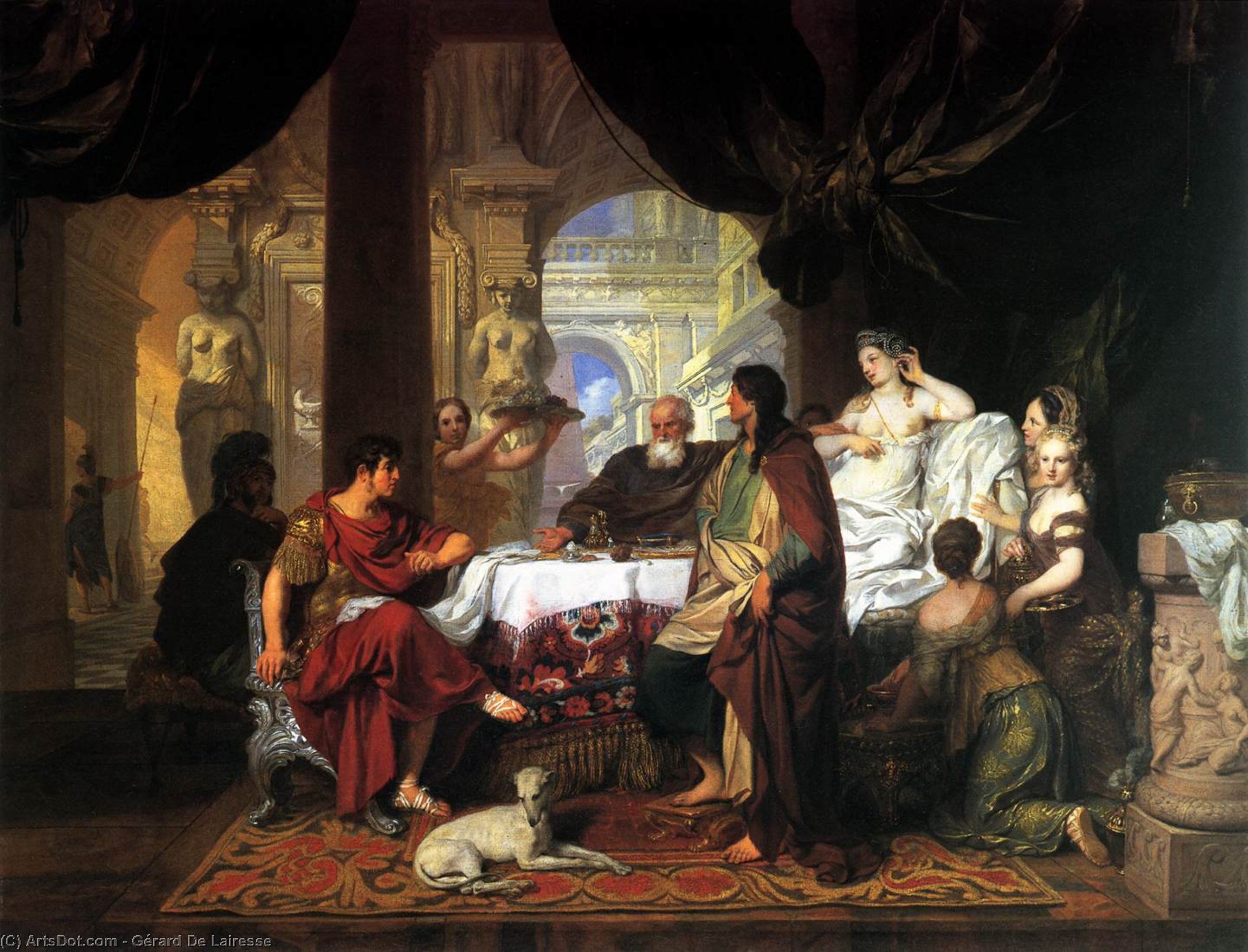
Cleopatra's Banquet
 Acrylic On Canvas
- WallArt
- Baroque Painting
 1675
1675 74.0 x 96.0 cm
 Rijksmuseum
 Read More
Giclée / Art Print
Museum-quality giclée or canvas print with fast production and flexible finish options. ( Buy Hand Made Painting Buy Image)




P118B $10

P118H $10

P118W $10

P438Z $10

P508JH $12

P508YH $12

P805H $10

P805Z $10

P919BZ $10

P919G $10

P919XJ $10

P959ZH $10

P968JZ $12

W106C $8

W218G $10

W218JH $8

W218Y $10

W307PJ $10

W316G $10

W316PJ $8

W316Y $10

W398PJ $8

W4111J $10

W500HY $15

W500JH $15

W692G $12

W849H $8

W940BG $15

W953PJ $8




Pick from our preset sizes that match the artwork's original proportions.

You may enter your own dimensions to fit a specific frame or space. If your selected size does not match the original image's proportions, we will either crop the artwork or extend the image with a mirrored or solid-fill edge. A digital mockup will be sent for your approval before production begins.
Please note that the on-screen preview does not reflect the actual cropping or extension. Only the mockup will accurately show the final composition.
While custom sizes are available, we recommend selecting a dimension from the predefined list to preserve the original proportions.
Worldwide Delivery () in 2 weeks instead of standard 4/5 weeks. (17 August)

Free Worldwide Express Shipping

High-Quality Linen Canvas

Full Shipping Insurance

Customs Tax Refund Guarantee

True Color Matching Guarantee

60-Day Return Policy (Defects Only)

100% Money-Back Guarantee

Bulk Discount Offer
 Glass option is only available in size under 110 CM

Cleopatra's Banquet
Giclée / Art Print
Reproduction Size
-


Total Price
$ 81
Collectible Description
The Allure of Power: Gérard de Lairesse’s Cleopatra’s Banquet
Gérard de Lairesse’s “Cleopatra’s Banquet,” painted in 1675, isn't merely a depiction of a historical event; it’s a carefully constructed tableau of power, seduction, and opulent extravagance. This dramatic scene, brimming with theatricality and rich color, transports the viewer to a moment of intense rivalry between Cleopatra, the last pharaoh of Egypt, and Mark Antony, one of Rome's most formidable generals. The painting captures not just a wager—Cleopatra’s audacious challenge to dissolve a pearl in vinegar and drink the resulting liquid—but also the very essence of her captivating allure and strategic brilliance.
Lairesse, a leading figure of Belgian Baroque art, masterfully employs light and shadow to create a palpable sense of drama. The composition is meticulously arranged, drawing our eye through a carefully orchestrated series of figures and gestures. Cleopatra, positioned at the heart of the scene, exudes an air of regal confidence as she removes her earring—a gesture laden with symbolic weight, suggesting both defiance and control. Her posture, her gaze, and the subtle curve of her lips all contribute to an image of calculated charm and unwavering authority.
A Stage for Intrigue: Context and Composition
To fully appreciate “Cleopatra’s Banquet,” it's crucial to understand its historical context. The painting draws upon a well-established narrative—Pliny the Elder’s account of a wager between Cleopatra and Antony, where she demonstrated her wealth by dissolving a pearl in vinegar. Lairesse elevates this anecdote into a grand theatrical spectacle, reminiscent of a classical play. He deliberately borrows elements from Italianate stage design, evident in the elaborate architecture and the carefully positioned figures, creating an illusionistic space that invites the viewer to step into the scene.
The composition is remarkably balanced, with a clear hierarchy of importance. Cleopatra dominates the center, surrounded by a throng of elegantly dressed guests—both men and women—each contributing to the overall sense of lavishness. The inclusion of a dog near the bottom left corner adds an unexpected touch of realism and humanizes the scene, grounding it in a tangible reality amidst the fantastical elements.
Technique and Symbolism: A Masterclass in Baroque Art
Lairesse’s technical skill is immediately apparent. He demonstrates a remarkable command of color, using rich reds, golds, and blues to create a vibrant and luxurious atmosphere. The use of *chiaroscuro*—the dramatic contrast between light and shadow—heightens the sense of drama and emphasizes key figures within the composition. Notice how he uses light to illuminate Cleopatra’s face, drawing attention to her expression and reinforcing her position as the central figure.
Beyond its visual splendor, “Cleopatra’s Banquet” is rich in symbolism. The pearl itself represents wealth, power, and beauty—qualities that Cleopatra sought to exploit to her advantage. The act of dissolving it in vinegar symbolizes a willingness to risk everything for love and ambition. The setting, with its classical architecture and opulent furnishings, evokes the grandeur of ancient Rome and Egypt, underscoring the clash between these two powerful civilizations.
A Legacy of Grandeur: Reproduction and Inspiration
Reproductions of “Cleopatra’s Banquet” capture a significant portion of the original's captivating atmosphere. The painting’s dramatic lighting, intricate details, and compelling narrative continue to inspire artists and designers today. When commissioning a high-quality reproduction, consider the scale and framing to best complement your interior space. The rich colors and dynamic composition will undoubtedly add a touch of historical grandeur and theatrical flair to any room.
Artist Biography
Gérard de Lairesse: A Leading Figure of Belgian Baroque Art
Gérard de Lairesse (1640-1711) was a prominent Belgian painter who significantly contributed to the development and flourishing of Baroque art during the 17th century. Born in Liège, Belgium, his career spanned a period of considerable artistic transformation across Europe, leaving behind a legacy marked by dramatic compositions, masterful use of light and shadow, and a distinct influence on subsequent generations of artists.
Early Life and Training: Foundations of an Artistic Career
- Birth and Origins: Gérard de Lairesse was born in Liège, Belgium, in 1640.
- Apprenticeship under Erasmus II Massius: His artistic journey began with training under the tutelage of Erasmus II Massius, a well-regarded painter from the region. This foundational experience provided him with essential technical skills and an introduction to the art world.
- Influence of Caravaggio and Rembrandt: De Lairesse was deeply inspired by the works of two giants of European painting – Caravaggio and Rembrandt. The dramatic use of light and shadow (tenebrism) championed by Caravaggio, and the psychological depth and masterful handling of light characteristic of Rembrandt, profoundly shaped his artistic style and technique.
Artistic Style and Key Contributions: Defining a Baroque Vision
- Baroque Characteristics: De Lairesse’s paintings are quintessential examples of Baroque art, characterized by their dynamic compositions, intense emotionality, and dramatic use of light and shadow (chiaroscuro).
- Mastery of Chiaroscuro: He expertly employed chiaroscuro to create a sense of volume, depth, and heightened drama in his works. This technique was central to the Baroque aesthetic.
- Notable Works: Among his most celebrated pieces are "The Martyrdom of Saint Sebastian" and "The Baptism of Christ," which showcase his exceptional command of color, form, and composition. These paintings exemplify his ability to convey powerful narratives with emotional intensity.
- Beyond Religious Subjects: While known for religious scenes, de Lairesse also explored mythological themes, portraits, and landscapes, demonstrating versatility within the Baroque style. Examples include "Apollo and Aurora," "Diana and Endymion" and “Allegory of the Five Senses”.
Influences and Legacy: Shaping Artistic Trends
- Utrecht Caravaggisti Influence: De Lairesse was heavily influenced by the Utrecht Caravaggisti, a group of Dutch painters who embraced Caravaggio’s dramatic lighting techniques.
- Peter Paul Rubens' Impact: The legacy of Peter Paul Rubens, a dominant figure in Flemish Baroque painting, also resonated within de Lairesse's work, though his style developed its own distinct characteristics.
- Influence on Jan van Huchtenburgh: His artistic innovations and techniques influenced later artists like Jan van Huchtenburgh, demonstrating the ripple effect of his contributions to the art world.
- Portraiture and Engraving: De Lairesse's influence extended beyond painting; he was also recognized for his portraiture and collaborations with engravers such as Gerard Valck who created prints based on his designs.
Historical Significance and Recognition
Gérard de Lairesse holds a significant place in the history of Belgian art, representing a key figure in the development of Baroque painting within the region. His skillful use of chiaroscuro, dramatic compositions, and emotive narratives established him as a notable artist of his time. Today, his works are recognized for their artistic merit and historical importance, with pieces residing in prestigious collections such as the National Gallery in London. OriginalUniqueArt.com offers high-quality reproductions of de Lairesse's masterpieces, allowing art enthusiasts to appreciate his contributions to Baroque art.

gérard de lairesse
1640 - 1711 , Belgium
Quick Facts
- Artistic Movement Or Style: Baroque art
- Artists Or Movements Influenced By This Artist: ['Jan van Huchtenburgh']
- Artists Who Influenced This Artist:
- Caravaggio
- Rembrandt
- Peter Paul Rubens
- Date Of Birth: 1640
- Date Of Death: 1711
- Full Name: Gérard de Lairesse
- Nationality: Belgian
- Notable Artworks:
- Martyrdom of Saint Sebastian
- Baptism of Christ
- Apollo and Aurora
- Diana and Endymion
- Allegory of the Five Senses
- Place Of Birth: Liège, Belgium
Related Articles

Baroque Drama: Bringing Opulence & Emotion into Contemporary Interiors
Explore the opulent world of Baroque interior design! Discover key elements, modern applications & how to bring dramatic elegance into your home with 's authentic reproductions.

The Dramatic Flourish: Exploring the Baroque Movement's Enduring Legacy in Art History
Explore the dramatic world of Baroque art! Discover iconic artists like Caravaggio & Rubens, defining techniques, and its lasting impact on art history. Expert insights for collectors & enthusiasts at OriginalUniqueArt.

Baroque Masterpieces: 10 Paintings That Defined an Era |
Journey through the drama & grandeur of Baroque art! Explore 10 masterpieces by Caravaggio, Rembrandt, Rubens & more. Discover stunning oil paintings, rich colors & timeless stories. Find museum-quality reproductions at .

Baroque Classicism: The Grandeur of Order and Drama in 17th-Century Art History
Explore the profound elegance of Baroque Classicism. Discover how 17th-century masters synthesized dramatic emotion with classical order through the lens of the Counter-Reformation and the works of legends like Carlo Maratta and Andrea Sacchi.

The Visceral Stage: Exploring Dramatic Narratives & Emotional Intensity in Baroque Art
Explore the dramatic world of Baroque art! Discover iconic masters like Caravaggio & Rembrandt, their techniques, and the movement's lasting impact. Expert insights for collectors & enthusiasts at OriginalUniqueArt.



