

 Preview
 Send
Send Share
Share
 Details
 Guide
Guide

 Download
 Similars
 X-Ray
X-Ray Diaporama
 Stats
StatsLion Devouring a Horse
 Oil On Canvas
- WallArt
- Romantic Realism
 1763
1763 69.0 x 104.0 cm
 Tate Gallery
 Read More
Purchase a high-resolution, enhanced digital image, far superior to the online preview.
Each file is meticulously prepared by our in-house specialists using advanced tools and expert manual retouching. We ensure every image has exceptional clarity, precise color accuracy, and fine detail.
The final file is delivered via email within 72 hours, optimized for immediate use in professional, editorial, and print environments. This is the same quality trusted by top-tier design studios, publishers, and galleries.
Digital Image
Download a high-resolution file for personal display, printing, and creative projects. ( Switch to Print Buy Hand Made Painting)
Included in Every Digital Image Order
Expert Digital Delivery, Guaranteed
When you choose OriginalUniqueArt.com, you're not just getting an image - you're receiving a professionally enhanced digital artwork, crafted with precision and backed by a satisfaction guarantee. Here's everything that comes with your order, automatically:

Fast Email Delivery
Your high-resolution digital image file will be emailed to you within 72 hours of ordering - ready for immediate use.

AI-Enhanced Digital File
Your artwork is professionally optimized using advanced AI tools and manual editing, ensuring maximum detail, clarity, and color accuracy.

Free Lifetime Re-Delivery
Accidentally deleted or lost your file? No worries - we'll resend it to you anytime, free of charge.

No Import Fees - Ever
Enjoy your artwork instantly with zero customs, duties, or delivery fees - digital downloads are always tax-free.

Color Accuracy Guarantee
We ensure your digital image reflects the original colors as closely as possible using professional tools and color management.

100-Day Satisfaction Guarantee
If you're not satisfied with your digital image, we'll revise it or refund 100% within 100 days - no questions asked.

100% Money-Back Guarantee
Not satisfied? Get a full refund within 100 days of receiving your digital file - no questions asked.

Bulk Order Discounts
Buy 3 images, save 10% - Buy 5, save 15% - Buy 10+, save 20%. Great for creative projects, galleries, and agencies.
The Drama of Nature Captured: George Stubbs' Lion Devouring a Horse
To stand before George Stubbs’ magnificent "Lion Devouring a Horse" is to be plunged into a moment of raw, untamed drama. This 1763 oil on canvas does more than merely depict an animal encounter; it arrests time itself, freezing the apex of conflict in vivid, masterful strokes. Stubbs, celebrated for his unparalleled anatomical studies of equine life, elevates this scene beyond mere natural history painting into a profound meditation on power dynamics and survival. The sheer energy radiating from the central action—the lion’s powerful jaws closing upon the struggling form of the horse—is breathtaking, inviting the viewer to lean in, breathless, as if they too are witnessing the struggle firsthand.
Mastery of Form and Color
Stubbs' technical brilliance is immediately apparent. The artist possessed an almost scientific understanding of musculature, rendering both creatures with startling verisimilitude. Observe the texture: the lion’s coat, rendered in deep, brooding shades of brown and black, contrasts dramatically against the lighter, more yielding tones used for the horse and the surrounding landscape. This masterful use of color heightens the tension; the rich saturation of the foreground elements pops against the serene, yet dramatic, backdrop of the rocky terrain beneath a clear blue sky. The composition is inherently balanced, guiding the eye inexorably toward the violent nexus at the center, while the scattered trees and open sky provide just enough context to ground this intense spectacle in a believable, if theatrical, outdoor setting.
Historical Echoes and Artistic Lineage
The genesis of this powerful piece is rooted in classical antiquity. Stubbs himself noted that his inspiration stemmed from an antique marble sculpture encountered during his travels to Rome. This connection suggests that the painting is not just a record of wildlife, but a dialogue across centuries—a conversation between Renaissance artistic ideals and the vibrant realism of the Georgian era. By referencing such classical models while executing it in the rich, tactile medium of oil on canvas, Stubbs bridges epochs. It speaks to an enduring human fascination with mythic struggle, making the work timeless regardless of its 18th-century origins.
Symbolism and Emotional Resonance
Beyond the technical prowess lies a deeper symbolic resonance. The confrontation between the lion—often a symbol of raw, untamed masculine power—and the horse, frequently representing nobility, grace, or even humanity itself, creates an immediate tension. The act depicted suggests a brutal assertion of dominance. For the modern collector or decorator, this painting offers more than just decorative flair; it injects a palpable sense of narrative drama into any space. It is a conversation piece that demands attention, suggesting themes of struggle, inevitable change, and the raw beauty found at the precipice of conflict.
Bringing the Drama Home
For those who wish to capture this electrifying moment in their own interiors, acquiring a high-quality reproduction allows one to possess this masterpiece's energy without leaving the comfort of home. The ability of an oil painting medium to retain such depth and vibrancy ensures that the drama—the tension between the predator and the prey—remains immediate and visceral. It is an investment not only in art history but in a continuous source of dramatic, sophisticated inspiration for any discerning eye.
Questions & Answers
What was George Stubbs's age when "Lion Devouring a Horse" was created?
George Stubbs was 39 years old when creating "Lion Devouring a Horse" in 1763. The age is computed from the artist's birth year, 1724.
What is the creation date of "Lion Devouring a Horse" by George Stubbs?
"Lion Devouring a Horse" dates from 1763. The date places the work within George Stubbs's career and its era.
Where should a reproduction of "Lion Devouring a Horse" by George Stubbs be hung?
Format (landscape) and recommended space (living room) are the two placement facts recorded for "Lion Devouring a Horse" by George Stubbs.
How does the style of "Lion Devouring a Horse" relate to its creator's era?
"Lion Devouring a Horse" by George Stubbs is placed in the Romantic Realism movement, within the Early-Modern era of its creator.
Who created "Lion Devouring a Horse"?
"Lion Devouring a Horse" is attributed to George Stubbs.
Is a high-resolution download of "Lion Devouring a Horse" available?
"Lion Devouring a Horse" is available as a high-resolution digital image download, purchased directly on this page.
What is the overall mood of "Lion Devouring a Horse" by George Stubbs?
The overall mood of "Lion Devouring a Horse" by George Stubbs is dramatic. The mood describes the general atmosphere of the work.
Artist Biography
early life and training
george stubbs, a renowned english painter, was born on august 25, 1724, in liverpool, united kingdom. his early life was marked by a sparse record of his activities until the age of 35, with most information sourced from ozias humphry's memoirs, based on conversations with stubbs in 1794. stubbs began his artistic journey at the age of 15, initially working under his father, a currier or leather-dresser. he later approached hamlet winstanley, a lancashire painter and engraver, for a brief apprenticeship. this short stint allowed him to study the collection at knowsley hall.artistic development and notable works
stubbs's passion for anatomy led him to move to york in 1744, where he studied under surgeon charles atkinson at york county hospital. one of his earliest surviving works is a set of illustrations for john burton's textbook on midwifery, published in 1751. in 1756, stubbs rented a farmhouse in lincolnshire and spent 18 months dissecting horses, assisted by his common-law wife, mary spencer. this led to the publication of the anatomy of the horse in 1766, with original drawings now housed at the royal academy. stubbs's work was soon recognized by leading aristocratic patrons, including the 3rd duke of richmond, who commissioned three large pictures in 1759. this marked the beginning of his successful career, with works produced for several dukes and lords, culminating in the purchase of a house in marylebone, london.legacy and notable paintings
stubbs's most famous work, whistlejacket, a painting of a prancing horse commissioned by the 2nd marquess of rockingham, is now housed at the national gallery in london. this and two other paintings for rockingham break with convention, featuring plain backgrounds.- whistlejacket, a thoroughbred race horse rising on his hind legs, showcases stubbs's unparalleled skill in capturing the essence of horses.
- stubbs's series of paintings on a lion attacking a horse are early examples of the romantic movement, demonstrating his influence on 18th-century art.
- view stubbs's artwork at https://OriginalUniqueArt.com/@/george_stubbs
- explore the national gallery in london's collection, featuring stubbs's notable works, at /en/art/show/art-8xyffg-en/
- learn more about stubbs's life and work on wikipedia at https://en.wikipedia.org/wiki/george_stubbs
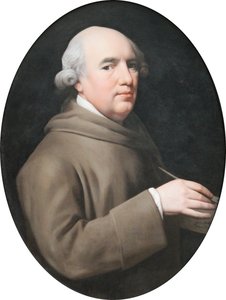
George Stubbs
1724 - 1806 , United Kingdom
Quick Facts
- Full Name: George Stubbs
- Nationality: British
- Date Of Birth: 1724
- Date Of Death: 1806
- Place Of Birth: Liverpool, United Kingdom
- Notable Artworks:
- Whistlejacket
- Lion & Horse
- A Lion and Tiger
- Artistic Movement Or Style: Romanticism, Equine Art
- Artists Who Influenced This Artist: ['Hamlet Winstanley']
- Artists Or Movements Influenced By This Artist: ['Joshua Reynolds']