Preview
 Send
Send Share
Share
 Details
 Guide
Guide

 Download
 Similars
 X-Ray
X-Ray Diaporama
 Stats
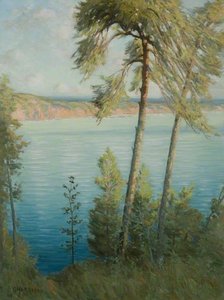
StatsWhen Flooded Fields Reflect Departing Day
 Oil On Canvas
- WallArt
- Impressionistic Landscape
 82.0 x 96.0 cm
 Alfred East Art Gallery
 Read More
The artwork displayed on this page is protected by copyright law, which means we cannot legally create or sell an identical reproduction. This protection is enforced under international agreements such as the Berne Convention and by national laws, including those outlined by the U.S. Copyright Law - Title 17.
This method fully complies with copyright regulations because it does not involve copying or duplicating the protected artwork. Instead, it is a creative reinterpretation - a new painting that is influenced by the original but not identical to it.
Giclée / Art Print
Museum-quality giclée or canvas print with fast production and flexible finish options. ( Buy Hand Made Painting Switch to Digital Image)




P118B $10

P118H $10

P118W $10

P438Z $10

P508JH $12

P508YH $12

P805H $10

P805Z $10

P919BZ $10

P919G $10

P919XJ $10

P959ZH $10

P968JZ $12

W106C $8

W218G $10

W218JH $8

W218Y $10

W307PJ $10

W316G $10

W316PJ $8

W316Y $10

W398PJ $8

W4111J $10

W500HY $15

W500JH $15

W692G $12

W849H $8

W940BG $15

W953PJ $8




Pick from our preset sizes that match the artwork's original proportions.

Type the width and the height you need, to fit your frame or your wall. A print can only be cut, never made bigger than the picture, so a size with a different shape loses a part of the image. We send you a digital mockup to approve before we print anything. The picture shown on this page does not show the real cut — only the mockup does.
Worldwide Delivery () in 2 weeks instead of standard 4/5 weeks. (25 October)

Free Worldwide Express Shipping

High-Quality Linen Canvas

Full Shipping Insurance

Customs Tax Refund Guarantee

True Color Matching Guarantee

100-Day Return Policy (Defects Only)

100% Money-Back Guarantee

Bulk Discount Offer
 Glass option is only available in size under 110 CM

When Flooded Fields Reflect Departing Day
Giclée / Art Print
Reproduction Size
-


Total Price
$ 81
When Flooded Fields Reflect Departing Day – A Symphony of Light and Tranquility
George Harrison’s “When Flooded Fields Reflect Departing Day” isn't merely a landscape painting; it’s a distillation of mood, memory, and the profound connection between humanity and nature. Executed in 1950 by Alfred East Art Gallery, this tonalist masterpiece captures a quintessential English autumnal evening – a scene bathed in the melancholic beauty of fading sunlight over a tranquil flooded meadow. The artist's meticulous attention to detail isn’t about capturing every blade of grass or individual leaf; instead, he strives to convey an atmosphere of serene contemplation and quiet reverence for the natural world.- Composition & Perspective: The horizontal orientation dominates the canvas, mirroring the expansive horizon line and the calm surface of the water. Trees strategically positioned in the foreground provide depth and scale, while a meandering river acts as a visual conduit, reflecting the ethereal hues of the sunset sky. Atmospheric perspective subtly diminishes distant hillsides, reinforcing the illusion of distance and creating a sense of profound tranquility.
- Color Palette & Technique: East’s masterful use of muted earth tones – predominantly grey-blue for the water and sky – is punctuated by delicate splashes of pink and orange from the setting sun. The tonalist technique—characterized by blending colors directly onto the canvas—creates soft transitions and emphasizes the diffused light conditions of dusk. Visible brushstrokes contribute to a textured surface that evokes the roughness of foliage and the fluidity of water, capturing the essence of the moment with remarkable sensitivity.
- Symbolism & Emotional Impact: The flooded field itself symbolizes resilience and abundance amidst adversity—a visual metaphor for enduring beauty despite passing time. Simultaneously, the departing sun embodies closure and reflection, prompting viewers to contemplate the ephemeral nature of existence. Harrison’s intention was not simply to depict a picturesque landscape but to evoke an emotional response rooted in nostalgia and appreciation for the sublime.
- Historical Context: Painted during the Edwardian era, “When Flooded Fields Reflect Departing Day” reflects the prevailing artistic sensibilities of its time—a move away from hyperrealism towards tonalism and Impressionism, prioritizing mood and atmosphere over precise representation. It exemplifies East’s signature style, blending meticulous observation with expressive brushwork to achieve a harmonious blend of realism and emotion.
- Materials & Craftsmanship: Crafted on canvas using oil paints—a technique favored by artists seeking luminosity and textural richness—the painting demonstrates exceptional craftsmanship. The artist's careful layering of pigments ensures that the colors retain their vibrancy over time, preserving the artwork’s original beauty for generations to come.
Questions & Answers
Is "When Flooded Fields Reflect Departing Day" free of copyright?
The copyright answer for "When Flooded Fields Reflect Departing Day" by George Harrison: the work is still protected by copyright. This determines whether reproductions of the image may be freely made.
What are the reproduction rights of "When Flooded Fields Reflect Departing Day" at the Alfred East Art Gallery?
The original "When Flooded Fields Reflect Departing Day" is at the Alfred East Art Gallery, and the work is still protected by copyright.
How is the palette of "When Flooded Fields Reflect Departing Day" by George Harrison described?
The colors of "When Flooded Fields Reflect Departing Day" form a neutrals palette. This classification describes the dominant color families.
Artist Biography
A Quiet Revolution: George Harrison, Musician and Spiritual Seeker
George Harold Harrison, born February 25, 1943, in Liverpool, England, wasn't merely “the quiet Beatle.” He was a pivotal figure in the evolution of popular music, a deeply spiritual individual whose journey profoundly shaped both his art and the cultural landscape of the 20th century. His story is one of subtle power, artistic growth blossoming within the confines of an iconic band, and ultimately, a triumphant solo career that cemented his place as a musical icon. Growing up in a working-class family in Wavertree, Liverpool, Harrison’s early life was steeped in the sounds of post-war Britain. While his peers were captivated by American rock ‘n’ roll pioneers like Elvis Presley and Chuck Berry, his mother's fondness for Indian classical music subtly planted a seed that would later blossom into a defining characteristic of his musical identity.
His initial foray into music began at the age of fourteen with self-taught guitar lessons, fueled by an instinctive passion. This dedication led him to Paul McCartney, and through him, to John Lennon’s skiffle group, The Quarrymen – the nascent form of what would become the most influential band in history. Joining The Beatles was a transformative experience, yet initially, Harrison found himself somewhat overshadowed by the dominant songwriting partnership of Lennon and McCartney. For years, his creative contributions were limited, but this period wasn't one of dormancy; it was a time of intense musical apprenticeship, honing his guitar skills and absorbing the collaborative energy that defined the band’s early sound. As The Beatles evolved, so too did Harrison’s role within the group. From 1965 onwards, he began to assert his songwriting voice, offering tracks like “Taxman,” a wry commentary on British taxation, and increasingly complex compositions reflecting a growing maturity.
From Shadows to Sunlight: Musical Evolution and Spiritual Exploration
The mid-to-late 1960s witnessed a significant shift in Harrison’s musical contributions. Inspired by his travels and deepening interest in Indian culture, he introduced the sitar and other Eastern instruments into The Beatles' music, broadening their sonic palette and influencing countless musicians to follow. Songs like “Within You Without You” showcased his burgeoning spiritual exploration, drawing heavily from Hindu philosophy and incorporating traditional Indian instrumentation. This period also saw Harrison’s guitar playing evolve; he developed a distinctive style characterized by its melodic phrasing and innovative use of slide guitar, adding texture and depth to the band's sound. The influence of artists like Ravi Shankar became increasingly apparent, leading to collaborative projects that further blurred the lines between Eastern and Western musical traditions.
A Solo Voice Emerges: All Things Must Pass and Beyond
Following the Beatles’ breakup in 1970, Harrison embarked on a remarkably successful solo career. The release of *All Things Must Pass*, a sprawling triple album, marked a watershed moment, showcasing his songwriting prowess and establishing him as a force to be reckoned with outside the confines of the band. The album spawned numerous hit singles, including “My Sweet Lord,” which became one of the biggest-selling songs of all time, and demonstrated a newfound confidence and artistic freedom. Throughout the 1970s and beyond, Harrison continued to explore diverse musical styles, incorporating elements of rock, blues, gospel, and Indian classical music into his work. He organized the groundbreaking Concert for Bangladesh in 1971, a pioneering benefit concert that raised funds for refugees and demonstrated his commitment to humanitarian causes.
Legacy: A Quiet Influence on Music and Spirituality
George Harrison’s legacy extends far beyond his contributions as a Beatle. He was a visionary artist who fearlessly explored new musical territories and championed spiritual enlightenment through his music. His pioneering use of Indian instrumentation, his introspective songwriting, and his unwavering commitment to social justice left an indelible mark on popular culture. The Traveling Wilburys, formed in the late 1980s, further showcased his collaborative spirit and enduring talent. Though he faced personal challenges, including a near-fatal stabbing in 1999, Harrison remained a source of inspiration for generations of musicians and fans alike. His death in 2001 marked the loss of a true musical innovator, but his music continues to resonate with listeners worldwide, reminding us of the power of creativity, compassion, and spiritual exploration.

George Harrison
1943 - 2001 , United Kingdom
Quick Facts
- Full Name: George Harrison
- Nationality: British
- Date Of Birth: 1943
- Date Of Death: 2001
- Place Of Birth: Liverpool, United Kingdom
- Notable Artworks:
- Taxman
- Within You Without You
- While My Guitar Gently Weeps
- Something
- Here Comes the Sun
- My Sweet Lord
- Artistic Movement Or Style: Rock and Roll, Indian Classical
- Artists Who Influenced This Artist:
- Elvis Presley
- Chuck Berry
- Carl Perkins
- George Formby
- Django Reinhardt
- Chet Atkins
Related Articles

Impressionistic Landscapes: 10 Masterpieces That Changed Art & Decor
Journey into the heart of Impressionism! Explore 10 masterpieces by Monet, Renoir & Degas that revolutionized landscape art. Discover their stories, techniques & find museum-quality reproductions to elevate your home decor on OriginalUniqueArt.com.

Georges Braque's Masterpieces: 25 Paintings That Defined Cubism & Modern Art | OriginalUniqueArt
Explore 25 iconic Georges Braque paintings that revolutionized Cubism & modern art. Discover the stories behind his masterpieces, from Fauvism to Analytical Cubism. Find museum-quality reproductions & elevate your home decor with OriginalUniqueArt.com.
Golden Fields & Sun-Drenched Meadows: Capturing the Soul of Impressionist Landscapes
Immerse yourself in the luminous world of Impressionist landscapes. Discover how masters like Monet and Gauguin captured ephemeral light through plein air painting, and learn to bring the soul of sun-drenched meadows into your home with exquisite, hand-painted oil reproductions.

Georges Seurat's Masterpieces: 25 Paintings That Defined Pointillism | OriginalUniqueArt
Explore 25 iconic Georges Seurat paintings & discover the brilliance of Pointillism. From 'La Grande Jatte' to his harbor scenes, delve into art history with OriginalUniqueArt.com. Find museum-quality reproductions for your home decor. Explore the full collection online!

Impressionist Landscapes: 10 Masterpieces for Your Home | OriginalUniqueArt
Journey through 10 iconic Impressionist landscapes by Monet, Renoir & Degas. Explore the history, techniques & emotions behind these masterpieces. Find museum-quality reproductions for your home at OriginalUniqueArt.com – where art comes to life! Discover all masterpieces on OriginalUniqueArt.com