- Home

- Digital Image
- George Frederic Watts
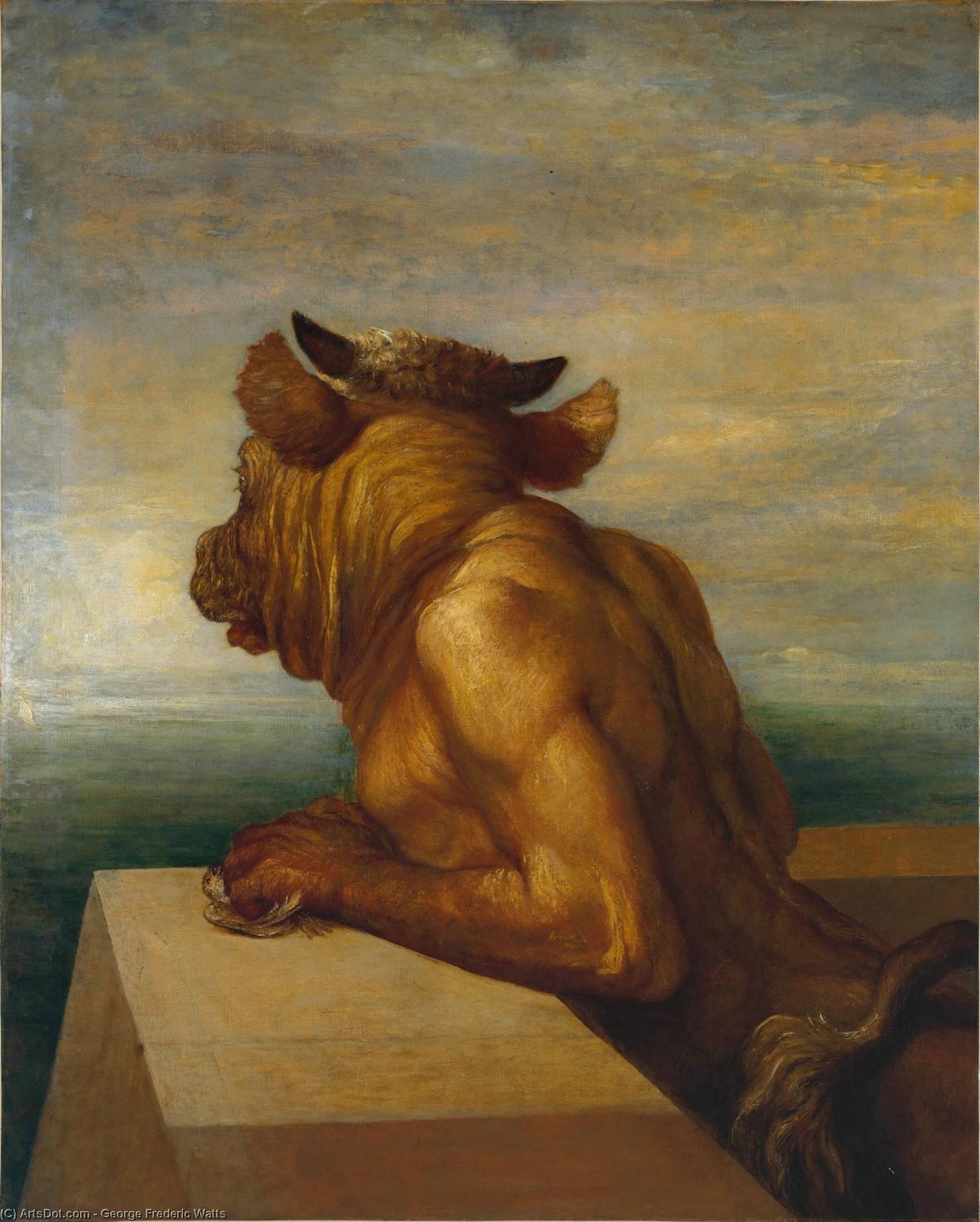
- The Minotaur
 Preview
 Send
Send Share
Share
 Details

 Download
 Similars
 X-Ray
X-Ray Diaporama
The Minotaur
 Oil On Canvas
- WallArt
- Symbolism
 1877
1877- 19th Century
 117.0 x 93.0 cm
 Tate Gallery
 Read More
Purchase a high-resolution, enhanced digital image, far superior to the online preview.
Each file is meticulously prepared by our in-house specialists using advanced tools and expert manual retouching. We ensure every image has exceptional clarity, precise color accuracy, and fine detail.
The final file is delivered via email within 72 hours, optimized for immediate use in professional, editorial, and print environments. This is the same quality trusted by top-tier design studios, publishers, and galleries.
Digital Image
Download a high-resolution file for personal display, printing, and creative projects. ( Switch to Print Switch to hand made Painting)
Included in Every Digital Image Order
Expert Digital Delivery, Guaranteed
When you choose OriginalUniqueArt.com, you're not just getting an image - you're receiving a professionally enhanced digital artwork, crafted with precision and backed by a satisfaction guarantee. Here's everything that comes with your order, automatically:

Fast Email Delivery
Your high-resolution digital image file will be emailed to you within 72 hours of ordering - ready for immediate use.

AI-Enhanced Digital File
Your artwork is professionally optimized using advanced AI tools and manual editing, ensuring maximum detail, clarity, and color accuracy.

Free Lifetime Re-Delivery
Accidentally deleted or lost your file? No worries - we'll resend it to you anytime, free of charge.

No Import Fees - Ever
Enjoy your artwork instantly with zero customs, duties, or delivery fees - digital downloads are always tax-free.

Color Accuracy Guarantee
We ensure your digital image reflects the original colors as closely as possible using professional tools and color management.

60-Day Satisfaction Guarantee
If you're not satisfied with your digital image, we'll revise it or refund 100% within 60 days - no questions asked.

100% Money-Back Guarantee
Not satisfied? Get a full refund within 60 days of receiving your digital file - no questions asked.

Bulk Order Discounts
Buy 3 images, save 10% - Buy 5, save 15% - Buy 10+, save 20%. Great for creative projects, galleries, and agencies.
Collectible Description
A Vision of Ancient Horror
George Frederic Watts’ “The Minotaur,” painted in 1885, is not merely a depiction of a monstrous figure from Greek mythology; it's a profound meditation on isolation, guilt, and the enduring power of primal narratives. This oil-on-panel masterpiece transcends simple illustration, offering a glimpse into the tormented psyche of a creature trapped within his own legend. Watts, a key figure in the Symbolist movement, masterfully employs color, composition, and texture to evoke a sense of brooding intensity—a palpable feeling of loneliness emanating from the Minotaur’s gaze.
A Myth Reimagined: Context and Inspiration
Watts’ painting emerged during a period of intense social reform in Britain, fueled largely by the investigative journalism of W. T. Stead. Stead's harrowing exposé of child prostitution—detailed in his series “The Maiden Tribute of Modern Babylon”—brought the plight of vulnerable young women to public attention and galvanized calls for legislative change. Watts, deeply moved by this exposure, channeled his concern into "The Minotaur," using the myth as a potent allegory for the horrors of exploitation and the consequences of unchecked violence. The image isn’t simply a retelling of the myth; it's a direct response to a contemporary social crisis.
The painting itself is often interpreted as a commentary on the cyclical nature of violence, mirroring the Athenian practice of sending young men and women as sacrifices to the Minotaur. Watts deliberately obscures the Minotaur’s face, presenting him in profile—a “profil perdu”—which heightens his sense of mystery and vulnerability. This deliberate ambiguity forces the viewer to confront the creature's inherent sadness and isolation rather than simply viewing him as a terrifying monster.
The Language of Form: Technique and Symbolism
Watts’ artistic style is immediately recognizable—a blend of realism and symbolic representation, heavily influenced by his studies in Italy. He utilizes rich, earthy tones – deep browns, ochres, and muted blues – to create a sense of age and solidity for the Minotaur's form. The rocky surface beneath him, rendered with thick impasto brushstrokes, adds texture and weight, grounding the figure within a desolate landscape. The turbulent sea and dramatic sky contribute to the painting’s overall atmosphere of foreboding and despair.
Notice the subtle details: the crushed bird clutched in the Minotaur's hand—a poignant symbol of innocence lost; the distant ship, representing the doomed sacrifices; and the creature’s downward gaze, suggesting a profound sense of regret. The composition itself is carefully constructed to emphasize the Minotaur’s isolation and vulnerability, drawing the viewer into his internal struggle.
A Timeless Masterpiece: Reproduction and Legacy
“The Minotaur” remains a powerfully evocative work of art, continuing to resonate with audiences today. Its exploration of themes such as guilt, violence, and isolation transcends its mythological origins, offering a timeless commentary on the darker aspects of human nature. High-quality reproductions of Watts’ masterpiece are now available through OriginalUniqueArt, allowing collectors and art enthusiasts alike to experience the beauty and emotional depth of this iconic painting firsthand. Whether displayed in a grand salon or a more intimate setting, “The Minotaur” serves as a reminder of the enduring power of myth and the importance of confronting uncomfortable truths.
Artist Biography
early life and education
george frederic watts, a prominent figure in the symbolist movement, was born on february 23, 1817, in marylebone, london. his early life was marked by delicate health and the loss of his mother at a young age. watts' father, a piano-maker, provided him with a conservative christian education and introduced him to the classics, including the iliad. this classical influence would later become a cornerstone of his artistic style.career
watts began his artistic journey at the age of 10, learning sculpture under william behnes. he later enrolled as a student at the royal academy schools at 18. his first exhibition at the academy in 1837 marked the beginning of his prolific career.- caractacus, a drawing submitted for a competition to design murals for the new houses of parliament, earned watts a first prize in 1843.
- his subsequent travels to italy (1843-1847) and his association with the british ambassador henry fox influenced his style, as seen in his portrait of lady holland, exhibited in 1848.
- watts' return to britain led to a commission for a fresco in the houses of parliament, which he completed between 1848 and 1853.
symbolist masterpieces
watts' most famous works include:- hope and love and life, intended as part of an epic symbolic cycle called the "house of life."
- the triumph of the red cross knight (from the faerie queene), completed in 1852-53, showcases his mastery of allegorical subjects.
- his portrait of actress ellen terry, painted in 1864, exemplifies his ability to capture the essence of his subjects.
legacy
watts' influence on the art world is undeniable. his association with the symbolist movement and his innovative use of color and form have made him a beloved figure in the history of british art. view george frederic watts' artworks on OriginalUniqueArt.commuseums featuring watts' work
- lincoln's inn, featuring his fresco justice, a hemicircle of lawgivers.
- the watts gallery – artists' village in guildford, united kingdom, dedicated to preserving watts' works and other artists.

George Frederic Watts
1817 - 1904 , United Kingdom
Quick Facts
- Artistic Movement Or Style: Symbolist
- Artists Or Movements Influenced By This Artist:
- Romanticism
- Pre-Raphaelites
- Artists Who Influenced This Artist:
- William Behnes
- Henry Fox
- Date Of Birth: February 23, 1817
- Date Of Death: July 1, 1904
- Full Name: George Frederic Watts
- Nationality: British
- Notable Artworks:
- Hope
- Love and Life
- The Triumph of the Red Cross Knight
- Place Of Birth: Marylebone, United Kingdom

