
 Preview
 Send
Send Share
Share
 Details

 Download
 Similars
 X-Ray
X-Ray Diaporama
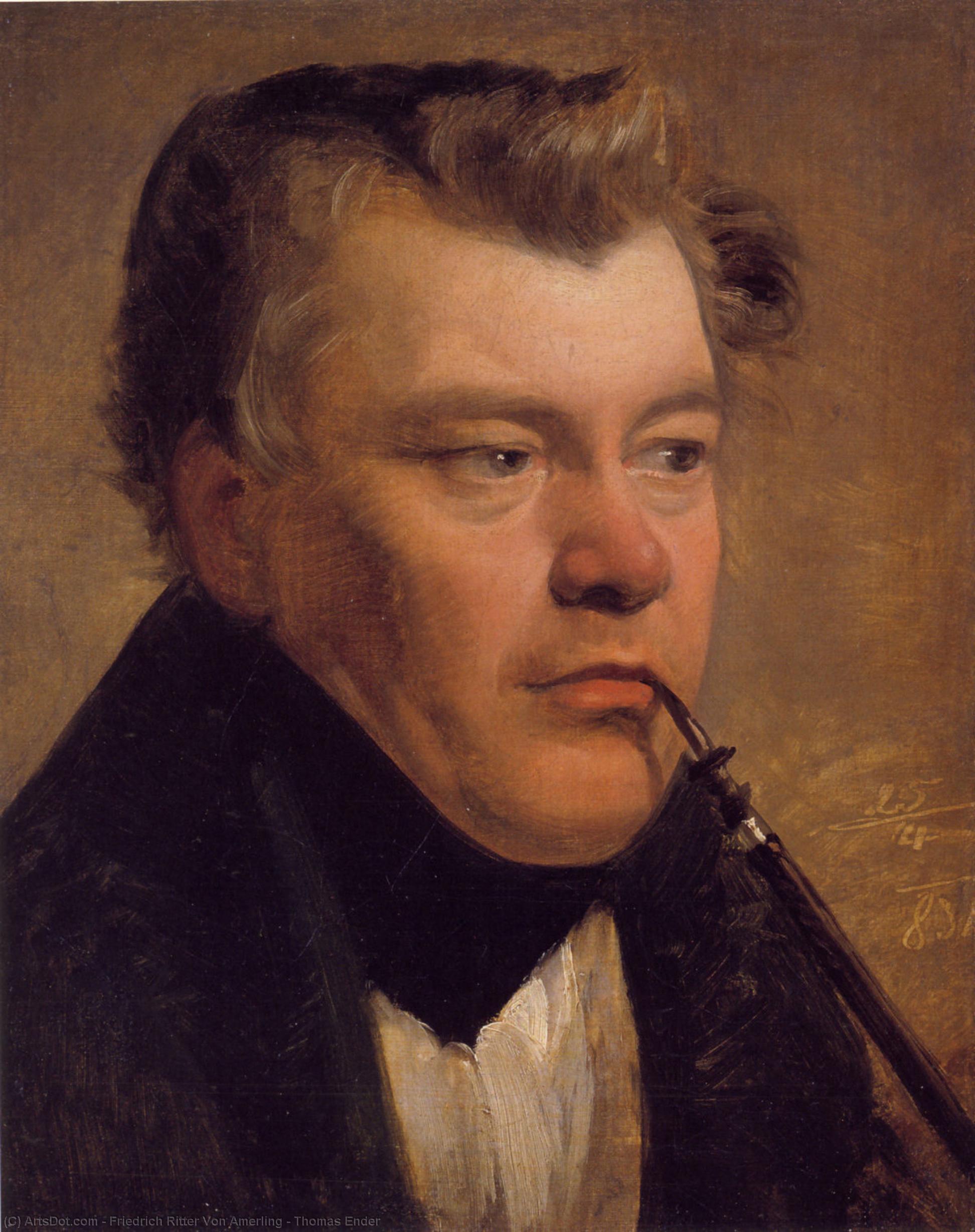
Thomas Ender


 Read More
Purchase a high-resolution, enhanced digital image, far superior to the online preview.
Each file is meticulously prepared by our in-house specialists using advanced tools and expert manual retouching. We ensure every image has exceptional clarity, precise color accuracy, and fine detail.
The final file is delivered via email within 72 hours, optimized for immediate use in professional, editorial, and print environments. This is the same quality trusted by top-tier design studios, publishers, and galleries.
Digital Image
Download a high-resolution file for personal display, printing, and creative projects. ( Buy Print Buy Hand Made Painting)
Included in Every Digital Image Order
Expert Digital Delivery, Guaranteed
When you choose OriginalUniqueArt.com, you're not just getting an image - you're receiving a professionally enhanced digital artwork, crafted with precision and backed by a satisfaction guarantee. Here's everything that comes with your order, automatically:

Fast Email Delivery
Your high-resolution digital image file will be emailed to you within 72 hours of ordering - ready for immediate use.

AI-Enhanced Digital File
Your artwork is professionally optimized using advanced AI tools and manual editing, ensuring maximum detail, clarity, and color accuracy.

Free Lifetime Re-Delivery
Accidentally deleted or lost your file? No worries - we'll resend it to you anytime, free of charge.

No Import Fees - Ever
Enjoy your artwork instantly with zero customs, duties, or delivery fees - digital downloads are always tax-free.

Color Accuracy Guarantee
We ensure your digital image reflects the original colors as closely as possible using professional tools and color management.

60-Day Satisfaction Guarantee
If you're not satisfied with your digital image, we'll revise it or refund 100% within 60 days - no questions asked.

100% Money-Back Guarantee
Not satisfied? Get a full refund within 60 days of receiving your digital file - no questions asked.

Bulk Order Discounts
Buy 3 images, save 10% - Buy 5, save 15% - Buy 10+, save 20%. Great for creative projects, galleries, and agencies.
Collectible Description
A Study in Contemplation: The Portrait of Thomas Ender
To stand before a portrait by Friedrich Ritter von Amerling is to step directly into the refined atmosphere of early nineteenth-century Vienna. This depiction of Thomas Ender, executed in 1831, transcends a mere likeness; it is a carefully constructed meditation on character and societal standing. The subject himself commands attention with an air of profound seriousness. Clad in the sober elegance of a black suit and tie, he holds a pipe—an accoutrement that has become as much a symbol in portraiture as the sitter himself. His gaze, directed outward toward the viewer, is not confrontational, but rather deeply contemplative, inviting us to peer into the quiet depths of his thoughts.
Mastery of Academic Realism and Technique
Amerling’s technical prowess shines through every visible brushstroke. The choice of oil on canvas allowed him to achieve a rich, velvety texture that lends an undeniable depth to the composition. Observe how the light plays across the contours of his face; it is not uniform, but rather selectively applied, highlighting certain planes and drawing the eye precisely where the artist intended. This adherence to academic realism, while maintaining an inherent grace, showcases Amerling’s ability to balance meticulous detail with an almost effortless elegance. The background elements—the visible clock on the wall, for instance—are subtly integrated, grounding the figure in a specific moment of time without ever distracting from the central narrative embodied by Ender.
Historical Echoes and Social Portraiture
The year 1831 places this work squarely within a period of significant cultural transition in Austria. Amerling, deeply rooted in the traditions of Viennese art, captured not just faces, but the very essence of the educated, established gentleman of the era. The inclusion of secondary figures in the periphery adds a layer of narrative complexity, suggesting that Ender exists within a larger social ecosystem—a world of polite society and intellectual exchange. These surrounding elements serve to contextualize the main subject, reminding us that even moments of intense personal thought occur against the backdrop of community life.
Symbolism and Emotional Resonance
The pipe itself carries weight in this portraiture; it suggests habit, reflection, and perhaps a measured approach to life’s complexities. Coupled with his steady, thoughtful expression, the painting evokes a sense of quiet dignity. For the modern admirer, owning or displaying a reproduction of this piece is not merely an act of decoration, but an embrace of history itself—a connection to the enduring values of craftsmanship, intellectual depth, and refined taste that defined the Romantic era’s artistic zenith. It offers the viewer a moment of pause, urging them to consider their own inner contemplations.
Artist Biography
Friedrich Ritter von Amerling: A Master of Academic Portraiture
Friedrich Ritter von Amerling (b. 1803, Wien, d. 1887, Wien) stands as a prominent figure in Austrian art history, celebrated for his unwavering dedication to the academic tradition and his remarkable ability to capture the dignity and grace of aristocratic subjects during the Romantic era. Born into a family of craftsmen—a lineage that instilled within him an appreciation for meticulous detail and skillful execution—Amerling embarked on his artistic journey at the Akademie der bildenden Künste in Vienna, where he honed his talents under the tutelage of influential artists who championed classical ideals.- Early Training & Influences: Amerling’s formative years were marked by exposure to the prevailing artistic sensibilities of his time, notably those espoused by William Adolphe Bouguereau, whom he regarded as a kindred spirit in prioritizing realism and compositional harmony.
- Landscape Painting Beginnings: Initially drawn to landscape painting—a genre favored by many Viennese artists—Amerling swiftly established himself as a proficient interpreter of the Austrian Alps and Danube Valley. His canvases conveyed not merely visual impressions but also an underlying sense of grandeur and spiritual contemplation.
The Pursuit of Academic Realism
Amerling’s artistic philosophy centered on achieving meticulous accuracy in portraying his subjects—primarily portraits of nobility—through painstaking observation and skillful technique. He adhered rigorously to the principles of academic painting, prioritizing anatomical correctness, idealized beauty, and a carefully constructed pyramidal composition. This commitment to tradition reflects the broader cultural climate of Vienna during the mid-19th century, where artistic excellence was inextricably linked to upholding established conventions.- Notable Works: Among his most enduring achievements are portraits depicting figures such as Bertel Thorvaldsen—the celebrated sculptor—Ludmilla Amerling (his daughter), and numerous members of Viennese aristocratic families. These paintings exemplify Amerling’s mastery of chiaroscuro, utilizing subtle gradations of light and shadow to sculpt form and imbue his subjects with psychological depth.
- Technique & Style: Amerling's distinctive style was characterized by a deliberate restraint in color palettes—often favoring muted tones—and an unwavering focus on capturing the textures and nuances of skin, drapery, and hair. His meticulous brushwork contributed to the luminous quality of his canvases, creating images that resonate with timeless beauty.
Influence & Legacy
Friedrich Ritter von Amerling’s influence extended beyond his own oeuvre, shaping the artistic sensibilities of subsequent generations and solidifying the academic tradition's position within Viennese art. His unwavering devotion to classical ideals served as a counterpoint to emerging Impressionist tendencies, ensuring that realism and idealized beauty continued to hold sway in Austrian painting for decades afterward. Today, Amerling’s works reside primarily in museums across Europe—including Musée Maurice Denis in Paris—where they continue to inspire admiration for their technical brilliance and expressive power.- Contemporary Comparisons: Comparing Amerling's work with that of Claude Monet or Pierre-Auguste Renoir reveals a fundamental divergence in artistic vision. While Impressionists sought to capture fleeting moments of sensory experience, Amerling prioritized conveying enduring qualities of character and dignity through meticulously rendered portraits.

friedrich ritter von amerling
1803 - 1887
Quick Facts
- Artistic Movement Or Style: Academicism
- Artists Or Movements Influenced By This Artist: ['École de Barbizon']
- Artists Who Influenced This Artist: ['William Adolphe Bouguereau']
- Date Of Birth: 1803
- Date Of Death: 1887
- Full Name: Friedrich Ritter von Amerling
- Nationality: Austrian
- Notable Artworks:
- Mountain Landscape with River
- Portrait of a Young Woman
- Place Of Birth: Vienna, Austria

