

 Preview
 Send
Send Share
Share
 Details

 Download
 Similars
 X-Ray
X-Ray Diaporama
 Stats
StatsStudy for Three Heads, right panel,


 Read More
Hand Made Oil Reproduction
Hand-painted oil on canvas in your size and frame, made to order by our artists. ( Switch to Print Switch to Digital Image)




P118B $10

P118H $10

P118W $10

P438Z $10

P508JH $12

P508YH $12

P805H $10

P805Z $10

P919BZ $10

P919G $10

P919XJ $10

P959ZH $10

P968JZ $12

W106C $8

W218G $10

W218JH $8

W218Y $10

W307PJ $10

W316G $10

W316PJ $8

W316Y $10

W398PJ $8

W4111J $10

W500HY $15

W500JH $15

W692G $12

W849H $8

W940BG $15

W953PJ $8




Pick from our preset sizes that match the artwork's original proportions.

You may enter your own dimensions to fit a specific frame or space. If your selected size does not match the original image's proportions, we will either crop the artwork or extend the painting with additional hand-painted elements. A digital mockup will be sent for your approval before production begins.
Please note that the on-screen preview does not reflect the actual cropping or extension. Only the mockup will accurately show the final composition.
While custom sizes are available, we recommend selecting a dimension from the predefined list to preserve the original proportions.
After order, OriginalUniqueArt.com team will email client for instructions and provide a mockup preview
Worldwide Delivery () in 3/4 weeks instead of standard 5 weeks. (13 September). No compromise on quality.

Free Worldwide Express Shipping

High-Quality Linen Canvas

Full Shipping Insurance

Customs Tax Refund Guarantee

True Color Matching Guarantee

100-Day Return Policy (Defects Only)

100% Money-Back Guarantee

Bulk Discount Offer
 Glass option is only available in size under 110 CM

Study for Three Heads, right panel,
Reproduction Medium
Reproduction Size
-


Total Price
$ 300
A Study in Discomfort: Exploring Francis Bacon’s “Study for Three Heads”
The painting "Study for Three Heads," created by Francis Bacon in 1962, stands as a chilling testament to the artist's preoccupation with psychological torment and the grotesque beauty of decay. Held within the William S. Paley Collection at MoMA, this monumental triptych – measuring approximately 35.9 x 30.8 cm (each panel) – immediately confronts the viewer with an unsettling visage: a man’s face rendered in stark black and white, dominated by an aggressively open mouth that seems to emit a silent scream.- Style & Technique: Bacon's signature style is characterized by visceral abstraction—a deliberate rejection of representational accuracy in favor of conveying emotion through distorted forms and expressive brushstrokes. The painting eschews traditional perspective, opting instead for a flattened surface that intensifies the sense of claustrophobia and disorientation. Thick impasto – heavily textured paint application – contributes to the palpable physicality of the canvas, mirroring the artist’s fascination with bodily vulnerability.
- Historical Context: Produced in the aftermath of World War II, “Study for Three Heads” reflects the pervasive anxieties surrounding trauma and existential dread that gripped Europe during the period. Bacon himself experienced considerable personal hardship throughout his life—including a devastating diagnosis of cancer—and these experiences undoubtedly fueled his artistic explorations into themes of suffering and mortality.
Symbolism: Faces Fractured, Humanity Exposed
The central figure’s gaping maw isn't merely an anatomical detail; it serves as a potent symbol of repressed emotion—a desperate attempt to articulate the unbearable pain of existence. Bacon deliberately fragmented the face into multiple planes, mirroring the shattered psyche and highlighting the disintegration of identity under pressure. The two flanking faces – positioned subtly in the background – represent not simply additional figures but rather embodiments of opposing forces battling for dominance within the individual’s inner turmoil. They symbolize rationality versus instinct, order versus chaos—elements perpetually vying for control over human consciousness.- Color Palette: The monochrome palette—primarily black and white—amplifies the painting's emotional impact by stripping away any distractions of color. This deliberate restriction focuses attention on the textures and distortions of form, emphasizing the artist’s commitment to conveying psychological states rather than visual realism.
Emotional Resonance: A Portrait of Painful Truth
“Study for Three Heads” transcends mere depiction; it compels viewers to confront uncomfortable truths about human nature—the inevitability of suffering, the fragility of selfhood, and the terrifying beauty of decay. Bacon’s masterful manipulation of form and texture evokes a visceral response—a feeling of unease and vulnerability that lingers long after viewing the artwork. It's a painting that refuses easy interpretation, demanding contemplation and prompting reflection on the darker recesses of human experience.- Interior Design Considerations: When incorporating reproductions of Bacon’s work into interior spaces, consider pairing it with complementary textures—such as linen or wool—to create a dialogue between surfaces. The painting's stark monochrome palette can serve as an anchor for more vibrant hues, offering a striking contrast that stimulates visual interest.
Concluding Thoughts: Bacon’s Legacy of Emotional Intensity
Francis Bacon’s “Study for Three Heads” remains one of the most arresting and disturbing images in modern art—a haunting reminder of the artist's unwavering dedication to exploring the darkest corners of human consciousness. Its enduring power lies not only in its technical brilliance but also in its profound emotional resonance, cementing Bacon’s place as a pioneer of expressive abstraction and an unparalleled interpreter of psychological torment.Artist Biography
A Life Immersed in the Visceral
Francis Bacon, a name synonymous with the rawest emotionality in 20th-century art, was born in Dublin, Ireland, in 1909, yet his artistic spirit found its truest expression within the turbulent landscape of post-war Britain. His early life was far from stable; frequent relocations due to his mother’s health instilled a sense of displacement that would profoundly shape his worldview and, ultimately, permeate his canvases. A complex relationship with his stern father and a close bond with his nanny, Jessie Lightfoot, further colored the emotional terrain of his formative years. Initially drawn to horse racing and a life of gambling, Bacon drifted through various occupations before finally dedicating himself to painting in his late twenties – a delayed start that perhaps intensified the urgency and intensity of his later work. He wasn’t formally trained, instead forging his own path, absorbing influences from diverse sources, and developing a uniquely unsettling visual language.The Crucible of Early Influences
Bacon's artistic awakening was not immediate but rather a gradual accumulation of impressions. The works of Pablo Picasso, particularly the distorted figures of his early Cubist period, proved pivotal in liberating him from traditional representation. He found further inspiration in the haunting photography of Egon Schiele, whose expressive distortions of the human form resonated with Bacon’s own burgeoning fascination with the fragility and vulnerability of existence. However, it was a chance encounter with Sergei Eisenstein's film *Battleship Potemkin* that provided a crucial catalyst. The film’s visceral imagery, particularly a close-up of a screaming face, became an enduring motif in Bacon’s work, representing primal terror and the depths of human suffering. He also deeply admired the Old Masters, notably Diego Velázquez, whose *Portrait of Pope Innocent X* he would famously reinterpret throughout his career, transforming the authoritative papal figure into a tormented specter. These influences weren't merely stylistic appropriations; they were absorbed and transmuted through Bacon’s own unique sensibility, resulting in an artistic vision that was both deeply personal and universally resonant.Forging a Signature Style: Distortion and Isolation
Bacon’s breakthrough arrived with *Three Studies for Figures at the Base of a Crucifixion* (1944), a work that shocked and captivated audiences in post-war London. This triptych established his signature style – distorted, fragmented figures isolated within claustrophobic spaces. These weren't depictions of religious martyrdom but rather visceral explorations of human anguish, stripped bare of any comforting narrative or spiritual solace. His paintings often feature blurred or dissolving forms, conveying a sense of psychological turmoil and physical vulnerability. He frequently employed geometric structures—cages, boxes—to confine his subjects, emphasizing their isolation and powerlessness. Bacon’s palette was typically muted and somber, reflecting the dark themes he explored, though punctuated by bursts of intense color that heightened the emotional impact. The use of these cages wasn't merely a compositional device; it symbolized the inherent limitations and constraints imposed upon human existence. He sought to capture not just *what* things looked like but *how they felt*, translating inner states of anxiety, fear, and despair onto the canvas with brutal honesty.Themes of Mortality, Anguish, and the Human Condition
Throughout his prolific career, Bacon repeatedly returned to certain motifs: the crucifixion as a symbol of suffering; portraits that delved into the psychological intensity of his subjects, often friends and lovers like George Dyer; and self-portraits that served as introspective explorations of identity and mortality. His *Study After Velázquez’s Portrait of Pope Innocent X* (1953) series is perhaps one of his most iconic achievements, transforming Velázquez's dignified portrait into a screaming apparition, embodying existential dread. The portraits of George Dyer, his volatile lover, are particularly poignant, capturing both the intensity of their connection and the looming shadow of tragedy. Bacon’s work wasn’t about depicting specific individuals; it was about exploring universal themes of human vulnerability, isolation, and the inevitability of death. He didn't shy away from the darker aspects of existence but rather confronted them head-on, forcing viewers to confront their own mortality and anxieties.A Lasting Legacy: Challenging Conventions
Francis Bacon’s impact on 20th-century art is undeniable. He challenged traditional notions of representation, rejecting idealized beauty in favor of a raw, unflinching portrayal of the human condition. His work profoundly influenced generations of artists, paving the way for new forms of expression and challenging conventional artistic boundaries.- Post-War Expressionism: Bacon is considered a key figure in this movement, influencing artists with his bold style and psychological depth.
- Auction Records & Museum Exhibitions: His paintings continue to command high prices at auction and are exhibited in major museums worldwide, solidifying his place in art history.
- Confronting Truths: Bacon’s legacy lies in his ability to confront uncomfortable truths about human existence and translate those experiences into powerful and unforgettable images.
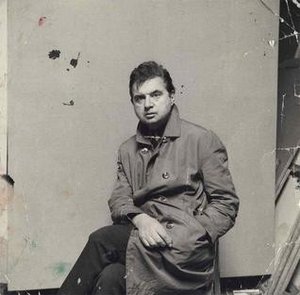
Francis Bacon
1909 - 1992 , Ireland
Quick Facts
- Artistic Movement Or Style: Expressionism
- Artists Or Movements Influenced By This Artist: ['Post-war Expressionism']
- Artists Who Influenced This Artist:
- Picasso
- Egon Schiele
- Date Of Birth: 1909-10-28
- Date Of Death: 1992-04-28
- Full Name: Francis Bacon
- Nationality: Irish-British
- Notable Artworks:
- Three Studies...
- Pope series
- George Dyer portrait
- Place Of Birth: Dublin, Ireland
Related Articles

Elegance & Distortion: A Cultural Reflection on the Captivating World of Northern Mannerism
Embark on a cultural journey through Northern Mannerism. Discover how artists moved from Renaissance harmony to an era of elegant distortion, psychological depth, and exquisite tension in the 16th-century European art landscape.
Expressionist Painting: 10 Masterpieces That Defined a Movement | OriginalUniqueArt
Explore 10 Expressionist paintings that revolutionized art! Discover Munch, Kirchner & Kandinsky's iconic works. Find museum-quality reproductions and vibrant canvas prints to elevate your home decor on OriginalUniqueArt.com.
The Existential Anguish of Francis Bacon: Trauma, Form & the Post-War Condition
Explore the profound existential anguish of Francis Bacon's art. Discover how trauma shaped his iconic paintings & lasting influence on modern expressionism. A guide for discerning collectors.
Francis Bacon's Masterpieces: Exploring 25 Iconic Paintings | OriginalUniqueArt
Delve into the haunting world of Francis Bacon with OriginalUniqueArt. Explore 25 iconic paintings, from his visceral portraits to powerful triptychs. Discover the stories behind these masterpieces & find museum-quality art reproductions for your home. Explore the full collection online!
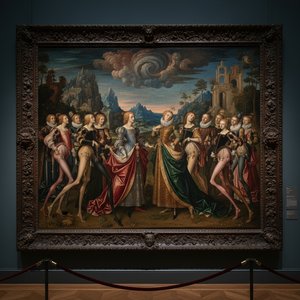
Northern Mannerism: The Dramatic Evolution of Renaissance Art and the Mastery of Elegant Distortion
Explore the dramatic evolution of Northern Mannerism. Discover how masters like Bosch and Grünewald transitioned from Renaissance harmony to profound, elegant distortion through an expert analysis of symbolism, emotional intensity, and artistic innovation.


